






 Source: Yourdictionary.com
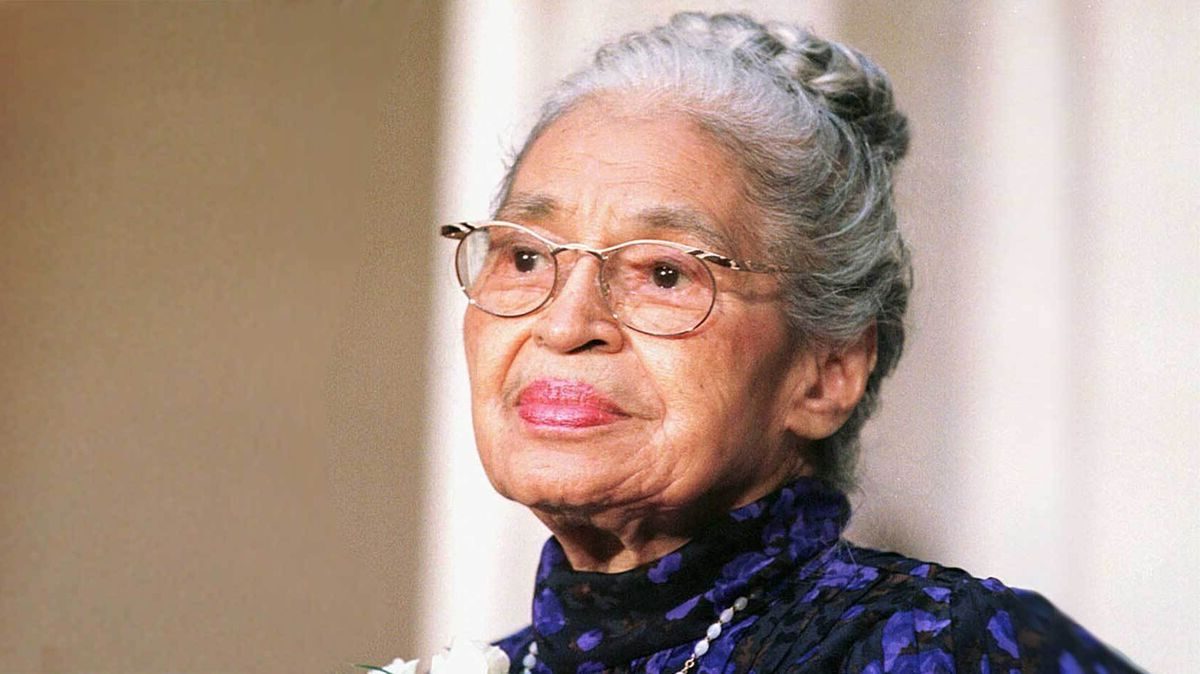
Rosa Parks's name has forever been etched into history as a symbol of courage and change. But who was she beyond that famous bus stop? Rosa Parks was a civil rights activist whose refusal to give up her bus seat to a white man in Montgomery, Alabama, sparked the Montgomery Bus Boycott, a key event in the civil rights movement. Born on February 4, 1913, in Tuskegee, Alabama, she grew up in a world divided by racial segregation. Parks worked as a seamstress and was active in the NAACP, fighting for justice long before her iconic act. Her quiet strength and determination inspired countless others to join the fight for equality. Parks's legacy continues to teach us courage, resilience, and the power of standing up for justice. Let's delve into some little-known facts about this remarkable woman who changed the course of history with one simple act.
Contents 01 Rosa Parks: Symbol of Courage02 The Bus Incident That Changed History03 Rosa's Life After the Boycott04 Awards and Legacy05 Rosa's Impact on Culture06 Rosa Parks: A Global Icon07 Rosa's Personal Beliefs and Values08 Rosa Parks: A Legacy of Courage
Rosa Parks: Symbol of Courage
Rosa Parks's name is synonymous with courage and change. Her actions sparked a movement that changed the course of history. Here are some interesting facts about this remarkable woman.
-
Rose's early life
Rose Louise McCauley was born on February 4, 1913, in Tuskegee, Alabama. Her parents were James and Leona McCauley. She grew up on a farm with her grandparents, mother, and younger brother. -
Education and problems
Rose attended the Industrial School for Girls in Montgomery, Alabama. However, she had to drop out of school to care for her grandmother and later her mother when they became ill. -
Marriage and support
In 1932, Rosa married Raymond Parks, a barber and active member of the National Association for the Advancement of Colored People (NAACP). He supported her in her quest to graduate from high school, which she did in 1933.
The bus incident that changed history.
Rosa Parks is best known for her pivotal role in the Montgomery bus boycott. Her refusal to give up her seat became a powerful symbol in the fight against racial segregation.
-
The fateful day
On December 1, 1955, Rose refused to give up her seat to a white passenger on a Montgomery bus. This act of defiance led to her arrest. -
The boycott begins
Her arrest sparked the Montgomery bus boycott, a 381-day protest against racial segregation on public transportation. Led by Martin Luther King Jr., the boycott became a pivotal moment in the civil rights movement. -
Legal battle
Rosa's case went to trial, and she was found guilty of violating segregation laws. However, this case led to a Supreme Court decision declaring segregation on public buses unconstitutional.
Rose's life after the boycott
After the boycott, Rosa Parks remained an active participant in the civil rights movement. Her life was filled with human rights activism and recognition.
-
Move to Detroit
In 1957, Rose and her husband moved to Detroit, Michigan, where she continued her work in civil rights and community activism. -
Employment and protection of rights
Rosa served as secretary and administrator for U.S. Representative John Conyers from 1965 to 1988. She used her position to advocate for racial equality and justice. -
Rosa Parks Institute
In 1987, she co-founded the Rosa and Raymond Parks Institute for Self-Development, which aimed to educate young people about civil rights and leadership.
Awards and legacy
Rosa Parks received numerous awards and honors for her contributions to the civil rights movement. Her legacy continues to inspire generations.
-
Presidential Medal of Freedom
In 1996, President Bill Clinton awarded Rose the Presidential Medal of Freedom, the highest civilian honor in the United States. -
Congressional Gold Medal
In 1999, she was awarded the Congressional Gold Medal, another prestigious award recognizing her contributions to American history. -
Rosa Parks Day
Several states, including California and Ohio, observe Rosa Parks Day on February 4 or December 1 in her memory.
The Influence of the Rose on Culture
Rosa Parks's story has become deeply embedded in popular culture, inspiring books, films, and songs celebrating her courage and determination.
-
Books and biographies
Many books have been written about Rosa Parks, including her autobiography, Rosa Parks: My Story, in which she recounts her life and social activities. -
Film and television
Her story has been featured in films and documentaries such as "The Rosa Parks Story," starring Angela Bassett, which highlights her key role in the civil rights movement. -
Musical tributes
Artists like OutKast have paid tribute to Rosa Parks in their music, further cementing her status as an icon of resistance and change.
Rosa Parks: A Global Icon
Rosa Parks's influence extends beyond the United States, inspiring movements and individuals around the world.
-
International recognition
Rosa's courage has received worldwide recognition, and numerous international awards and honors recognize her contribution to human rights. -
Inspiring global movements
Her story inspired civil rights movements around the world, motivating people to confront injustice and fight for equality. -
Statues and monuments
Statues and memorials dedicated to Rosa Parks can be found around the world, serving as a reminder of her enduring legacy.
Rose's personal beliefs and values
Rosa Parks was guided by strong personal beliefs and values that shaped her actions and her legacy.
-
Faith and spirituality
Rose was a devout Christian, and her faith played a significant role in her life and public activities. She often spoke of how her beliefs gave her strength and courage. -
Commitment to non-violence
She was committed to non-violent methods of protest and believed in the power of peaceful resistance to bring about change. -
Dedication to education
Rosa valued education highly and believed it was a powerful tool for empowerment and change. She worked tirelessly to ensure young people had access to educational opportunities.
Rosa Parks: A Legacy of Courage
Rosa Parks's story is a powerful reminder of how one person's courage can spark change. Her refusal to give up her seat wasn't just an act of defiance; it was a catalyst. civil rights movements . Parks demonstrated that standing up for justice, even in difficult times, can inspire others to do the same. Her courage and determination continue to influence activists and leaders today. Parks's legacy is more than just that one moment on the bus; it is a lifetime dedicated to fighting for justice and equality. Her actions remind us that change often begins with a single step, and each of us has the power to make a difference. As we reflect on her life, let us continue her spirit of resilience and commitment to creating a more just world for all.
Was this page helpful?
Our work is based on a commitment to providing reliable and engaging content. Every fact on our site is contributed by real users just like you, providing a rich and varied experience and information. To ensure the highest standards of accuracy and reliability, our experienced editors carefully review every submission. This process ensures that the facts we share are not only engaging but also trustworthy. Trust our commitment to quality and authenticity as you explore and learn with us.
Share this fact: