




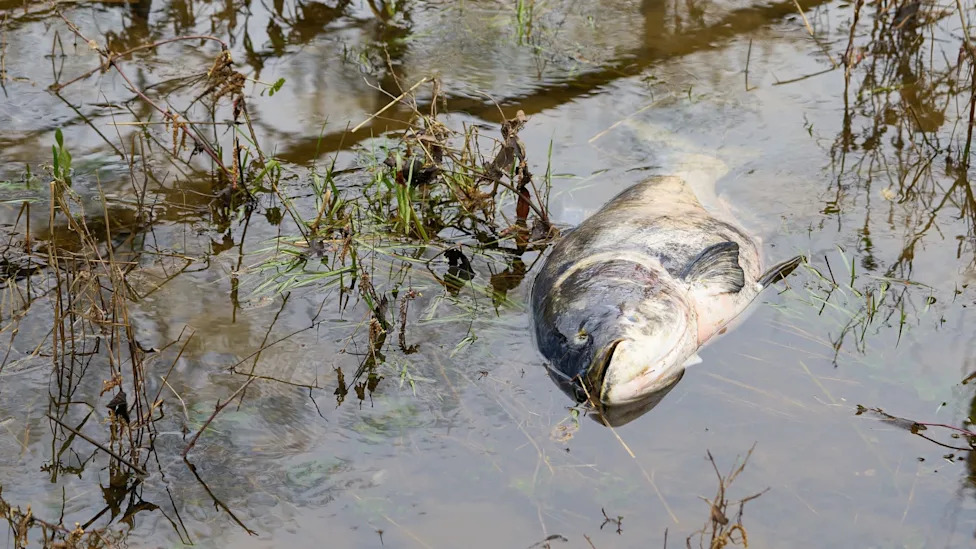
An alarming number of dead invasive carp have accumulated along the Mississippi River shoreline at Riverside Landing Park in St. Charles County, Missouri.
While the mass fish die-off could signal trouble, state conservation officials told Fox 2 St. Louis that the event could provide some environmental relief for both native species and people who use the river.
What's happened?
Visitors to Riverside Landing Park have reported numerous dead carp both in the river and along the shore, raising concerns about the cause of the deaths and the safety of those in the area.
James Bushdiecker told Fox 2 St. Louis that he encountered the situation while walking his dog after noticing a similar problem before.
«"Well, it couldn't be worse," Bushdiecker said. "I noticed it a week ago, and today when I was here with the dog, it looked really bad, and I wanted to know if it was safe.".
Missouri Department of Conservation spokesman Dan Zarlenga said warm weather and low water levels appear to be to blame for the mass fish kill.
«"Heat warms the water, the water level drops, and there's less oxygen in it than in colder water," Zarlenga explained, as reported by Fox 2 St. Louis. "There's less oxygen in the water and less water. These invasive carp tend to school in shallow water where there's very little oxygen.".
He said that about 90% of the dead fish were silver carp and bighead carp. Considering the species of fish that surfaced, local residents weren't crying.
«"They're the ones that jump out of the water and catch people," Bushdiecker noted. "So I'm not upset that they're leaving, it's just that there are so many of them.".
Why is this important?
Like many invasive species, these carp compete with native fish species for food and habitat, making it difficult to maintain a balance in local ecosystems over the long term.
They also directly impact people. Silver carp jumping out of the water injure boaters and make water activities more dangerous and stressful. Hot weather and low oxygen levels can quickly alter river ecosystems.
In this case, the situation appears to be favorable for the reservoirs. Zarlenga suggested in an interview with Fox 2 St. Louis that native fish species are better adapted to the water conditions than the invasive carp.
«"It's not really that bad," he said. "Our native species have been living in these waters for generations.".
What is being done?
At first, this sight will cause concern for most local residents, but if it results in fewer jumping fish and a better outlook for native fish species, it will be a win for the local ecosystem.
Zarlenga told Fox 2 St. Louis that birds and other wildlife will eat the dead carp as they float downstream and accumulate along the shore.
Subscribe to TCD's free newsletters to receive helpful tips, actionable advice, and a chance to win $5,000 toward your home improvement. To see more stories like this, change your Google preferences here.