








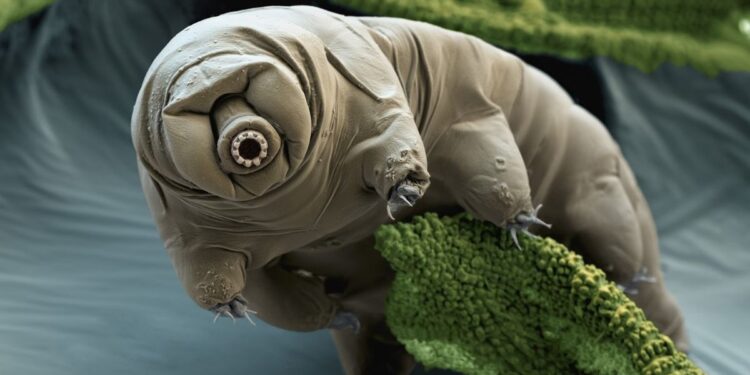
Tardigrades (Tardigrades) are microscopic organisms that are rightfully considered the most resilient creatures on Earth. These amazing creatures can survive conditions that would kill any other living creature. In this article, we'll share 10 of the most astonishing facts about tardigrades that will make you look at the microworld in a completely new way.
What are tardigrades and where do they live?
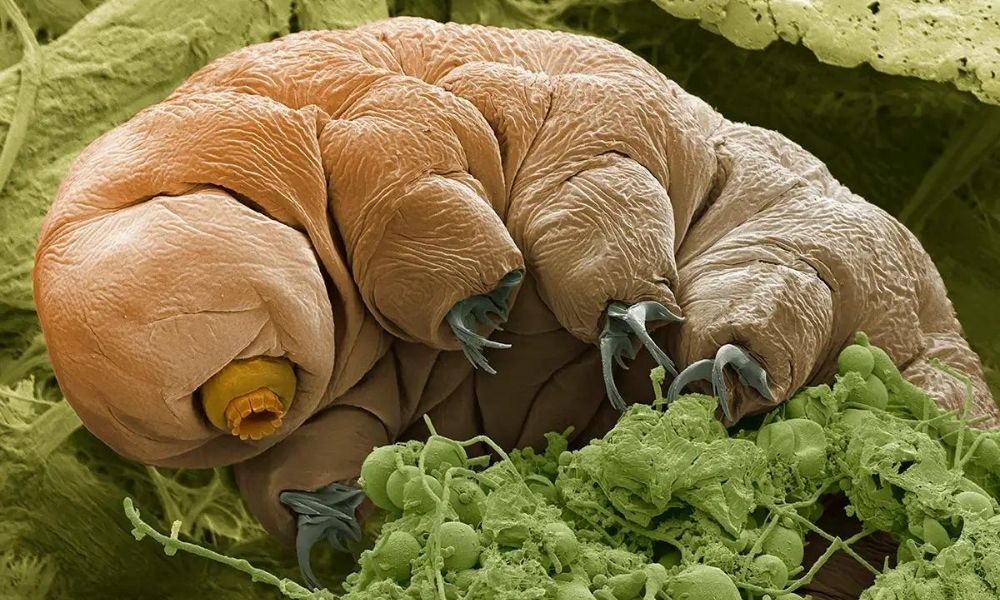
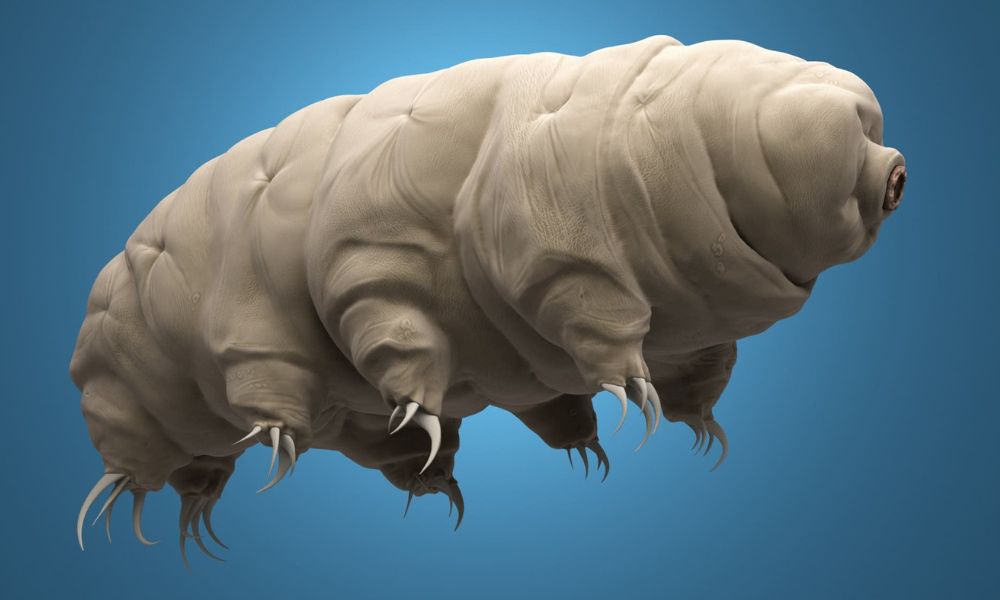
Tardigrades are aquatic invertebrates ranging in size from 0.1 to 1.5 millimeters. They are also called "water bears" due to their distinctive gait and appearance. These microscopic creatures are found almost everywhere: in soil, moss, lichens, fresh and salt water, and in some of the most extreme environments on the planet.
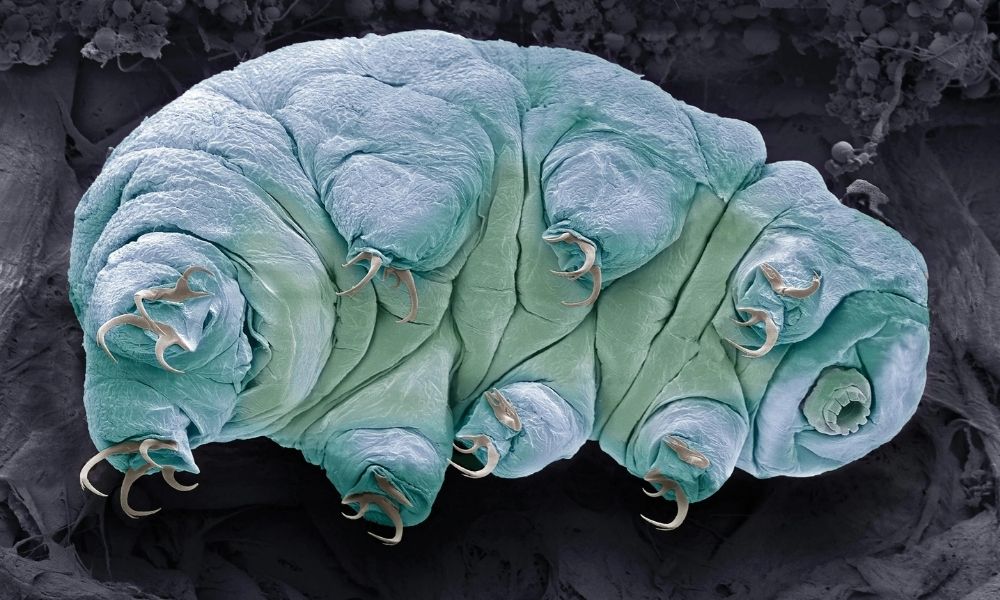
Fact 1: Tardigrades can survive in outer space.
Tardigrades' most astonishing ability is their ability to withstand cosmic radiation and vacuum. In 2007, European scientists sent a colony of tardigrades into space for 10 days. Upon returning to Earth, many individuals not only survived but also successfully reproduced.
What makes this possible:
- Resistance to cosmic radiation is 1000 times higher than that of humans.
- Ability to withstand a complete vacuum
- UV protection
Fact 2: Cryptobiosis is a state of "temporary death"«
Tardigrades have the unique ability to enter a state of cryptobiosis—a complete halt in vital processes. They can remain in this state for decades, and under favorable conditions, return to life again.
The process of transition to cryptobiosis:
- Loss of up to 99% of body water
- Slowing down metabolism to an undetectable level
- Curling into a defensive posture
- Formation of protective protein structures

Fact 3: Extreme Temperature Resistance
Tardigrades can survive in an incredible range of temperatures:
- Low temperatures: up to -273°C (almost absolute zero)
- High temperatures: up to +150°C
- Normal habitat: from -40°C to +60°C
This resilience allows them to survive in Arctic ice, hot springs, and other extreme conditions.
Fact 4: Radiation resistance exceeds all known limits
Tardigrades can withstand doses of radiation thousands of times higher than what's lethal to humans. The secret lies in their unique ability to quickly repair DNA damage.
Comparison of radiation resistance:
- Human: 5-10 gray (lethal dose)
- Tardigrade: up to 15,000 gray
- Defense mechanism: Dsup (damage suppressor) proteins
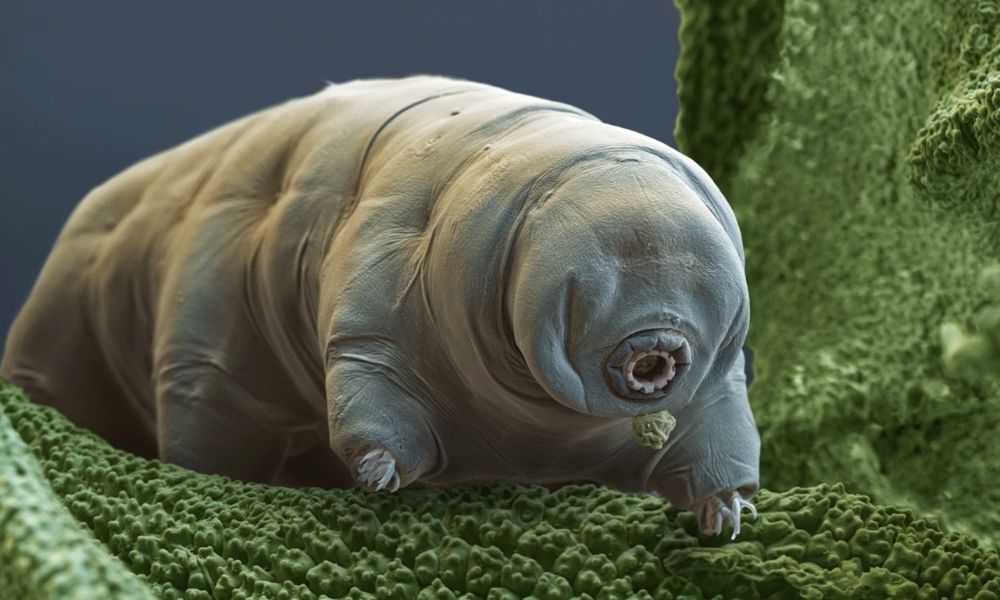
Fact 5: Ability to regenerate lost body parts
Tardigrades have amazing regenerative abilities. They can restore:
- Lost limbs
- Parts of the head
- Internal organs
- Even significant damage to the nervous system
Full recovery can take anywhere from a few days to a few weeks.
Fact 6: Unique reproduction method
Tardigrades exhibit a variety of reproductive strategies:
- Parthenogenesis - reproduction without fertilization
- Hermaphroditism - the ability to be both male and female
- Normal sexual reproduction
This flexibility allows them to quickly restore their population after unfavourable conditions.
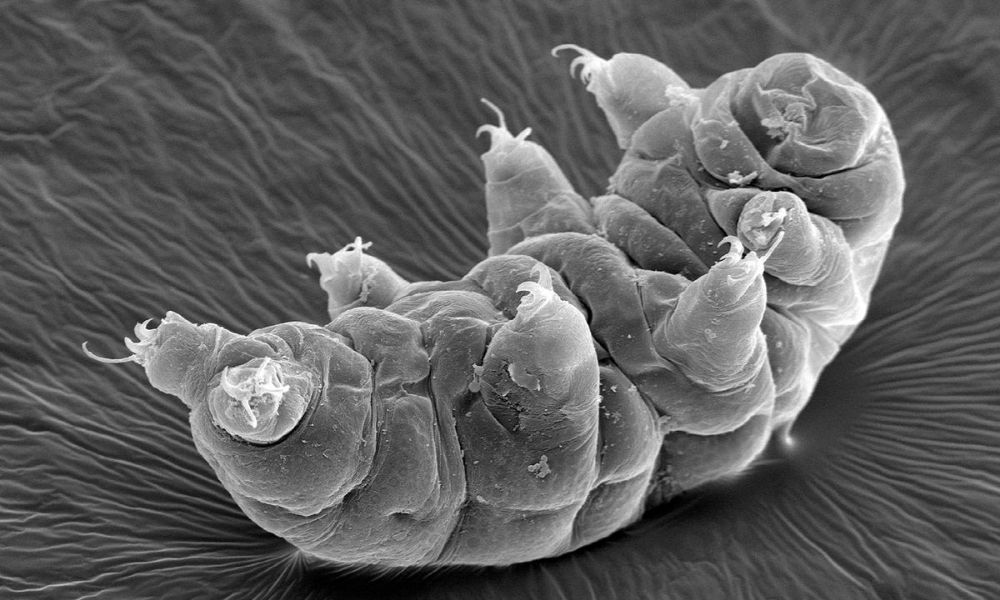
Fact 7: Ancient History of Evolution
Tardigrades are the oldest animals on Earth. Fossil evidence shows that they existed as early as 530 million years ago, during the Cambrian period. During this time, they remained virtually unchanged, demonstrating the sophistication of their adaptive mechanisms.
Fact 8: Microscopic in size, but complex anatomy
Despite their tiny size, tardigrades have a complex anatomy:
- A complete nervous system with a brain
- Muscular system
- Digestive system
- Excretory system
- Reproductive organs
All this fits into a body smaller than the head of a pin.
Fact 9: The diversity of species is astounding
There are over 1,300 known species of tardigrades, and their number is constantly growing. They are classified into three main classes:
- Eutardigrada - marine and freshwater species
- Mesotardigrada - intermediate group
- Heterotardigrada - predominantly terrestrial species
Each species is adapted to specific habitat conditions.
Fact 10: Significance for science and medicine
The study of tardigrades opens new horizons in various fields:
Medicine:
- Research into DNA repair mechanisms
- Development of organ preservation methods
- Study of aging processes
Cosmonautics:
- Understanding Space Survival
- Development of radiation protection systems
Biotechnology:
- Creation of new biomaterials
- Development of cryopreservation methods
Conclusion
Tardigrades are true superheroes of the microcosm, continuing to amaze scientists with their incredible abilities. Studying them not only expands our understanding of life on Earth but can also aid humanity in space exploration and the development of new medical technologies.
These microscopic creatures prove that size doesn't always matter—sometimes the smallest creatures are the most resilient and amazing on the planet.
Key findings:
- Tardigrades are the most resilient creatures on Earth.
- They are able to survive in space conditions.
- Their study benefits science and medicine.
- These organisms have been around for 530 million years.
The study of tardigrades continues, and each new discovery brings us closer to understanding the secrets of their incredible endurance.