






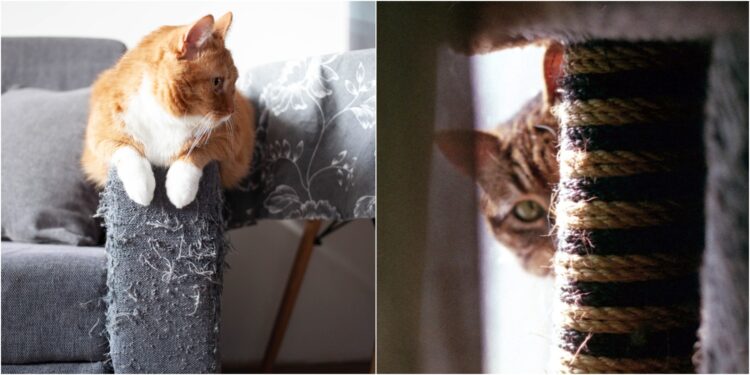
Our furry friends, cats, are undoubtedly among those elements that make life more bearable. However, life with cats is not without its challenges. Scratched furniture, torn carpets, and worn-out items are indispensable items in homes with cats. So, why do cats scratch? A study led by Associate Professor Yasemin Salgırlı Demirbaş of the Faculty of Veterinary Medicine at Ankara University, the results of which were published in a respected international peer-reviewed journal, provides an answer to this important question. The study also reveals why some cats scratch more than others and how to prevent this common behavior in cats. Let's explore the details together.
Scratched furniture, torn pillows, ripped carpets, damaged items… These are the inevitable attributes of homes where cats live.
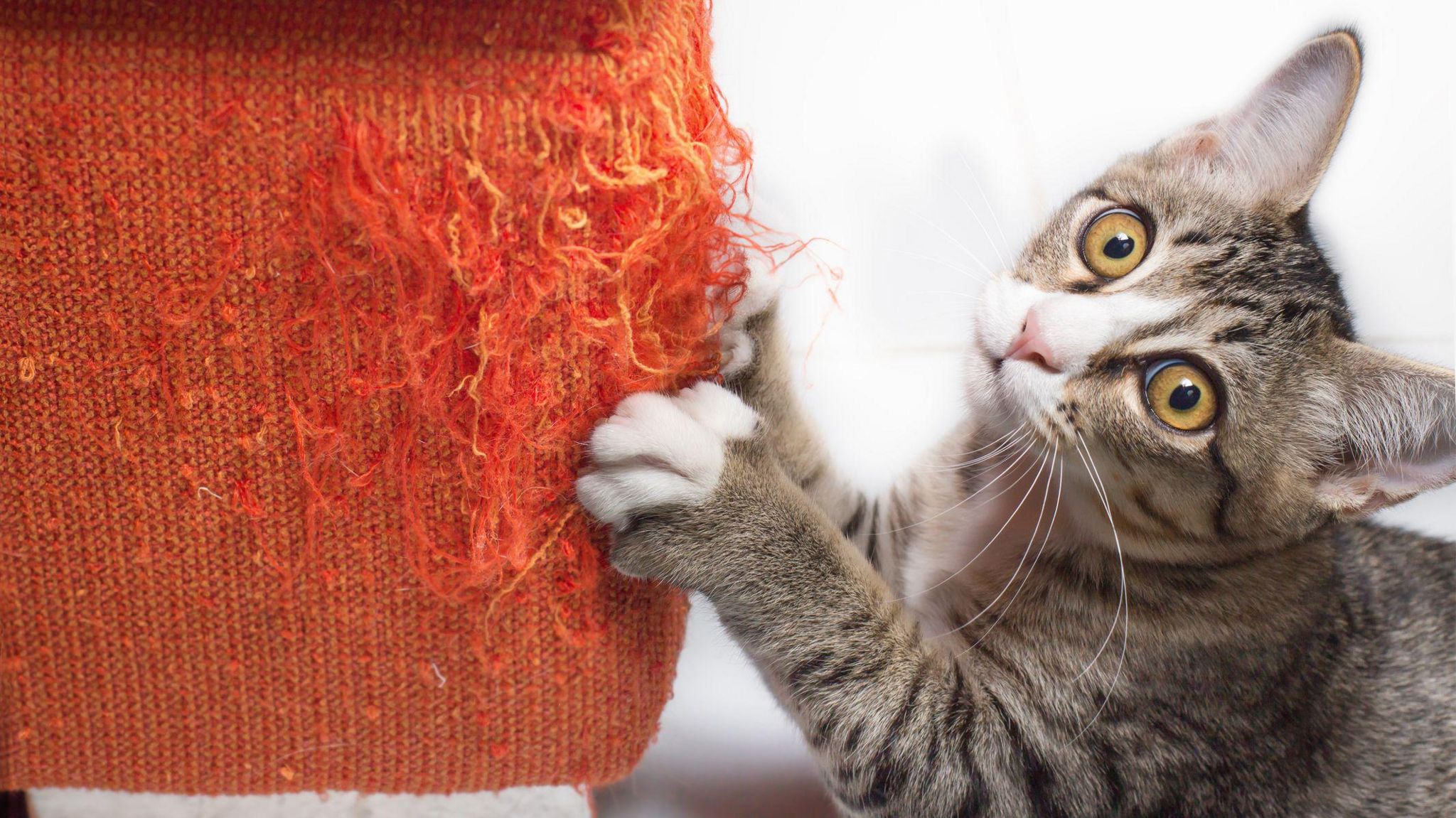
Yes, cats often use their sharp claws on harmless household items. Naturally, this scratching behavior can cause serious damage to many objects. But what are the main reasons cats scratch?
Why do cats scratch things?
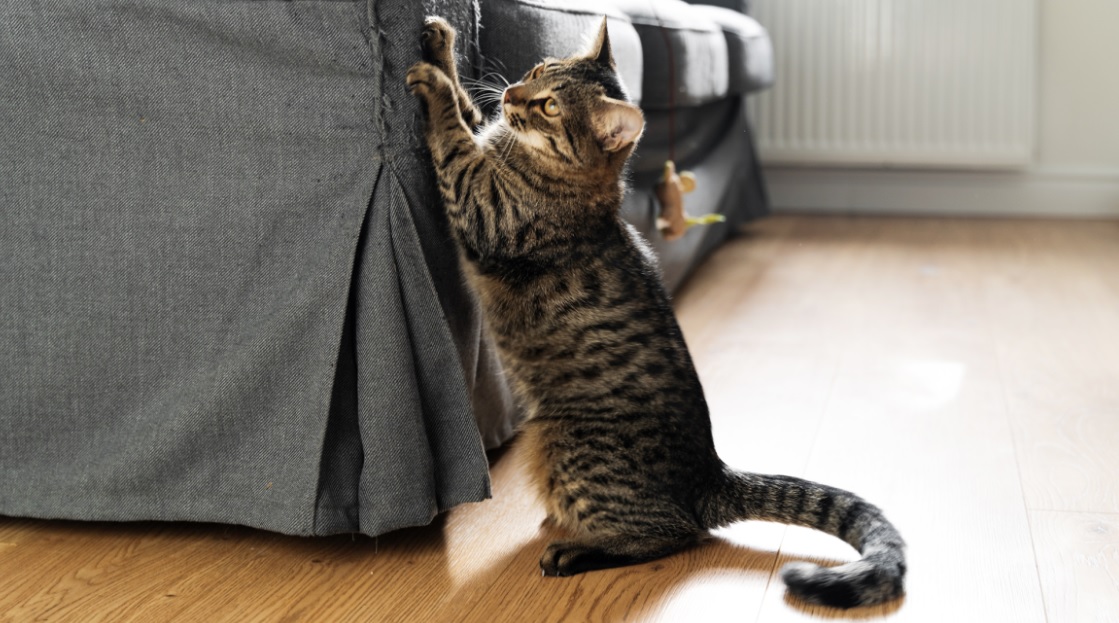
A study led by Associate Professor Yasemin Salgırlı Demirbaş from the Faculty of Veterinary Medicine at Ankara University provides an answer to this interesting question and explains how scratching in cats can be prevented.
According to a study published in the peer-reviewed journal Frontiers in Veterinary Science, there are several reasons why cats scratch more often.
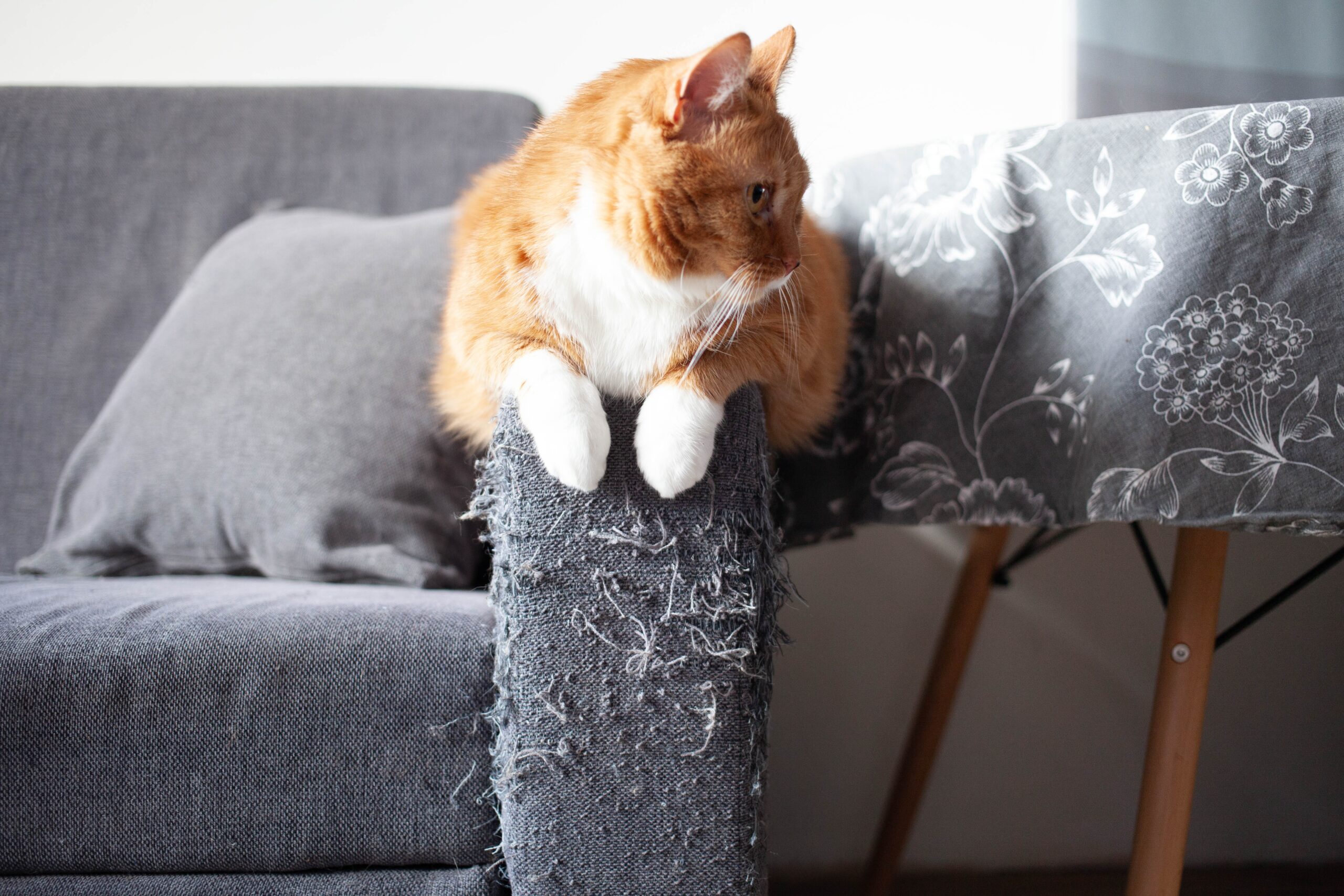
Cats may scratch objects to remove dead claw fragments or to mark their territory by leaving a scent. However, according to the study, the true reason is different.
A new study has found that stress is a major cause of scratching in cats.
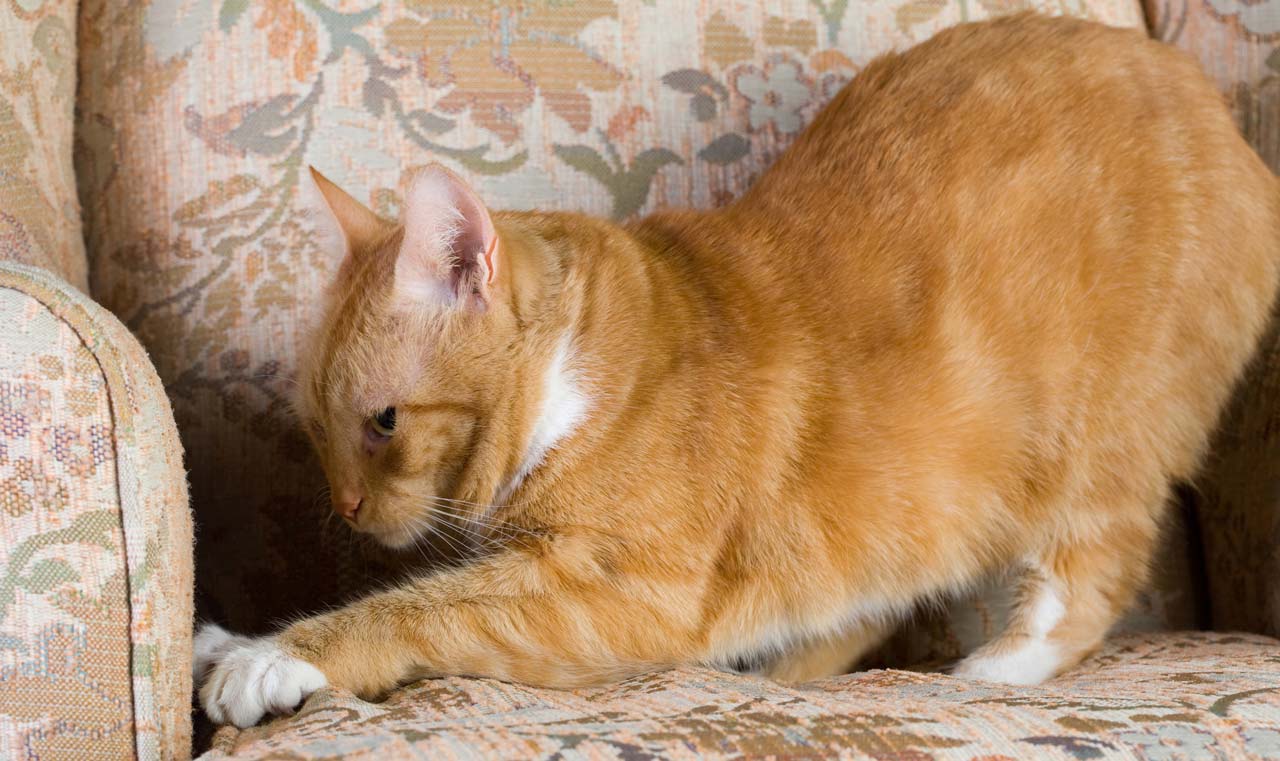
In this regard, scientists argue that scratching behavior is linked to the presence of children in the home and the frequency of play with the animals. Having small children in the home increases stress levels in cats, making scratching more common.
Long periods of play and nocturnal activity also cause cats to scratch more frequently.
Associate Professor Dr. Sağırli Demirbaş claims they have discovered a clear link between certain environmental and behavioral factors and scratching in cats. For example, if a cat is played with excessively indoors, it will be constantly stressed, which will increase its stress levels and lead to more scratching.
According to the study, scratching is more common in cats that are perceived as aggressive and disobedient.
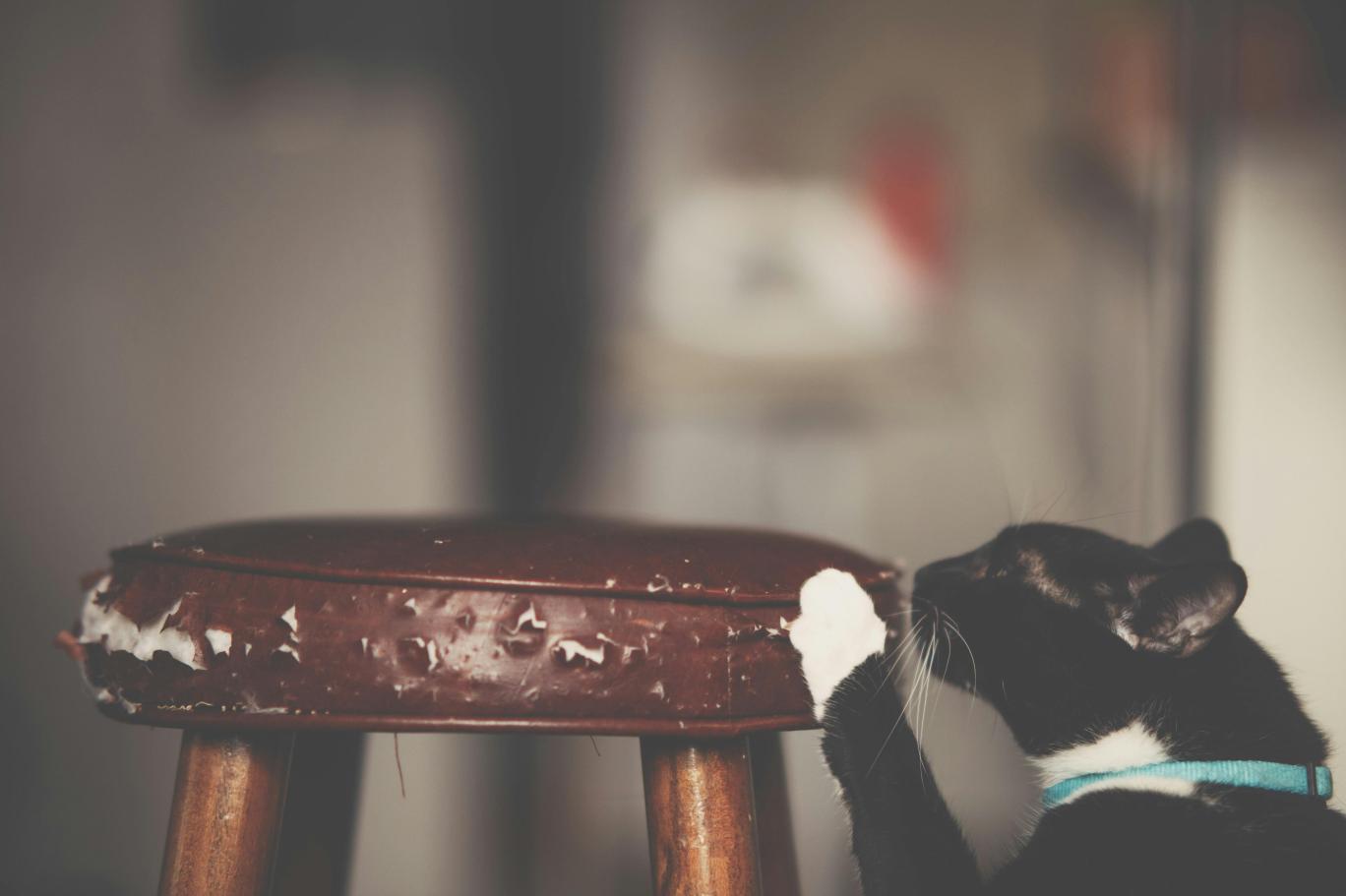
A study in which 1,200 people living with cats in France were interviewed about their pets' daily lives, personality traits, and scratching behavior revealed important data on the causes of scratching in cats. However, scientists are not satisfied with this. Experts also offer various tips on how to prevent unwanted scratching.
The research team suggests placing scratching posts in areas that cats are least likely to scratch.
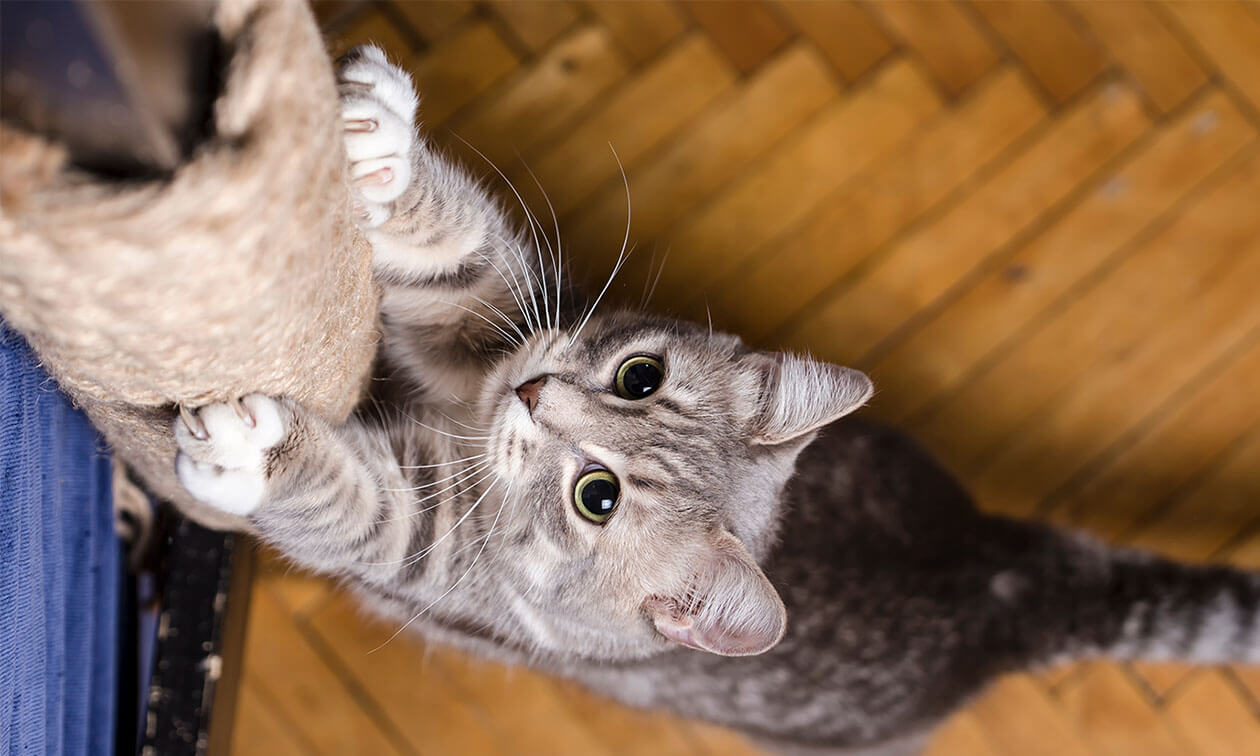
This way, you can protect your household items from cat claws. Experts also say that installing mechanisms that allow cats to perch on elevated surfaces and observe their surroundings can help reduce scratching. Furthermore, short-term playtime, which can help cats maintain their attention and reduce stress, is also said to be beneficial.
Cats' personality traits also determine the intensity of their scratching.

As we mentioned above, cats perceived as aggressive and unruly scratch more. So, when it comes to cat scratching behavior, there are some things that can't be changed. However, understanding the emotional causes underlying scratching, which are linked to personality traits and environmental factors, is essential for preventing this behavior. Experts say that responsibility in this regard falls on cat caregivers.