






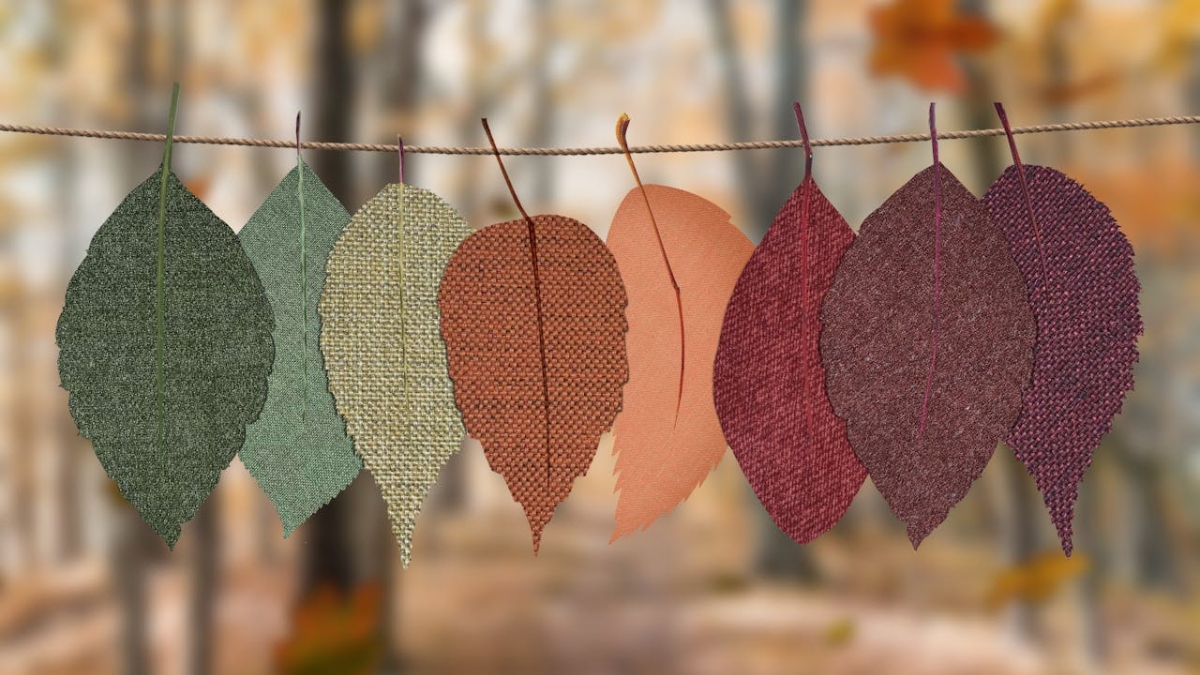
Autumn, the most romantic time of year, is known as the season of pastel colors. During this period, we most often see earth tones, yellow, and red. Walking through parks at this time, we see colorful leaves and see bare trees. But why? Have you ever wondered what causes this phenomenon that occurs every fall? It's time to learn why leaves change color with the seasons! Let's waste no time and figure out why leaves change color in the fall.
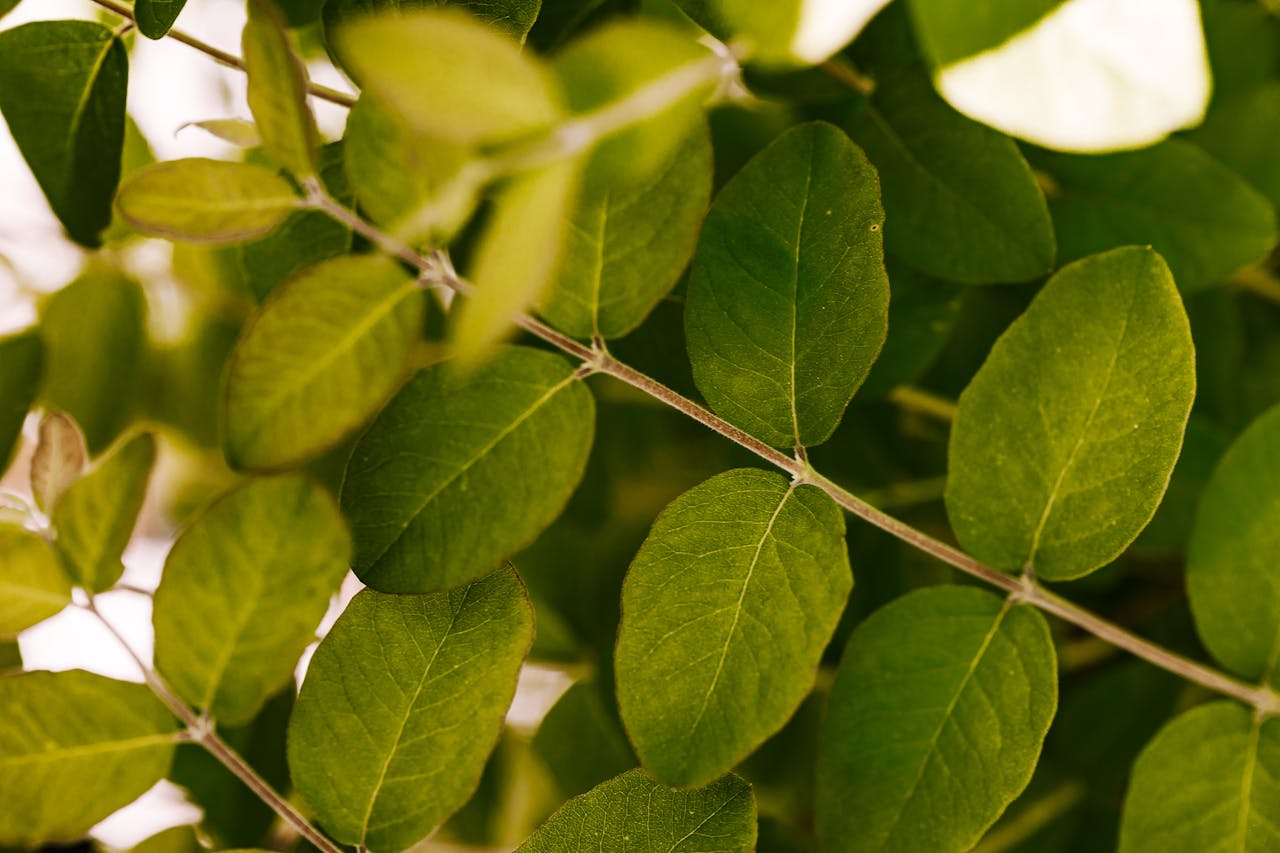
Every plant has pigments that give it a unique color. Chlorophyll is the most common pigment, which gives leaves their green color.
Carotenes are another common type of pigment that gives plants their orange color. Xanthophylls impart yellow hues to flowers, while anthocyanins impart red and purple hues. Plant colors also change depending on the season and the soil in which they grow. Depending on the season, you may see green, yellow, orange, red, brown, and even purple leaves.
Plants convert sunlight into chemical energy through the process of photosynthesis.
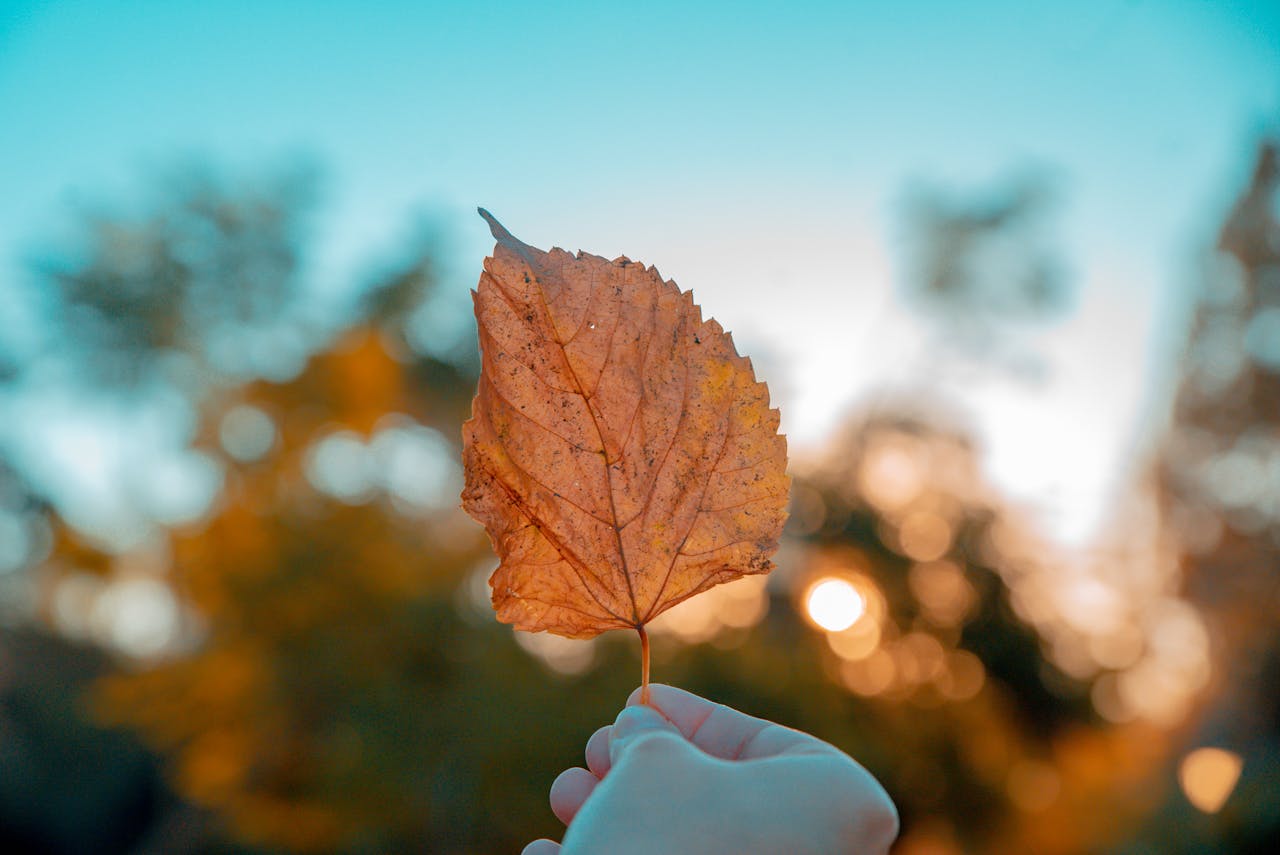
This process produces oxygen, nutrients, and other organic substances that support life on our planet. Chlorophyll is an integral part of this process.
As cold weather sets in in autumn, sunlight decreases. Since plants require less chlorophyll, this pigment begins to break down.

When this occurs, the green color of the plants fades. During this process, the orange pigment carotene becomes more pronounced, and the color of the leaves changes.
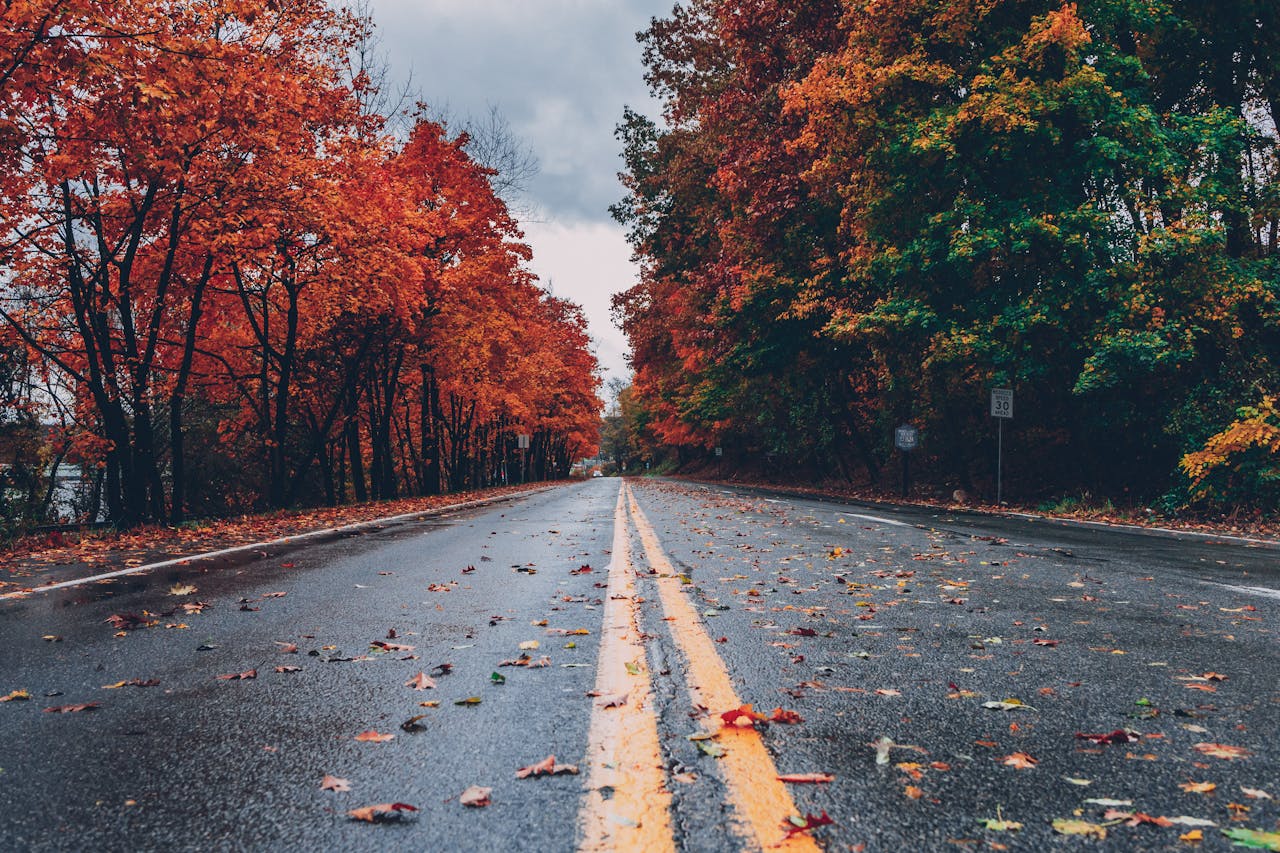
Other chemical changes occurring this season include the leaves of some tree species, such as oak and dogwood, which may turn red. For example, the anthocyanin pigment that gives leaves their red color begins to produce more color in the late summer in the leaves of some plants that store natural sugars. This increases the variety of colors in the fall.
Some trees, such as pine trees, remain green all year round, do not shed their leaves and continue to look lush into the winter months.
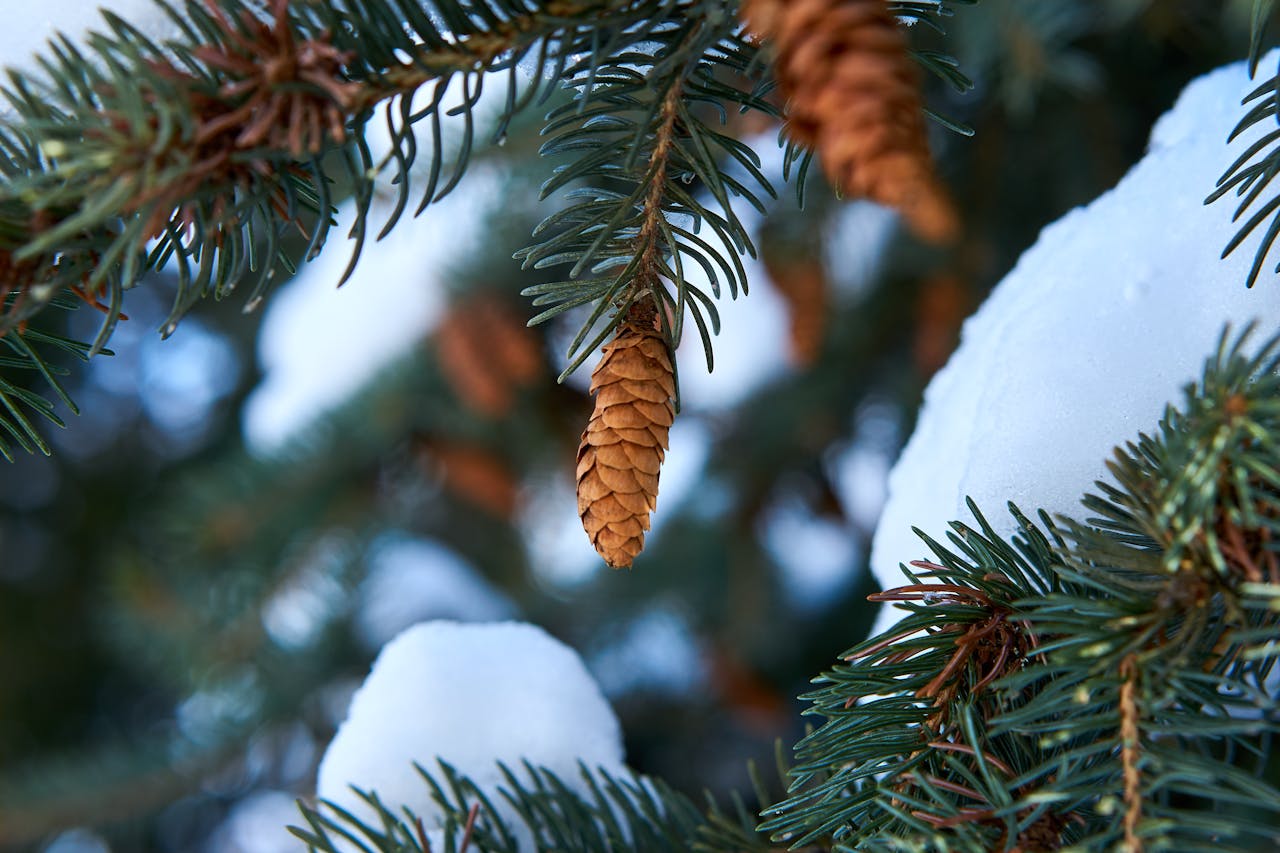
Among the evergreen trees are conifers. Some species, such as pine and fir, delight us with their lush green appearance, especially against the backdrop of a snowy winter landscape.
Coniferous trees protect their leaves during the cold winter months, creating an indispensable lifeline for wildlife.
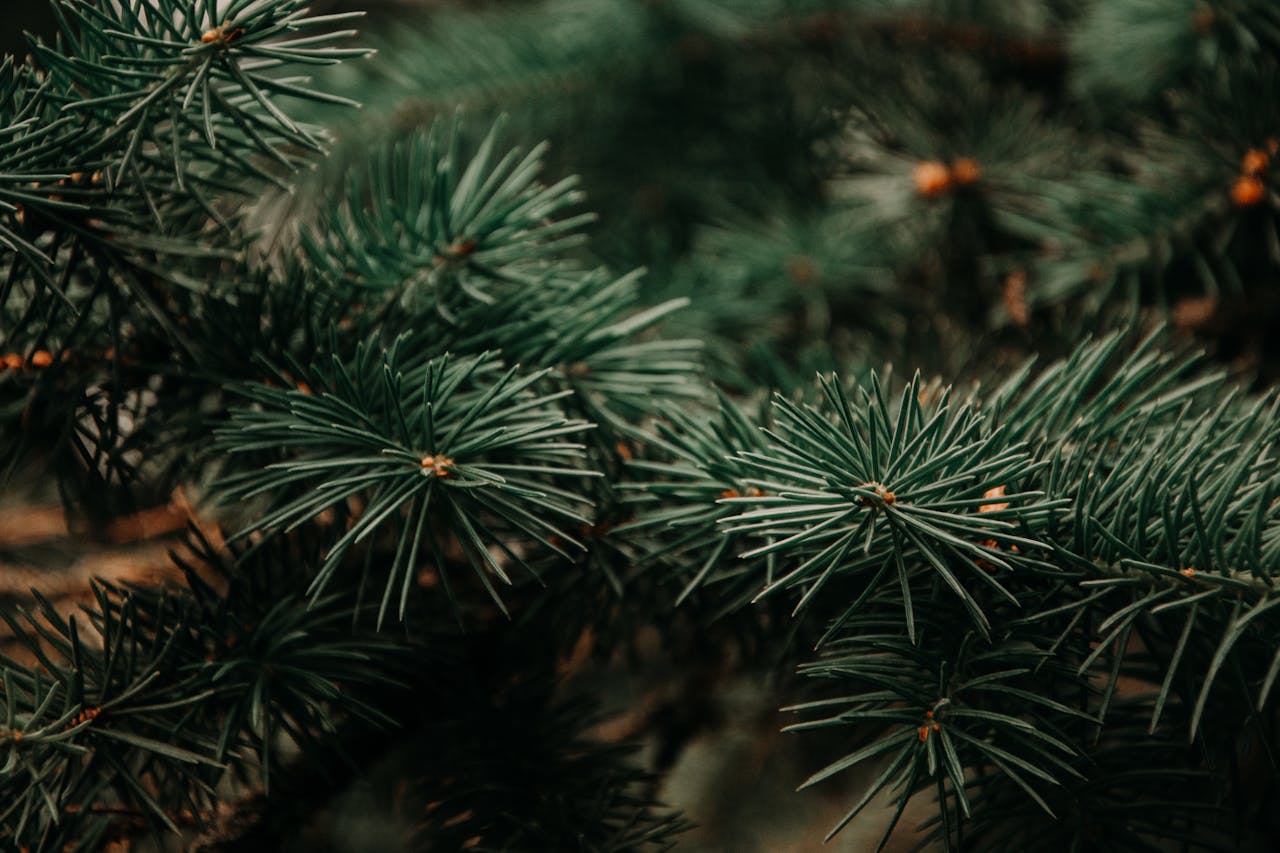
We've discovered the cause of the color change. So why do leaves fall in the fall? A number of chemical processes are behind this.
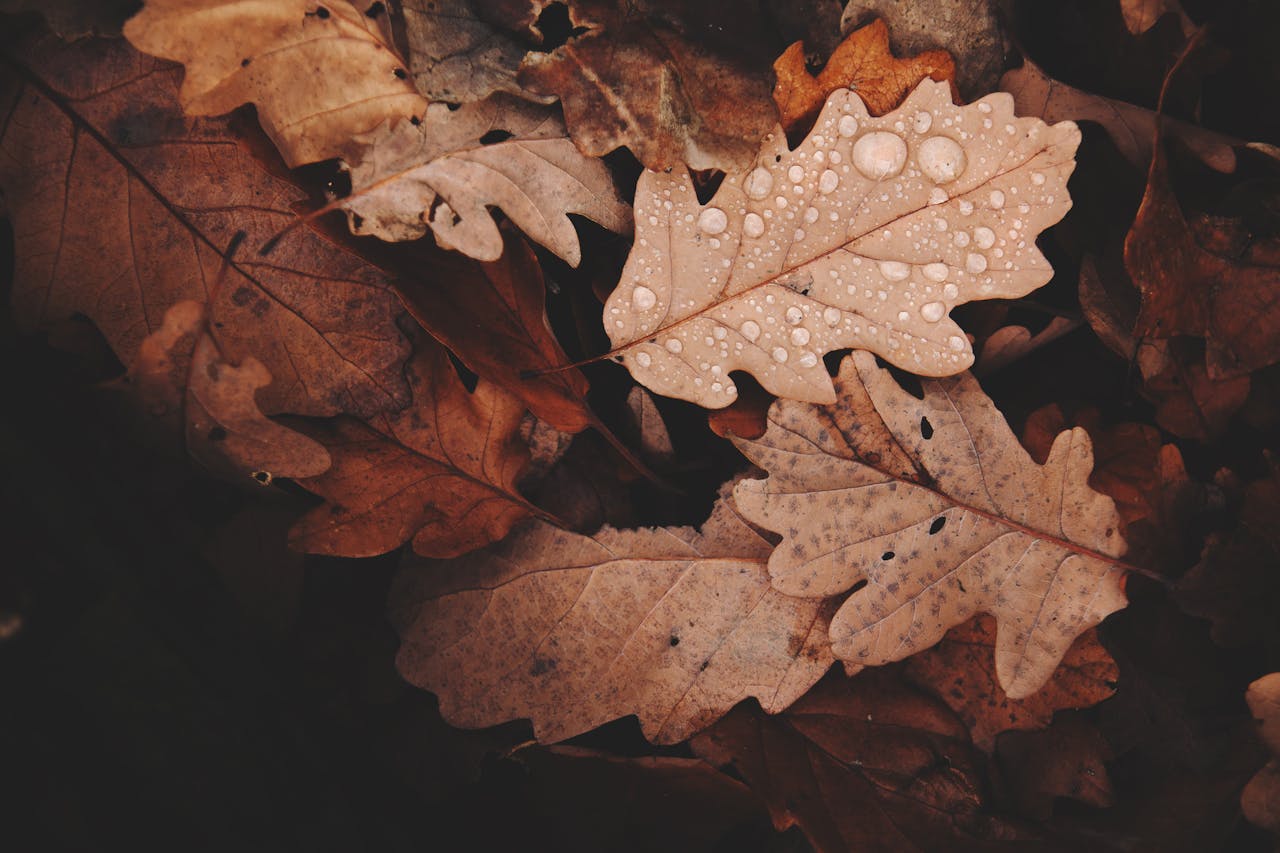
Leaves are supported by tendrils that hold them to the tree trunk. As autumn approaches, specialized cells grow in tree trunks. This creates a barrier between the tree and the leaf. Eventually, when the wind begins to pick up, the leaves become so weak that they can no longer hold on to the tree, and they fall to the ground.
While millions of leaves change color and fall from trees in autumn, some tree species remain green and support wildlife.
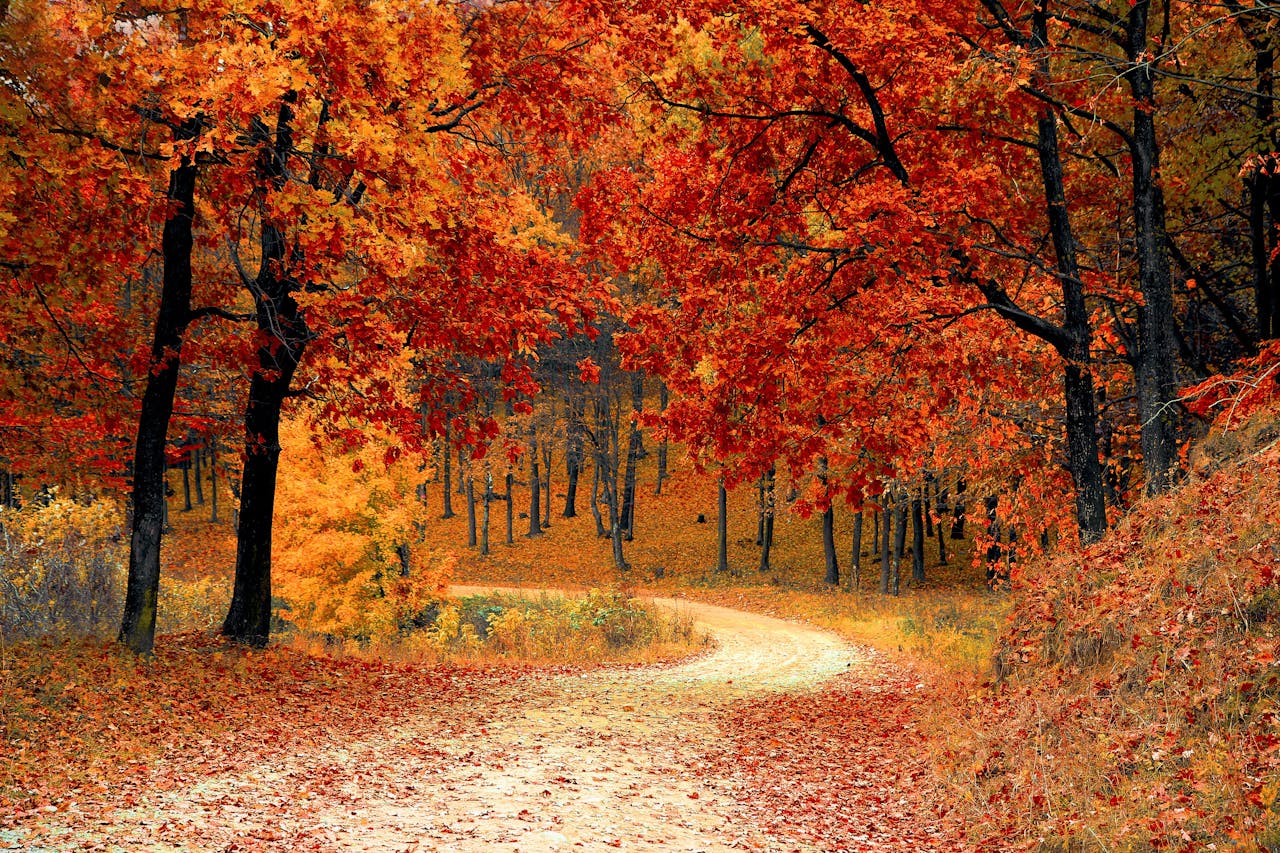
Now you know the answer to the question of why leaves change color in the fall. We've learned that it's due to chemical changes caused by weather and temperature conditions. Whether you're walking among brown leaves or experiencing romantic moments, you can now recall the complex chemical processes that cause this change!
Share your opinion in the comments!