







Construction and renovation aren't just about bricks, putty, and wallpaper. Behind every step are decades of experience, engineering solutions, and even psychological discoveries. We've compiled 10 little-known but fascinating facts that will help you rethink home improvement. interior, space layout, and even wall color selection. Some of these tips will change your idea of what a "proper" renovation should be—and could save you time, money, and stress.
1. The color of the walls affects not only the mood, but also the perception of space.
Many people know that light colors make walls feel larger. But few realize that shades also influence our behavior in a room. For example, blue and green shades reduce stress levels—ideal for a bedroom or study. And bright accents like orange or yellow increase energy and appetite, so they're often used in the kitchen or dining room.
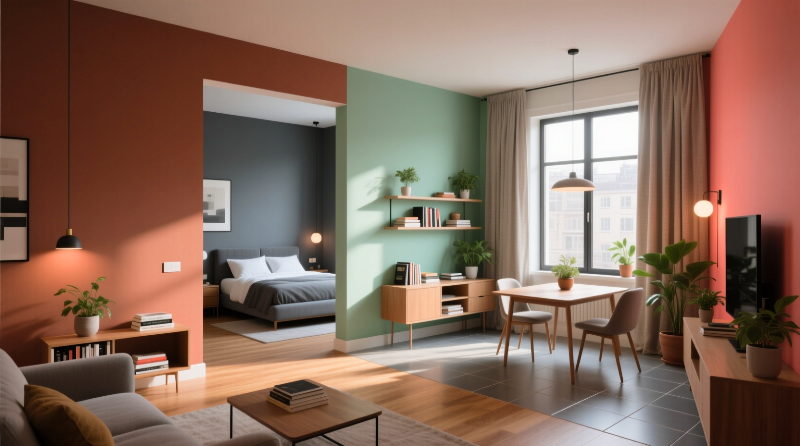
There's also a subtle nuance: glossy surfaces reflect light and make a room appear larger, but they also highlight any unevenness in the walls. Matte surfaces, on the other hand, conceal imperfections but absorb light. Therefore, choosing a paint finish is not only a matter of aesthetics but also a subtle play with geometry and lighting.
2. The first "smart" homes appeared in the 1930s.
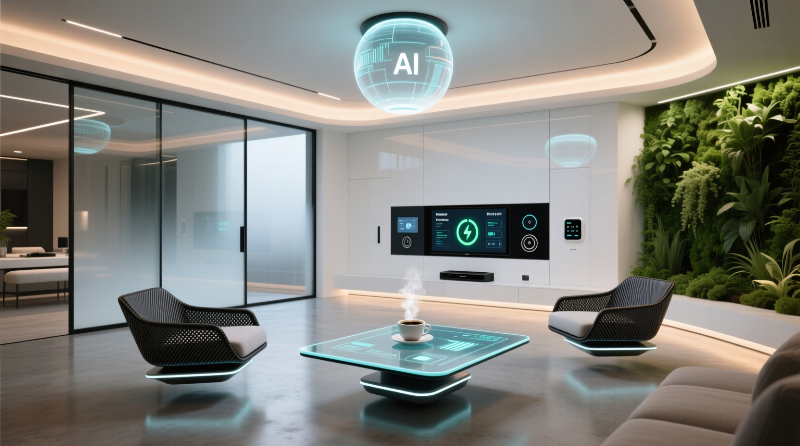
When people think of a "smart home," they think of Alexa, automated blinds, and motion sensors. But back in 1936, at the Chicago World's Fair, a General Electric house with a remote-controlled lighting and ventilation system was unveiled! Back then, it seemed like science fiction.
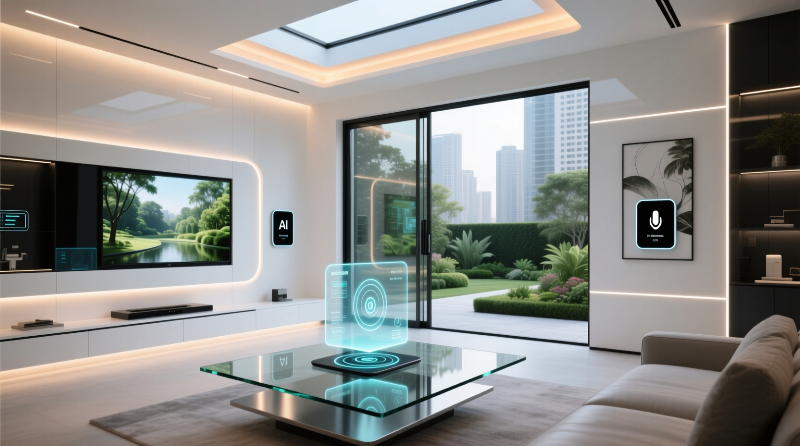
Today, technology has advanced greatly, but the essence remains the same: a home should serve people, not the other way around. When planning a renovation, it's worth considering the "infrastructure" in advance: installing cable channels, outlets, and ventilation grilles. Even if you're not ready to implement IoT devices now, leaving the possibility open for the future is a smart move.
3. Standard ceiling heights are a legacy of horse-drawn carriages.
The typical ceiling height in residential buildings is 2.5–2.7 meters. Why is this so? It's largely due to history: in the 19th century, the height of carriages was taken into account when building mansions, as their owners would exit their carriages directly into the hall. Ceilings were raised to create a sense of grandeur and spaciousness. In the mass construction of the 20th century, this standard was relaxed, but not eliminated.
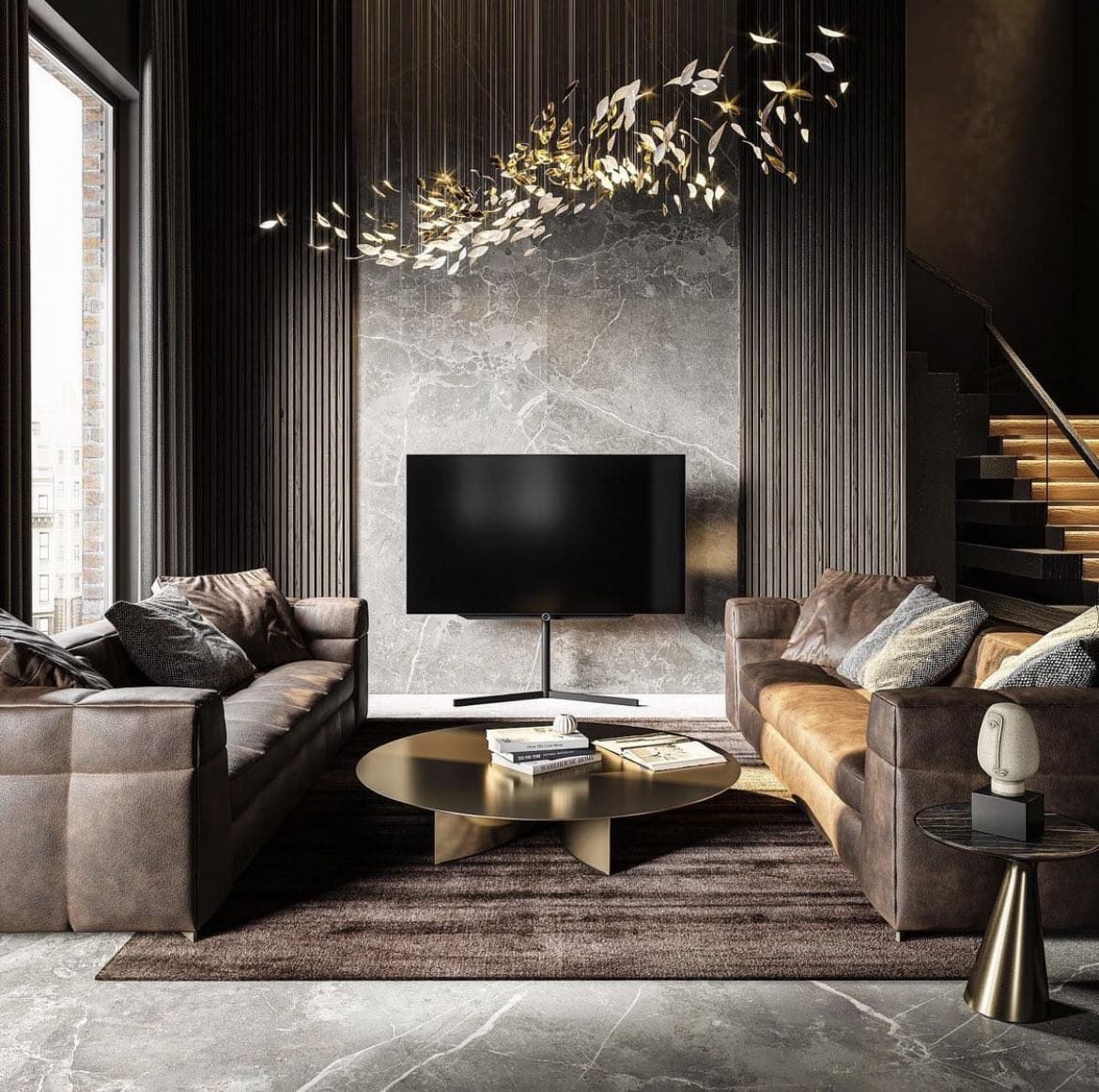
If you live in a panel building, ceiling height is likely limited. But even then, you can visually "elevate" the room: vertical stripes on the wallpaper, pendant lamps with long cords, and the absence of horizontal partitions—all of this contributes to the perception of space.
4. The most expensive building material is neither marble nor gold.
Many people think that a luxury renovation means marble floors and gilded doorknobs. But in fact, among the most expensive materials in the world are... aerogel. This ultra-light substance, 99.8% composed of air, has unique thermal insulation properties. A kilogram of aerogel costs tens of thousands of dollars.

Of course, you won't find it in an ordinary apartment. But it's a reminder: sometimes skimping on insulation or soundproofing can lead to long-term costs. Good thermal insulation isn't a luxury, but a necessity, especially in regions with harsh winters.
5. The kitchen is the most difficult area in terms of ergonomics
The "work triangle" rule (refrigerator, sink, stove) was first developed in the 1940s and remains the basis for kitchen design. The distance between the points should be no less than 1.2 meters and no more than 2.7 meters. Too close is cramped, too far is tiring.
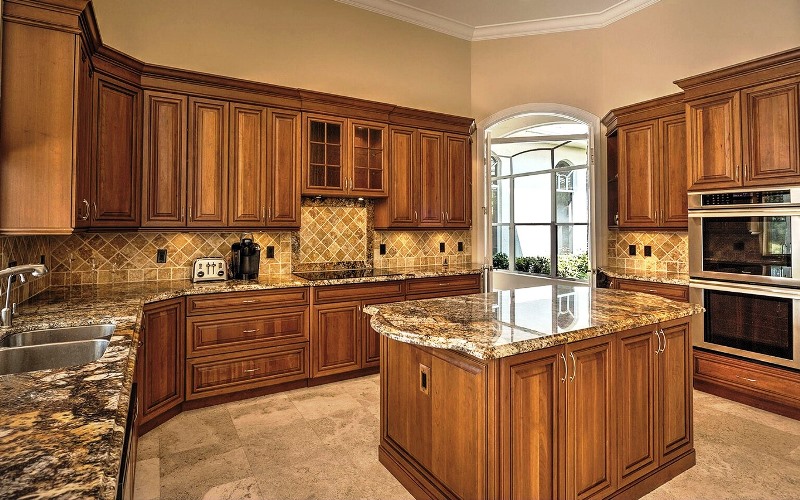
But modern kitchens This rule is increasingly being abandoned. For example, open floor plans are featuring islands, where cooking and dining take place in the same space. Flexibility is paramount here: pull-out outlets, hidden trash bins, and built-in dishwashers—all of this creates a comfort that even grandma's kitchen didn't offer.
6. Wood «breathes,» and this changes the climate in the house.
Natural wood isn't just beautiful—it regulates indoor humidity. When humidity rises, wood absorbs excess water, and when it drops, it releases it back. This is especially valuable in bedrooms and children's rooms, where a stable microclimate is critical.
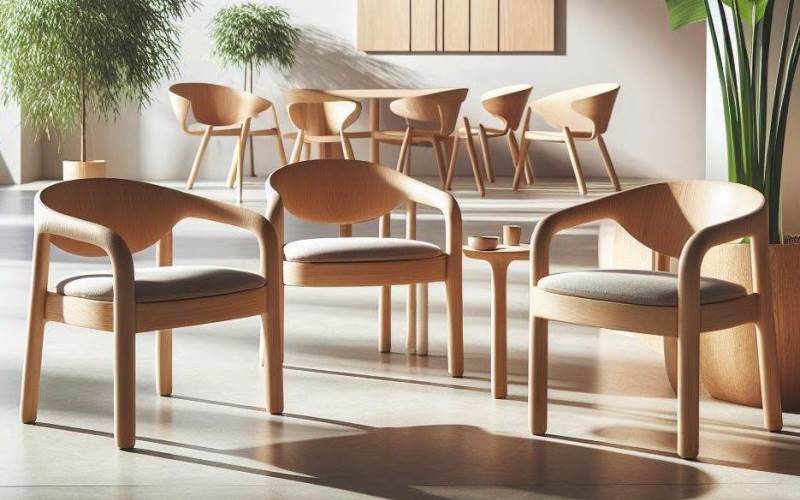
However, it's important to understand: not all wood is created equal. Solid oak or pine behave differently than chipboard or MDF. When renovating, it's important to choose materials not only based on appearance but also on their biological properties.
7. The bathroom can be energy efficient
We are used to thinking about the bathroom as a place of relaxation, not as a savings zone. Meanwhile, modern technologies allow for water consumption reductions of 30–50%. For example, aerators on faucets mix water with air—the jet seems powerful, but less liquid is wasted.
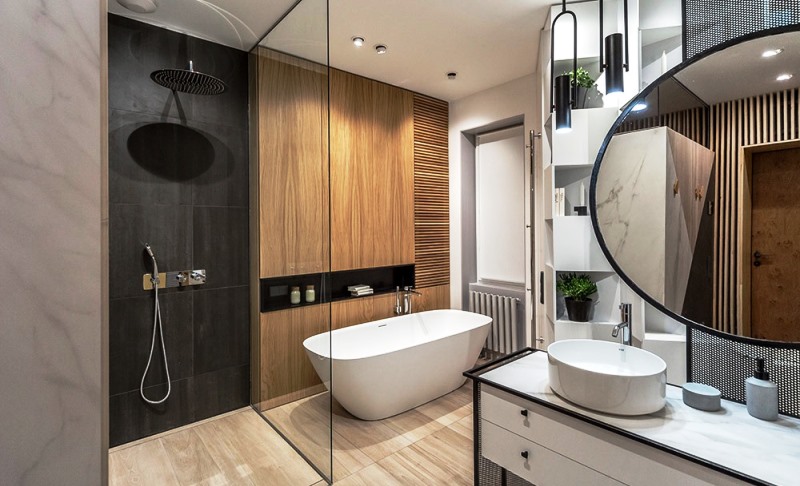
Another trend is underfloor heating with intelligent controls. Rather than heating 24/7, these systems are activated on a schedule or when motion is detected. This reduces energy consumption without compromising comfort.
8. Light is the main tool for zoning
In open floor plans, popular today, partitions are often replaced with lighting. Architects use three types of lighting: general (ceiling lights), accent (picture lighting, niches), and functional (table lamps, backsplash lighting).
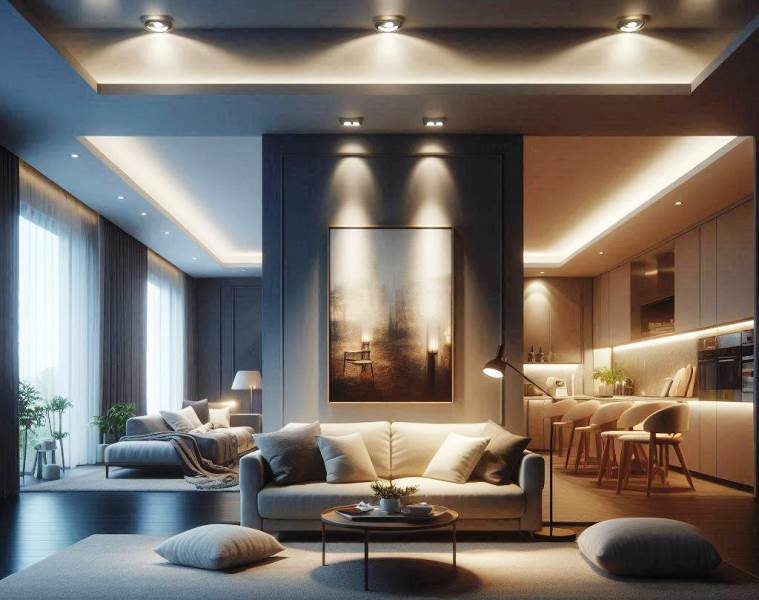
Correctly placed light sources allow you to divide the studio into living room, dining area, and work area—without a single wall. Warm (2700–3000K) or cool (4000–5000K) light sets the mood for every area of the space.
9. Noise is the hidden enemy of comfort
Many people focus on appearance, forgetting about soundproofing. However, even in a luxury building, you can suffer from neighbors' noise if the walls and floors are not properly prepared. This is especially true for apartments in new residential complexes with thin partitions.
Effective soundproofing begins with the subfloor: cork underlayment, floating screeds, and acoustic membranes. The walls are covered with multilayer structures filled with mineral wool. This takes time and budget, but the results are worth it: silence in your home is not a luxury, but a fundamental component of comfort.
10. The best renovation is one that takes your lifestyle into account
Most fashion trend In recent years, personalization of space has become a trend. Designers increasingly begin not with choosing a style, but with questions like: "How do you spend your mornings?", "Where do you work?", "Do you often host?"«
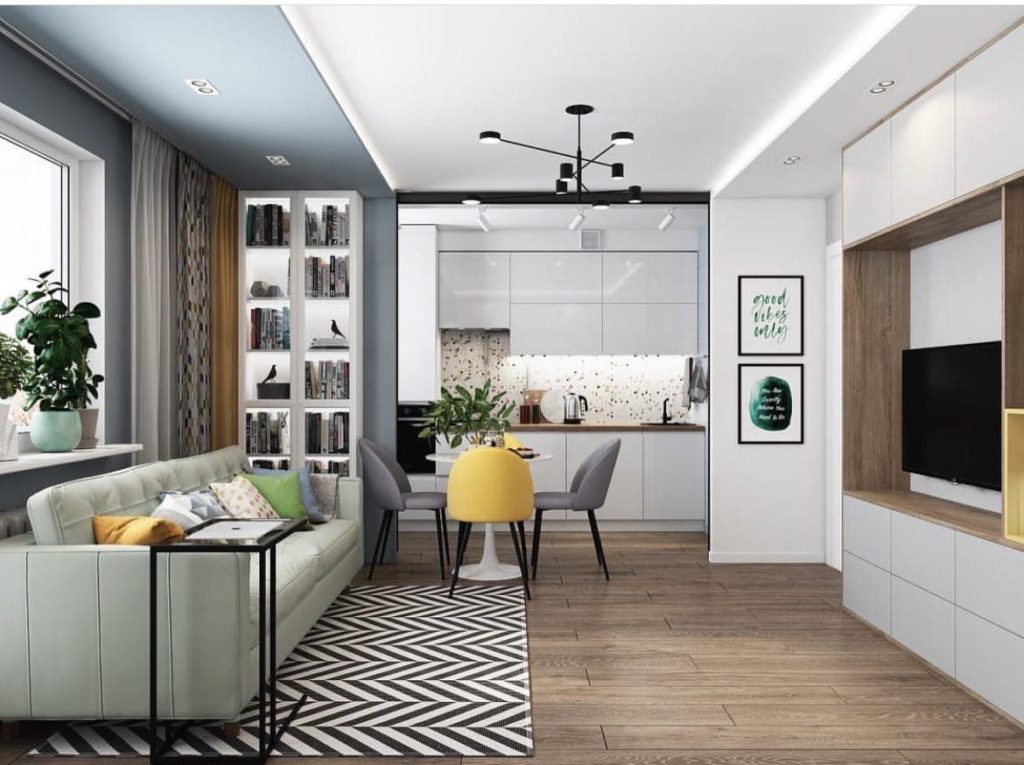
If you love to cook, the kitchen becomes the center of the home. If you work from home, you need a bright, quiet corner with good ergonomics. If you have children or pets, practicality is more important than impeccable appearance. A successful renovation isn't about copying other people's designs, but about creating an environment where you feel your best.
Conclusion
Construction and renovation are at the intersection of science, art, and everyday life. Sometimes it seems like everything has already been invented, but in reality, each project is a unique story. Knowing these 10 facts will help you make more informed decisions: from choosing paint colors to planning electrical outlets.
And most importantly, remember: a home shouldn’t just look beautiful, but work for your comfort, health, and inspiration.