






An experimental mRNA-based drug has been discovered for the first time that can stop the spread and recurrence of melanoma, potentially marking a breakthrough for people with the life-threatening skin cancer.
A vaccine called Intismeran, which is tailored to each patient, successfully prevented melanoma from recurring or spreading in people who had surgery to remove the tumor when used in combination with another cancer drug, Keytruda, pharmaceutical companies Merck and Moderna reported Wednesday.
«"These Phase 3 clinical trial results represent a turning point for cancer research," Moderna CEO Stéphane Bancel said in a statement. "Together with Merck, we have begun to demonstrate the transformative potential of this technology to address critical unmet needs in adjuvant melanoma therapy.".
Melanoma is the deadliest form of skin cancer. According to the American Cancer Society, approximately 112,000 new cases of melanoma are expected in the United States this year, and more than 8,500 Americans will die from the disease.
Only about a third of patients with the most severe form of the disease survive five years after diagnosis, researchers say.
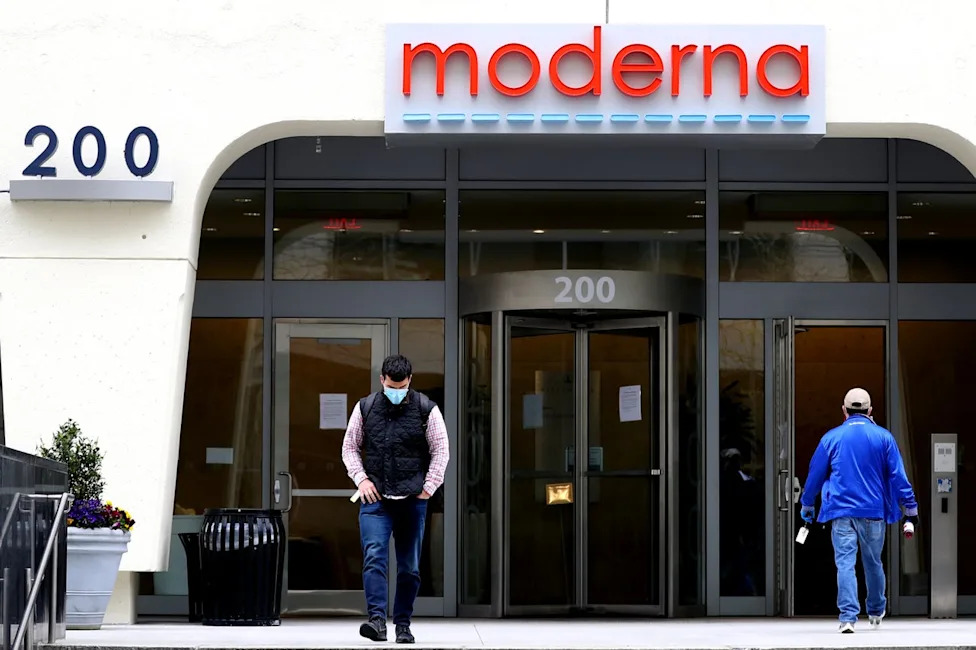
On Wednesday, pharmaceutical companies Moderna and Merck announced the development of a new personalized mRNA skin cancer vaccine that successfully prevents recurrence and spread of the cancer (Getty).
The companies did not report how long patients taking the drug combination survived without their cancer progressing. According to the data The Wall Street Journal , with more details expected to be presented at a medical conference later this year.
The study involved more than 1,000 patients who took either a combination of Intismeran and Keytruda or Keytruda alone for nearly a year.
Previous studies using this drug have shown that the risk of relapse or death is reduced by almost half compared to using Keytruda alone.
«It is not yet clear when doctors will be able to access this drug combination,» she told the publication. The Independent Dr. Nina Bhardwaj, director of the Division of Immunotherapy at the Icahn School of Medicine at Mount Sinai Hospital.
However, Merck and Moderna are also studying the vaccine in trials to treat other forms of cancer, including lung, bladder, and renal cell cancer.
«"This is an exciting time for cancer immunotherapy. Vaccines are likely to be transformative in certain settings where cancer incidence is low," said Bhardwaj, who also holds the Ward-Coleman Chair in Cancer Research at the institution.
A personalized approach to treating tumors in patients is an "important step forward" towards creating more effective anti-cancer drugs, she explained to the publication. The Independent Dr. Karen Knudsen, Executive Director of the Parker Institute for Cancer Immunotherapy.
«"The biological basis for this phenomenon is compelling, and the study provides clinical support for the feasibility of combining tumor-specific immune activation with checkpoint blockade therapy. This represents the next frontier of cancer immunotherapy, which involves not simply activating the immune system but 'training' it to attack it," she said.
This image, provided by the Centers for Disease Control and Prevention, shows melanoma. Melanoma is the most deadly form of skin cancer (CDC).
But Knudsen, a former executive director of the American Cancer Society, said questions remain about the drug's effectiveness, and Dr. Michael Postow, director of melanoma services at Memorial Sloan-Kettering Cancer Center, who was involved in the study, said researchers are still waiting for full trial data.
«"It will be important to understand the absolute benefit and overall survival data. Longer-term follow-up is needed to determine whether enhanced tumor-specific immunity truly leads to sustained prevention of relapse and metastatic disease," Knudsen said.
«"We await full data from the phase 3 clinical trials, but this approach could mark an important new chapter in personalized immunotherapy for melanoma and potentially other cancers," Postow said.
The treatment wasn't effective for everyone, said Dr. Christina Annunziata, senior vice president of non-profit research at the American Cancer Society.
«"That's why we need to continue developing new ways to prevent melanoma recurrence. Currently, the following options are available (FDA-approved): immunotherapy with Keytruda (pembrolizumab) or Opdivo (nivumab). Or, if the melanoma has a known BRAF mutation, a combination of dabrafenib and trametinib can be used," she said.
The risk of melanoma recurrence always hangs over the shoulders of patients with this disease, Kylie LiPira, CEO of the Melanoma Research Foundation, told the publication The Independent .
«"Melanoma is a very insidious cancer that tries to evade the immune system, so these positive study results give hope not only to patients who have had their stage IIB-IV melanoma completely removed, but also give them another tool in their arsenal!" she said.