









Entrepreneurship is often portrayed as a combination of vision, enterprise, and luck. But a closer look at people who create long-lasting businesses across various industries reveals a different picture. The most successful entrepreneurs rely on more than just inspiration—they develop consistent ways of thinking, making decisions, and acting.
The business lessons below show how today's most successful entrepreneurs navigate uncertainty, scale ideas, and stay relevant as markets evolve, from fintech to consumer brands and media empires.
Lesson 1: Solving Complex Problems at Scale – Guillaume Pouzaz, Founder, Checkout.com
Guillaume Pouzaz founded Checkout.com with a single goal in mind: ensuring reliable online payments across borders. Instead of chasing trends, he focused on solving the complex challenges genuinely faced by global merchants. By quietly solving a painful infrastructure problem, Checkout.com became one of the most valuable fintech companies in the world.
Entrepreneurial point of view: The biggest opportunities often lurk behind the dullest problems, especially when they scale globally.
Lesson 2: Be Prepared to Self-Destruct – Reed Hastings, co-founder of Netflix
Reed Hastings famously transitioned Netflix from DVDs to streaming, and then to creating its own content—each time disrupting an already-functioning business model. These moves were risky, unpopular within the company, and costly, but they allowed Netflix to stay ahead of industry changes rather than react to them.
Entrepreneurial wisdom: The hardest competitor to beat is your own past successes.
Lesson 3: Build for the user others ignore – Whitney Wolfe Herd, founder of Bumble.
Whitney Wolfe Herd founded Bumble, developing a dating platform where women make the first move. It wasn't just a solution, but an entire concept. With its emphasis on safety, respect, and user control, Bumble stood out in a crowded market and created a brand with cultural significance.
Business idea: Designing for users who are often ignored can open up entirely new markets.
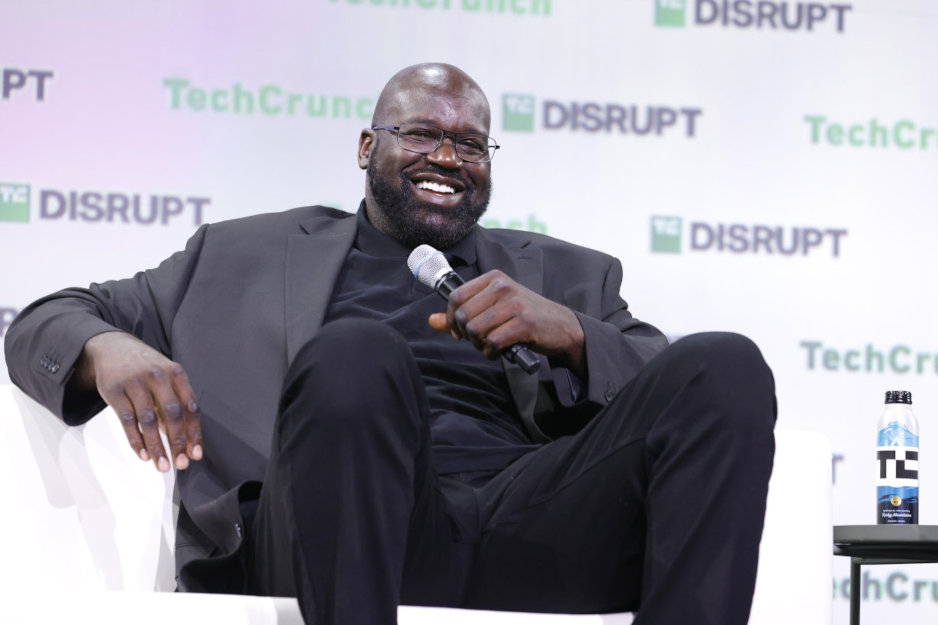
Lesson 4: Turn Your Brand into a Business Driver – Shaquille O'Neal, Entrepreneur and Investor
Shaquille O'Neal turned his fame into a long-term entrepreneurial advantage by investing in brands he truly believed in, from restaurant chains to tech startups. He focused less on endorsements and more on owning his own business, using his credibility and notoriety to accelerate its growth.
Entrepreneurial point of view: Personal branding develops most quickly when combined with property ownership rather than promotion.
Lesson 5: Build Trust First, Scale Later – Robert Herjavec, Founder, Herjavec Group
Robert Herjavec built his cybersecurity business by prioritizing trust in this highly competitive industry. Long before cybersecurity became a public domain, he earned the trust of corporate clients by providing reliable solutions, not superficial data.
Entrepreneurial point of view: In complex industries, reputation develops faster than marketing.
Lesson 6: Design for Collaboration, Not Control – Dylan Field, Co-Founder of Figma
Dylan Field reimagined design software, making it collaborative and browser-based. Figma didn't just improve tools—it transformed how teams collaborate in real time. This focus on accessibility and collaboration has helped Figma grow organically across organizations.
Entrepreneurial Insight: Products that eliminate friction between people grow faster than those optimized exclusively for power users.
Lesson 7: Build from Life's Moments – Shan-Lin Ma, co-founder of Zola.
Shan-Lin Ma founded Zola, building a platform around weddings—one of the most emotional moments in life. By combining planning, commerce, and content into a single service, Zola became more than just a wedding registry; it became a trusted companion.
Entrepreneurial point of view: Companies that align with key life stages enjoy greater customer loyalty.
Lesson 8: Buy a Profitable Business, Then Grow It – Cody Sanchez, Entrepreneur and Investor
Cody Sanchez popularized a different approach to entrepreneurship: acquiring profitable, often undervalued, businesses rather than starting one from scratch. By focusing primarily on cash flow, she reimagined entrepreneurship as a discipline based on ownership, not invention.
Business idea: To become an entrepreneur, you don't need an idea for a startup—you need control over income-generating assets.

Lesson 9: Simplify, then scale – Sara Blakely, founder of Spanx
Sara Blakely founded Spanx with a single product and a clearly defined value proposition. She avoided overcomplication, focused on product quality, and used customer feedback to plan expansion. This discipline helped Spanx scale without losing its identity.
An insightful takeaway from entrepreneurship: Simplicity is not a limitation, but a growth strategy.
Lesson 10: Focus on Data-Driven Healthcare – Anne Wojcicki, co-founder of 23andMe
Anne Wojcicki challenged the traditional healthcare model by giving people access to their own genetic data. While her approach was controversial, it pushed the discussion toward preventative, personalized, and data-driven medicine.
Entrepreneurial approach: The industries that face the most resistance often have the greatest potential for reinvention.
Conclusion: Entrepreneurship is a mindset.
What unites these entrepreneurs isn't their background, industry, or personality, but their approach to decision-making. They focus on leverage, not hype. They build trust, not scale. And they understand that entrepreneurship isn't a single moment of risk, but a series of disciplined decisions made over time. In a world that values speed, these lessons remind us that true competitive advantage lies in sustainability.
Main
- The greatest opportunities often lie within difficult or unattractive problems.
- Companies that succeed over the long term change themselves for the better before the market forces them to do so.
- User-centered design creates both loyalty and differentiation.
- A sense of ownership and trust accumulate much more reliably than attention.
- Sustainable entrepreneurship is built on systems, not shortcuts.
Frequently Asked Questions
Do entrepreneurs need to be innovative to succeed?
Not necessarily. While innovation can be a powerful advantage, many successful entrepreneurs thrive on execution, timing, and distribution, not invention. Entrepreneurs like Cody Sanchez and Robert Herjavec demonstrate that refining existing models, acquiring profitable businesses, or building trust in established markets can be just as effective as launching something entirely new.
Is it better to start a company than to buy one?
Neither path is inherently better than the other; they simply suit different risk profiles and skill sets. Starting your own company offers creative control and growth potential, but comes with greater uncertainty and a longer timeframe. Buying an existing business provides immediate cash flow and proven demand, but requires operational discipline and capital management. Both are valid entrepreneurial strategies.
How important is personal branding for modern entrepreneurs?
Personal branding can significantly accelerate the development of trust, partnerships, and customer acquisition, especially in crowded markets. However, it only works when backed by real value. Entrepreneurs like Shaquille O'Neal succeed because their brand is rooted in ownership, credibility, and long-term engagement, not superficial advertising.
Can simplicity really scale in complex or competitive markets?
Yes, in fact, simplicity often becomes a competitive advantage. Products and services that are easy to understand, implement, and use tend to spread faster and retain customers longer. Founders like Sara Blakely and Dylan Field demonstrate that reducing user barriers can drive growth even in complex industries.
What is the most common mistake entrepreneurs make when starting out?
One of the most common mistakes is prioritizing rapid growth before achieving clarity about the problem being solved, the customer being served, and the economics of the business. Many failures arise not from a lack of effort, but from confusion about scaling. The entrepreneurs featured here consistently focused on fundamentals before accelerating.