






So, you think you know everything about your brain? Wait a minute—a door to the world of gray matter is about to open so wide you'll forget about the "ten percent" and start looking at yourself with new respect. Because the brain isn't just "something in your head." It's an orchestra of 86 billion neurons, the conductor of which you can't even see, yet sings a hymn of silent gratitude every day. And sometimes, he even curses, especially when you're sleep-deprived.
I've always found it funny: we meticulously take care of our skin, teeth, even our joints, but we only remember about our brain when it's already sending out SOS messages in the form of forgotten keys, missed appointments, or a sudden "what was that guy's name from third grade?" Meanwhile, this same brain—it doesn't just think. It makes us who we are. It builds bridges between the past and the future, paints dreams, gives us goosebumps from music, and makes us swoon with love. And yet—yes, it holds within itself a ton of paradoxes, traps, and even a good dose of comedy.
1. Multitasking is a myth. And a pretty harmful one.
Imagine you're in a meeting, texting on Messenger, and listening to a podcast about pyramid schemes. "I'm so productive!" you think. Meanwhile, your brain is panicking: "Who's in charge here?!" Because multitasking is actually an illusion. We're simply rapidly switching between tasks, like a frantic DJ skipping from one track to the next. And each jump eats up to 40% of your efficiency!
And it's not just "a little tired." It means you're having trouble remembering things, losing the thread of conversations, and then wondering, "How come I forgot to turn off the iron?" It's simple: your brain doesn't have time to consolidate information into long-term memory. It's like a schoolchild who's simultaneously assigned to write an essay, solve an equation, and memorize a poem—and ends up learning nothing. So, if you really want to think, create, and solve problems, close those tabs. Not all at once, but at least one at a time. Your brain will thank you for it—quietly, but gratefully.
2. Until age 25, the brain is in beta testing

Teenagers aren't stupid. It's just that their prefrontal cortex, responsible for informed decision-making and impulse control, hasn't yet been fully developed. It's still in development. That's why an 18-year-old "adult" can both pass an exam with flying colors and get into a fight over a trivial matter on the same morning. Their brain is still learning how to be "adult.".
This isn't an excuse, but an explanation. And a reminder: the more good habits you develop in your youth—reading, exercising, socializing without screens—the stronger the foundation of your "adult" mind will be.
3. The brain doesn't feel pain. It only controls it.
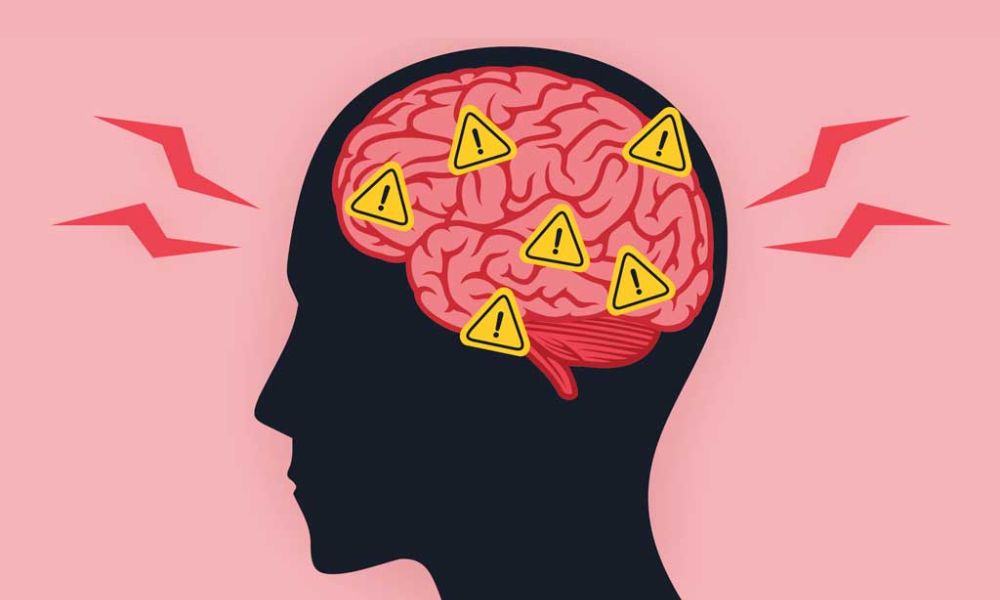
It's a paradox: the brain controls pain throughout the body, but it has no pain receptors itself. That's why, during brain surgery, the patient is sometimes kept conscious—to monitor reactions in real time. It sounds like a scene from science fiction, but it's reality. And what about headaches? That's the meninges, blood vessels, and surrounding nerves screaming. The brain, however, remains silent. Ironic, right?
4. A baby's brain is a supercomputer in rapid growth mode.

In the first year of life, a child's brain triples in size! By age five, it's ready for 90%. And it's all thanks to... you. Conversations, songs, silly faces, bedtime stories. A baby's brain is like a sponge: it absorbs everything. And the more you give, the more neural connections are built. That's why communication isn't just "cute." It's true neuroscientific therapy.
5. Native language is not just words. It is a structure of thought.
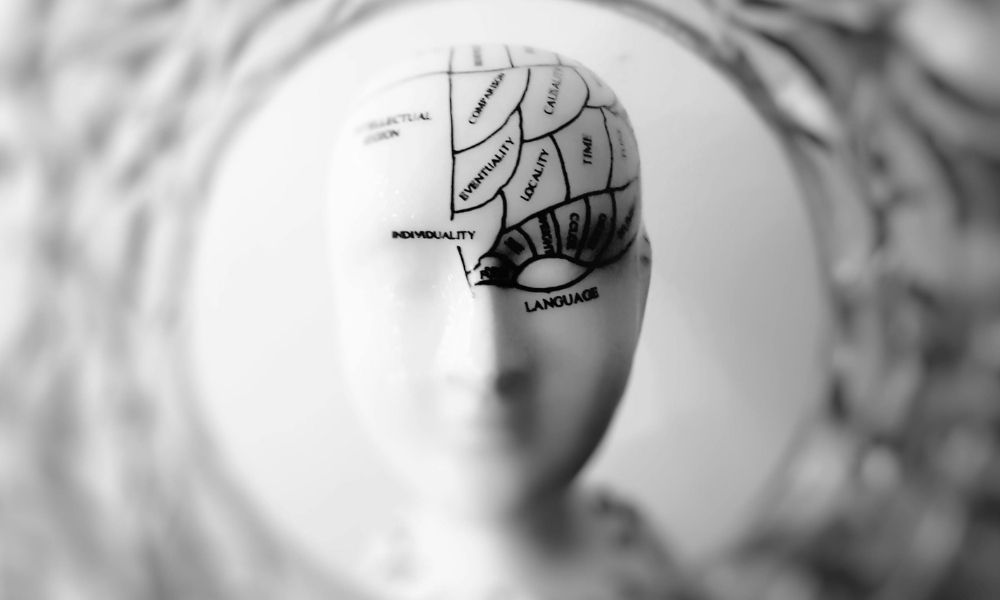
Have you ever wondered why Arabic poets create metaphors so easily, while Germans adore complex grammatical constructions? It turns out these aren't just cultural habits—they're a reflection of how language literally molds the brain. Arabic speakers, for example, have stronger connections between the hemispheres of the brain—especially in the areas responsible for ambiguity and metaphor. Germans, on the other hand, have a powerful "infrastructure" in the left hemisphere, where grammar and logic reign supreme.
And this isn't about "smart" or "stupid" languages. It's about how your native language shapes your thinking. That's why, when you learn a foreign language, you're not just adding words to your vocabulary—you're accessing a new way of thinking. It's like installing an additional operating system on an old laptop—and suddenly it starts doing things you never even dreamed possible.
6. The brain is the main consumer of oxygen in the body.

Imagine: your brain weighs only about 1.4 kilograms—a mere 2% of your total body mass. And yet it guzzles… excuse me, consumes—a whopping 20% of oxygen! That's as if the microwave in your house drew more electricity than all the other appliances combined. Why? Because neurons need energy—and lots of it! Without oxygen, they suffocate in literally minutes.
That's why fresh air isn't just "good for your lungs." It's a direct boost for your brain. A walk in the park isn't a break, but an investment in mental clarity. But stress, smoking, and air pollution—all of these are like reducing the current flowing to the main processor. The result? Slowdowns, errors, and brain fog. Worth considering, right?
7. The brain is fat. And that's great.
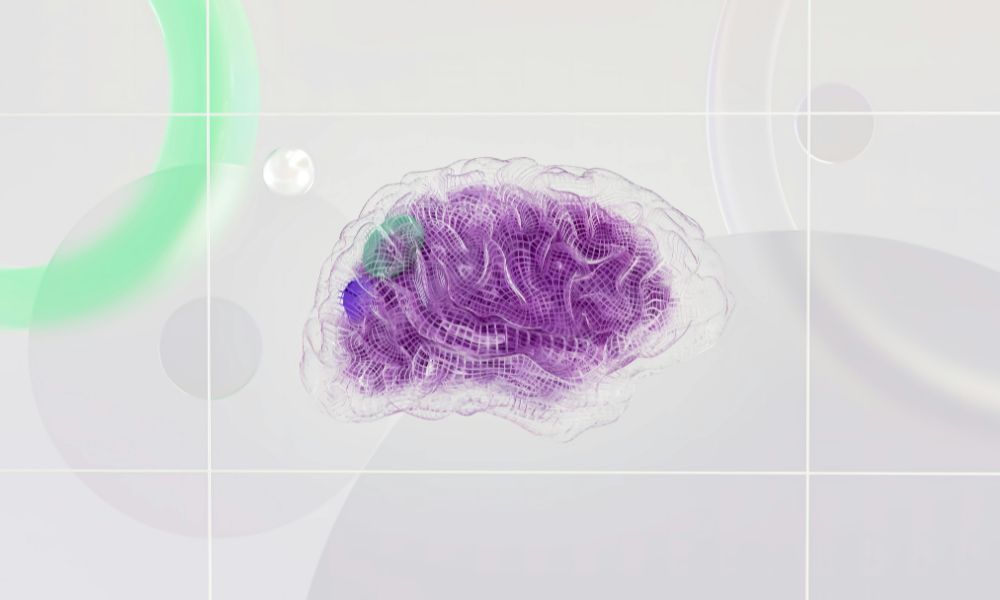
Hey, did you know that your brain is made up of fat? Not the "bad" fat you try to burn during exercise, but so-called essential fatty acids—especially omega-3s. Without them, your brain literally dries up from the inside out. Like a plant without water. Forgetfulness, absent-mindedness, even depression—all of these can be the result of a deficiency in the right fats.
So don't be afraid of avocados, nuts, or fatty fish. These aren't just calories—they're building blocks for your thoughts. Salmon, walnuts, and flaxseed—eat them not for dieting, but for mental clarity. Your brain will thank you not with words, but with the ability to remember where you left your glasses.
8. Sleep is not a luxury, but a daily detox procedure for the brain.

Have you ever felt like you've had a sleepless night? Not just tired, but like your brain is filled with cotton wool? It's not a metaphor—it's real. Because during sleep, the glymphatic system—a sort of "cleaning crew"—is activated, flushing toxins from the brain, including beta-amyloid, which is associated with Alzheimer's disease.
Without sleep, the brain can't organize itself. It can't process emotions, strengthen memory, or connect new knowledge with old ones. Seven to eight hours of sleep isn't laziness. It's a necessity. And yes, Netflix can wait.
9. Physical exercise is the best stimulant for the brain.

Think you're running to lose weight? Wrong! You're actually building a new hippocampus—the brain's memory and learning center. Research shows that just six months of regular aerobic exercise increases the volume of this area of the brain. So you're not just getting slimmer—you're literally getting smarter.
And this isn't a metaphor. Blood flow increases, the brain receives more oxygen and nutrients, and BDNF—"fertilizer for neurons"—is produced. Plus, cortisol (the stress hormone) levels decrease. The result: clear thinking, a better mood, and sound sleep. Want to boost your IQ? Start with sneakers.
10. Yes, the brain shrinks with age. But all is not lost.

Sometimes you get scared: "Oh, I forgot why I came into this room!" And immediately think: "That's it, old age!" Well, not quite. Yes, after 30, the brain does begin to gradually shrink—especially the frontal lobes, which are responsible for attention and memory. Connections weaken, neurotransmitters become "tired," and, no matter how you look at it, the neural network loses its former density.
But! There's reason for optimism here, not panic. Because the brain is incredibly flexible. It can compensate for losses by creating new pathways, strengthening remaining connections. The main thing is to keep it from getting bored. Play the guitar, even if you're off-key. Learn to dance. Solve crosswords—no, better yet, sudoku! Any mental activity, coupled with exercise and a healthy diet, is like vitamins for your gray matter. And yes, you may well be smarter at 70 than you were at 30—just in a different way.
And finally, the myth about the «10% brain» is Hollywood nonsense.

No, we don't use 10%. We use our ENTIRE brain—just not all at once. fMRI scans clearly show this: even when you're "doing nothing," your brain is working at full capacity. Some areas process sounds, others emotions, others movement. The question isn't how much you use, but how effectively. And that's up to you.
So the brain isn't just an organ. It's a story you write every day. And it's up to you to decide whether it's boring or captivating.