Earth's history is replete with traces of cosmic events and collisions. The most obvious evidence of these dramatic events are the enormous impact craters they left on the surface of our planet. These craters, each formed by major impacts millions of years ago, are a source of inspiration not only for scientists but also for nature and astronomy enthusiasts. In this article, we'll explore the most impressive impact craters and their history. These craters, formed by major meteorite and asteroid collisions throughout history, are scattered around the world and are must-sees. If you're ready, let's take a journey into the world of these fascinating and mysterious craters. Here are the most interesting impact craters in the world 👇
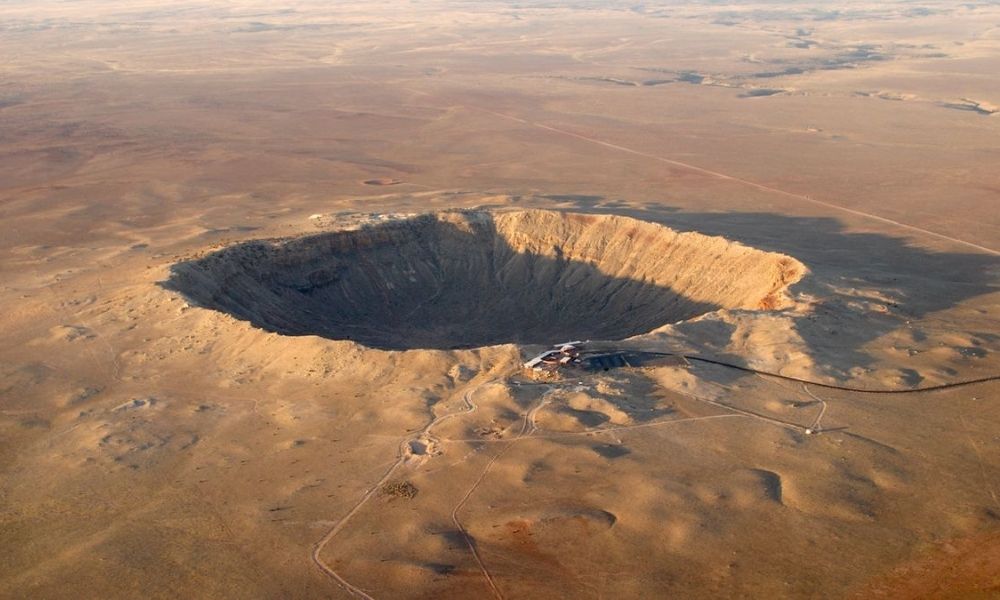
1. Barringer Crater, USA
Barringer Crater, also known as Meteor Crater, was formed by the impact of an iron meteorite that occurred relatively recently (only 50,000 years ago). Experts believe this crater, located on the Colorado Plateau in northern Arizona, was formed by a 300,000-ton meteorite impacting at 900 mph (1,440 km/h).
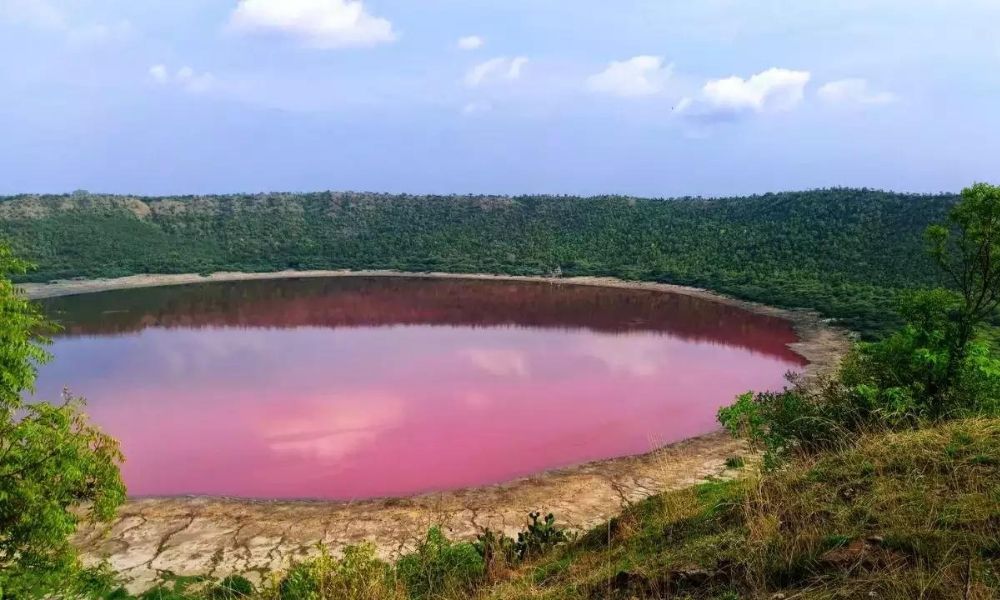
2. Lonar Crater Lake, India
Located on the Deccan Plateau in southern India, Lonar Crater was discovered in 1823 by British officer C.J.E. Alexander. The crater sits on a large basaltic rock plain left by volcanic eruptions in the area 65 million years ago. Therefore, it was initially assumed to be of volcanic origin. Today, it is known that the crater was formed by a meteorite impact 35,000–50,000 years ago.
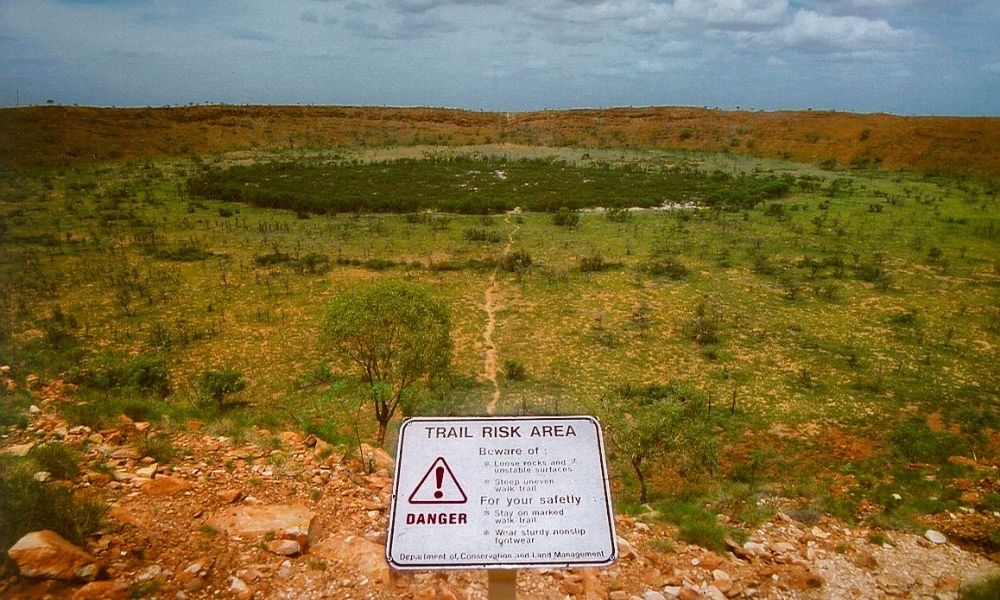
3. Wolf Creek Crater, Australia
Wolf Creek Crater is located in Wolf Creek Crater National Park in northern Western Australia. Experts estimate that Wolf Creek Crater formed 300,000 years ago. However, a 2019 study by the University of Wollongong analyzed radiation exposure to the crater's rocks and found that the crater is only 120,000 years old, much younger than previous estimates. Scientists calculated that the meteor, 15 meters in diameter and weighing over 15,000 tons, was likely traveling at 17 kilometers per second before slamming into the Australian desert.
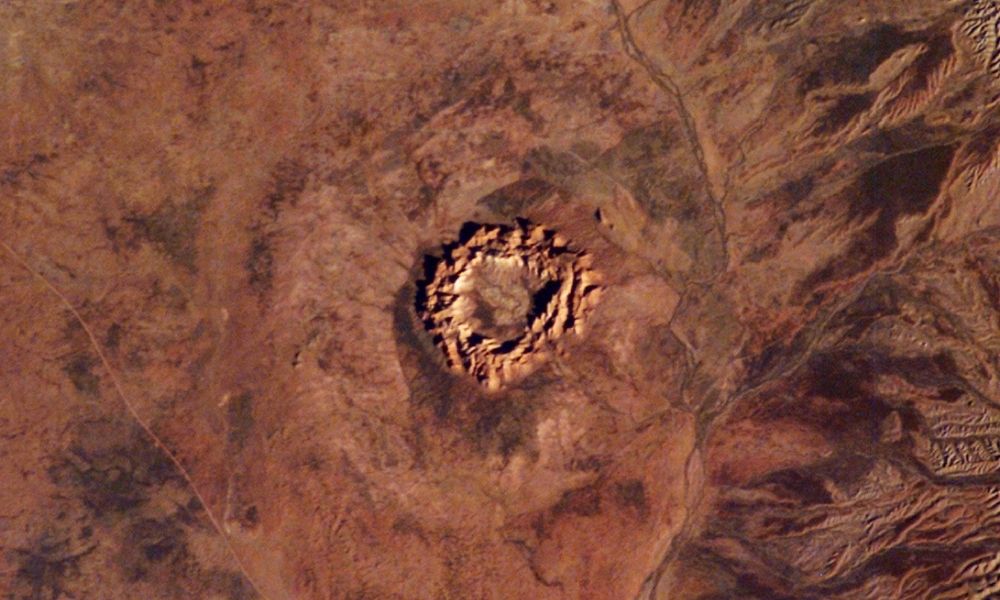
4. Gosses Bluff Crater, Australia
Australia is home to some of the most impressive craters in the world. Gosses Bluff, also known as Tonorala, is of great cultural and scientific significance. According to NASA Earth Observatory, it is the best-studied impact crater in Australia. Scientists believe that 142 million years ago, a meteorite traveling at 40 kilometers per second struck the Earth, creating a giant crater 22 kilometers wide. Although the original crater has eroded over time, its core is still visible today.
Unique in Turkey: How was the Karapınar Desert in Konya formed?
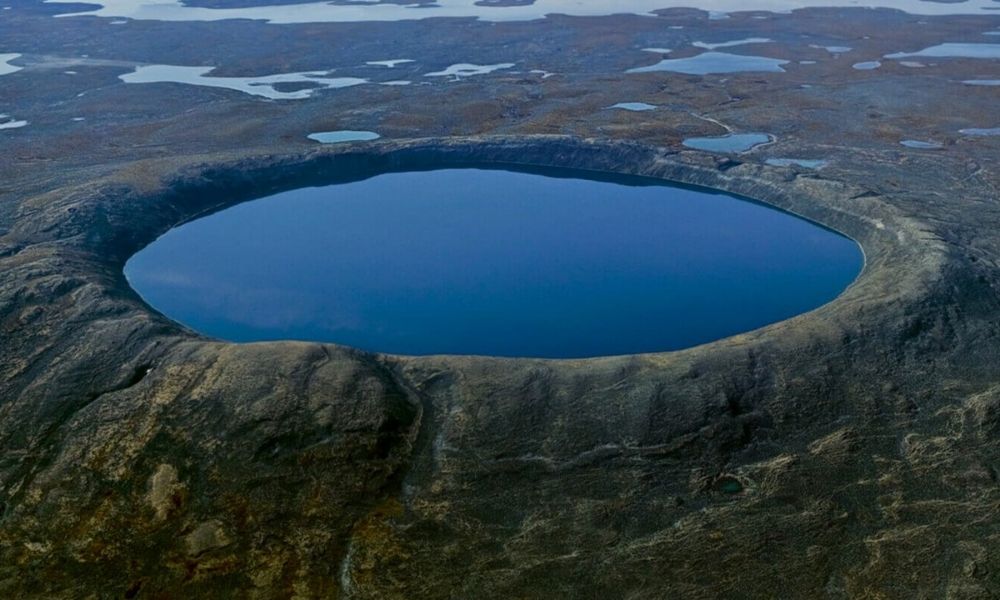
5. Pingaluit Crater, Canada
This crater, located in Pingaluit National Park, is currently filled with rainwater. This unique environment, located at a depth of 267 meters, offers scientists a window into the geological past.
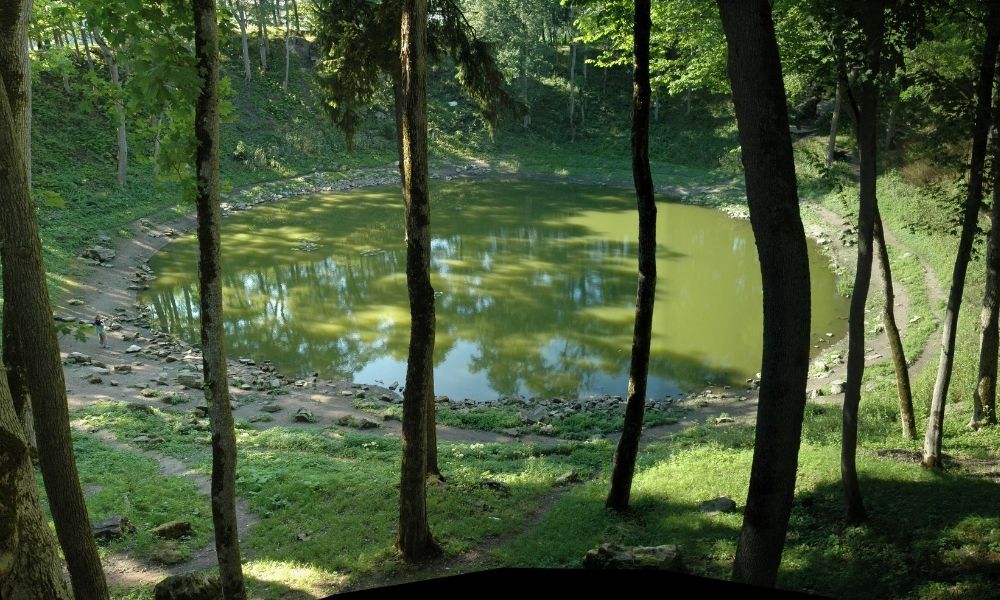
6. Kaali Crater, Estonia
Located on Estonia's largest island, Saaremaa, the Kaali crater field consists of eight small impact craters and one large crater. The island is believed to have been inhabited around the time of the meteorite impact, around 1530–1549 BCE, although its age remains a matter of debate. According to scientists who have studied the matter, although the meteorite impact occurred during the period of human settlement on the island, it did not have a significant impact on Saaremaa's population.
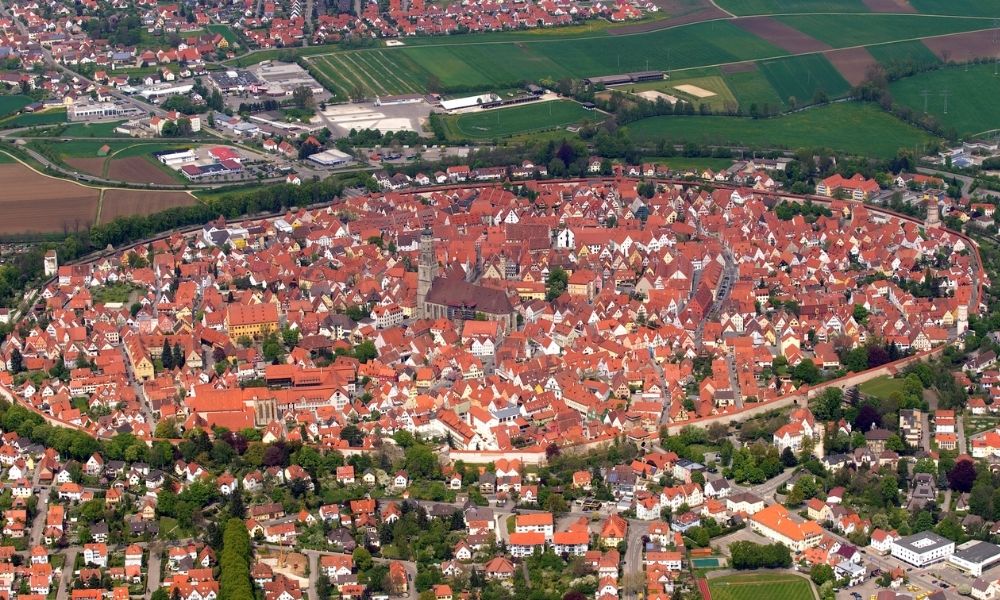
7. Nordlinger-Ries, Germany
The town of Nördlingen is located within the inner rim of the Ries crater. The full impact of the crater's formation can only be seen from the air. Although its inner rim is marked by city walls, the rest of the crater is eroded and not immediately visible. Scientists believe that medieval Europeans likely mapped the city walls along the inner rim of the crater, unaware of its existence. The Ries structure was long thought to be an extinct volcanic crater, but when geologists Eugene Shoemaker and Edward Chao visited the town in the 1960s, they discovered compelling evidence that Ries is, in fact, an impact crater.
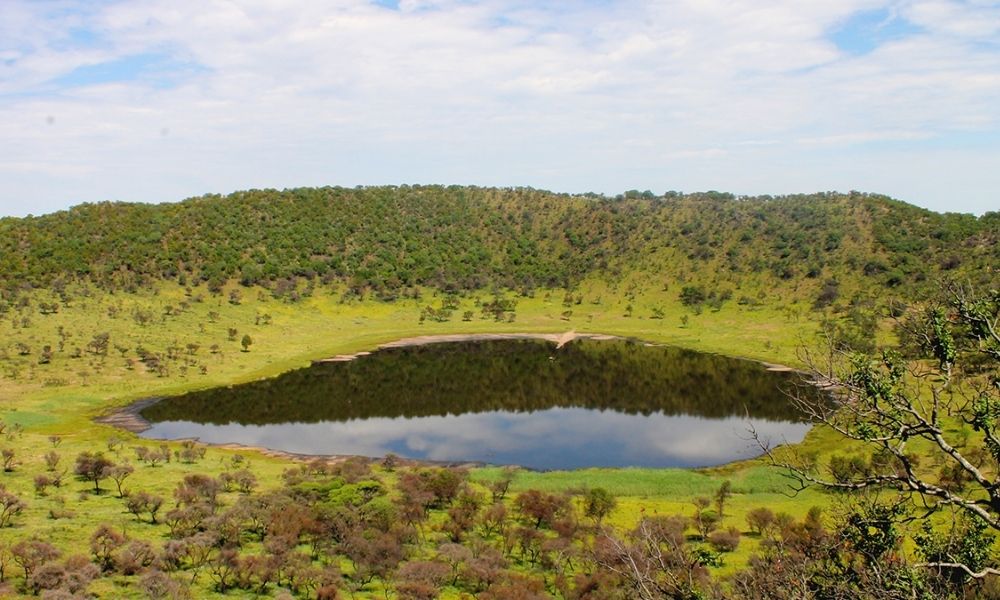
8. Tswaing Crater, South Africa
Within the city limits of Tshwane lies a magnificent impact crater in an area originally known as the Pretoria Salt Pan (or Zoutpan). Tshwaing is one of the best-preserved craters in the world, and sedimentary deposits on the crater floor suggest it formed 220,000 years ago. Visitors can take a 7.2-kilometer tour of the Tshwane Crater Road, explore the museum exhibit, and observe the diverse wildlife that inhabits the reserve.
The Perseid Meteor Shower in 20 Stunning Photos from Around the World
9. Tenoumer Crater, Mauritania
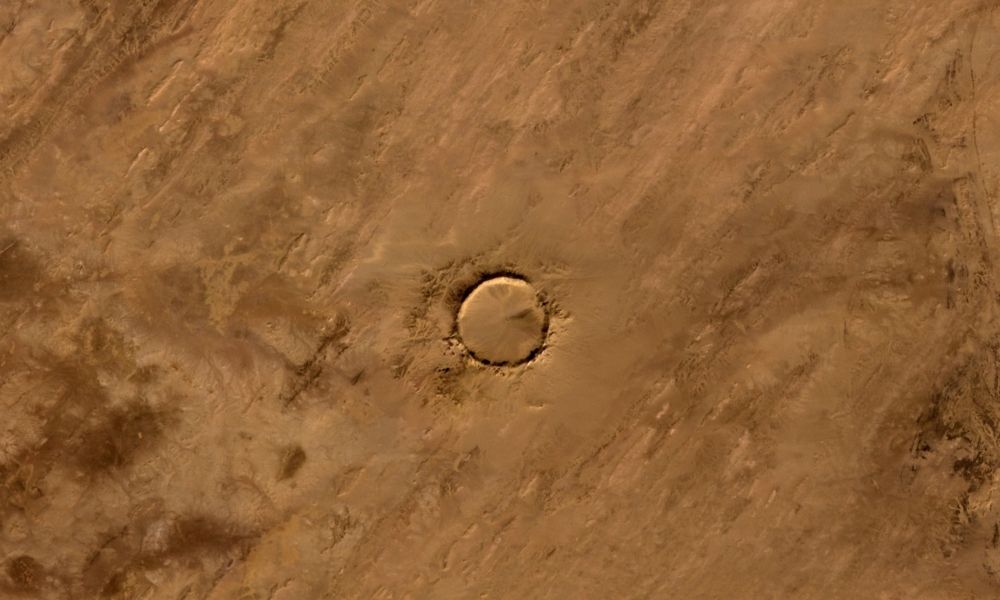
Deep in the Sahara Desert lies a nearly perfectly circular crater called Tenoumer. The crater's origin has long been a subject of debate among geologists, with some claiming it is the remnants of a volcano, according to data from NASA's Earth Observatory. Therefore, there is no consensus on whether Tenoumer is truly an impact crater. Tenoumer is one of the most difficult craters to visit due to its remoteness.
10. Roter Kamm Crater, Namib Desert.
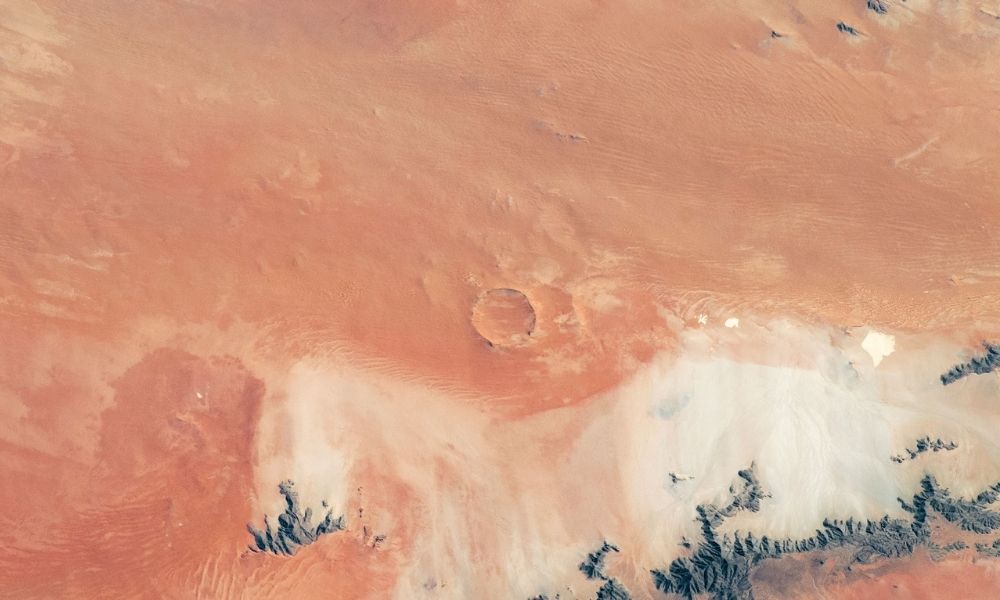
We've reached the end of our article about the most impressive impact craters on Earth. Amid the rust-red dunes of the Namib Desert in southwestern Namibia lies a crater that looks like it could be on Mars. The Roter Kamm crater is located in Tsau Khaeb National Park in southwestern Namibia. Scientists believe the meteorite that formed this crater five million years ago was the size of a car. The impact created a crater mouth 40 to 90 meters above the surrounding plains, and the crater floor is covered in sand deposits at least 100 meters thick.
10 Most Famous City Squares in the World Bearing witness to history, rulers who have ascended and descended from the throne, and countless people who have passed through them, squares form the heart of the cities in which they are located. In cities...
10 Most Famous Festivals in India If you're planning a trip to India, you might want to time your trip to coincide with one of these famous Indian festivals worth visiting. While some of them...
10 Most Luxurious Hotels in the World There's no such thing as too much luxury. If you're confident you've seen enough, then you're ready to expand your knowledge. The most expensive hotels, where...
20 of the World's Most Terrifying Rivers and Lakes Do you want to leave everything you're doing in this stuffy city and head to a warmer clime, to the beach, closer to the water, but you just can't? How often have you thought about...
The 10 Most Dangerous Beaches in the World Beaches and open spaces are a favorite destination for every tourist. In fact, some of the most visited tourist hotspots are those in...
8 Deepest Points in the World That Still Remain a Mystery Are you ready to explore the depths of the world? Because in this article, we'll dive far beyond the surface, into the dark and captivating worlds beneath the waves! Ocean...
10 Most Popular Spring Festivals Around the World With the arrival of spring, the world comes alive, and many countries celebrate with vibrant spring festivals! These aren't just holidays, but beautiful and inspiring events that symbolize...
10 Most Romantic Honeymoon Destinations Where to stay in Morocco: La Mamounia is a classic hotel, decorated in an elegant oriental style, with impeccable service and surrounded by century-old gardens. Its fully...
8 of the World's Most Extreme Cities Cities, as we traditionally understand them, are supposed to be comfortable and civilized, but that's not always the case. There are extreme cities on the map, where the population constantly encounters...
10 Most Fascinating Facts About Turkey Today we'll tell you about a country that's a favorite destination for people in the former Soviet Union. Here are ten interesting facts about Turkey. 1. Running could decide life or death...
Top 10 most populous cities in the world Cities with populations exceeding a million are not uncommon worldwide. Today, agglomerations that surpass entire countries in population are astounding. Which cities in the world are so densely populated? Which are the largest cities...
10 Most Interesting Facts About the United Kingdom This time, we'll take a look inside Queen Elizabeth's kingdom. Let's look at the most interesting facts about the United Kingdom. The United Kingdom is a union of four different countries...
The most dangerous mountains in the world to climb Mountain climbing has always been the ultimate human challenge. The desire to conquer the highest peak and prove one's strength and endurance attracts the brave and courageous...