







Taste is a very subjective thing. Some people love pineapple on pizza, others hate it. Some happily adhere to a vegan diet, while others eat meat almost constantly. But what's behind those foods that can change their taste over time? Is it you and your personal tastes that change over time, or is the food itself different? It turns out that sometimes things actually taste different than you remember, and for some very interesting reasons.
10. Some authentic Chinese and Indian dishes taste different (in the US) because of the oil that cannot be used in America.
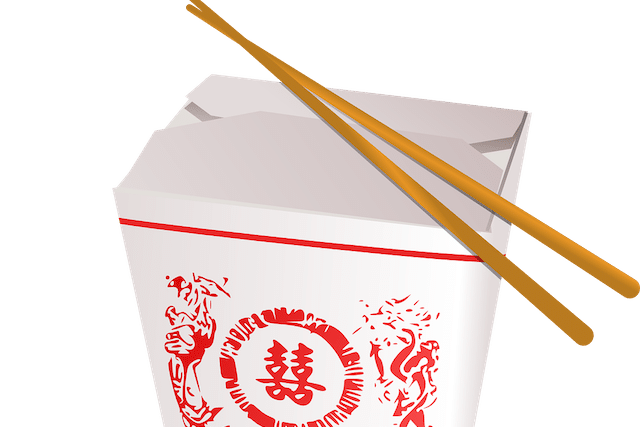
Most of us know there's a distinct difference between Chinese food in China and the restaurant food you'll find in America. When it comes to Sichuan Chinese, one of the reasons for the flavor difference goes beyond the predictable and has to do not only with what's cooked, but also with how it's cooked. In this case, it's the oil.
In America, most food is cooked in vegetable oil, canola oil, and even peanut oil. But in China, most Sichuan food is cooked with things like mustard seed oil or Caiziyou oil , which you will almost never find in the US.
Mustard seed oil has spicy aroma and adds a subtle piquant flavor to food. However, you've probably never seen it for sale in your supermarket. Expressed mustard oil forbidden FDA. This is because the oil contains a high level of erucic acid. In the 1970s, experiments showed that erucic acid caused heart and kidney disease in rats. Therefore, the oil was banned, but later studies showed that this effect doesn't actually extend to humans, and the oil may actually be beneficial for us. But science is sometimes slow, and bureaucracy even slower, so the ban was never lifted.
The oil has a very high smoke point and imparts a wonderful flavor, especially to spicy dishes, making it a favorite for chili-based dishes. If you want to eat foods you first discovered in parts of China and Northern India, they'll likely never taste the same in America unless you use the oil, which is legally very difficult to do.
9. Brussels sprouts used to taste worse.
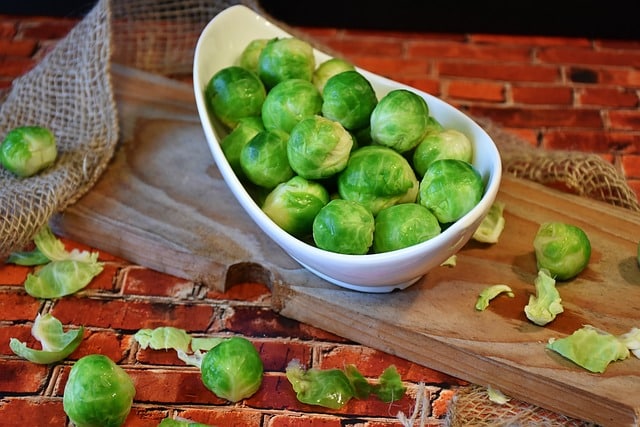
The humble Brussels sprout. The bane of children everywhere. But as an adult, do you now enjoy the taste? Even if... childhood memories Did you have a bitter, unpleasant cabbage? You might have just thought your taste buds had matured, and maybe they did, but that's not the whole story. Brussels sprouts really are tastier.
The thing is, in the past, children weren't wrong. The sprouts were bitter and unpleasant. So, in the 1990s, Dutch scientists and farmers worked together to isolate bitter-tasting compounds in sprouts. Once they were identified, they made efforts to begin breeding strains that naturally contained the lowest amounts of these bitter compounds.
Once they succeeded in creating the tastiest new hybrids, they were grown on farms, and they eventually replaced the older, bitter strains of the vegetable, and since the 1990s, Brussels sprouts have actually become tastier.
8. Banana candies taste like bananas, but not like the bananas we eat.
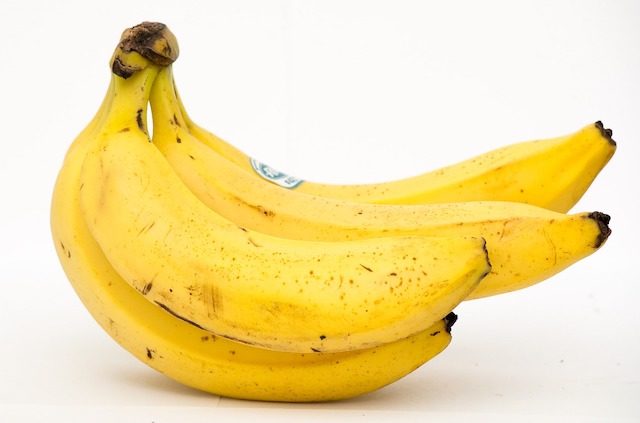
Is there any candy flavor more perplexing than banana? It tastes nothing like banana, yet all banana candies taste the same. How did this happen? It all goes back to a time when Americans didn't even eat bananas.
The fake banana flavor comes from a fruity ester called isoamyl acetate . You can find it in many fruits, and it was introduced even before most Americans tried a banana in the 1860s. But when a decade later, bananas Gros Michel became a real thing that people could buy, there was a clear similarity between them. Gros Michel contained a reasonable amount of isoamyl acetate. But then, as you know, Gros Michel fell victim to a serious banana blight and was wiped out. In the 1960s, it was replaced by Cavendish bananas, and we still eat them today.
Cavendish contains some isoamyl acetate, but not as much as Gros Michel. So the flavor of this and the "fake" banana is almost indistinguishable. But at one time, this flavor was much closer to banana.
7. The taste of American purple skittles is different from the taste of purple skittles in other countries.

Speaking of candy, do you think you could identify all the Skittle flavors in a blind taste test? It would be much harder than you think if you used international Skittles, because purple Skittles don't taste the same all over the world. Or, more accurately, the US government has ensured that American Skittles taste different from everyone else's.
In most countries, purple skittles are spiced up with delicious black currant . It's not like that in America, where this the scent has been illegal for ages . Many years ago, blackcurrants were outlawed in America because the plants carried a disease called white pine blister. The ban was eventually lifted, but by then, blackcurrants had missed their opportunity. Few wanted to grow them, and the flavor wasn't part of the American experience, so they never caught on.
6. The taste of Coca-Cola differs from country to country.
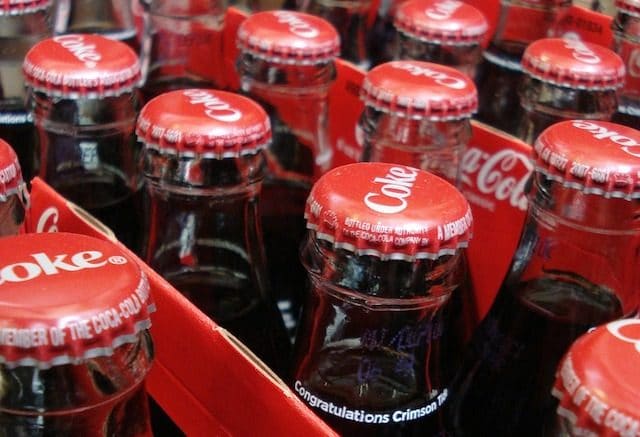
One of the most important things for a product that is used worldwide is consistency. For something like Coca-Cola, this must be extremely important, otherwise you would think so. And although the company claims on their websites , that it is the same everywhere, this is not 100% true.
Coca-Cola's formula is the same worldwide, so the syrup will always be the same in any country. But there's more to Coca-Cola than just syrup. The product is always spills on site , and each country uses its own water sources, and sometimes its own sweeteners. That's why Mexican Coca-Cola It's so popular because they use cane sugar as a sweetener, which gives it a different taste than the high fructose corn syrup found in American Coca-Cola.
If you've traveled, you probably know that the taste of water varies from country to country, and sometimes even from city to city. So the final product that Coca-Cola releases in some countries will have a completely different taste. a different taste .
5. Kit Kat bars taste different in different countries around the world.

Every country has its own candies and treats, but there are a few that transcend borders and are enjoyed around the world. One of the most popular has to be Kit Kat, which can be found around the world for about 100 countries . However, it won't taste the same all over the world because, despite the name and familiar packaging, it's not even produced by the same company everywhere.
Kit Kat is so popular in Japan that people in Japan actually think it's a Japanese product, even though it was originally made in the UK. In Britain Kit Kat is a Nestle product, And in America, it's Hershey. The US version contains significantly more sugar, while the UK version has higher cocoa and fat content. In taste tests, most people agree that the British Kit Kat is much better. In Japan, it comes in dozens of varieties.
4. McDonald's French fries have changed four times in 30 years.
One of the most popular items on the McDonald's menu is its French fries, which many consider the best among its fast-food competitors. But if you're old enough, you might long for the even more delicious fries McDonald's used to sell, because they really were different back in the day. In fact, they've changed several times over the years.
For a very long time, McDonald's French fries were prepared on beef fat , which gave it a distinctive flavor and made it very popular. But it was also high in saturated fat and cholesterol. Over the years, anti-unhealthy diet campaigns took their toll, and McDonald's finally relented. Vegetable oil replaced beef tallow. in 1990 . People were generally unimpressed, and stock prices fell.
To compensate, McDonald's tried adding beef flavor to its fries, but this led to lawsuits from vegetarians and Hindus who didn't know they were eating beef.
By 2002, the oil changed again because trans fats in vegetable oil had become a problem. In 2007, another oil change occurred. So that's four different oils in 30 years, each changing the overall flavor of French fries.
3. Tomatoes have lost their flavor because we grew them that way.
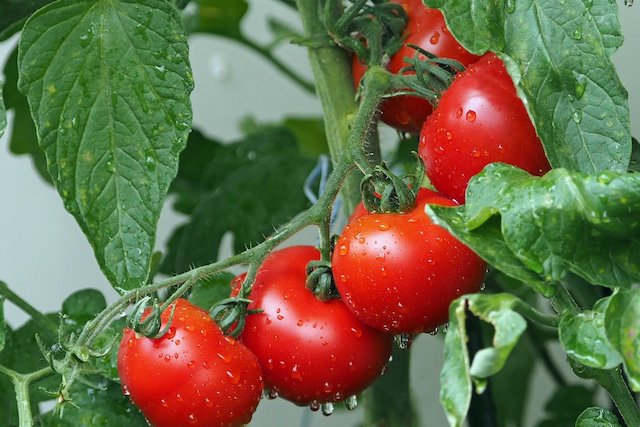
Try imagining a world without tomatoes. All those delicious sauces, from ketchup to pizza and marinara, that we've been missing. It's excruciating. But even more excruciating is the fact that tomatoes are legally becoming less tasty . If you've ever picked up a tomato at the store to slice for a hamburger or salad and thought it tasted bland and flavorless, it wasn't just a bad choice. We do it on purpose.
Scientists tried to answer why tomatoes aren't as tasty and compared hundreds of varieties from around the world. They determined that there are 13 connections , which primarily affect the flavor of tomatoes, and as we strive to breed larger tomatoes that are more resistant to pests and bad weather, we sacrifice these compounds.
Less popular or homegrown tomato varieties still taste amazing because they haven't been bred to death, so to speak. But the most popular tomatoes only became the most popular because we've removed everything we liked about them in the first place.
You can still find delicious tomatoes from time to time, but you wouldn't be wrong if you thought they were better in the past. You'd also be right if you thought they'd continue to deteriorate.
2. Apples used to be tastier and cleaner
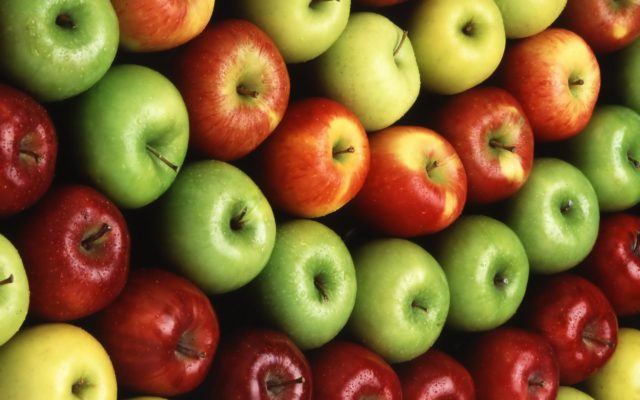
Apples are one of the most popular fruits in the world. Only in America are they grown. 2500 different varieties , and there are over 7,500 of them worldwide. And if you feel like apples aren't as good these days as they used to be, you're not wrong. The humble apple buries itself in the ground.
Climate change has contributed to the deterioration taste Apples have a harder time adapting to environmental changes, losing their natural levels of malic acid. As a result, apples are less sweet, less crisp, and even mealy. There are also diseases that kill many apple varieties, leaving us with fewer to enjoy overall. And that's not the only problem.
Apple Red Delicious — a standout in a world of bad apples. The name is half-accurate. Red? Check. Delicious? Not always. That's because the fruit, like tomatoes, is literally bred to look better than it tastes. Growers have consistently tried to perfect this bright red color, eliminating any variations that lead to green or yellow, but ultimately sacrificing flavor. Red Delicious is now extremely unpopular in North America because it's simply not tasty anymore.
1. Airplane food tastes bad because of where you eat, not what you eat.

For years, airplane food has been mocked for being tasteless, textureless, and disgusting. And while that's not always a bad thing, sometimes there's definitely something odd about it, and you wouldn't be wrong if you thought so. There's real science behind why airplane food isn't so good.
First, the basics. Airplane cabins are dry. Literally. dry desert . The cabin pressure and lack of humidity destroy your taste buds, dulling them terribly. You lose up to 30% of your ability to taste salty and sweet flavors at altitude. Your mucous membranes also swell, affecting your sense of smell, which further dulls your sense of taste.
Surprisingly, there's something else. Even the sound on an airplane ruins the taste of food. Sound aircraft engines distracts your already overstrained senses and makes it even more difficult to perceive the decent taste of food.