








In a study published in the journal PeerJ, researchers from the Open Earth Monitor Cyberinfrastructure project used high-resolution data and machine learning to map how natural vegetation zones—or biomes—could change by 2080 under different climate scenarios.
Researchers have found that the composition of biomes in the United States will change significantly over the next few decades. The central United States will become hotter and drier, and the cool mixed forests characteristic of states like Minnesota and Wisconsin will give way to dry, grassy steppe biomes. The steppe biome will expand the most, while biomes such as cool evergreen coniferous forests and temperate deciduous broadleaf forests will shrink significantly.
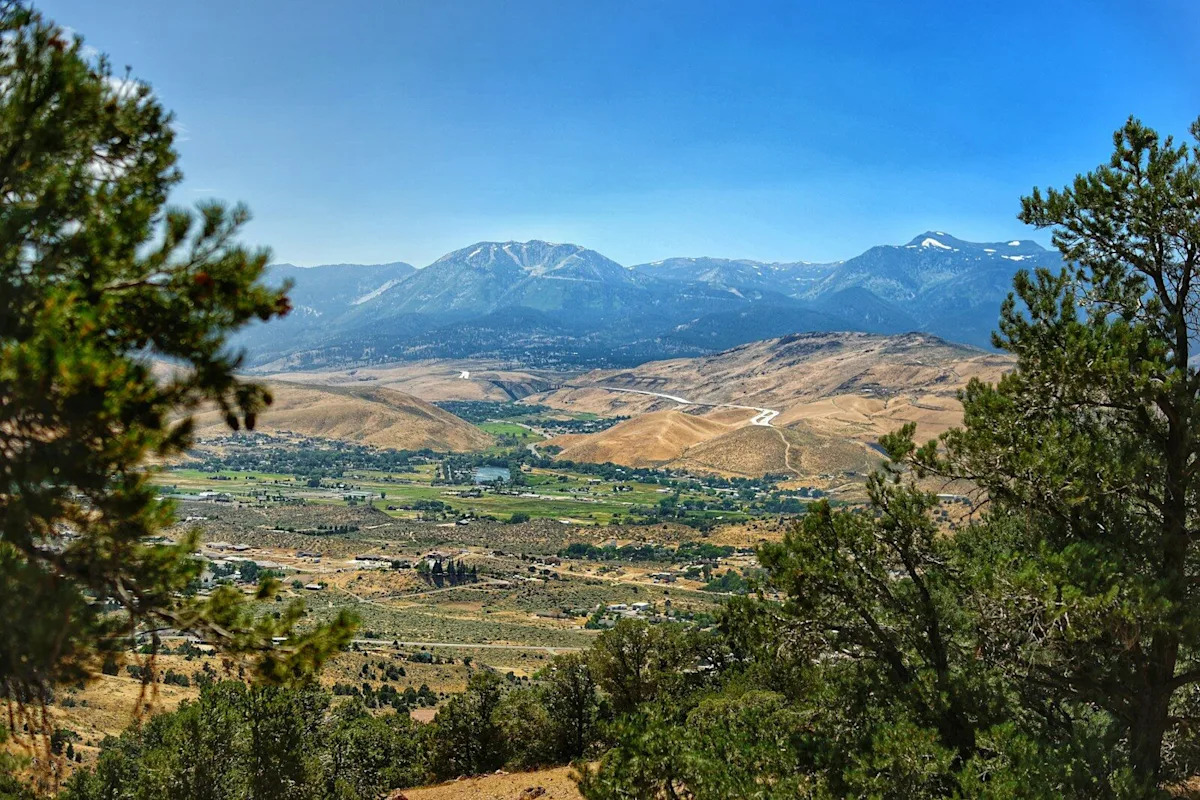
By the end of the century, many of the country's largest population centers, including Reno, Los Angeles, and Seattle, will experience complete biome shifts. A more detailed analysis of the data reveals which cities are projected to experience the greatest biome transformations over the next 50 years.
To identify cities with changing biomes, Climate Crisis 247 analyzed spatial data from the paper "Current and Future Global Distribution of Potential Biomes under Climate Change Scenarios," published in April 2023 in PeerJ. Cities were ranked based on the degree of change in their dominant biome type from the 1979-2013 baseline to the projected 2061-2080 scenario, according to the BIOME 6000 classification. The projected changes in biome landscape classification are based on the RCP 8.5, or high emissions, scenario. The analysis was conducted in QGIS using raster data and zonal statistics. Only cities with a population of at least 250,000 were considered.
Photo by Mark Olsen on Unsplash.
10. Boston, Massachusetts
-
Current biome classification: Cool mixed forest
-
Projected biome classification 2061-2080: Temperate deciduous broadleaf forest.
-
Current population: 665,945.
9. San Antonio, Texas
-
Current biome classification: Steppe
-
Projected biome classification for 2061-2080: Warm temperate evergreen broadleaf and mixed forests.
-
Current population: 1,445,662
8. Irvine, California
-
Current biome classification: xerophytic forests/shrublands
-
Projected biome classification, 2061–2080: Steppe
-
Current population: 304,527.
7. Santa Ana, California
-
Current biome classification: xerophytic forests/shrublands
-
Projected biome classification, 2061–2080: Steppe
-
Current population: 311,379.
6. Anaheim, California
-
Current biome classification: xerophytic forests/shrublands
-
Projected biome classification, 2061–2080: Steppe
-
Current population: 347,111 people.
5. Long Beach, California
-
Current biome classification: xerophytic forests/shrublands
-
Projected biome classification, 2061–2080: Steppe
-
Current population: 462,293.
4. Sacramento, California
-
Current biome classification: xerophytic forests/shrublands
-
Projected biome classification, 2061–2080: Steppe
-
Current population: 523,600.
3. Los Angeles, California
-
Current biome classification: xerophytic forests/shrublands
-
Projected biome classification, 2061–2080: Steppe
-
Current population: 3,881,041
2. Portland, Oregon
-
Current biome classification: Cool evergreen coniferous forest
-
Projected biome classification for 2061-2080: Warm temperate evergreen broadleaf and mixed forests.
-
Current population: 646,101 people.
1. Seattle, Washington
-
Current biome classification: Cool evergreen coniferous forest
-
Projected biome classification for 2061-2080: Warm temperate evergreen broadleaf and mixed forests.
-
Current population: 734,603.