








A country's population depends on various factors, such as the availability of natural resources, the habitability of the land, and various political, social, and economic circumstances. Depending on these factors, the population either increases through births or immigration, or decreases. While there are some dependent territories with very low population densities, this list does not include them and is limited to sovereign states and territories that, despite belonging to a sovereign state, are primarily self-governing. So, here are the countries and territories with the lowest population densities in the world.
12. Niue
Population density: 5.35 people per square kilometer.

Niue, located more than 2,400 kilometers northeast of New Zealand, is an island nation where Polynesians settled in 900 AD. The first European mention of the island dates back to 1774, when Captain James Cook sailed there and was prevented from landing by the "savage" natives.
While most countries struggle with overcrowding, Niue is one of the few countries whose population is declining. In the mid-20th century, the population was over 5,000. But since then, it has been declining by 0.03% per year, as young people leave for New Zealand and other countries in search of better jobs. As of 2014, the population was only 1,190. (source)
11. Canada
Population density: 3.92 people per square kilometer.
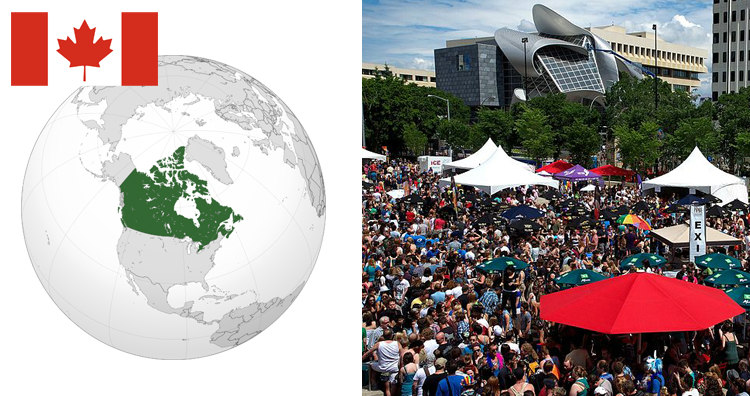
At 9.98 million square kilometers, Canada is the second-largest country in the world. However, much of its land is covered by tundra and forests. As a result, the population of 801,000 square kilometers is concentrated in cities located near the southern border. Despite a positive population growth rate of 20.41 square kilometers between 1990 and 2008 due to immigration and births, Canada has one of the lowest population densities in the world. (source)
10. Libya
Population density: 3.74 people per square kilometer.

For centuries, and even today, Libya has been in a state of turmoil, shifting from one religious and political ideology and leader to another. After Libya gained independence in 1947 and Gaddafi came to power, half a million Italian settlers fled the country, leaving behind descendants of various Berber ethnic groups, Arabs, and Turks. Since most of the territory is part of the Libyan Desert and the northern and eastern Sahara, more than 901,000 people live along the coast. (source)
9. Botswana
Population density: 3.7 people per square kilometer.
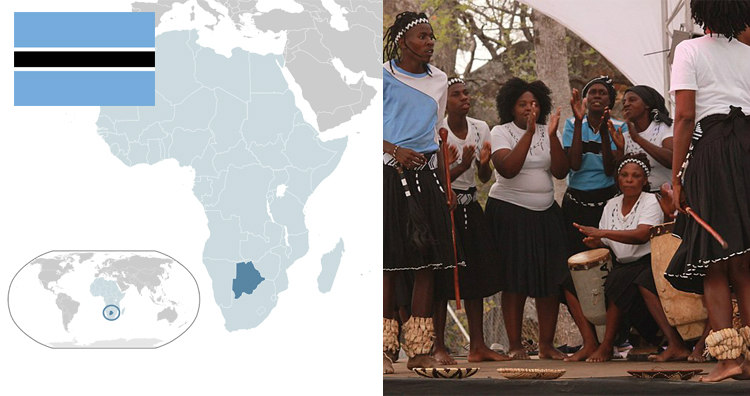
Botswana is a landlocked country located in southern Africa, 70% of which is covered by the Kalahari Desert. As of 2016, its population was just over two million, with the Tswana making up the majority. Minorities include tribes such as the Bakalanga, San, Bayei, and others, as well as Indians and whites. (source)
8. Guyana
Population density: 3.5 people per square kilometer.

Guyana boasts a rich racial diversity, owing to the influx of indentured laborers and slaves during colonial times. The largest ethnic group is the Indo-Guyanese, or East Indians, descendants of indentured laborers from India. The second largest group is the Afro-Guyanese, along with minorities of Europeans, Chinese, and indigenous people. Because most of the population lives along the coast and the population density is very low, much of the forest still thrives. (source)
7. Mauritania
Population density: 3.4 people per square kilometer.

Since Mauritania is covered by the Sahara Desert, most of the population is concentrated in the south, where rainfall is comparatively higher. As of 2016, Mauritania's population was approximately 4.3 million, and approximately a third of them live in the capital, Nouakchott. (source)
6. Australia
Population density: 3.3 people per square kilometer.
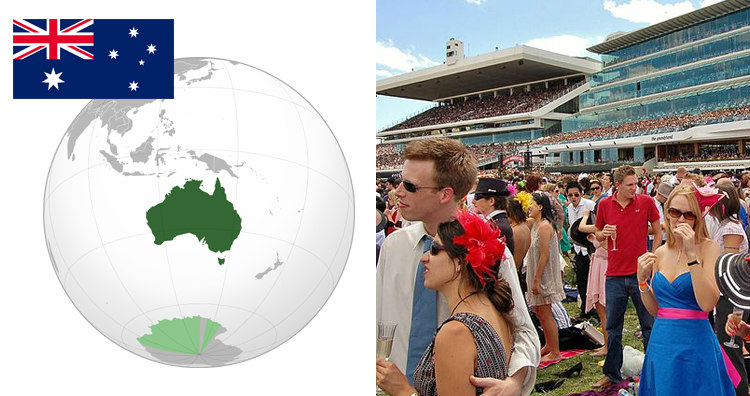
Australia is a highly urbanized country with a population of 25 million. Before World War II, the population consisted primarily of immigrants from Great Britain and Ireland, whose descendants make up the majority today. After the war, immigrants arrived from countries such as England, New Zealand, China, India, and the Philippines, and as of 2016, they constituted 261,000,000 of the total population. The indigenous population accounts for 2.81,000,000 of the total population. (source)
5. Namibia
Population density: 3.2 people per square kilometer.
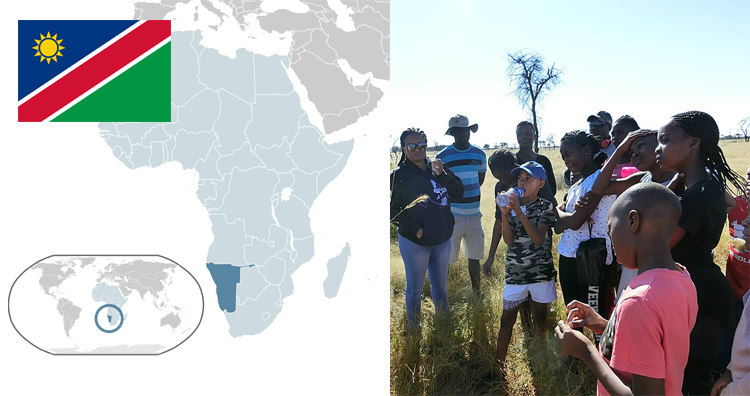
Namibia, with a total population of 2.6 million, has one of the lowest population densities in the world. The majority of the population belongs to the Ovambo ethnic group. Other ethnic groups include the Herero and Himba, as well as large groups of Khoisan. There is also a significant minority, ranging from 4 to 7%, of people of European descent, particularly those of Dutch, German, British, and Portuguese descent. (source)
4. Iceland
Population density: 3.2 people per square kilometer.

Iceland, an island nation in Scandinavia, has the lowest population density in Europe: as of March 2018, only 350,710 people lived there in a land area of 103,000 square kilometers. Since the arrival of its first settlers, Iceland has experienced several periods of famine, plague, and volcanic eruptions. Improved living conditions in the mid-19th century led to population growth. The current fertility rate is 2.11 TP3T, making Iceland one of the few countries with significant long-term population growth. (source)
3. Suriname
Population density: 2.9 people per square kilometer.

Suriname, the smallest country in South America, had a population of only 558,368 as of July 2016, most of whom reside in and around the capital, Paramaribo. Like Guyana, the country's population is made up of descendants of indentured laborers and slaves brought during the Dutch era. Following Suriname's independence in 1975 and continuing into the 1990s, there was massive immigration to the Netherlands, as people were given the choice of becoming citizens of either Suriname or the Netherlands. (source)
2. Mongolia
Population density: 1.97 people per square kilometer.
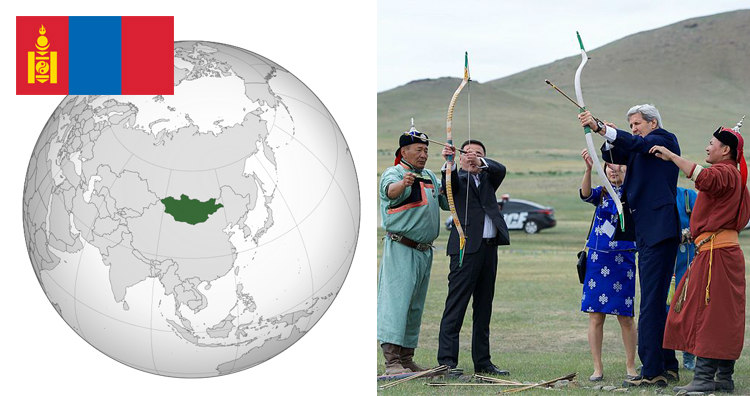
Mongolia, located in East Asia between China and Russia, occupies a territory largely covered by grassy steppes, with the Gobi Desert to the south and mountains to the north and west. Over 451,000 people live in the capital, Ulaanbaatar, while 301,000 people are nomadic. The total population as of 2016 was approximately 3 million, living in a territory of 1.56 square kilometers. (source)
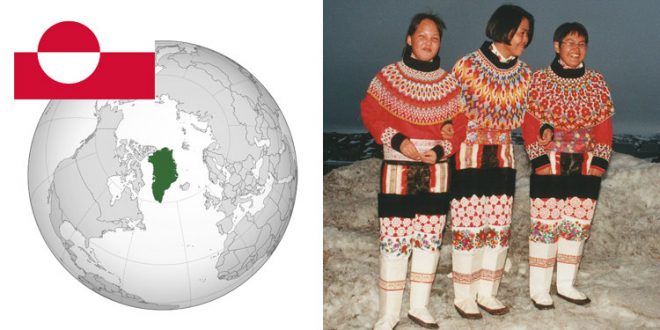
1. Greenland
Population density: 0.028 per square kilometer
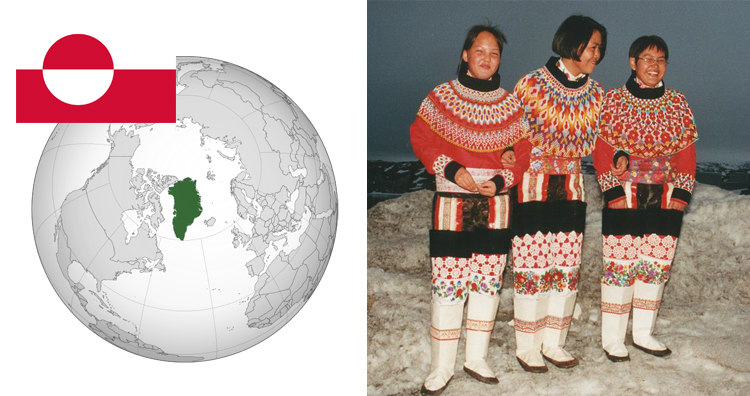
As of January 2018, Greenland's population was only 55,877, making it the least densely populated country in the world. About 881,000 of the population are Greenlandic Inuit, including people of mixed descent, and 121,000,000 are Europeans. Greenland is the largest non-continental island, and more than three-quarters of its land is covered by the only permanent ice sheet outside Antarctica. In the north, the air is so cold and dry that snow does not fall, leaving the ground bare. Almost all Greenlanders live along the fjords in the southwestern part of the island, where the climate is mild. (source)