








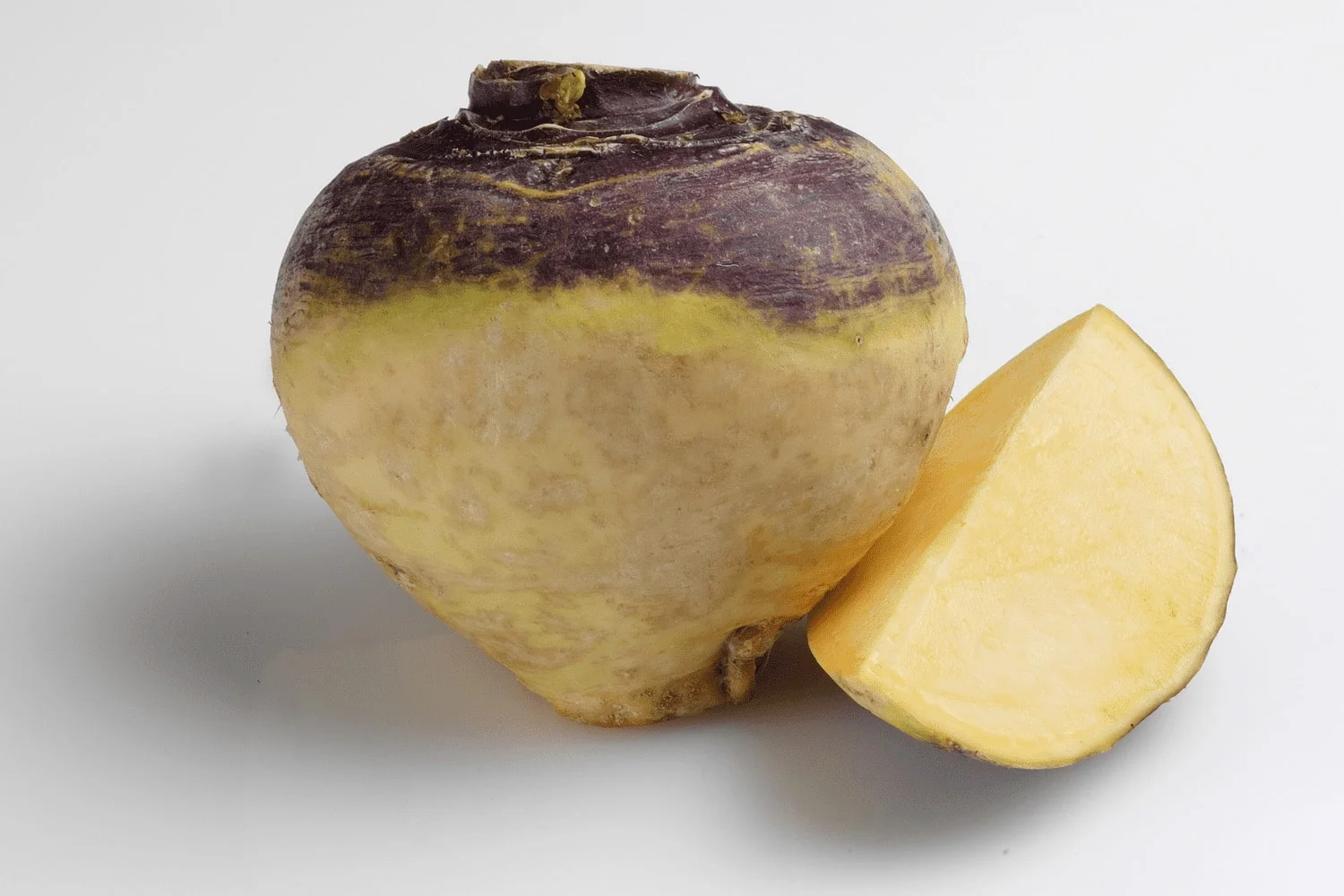
Rutabaga, a root vegetable that may not make headlines, nevertheless boasts a rich history and numerous health benefits. Often confused with turnips, rutabaga is larger, denser, and sweeter, making it a versatile ingredient in many dishes. This humble vegetable, a cross between cabbage and turnip, is a powerhouse of vitamins and minerals. Known for its unique flavor and firm texture, rutabaga has become a staple in regions where the hardy, nutritious vegetable is prized for its ability to grow in cool climates. Here are 30 interesting facts about rutabaga that highlight its culinary versatility and health benefits.
- Rutabaga (Brassica napobrassica) is known scientifically as Brassica napobrassica.
- It originated in Scandinavia or Russia at the beginning of the 17th century.
- The name "rutabaga" comes from the Swedish word "rotabagge", which means "root fern".
- In some regions of the United States, rutabagas are also called "Swedish turnips" or simply "Swedes.".
- Rutabaga is a cruciferous vegetable related to broccoli, cauliflower, and Brussels sprouts.
- They are typically larger and firmer than turnips, and their flesh is yellow-orange in color, unlike the white flesh of turnips.
- Rutabaga has a sweet and salty flavor that is enhanced by heat treatment.
- They are rich in vitamin C, providing more than 50% of the recommended daily value per 100 grams.
- Rutabaga also contains significant amounts of potassium and magnesium.
- They are a good source of fiber, which aids digestion and maintains gut health.
- Historically, rutabaga was widely used as livestock feed before it was recognized as a valuable food source for humans.
- During World War II, rutabaga became a staple food in Europe due to food shortages.
- They can be cooked in a variety of ways, including baking, boiling, chopping and steaming.
- Rutabaga can be eaten raw, thinly sliced, and used in salads or coleslaw.
- They are often added to carrots and potatoes in stews and soups for extra sweetness.
- In Finland, rutabaga is used to make a traditional dish called lantulaatikko, a casserole made with rutabaga, breadcrumbs, and syrup.
- Rutabaga has a low glycemic index, making it suitable for people monitoring their blood sugar levels.
- They can be stored for up to a month in a cool, dry place, making them a great winter vegetable.
- Rutabagas are usually waxed before being sold in grocery stores to prevent moisture loss.
- Rutabaga leaves are edible and can be cooked like other leafy vegetables.
- They are an excellent source of antioxidants, including beta-carotene, which the body converts into vitamin A.
- Rutabaga is believed to have anti-cancer properties due to its glucosinolate content.
- Due to their similar texture when cooked, they can serve as a low-calorie substitute for potatoes in many recipes.
- In Scotland, it is traditional to carve rutabaga lanterns instead of pumpkins for Halloween.
- This vegetable is hardy enough to withstand frost, and in many climates it can be left in the ground over the winter.
- Rutabaga seeds are sown in late spring or early summer for a fall harvest.
- They are a popular ingredient in Scandinavian and Canadian cuisine.
- Rutabaga is a biennial plant, meaning its life cycle lasts two years.
- In cooking, rutabaga is sometimes called "yellow turnip" because of its color.
- They have been shown in animal studies to improve markers of metabolic health.
Rutabaga may not be the most attractive vegetable on the market, but its rich nutritional profile and culinary versatility make it a valuable addition to any diet. Its rich history of use as a staple during times of scarcity underscores its resilience as a crop and its importance in various culinary traditions. As more people discover the benefits and flavors of this root vegetable, it's likely that rutabaga will continue to occupy a prominent place in kitchens around the world. This collection of facts not only enhances our understanding of rutabaga but also encourages a deeper exploration of the roots of our food.