








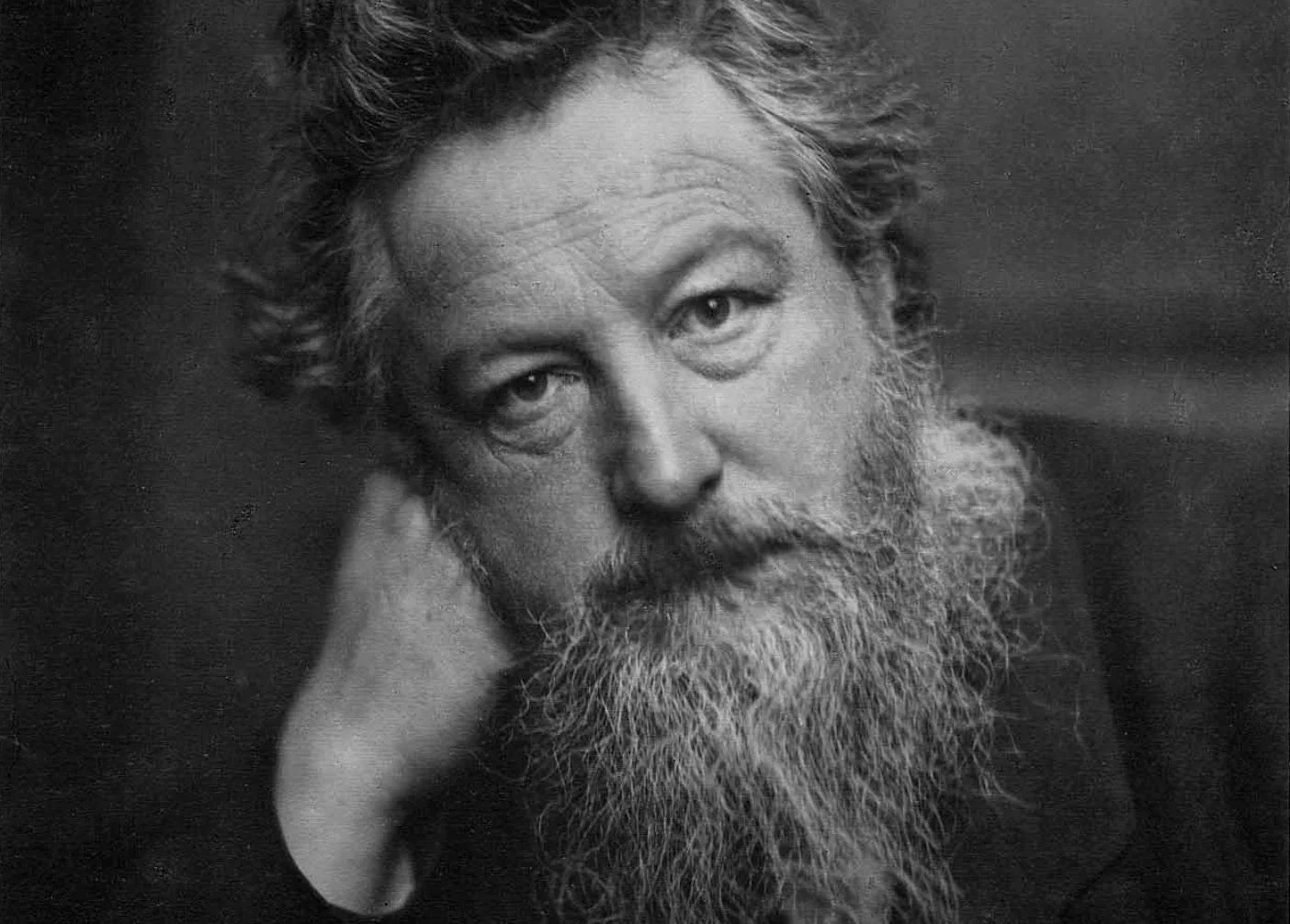
William Morris, born March 24, 1834, in Walthamstow, England, was a multifaceted artist, designer, writer, and social activist. Often considered one of the most influential figures of the Arts and Crafts movement, Morris designed textiles, wallpaper, and furniture. He was a founding member of the Pre-Raphaelite Brotherhood and a pioneer in the preservation of historic buildings. A passionate socialist, Morris worked tirelessly for social reform. Let's explore 30 interesting facts about William Morris to gain insight into the life and work of this creative genius.
- Morris is widely known for his revival of traditional British textile arts and crafts, particularly hand block printing.
- In 1861 he founded Morris, Marshall, Faulkner & Co. (later known as Morris & Co.), a company that manufactured decorative arts and crafts.
- Morris was not only a designer but also a writer, writing several novels, including the famous News from Nowhere.
- Morris was an environmentalist and believed in creating products that were both beautiful and useful.
- He played a significant role in the creation of the Society for the Preservation of Ancient Buildings.
- Morris often drew inspiration from nature in his work, using intricate patterns featuring birds, flowers, and leaves.
- He was one of the founders of the Socialist League in 1884 and was active in fighting for workers' rights.
- Morris's childhood home was Water House in Walthamstow, which later became the William Morris Gallery.
- He studied at Oxford University, where he met Edward Burne-Jones, with whom he co-founded the Pre-Raphaelite Brotherhood.
- Morris taught himself Old Norse and translated various Icelandic sagas into English.
- The Kelmscott Press he founded in 1891 played a major role in reviving the private publishing movement.
- Morris's designs were not limited to textiles; he also created stained glass.
- As a connoisseur of medieval art, he helped restore churches and preserve their original appearance.
- Morris's passion for calligraphy inspired him to write and illustrate many of his books.
- His artistic philosophy extended to his home, the Red House, which he designed and decorated with his friends.
- Morris's political beliefs were reflected in his lectures, essays, and activism in support of the socialist movement.
- His work has had a profound influence on design education, affecting institutions such as the Royal College of Art.
- He had close connections with other artists of his time, including Dante Gabriel Rossetti and Philip Webb.
- Morris's wallpaper designs continue to be reproduced and remain popular to this day.
- His Kelmscott Chaucer, published in 1896, is considered one of the most beautiful books ever written.
- Morris was also a talented poet, publishing such collections as The Defence of Guinevere and The Earthly Paradise.
- He visited Iceland, and the impressions of the trip influenced both his literary work and his design work.
- Morris's motto, "Art by the people and for the people," reflected his belief in the accessibility and functionality of art.
- Despite his devotion to traditional craftsmanship, Morris understood the need for machine production and sought ways to humanize industrial processes.
- He was one of the founders of the Guild of Artists and Craftsmen, whose aim was to bridge the gap between designers and craftsmen.
- In 1879, Morris served as treasurer of the National Liberal League, a position consistent with his political beliefs.
- His efforts to preserve historic buildings extended to such famous sites as Tewkesbury Abbey and St Mark's Basilica in Venice.
- Morris believed that art and beauty could enrich everyday life and should not be limited to galleries or the elite.
- He opposed the restoration practices of his time, viewing them as misguided attempts to modernize rather than preserve historic structures.
- Morris's influence spread to the United States, inspiring the American Arts and Crafts movement.
The life and work of William Morris represent a captivating blend of artistic talent, social responsibility, and dedication. His influence on design, literature, and political thought has left an indelible mark across a variety of fields. Morris's vision of an aesthetic rooted in functionality and beauty, his commitment to preserving history, and his tireless fight for social justice continue to inspire artists and thinkers today. His legacy remains a testament to the power of creativity, conviction, and collaboration.