








Asset management isn't just about fixing problems. It impacts how people work, collaborate, and stay focused in a rapidly changing environment. Strategic upgrades can reduce recurring issues, support evolving workflows, and maintain stable performance as teams grow or shift focus.
Making the right improvements now can streamline your day-to-day operations and enable your company to compete more effectively in the face of changing demands.
Transition to a busbar system for flexible access to power and lighting.
Modernizing electrical and lighting systems is simplified by a busbar system. This innovative method reduces the number of wires on upper floors, replacing outdated cable networks. The result? Clean lines and a tidy space that promotes improved air circulation and lighting. Fewer visual distractions make it easier for people to focus and work more efficiently.
Quick-swappable units allow for quick and easy changes, avoiding lengthy downtime that slows down operations. Maintenance is also simplified, as a standardized layout across all departments facilitates repairs and upgrades. If you're considering a transition, start by analyzing each area of your facility to develop an optimal layout.
Installation of sensor-based lighting and load control systems.
Implementing sensor-based lighting and load management systems ensures each space has exactly what it needs—no more, no less. Lighting fixtures respond to movement and occupancy, adjusting brightness based on traffic flow or ambient conditions. This creates a more comfortable environment and eliminates energy waste. Facilities that employ zoning strategies can reduce lighting costs by up to 30%, especially in spaces such as storage areas, hallways, or unused conference rooms.
Automatic load management also shuts down non-critical equipment during periods of high demand, reducing peak energy costs. For best results, choose platforms with intuitive control panels that make it easy to monitor consumption patterns and fine-tune settings across multiple zones.
Transition to tool balancing guide systems for improved ergonomic efficiency.
Improving workstations with tool-rail balancing systems helps employees feel comfortable and organized. These systems suspend tools above workstations, keeping the workspace tidy and clean. Tools become easier to access, and clear surfaces help people focus and complete work faster. For example, frequently used torque wrenches or pneumatic tools can be kept within easy reach without cluttering the workspace.
Repetitive motion injuries often occur due to improper tool positioning and poor tool setup. Tool balancing systems allow for quick tool changes, which can improve productivity, especially when working with multiple production lines. To ensure a smooth transition, determine which tools are used most frequently and select a guide system that meets these needs.
Adding modular workstations with built-in utilities.
Modular workstations provide adaptability to constantly changing and fast-paced work environments. Integrated communications, such as power, data, and compressed air connections, allow for quick reconfiguration for new workflows or project expansion. Teams can adapt more quickly, reducing downtime when launching new initiatives or reconfiguring production lines.
Tailoring workstations to specific tasks—for example, adding integrated lighting for inspection teams or adjustable surfaces for assembly work—helps employees stay productive and focused. This level of personalization avoids the inefficiencies of relying on a one-size-fits-all solution. For best results, map out your current workflows and equip each workstation with features that directly support these responsibilities.

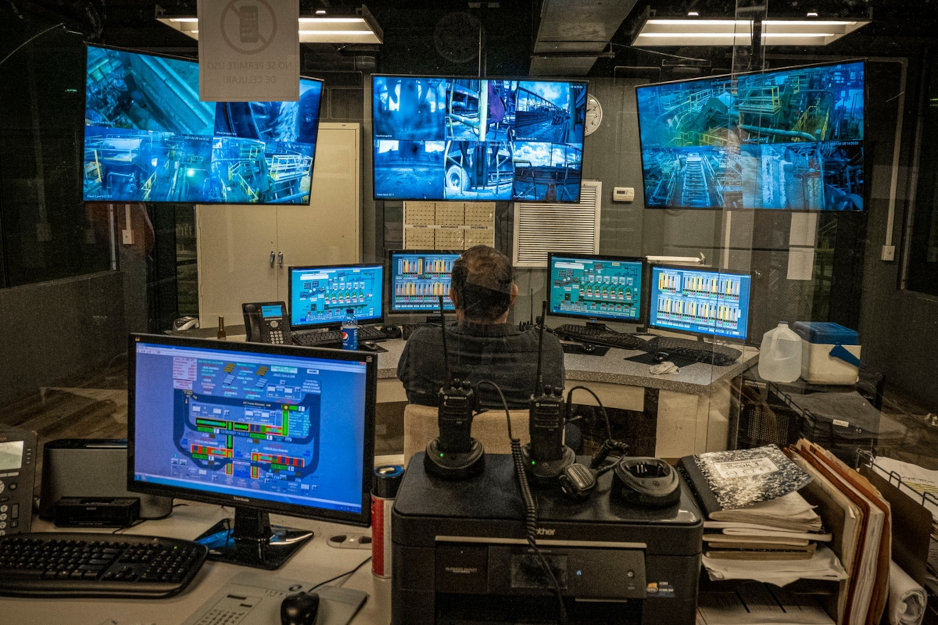
Implementation of digital monitoring to ensure transparency at the facility level.
Real-time monitoring of energy consumption and equipment performance is possible with digital monitoring systems. IoT sensors instantly alert to performance degradation or abnormal system behavior, allowing teams to respond before problems escalate. This proactive approach helps prevent unplanned downtime and improves safety and operational efficiency.
Historical data can also reveal patterns that lead to smarter investments. For example, a business might discover that one unit of an HVAC system is consuming 25% more energy than the others, prompting a cost-effective replacement. Organizations using such systems report a reduction in equipment failures of up to 20% within the first year. Simple dashboards and mobile access allow teams to act quickly and confidently.
Smart updates don't have to be large-scale to yield results. Small, timely improvements can improve team efficiency and minimize unnecessary disruptions. Flexible layouts, automated systems, and thoughtful workspace organization make it easier to respond to changes without delay. Real-time monitoring provides clarity, helping teams take action before problems escalate. Organized and adaptable workspaces support changing priorities with fewer disruptions. Instead of waiting for breakdowns to occur, analyze daily workflows and identify what's holding people back.
Improvements that seem small often have the greatest impact in the long term. Investments now lay the foundation for a more efficient and effective business, better prepared for future challenges.