








Imagine places imbued with a mysterious light by centuries-old legends. Archaeological sites are more than just plots of land; they are veritable repositories of stories that evoke awe and curiosity. These ancient landscapes inspire both myth and rigorous science. After all, what lies behind the words "ancient legends"? Archaeologists, like true detectives of the past, try to distinguish historical truth from pure fiction. And sometimes they find confirmation or new interpretations of what seemed inaccessible—be it mysterious structures or entire cities mentioned only in legend. This article is your guide to a world where myths and facts intertwine. We'll explore nine such unique sites, which archaeologists are gradually bringing out of the shadows of legend. Are you ready to embark on a journey through time to see how ancient stories take on new facets? Let's unravel these mystical places together and delve into a history that lives on today.
1. Troy, Türkiye
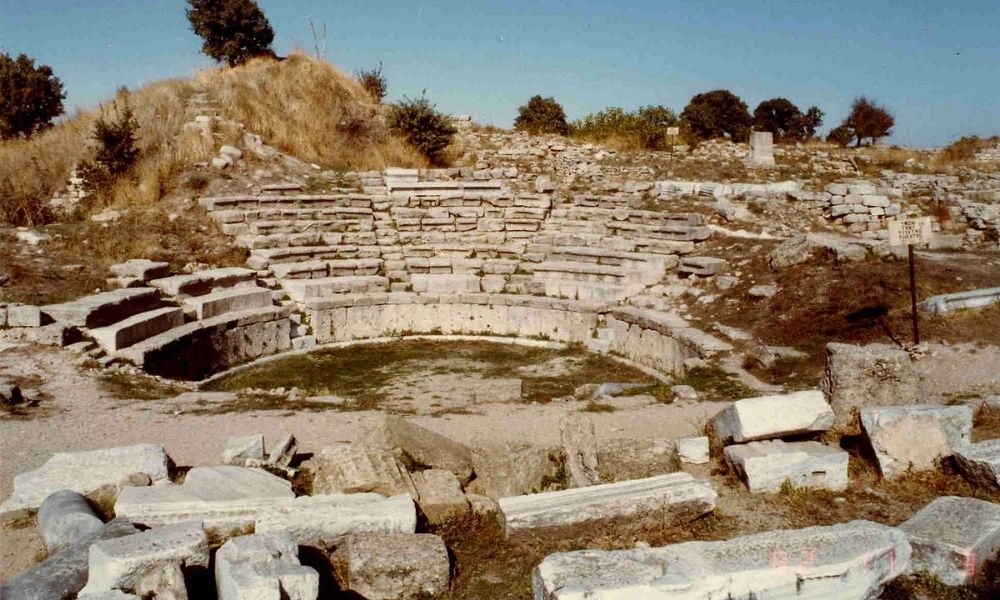
Let's begin our list of legendary places that actually exist with a city in Turkey. As you know, for many years, there has been ongoing research into whether Troy is a real city or a legendary one. Troy is one of the most famous cities in classical Greek mythology, playing a prominent role in Homer's Iliad and Virgil's Aeneid. Stories of Troy are full of fantastical details, such as the intervention of the gods in the war, the semi-divine origins of the Spartan hero Achilles, and a wooden horse full of Greek soldiers. However, archaeologists believe there is a grain of truth to these legends.
«"I believe the Trojan War was a historical event, but not as Homer described it," says Rustem Aslan, director of the Troy excavations in Turkey. Thanks to excavations that lasted about 150 years, we know that Troy was used as a settlement for 4,000 years. It has also been shown that in the Late Bronze Age (the period when Homer described the Trojan War), "the Trojans began to prepare for an external threat.".
While researchers try to determine exactly where the battle took place, Rustem Aslan believes that Troy is buried beneath the sediments of the Scamander River (now the Karamenderes) at a depth of 65 feet. Troy's strategic importance stemmed from its control of this river's mouth.
Besides Troy, other mythological sites in the region are worthy of attention. Archaeologists such as Apollo Smintheion consider the sacred forests of Antandros and Mount Ida to be historical sites corresponding to places mentioned in the Iliad and Aeneid.
2. Gorham's Cave (Medusa's Cave), Gibraltar
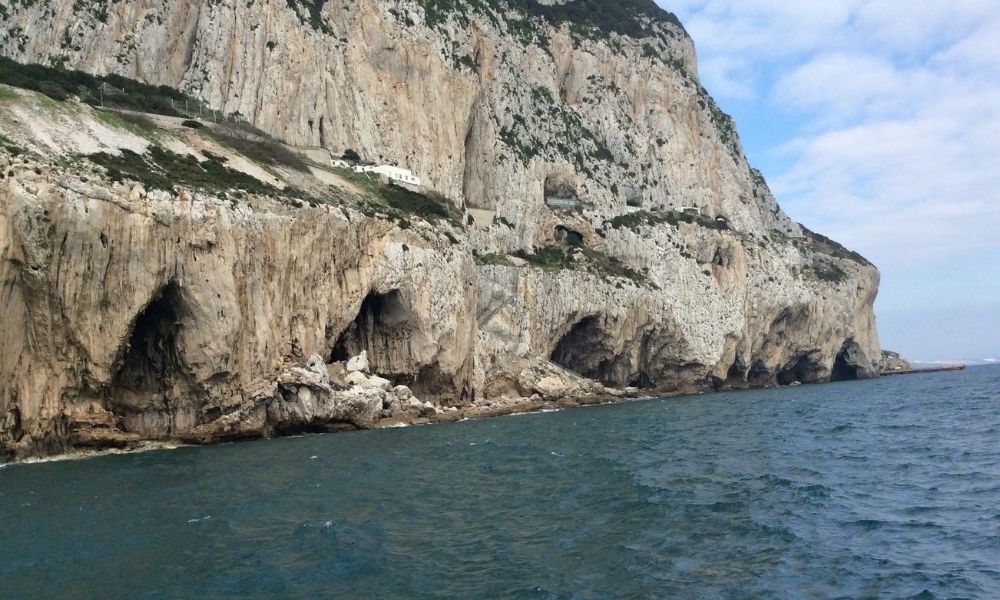
Gorham's Cave is a natural cave located at the foot of the Pillars of Hercules in the Strait of Gibraltar. This location represented the boundary of the world known to ancient mariners. However, a study published in the journal PLOS One in 2021 suggests the cave may have played a more significant role in Greek mythology. Deep within the cave, archaeologists discovered a large fragment of a Gorgon head, dating to the sixth century BC. The Gorgons were three sister monsters in Greek mythology who turned sailors to stone with their gaze. According to legend, the hero Perseus beheaded Medusa while she slept, an event that occurred near the Rock of Gibraltar.
Although other Medusa figures have been found in the area, this is the first discovered inside a cave. Researchers have concluded that Gorham's Cave was a spiritual site, believed by ancient sailors to be the abode of the Gorgons and the site of Medusa's defeat.
3. Tintagel Castle (King Arthur's Castle), England
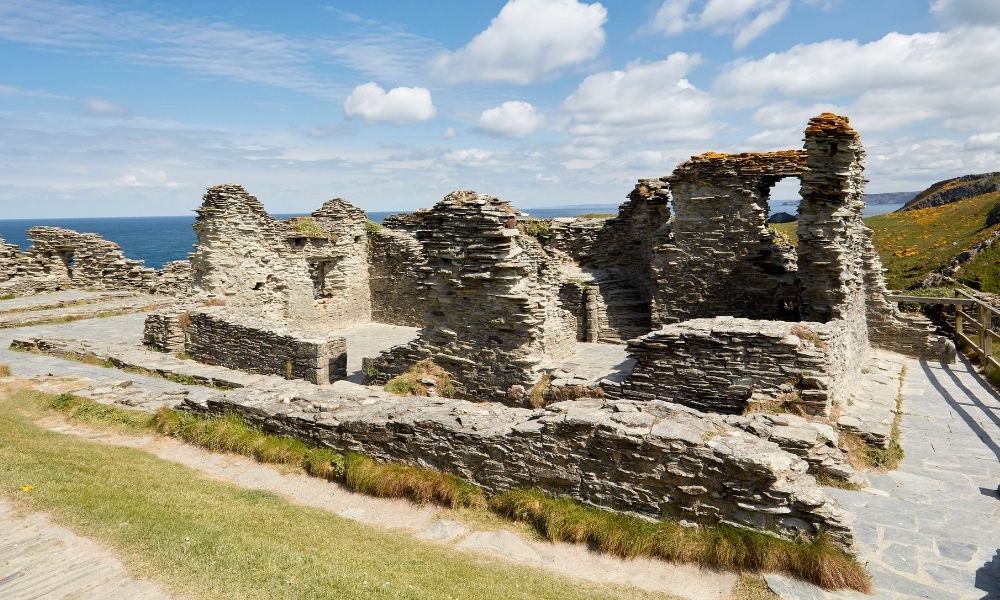
Tintagel Castle is a spectacular 13th-century castle located on the coast of Cornwall, England. Geoffrey of Monmouth described the castle as the birthplace of King Arthur, and so it became associated with the castle's legend. But, as you know, King Arthur is one of England's greatest legends. However, researchers continue to explore this myth. For example, a very ancient settlement was recently discovered near the castle that may have belonged to King Arthur. "We have very strong evidence that this latest discovery was an exceptional site from which large quantities of luxury goods were imported from the Mediterranean," says archaeologist Jackie Nowakowski, head of the Tintagel Castle archaeological research project. Although the team cannot confirm the presence of traces from King Arthur's period, they say the site has a strong profile, indicating a connection with Arthur.
4. L'Anse Aux Meadows (Vineland), Newfoundland
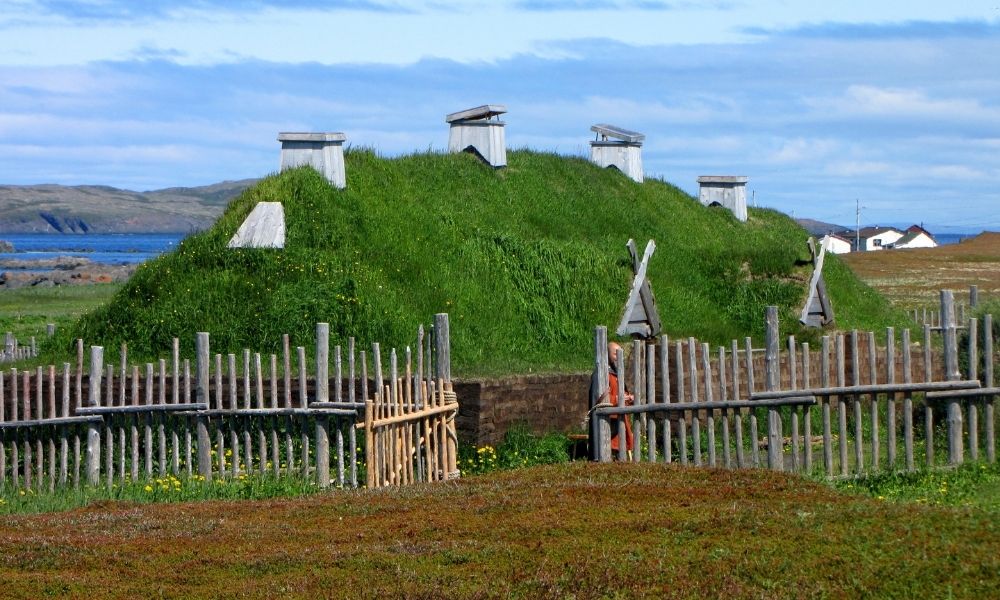
For years, researchers have searched for evidence of Vinland—the lush pastures and salmon-rich land described in the 13th-century Greenland Saga. According to legend, the Viking Leif Eriksson and his crew briefly settled in the area around 1000 CE. If the legend is true, it means Europeans discovered America approximately 500 years before Christopher Columbus. When Norse-style buildings with turf walls were discovered in the 1960s on the northernmost coast of Newfoundland, Canada, archaeologists hypothesized that this was Vinland. Artifacts of European origin—a bronze cloak pin, a spindle whorl, a piece of gilded brass, as well as sites of iron smelting and processing—soon strengthened the belief that this was the legendary Vinland.
5. Lake Guatavita (El Dorado), Colombia
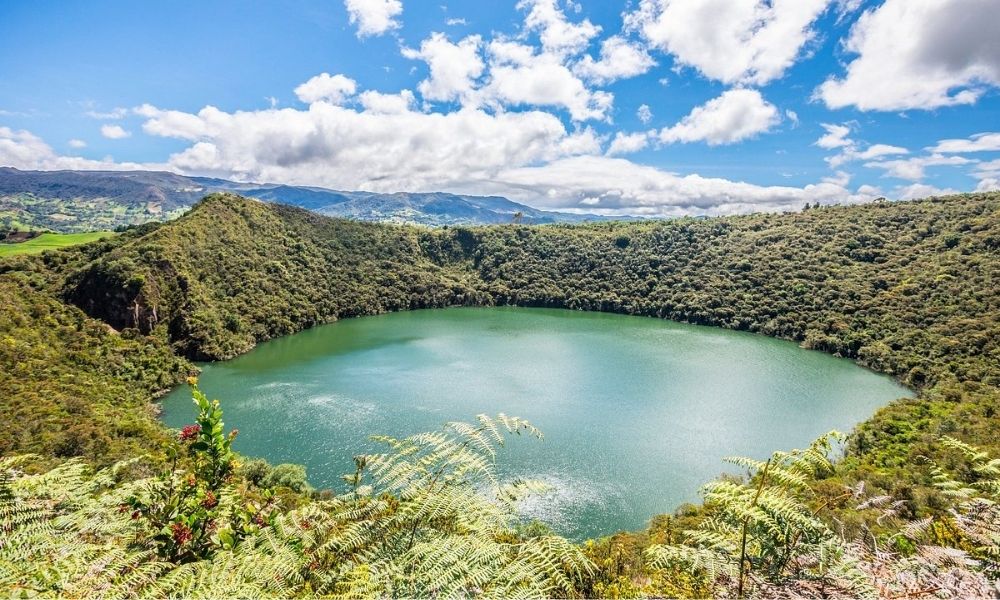
Spanish conquistadors spoke of a legendary South American kingdom in 1541. According to this legend, the ruler of the kingdom, El Rey Dorado, covered himself in gold dust and performed a ritual in a lake. Furthermore, gold mines gushed forth throughout the kingdom. In the following centuries, explorers searched for El Dorado in Colombia, Venezuela, Guyana, and Brazil, but to no avail. Ultimately, all hope of its existence was lost. But archaeologist and curator Juan Pablo Quintero-Guzmán says there is a grain of truth to the story: «"All the lakes in Muisca lands were sacrificial sites. Rituals similar to those in El Dorado could have been performed in some lakes, but I believe Lake Guatavita was the center of this ritual.".
Over the past 400 years, artifacts made of gold and copper alloys, emeralds, and objects used in various rituals have been recovered from Lake Guatavita. Quintero-Guzmán notes that these rituals took place in a temple near the lake. Although the excavation results do not conclusively prove that Lake Guatavita is the location mentioned in the legend, it is possible that the legendary El Dorado ceremony took place here.
6. Ain Dara (Temple of Solomon), Syria
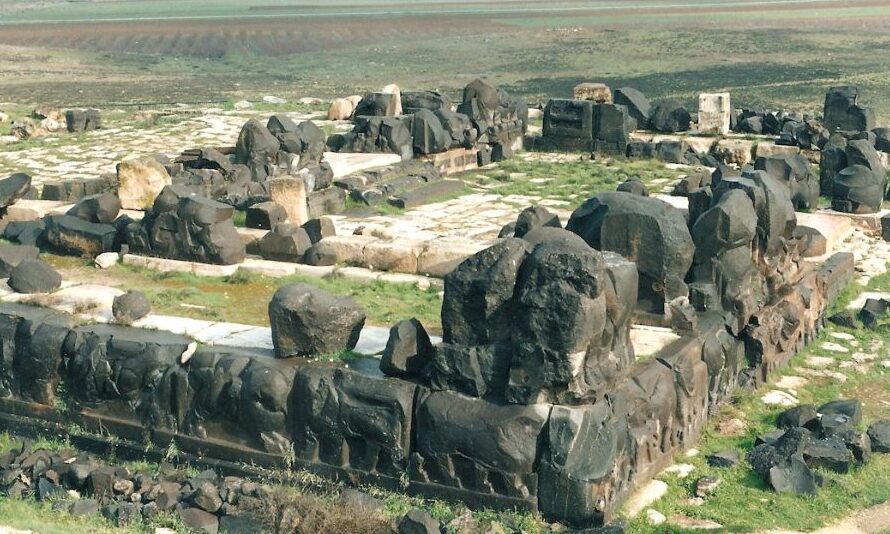
Ain Dara is one of those legendary sites that actually exists. In 2018, the armed conflict in Syria destroyed the historically important Ain Dara shrine. This 3,000-year-old temple, located in northwestern Syria, is associated with the biblical Temple of Solomon. The ancient site had many similarities with the temple mentioned in the Book of Kings. These similarities included walls decorated with reliefs of lions and angels, a stone-paved courtyard, a grand staircase guarded by sphinxes, and a multi-story corridor. Furthermore, the temple was located on a high platform overlooking the city, consistent with the biblical description. However, due to bombing and looting of the area, archaeologists have had difficulty finding further evidence of the temple's legendary status. Nevertheless, some important artifacts remain on display in the Aleppo National Museum.
7. Kastelli (Labyrinth of the Minotaur), Greece
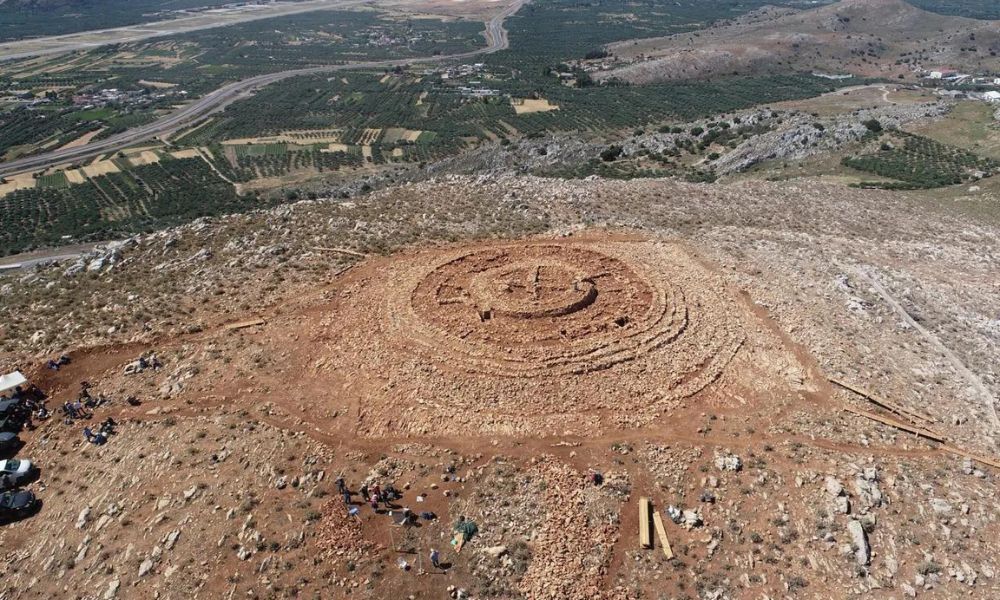
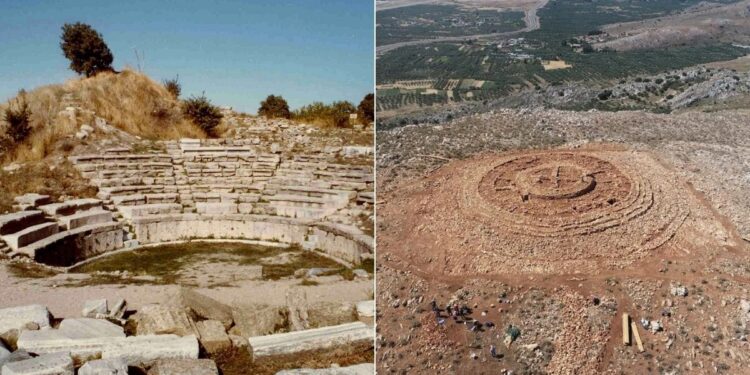
During the construction of a new airport on the island of Crete, workers made an unexpected discovery. The Kastelli site on Crete resembles a tomb built by the Minoan civilization between 2000 and 1700 BC. However, for those familiar with Greek mythology, the site will likely recall the labyrinth of the Minotaur. In mythology, a bull-headed monster called the Minotaur was imprisoned in a labyrinth built by the architect Daedalus. Theseus of Athens found a way out of the labyrinth, slew the monster, and rescued its victims. The architecture of Kastelli bears some resemblance to the legendary labyrinth. Although these details have not yet been fully studied, ceremonial offerings and evidence of communal feasting found here suggest that this site may have been part of the legendary story. Kastelli is closed to the public, but the ancient palace of Knossos, believed to be the site of the Minotaur's labyrinth, is open to visitors.
8. Steinkjer, Norway
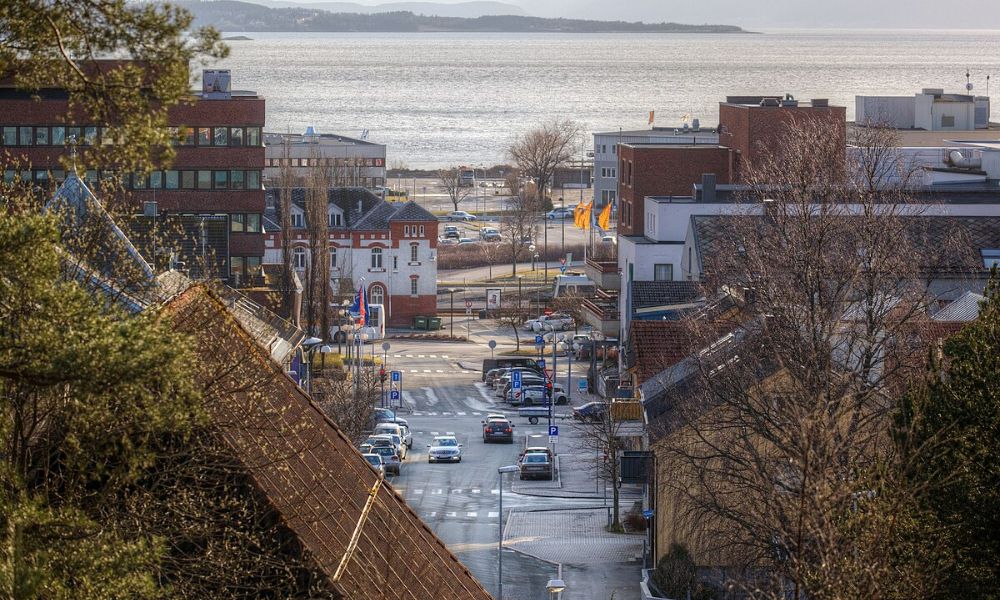
The Norse sagas briefly mention one of the largest trading centers in the Viking world, but its exact location is unknown. Archaeological excavations conducted in 2013 uncovered a number of interesting finds near Steinkjer. During the excavations, conducted during the widening of a major highway in Norway, two separate boat-shaped burials were discovered. These graves were associated with high-status goods and contained items such as silver buttons, various scales, and imported jewelry. Taken together, these artifacts suggest that Steinkjer may have been the major trading city mentioned in the Norse sagas.
9. Pool of Siloam, Jerusalem
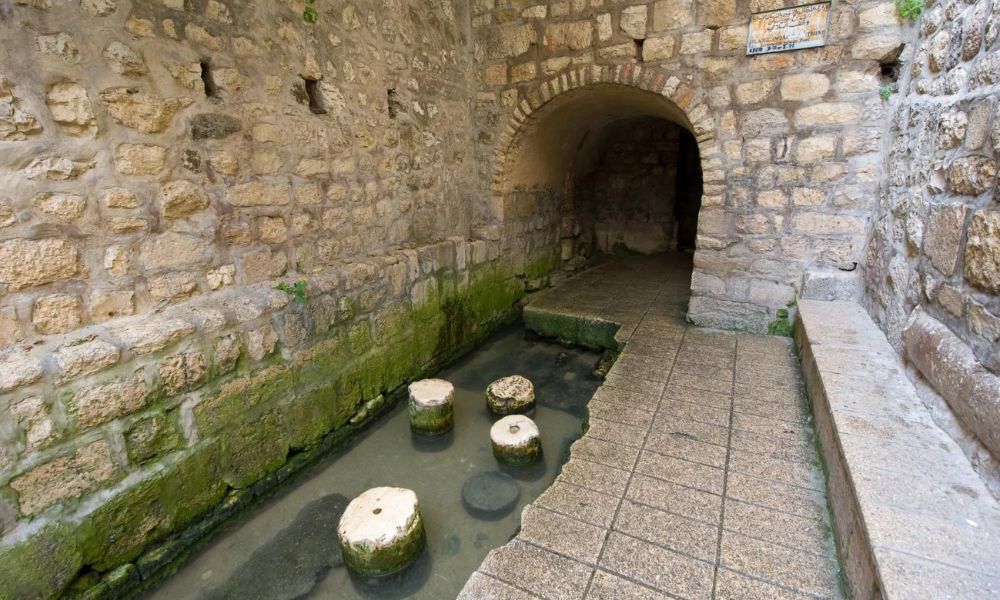
The New Testament describes how Jesus restored sight to a blind man at the Pool of Siloam in Jerusalem. Christians have searched for this pool for centuries. In 2004, two ancient stone steps were discovered during repairs to an aqueduct south of the Temple Mount. Archaeological excavations later uncovered a 2,700-year-old, 225-foot-long pool where Jesus supposedly performed his miracle. This pool was an important part of ancient Jerusalem's water system and likely served as a ritual bath for pilgrims. Meticulous excavations and restoration over the past 20 years have uncovered the ancient Pool of Siloam and opened it to the public as part of the City of David National Park.