






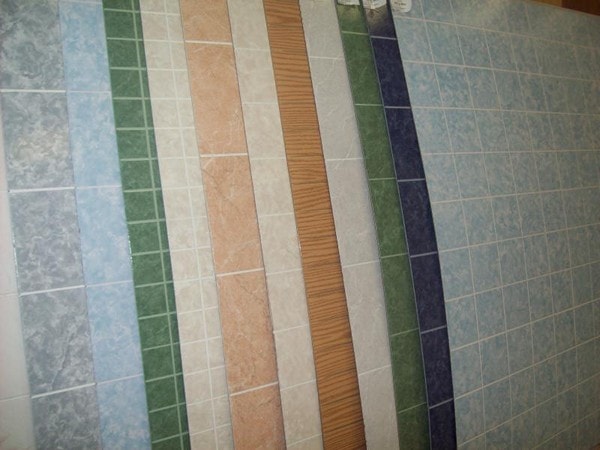
Finishing bathroom walls is always a challenge. You need to find a material that can withstand constant humidity, temperature fluctuations, and splashes of soapy water while still creating the desired ambiance. Ceramic tile has long been the undisputed leader, but its installation is labor-intensive, grout lines require maintenance, and the surface itself can appear cold and impersonal. Moisture-resistant wall panels have become an excellent alternative, gaining increasing popularity. I've watched this material evolve from simple plastic sheets to modern design solutions that can imitate stone, wood, fabric, and even mosaics. Working with panels has its own specifics, but with the right approach, the results exceed expectations: the room is quickly transformed, and wall maintenance becomes significantly easier. Let's take a closer look at the different types of panels, how to install them correctly, and what design tricks can be used.
Wall panels for wet areas are large-format products made from water-resistant materials. Their main advantage over tiles is the speed and cleanliness of installation. There's no need to mix adhesive, wait for it to set, or grout. Panels are often mounted to a frame or glued down, which helps conceal minor imperfections in the underlying wall. The surface is virtually seamless (depending on the panel type), doesn't accumulate dirt, and can be cleaned with any non-abrasive cleaner. Another advantage is thermal insulation. Panels, especially when installed on a frame, create an air gap, making the walls feel less cold to the touch. However, it's important to understand that not all panels are equally suitable for bathrooms. The key word here is "water-resistant" or "water-impermeable." Regular MDF or chipboard are absolutely not suitable for this purpose.

Types of moisture-resistant panels: PVC, MDF, glass and others
The main distinction is made based on the base material. This determines durability, installation method, appearance, and, of course, price.
Plastic panels (PVC). The most affordable and popular option. Made from polyvinyl chloride with additives that enhance strength and UV resistance. They come in two types: prefabricated slatted panels (lining) and large-format sheet panels. Slatted panels are typically 25-50 cm wide and up to 3 meters long, joined using a tongue-and-groove system. Sheet panels can imitate tile, marble, or mosaics and measure approximately 1.2 x 2.4 m. Advantages of PVC: incredible moisture resistance, light weight, ease of cutting and installation, and a wide range of colors. Disadvantages: relatively fragile, cheaper models can fade and scratch, and have a distinctive odor that dissipates over time.

Moisture-resistant MDF panels. This is a more serious material. MDF is made from finely divided wood chips pressed under high pressure and temperature. Moisture resistance is achieved through special impregnations and a dense structure, as well as a coating—most often PVC film (lamination) or veneer. These panels are stronger than plastic, absorb sound better, feel warmer, and are often visually indistinguishable from natural wood. However, they are heavier and more expensive than PVC. During installation, sealing joints and edges is critical, as direct and prolonged contact with water can damage the core.

Glass panels. An elite and incredibly striking option. Tempered glass, 6-12 mm thick, is used, available in clear, frosted, tinted, printed, or with interior decorative elements. The glass is completely waterproof, hygienic, fade-resistant, and visually expands the space. Installation is complex and requires skill—the panels are very heavy and are attached with special clamps or glued to a perfectly flat wall. The price is high, but the service life is virtually endless.
Acrylic stone panels. These are sheets of artificial stone made from acrylic resins and mineral fillers. They are seamless, warm to the touch, and can be bent, allowing for the creation of countertops and sinks that integrate seamlessly with the walls. They are extremely durable and repairable. The main drawback is their very high cost and the need for professional installation.
Installation methods: glue and frame
The choice of installation method depends on the condition of the walls, the type of panels, and the desired result. Each method has its own strengths and weaknesses.
Mounting with glue (liquid nails, polyurethane glue). This method is suitable for flat, strong, and dry walls (concrete, brick, drywall). It minimizes space loss since there is no frame. The wall surface must be cleaned, degreased, and primed. Adhesive is applied to the back of the panel in a zigzag pattern or dots, after which the panel is pressed firmly against the wall. It is important to use a level and temporary supports until the adhesive sets. This method is ideal for large-format sheet panels. Pros: speed, cleanliness, minimal thickness. Cons: requires a perfectly flat base, is difficult to remove without damage, and does not allow for insulation or concealment of thick utility lines.

Installation on a frame (lathing). A more versatile and common method. A frame allows you to level any wall, create a ventilated gap, and install wiring, pipes, or insulation behind the panels. The frame is made of either wooden beams treated with an antiseptic or galvanized metal profiles (like those used for drywall). A metal frame is preferable for bathrooms, as it is completely impervious to moisture. The batten spacing is typically 40-60 cm. The panels are attached to the frame with screws, clips, or clamps, depending on their type. For PVC slatted panels, plastic or metal starter and connecting profiles are often used, which set the direction and conceal the edges.

Which method should you choose? If the walls are relatively smooth and you need to quickly update the interior without extensive renovations, use adhesive. If the walls are uneven, you want to improve heat or sound insulation, or you plan to frequently change the finishes in the future (panels make it easy to hide new wiring), use a frame.
Design and visual effects: from mosaics to 3D
Modern printing and molding technologies allow us to create panels with any pattern, opening up limitless design possibilities.
Imitation of natural materials — the most sought-after trend. Tile-effect panels with a seamless pattern create the effect of seamless tiling. Marble, granite, or wood-effect panels look so realistic that they're difficult to distinguish from a distance. This is a great way to create an upscale interior on a budget. It's important to choose high-quality panels with good print resolution and a surface texture that mimics the natural material.
Mosaic and panels. Large-format panels with pre-fabricated images of sea pebbles, Roman mosaics, or abstract murals become the main accent of the bathroom. They can be used on a single wall, creating a focal point. This surface is easier to maintain than real mosaics with their many grout lines.
3D panels. Three-dimensional panels with geometric or floral reliefs. They add movement to walls, playing with light and shadow. These panels are usually made of PVC or gypsum (water-resistant gypsum is required for damp areas). They are best used locally to avoid overwhelming the space, and paired with flat panels or painted walls.
Color solutions. Light panels (white, beige, light gray) visually expand the space and reflect light. They can be combined with bright accents in furniture or textiles. Dark panels (graphite, navy blue, black) create a dramatic, deep backdrop against which chrome fixtures and glass stand out. In small bathrooms, dark colors are best used on a single accent wall.
Framing, joining and masking of communications
The beauty of the finish depends largely on the details: how the corners are decorated, the joints with adjacent surfaces, and how the necessary elements are hidden.
- Angles. Special plastic or aluminum corners are used to decorate internal and external corners. They can be the same color as the panels or a contrasting color. The corner not only conceals the joint but also protects it from damage. A more expensive and attractive option is to cut the panels at 45 degrees and overlap them, but this requires precision.
- Joint with ceiling and floor. The gap between the wall panel and the ceiling/floor is covered with a baseboard. For bathrooms, it's best to use plastic baseboards that match or contrast with the paneling. The baseboard can be plain or have a cable channel for lighting.
- Framing of openings and niches. If a paneled wall contains a mirror, shelf, or niche, their edges are finished with special profiles (starter, F-shaped, or overlay). This creates a finished and neat look.
- Masking of pipes and valves. One of the key advantages of the frame method is that all pipes remain within the space between the walls. Access to valves and meters is provided by cutting openings in the panels, which are then covered with decorative removable covers. Everything looks aesthetically pleasing while maintaining functionality.

In conclusion, it's worth noting that wall panels aren't a compromise, but a fully-fledged modern finishing technology. They allow you to achieve spectacular results in a short time, with minimal costs for substrate preparation. The key to success is the right choice of material (necessarily moisture-resistant), high-quality installation with careful sealing of joints, and a well-designed project. Don't be afraid to combine panels of different textures and colors to create unique interiors. Maintaining this finish is a pleasure: simply wipe it with a damp cloth periodically. This way, you get beautiful, warm, and practical walls that will delight you for years to come, despite the harsh conditions of a bathroom.