







Although dogs are known for their ability to communicate with us, it can sometimes be difficult to tell if they're in pain. For the health and well-being of our companions, it's crucial to know the signs that your dog is sick and recognize them early. For example, a broken tooth may cause a dog to turn up its nose while eating, while a stomach ache may cause it to lick the ground constantly. It can be difficult to understand what exactly your dog is trying to tell you. In this article, we'll discuss the signs that your dog is experiencing health problems and when you should consult a veterinarian 👇
1. He constantly licks himself.
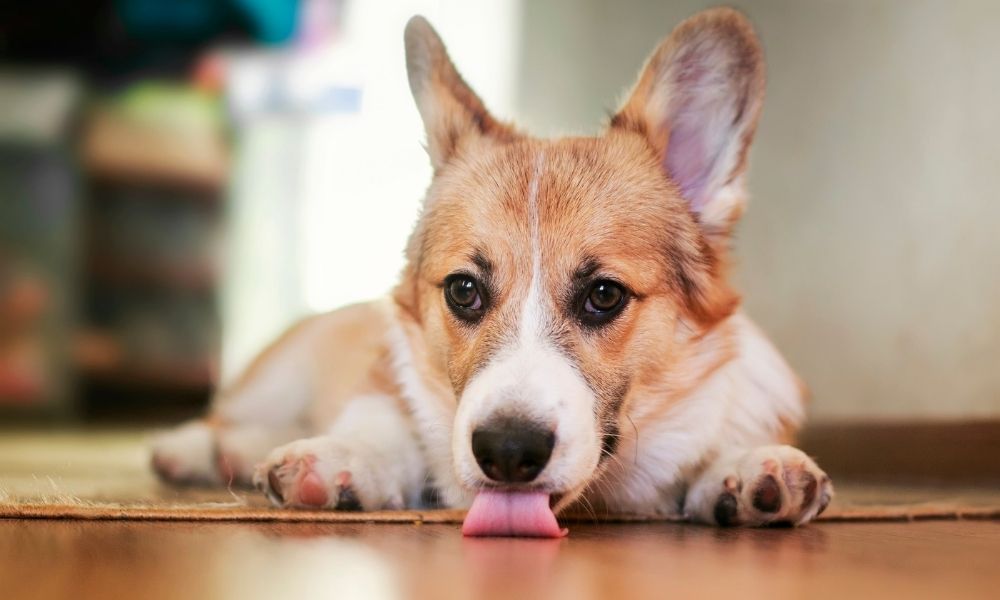
According to veterinary behaviorists, if your dog constantly licks itself or chews on parts of its body, it may be experiencing pain on or under the skin. This obsessive behavior can also be a sign of anxiety, itching, compulsive disorders, or gastrointestinal pain or discomfort. While constant licking in dogs may not seem like a big deal, it can actually damage their skin and increase pain.
2. He drools a lot.

All dogs drool. But if your dog is drooling excessively, there may be a serious problem. Anxiety caused by pain or discomfort can lead to excessive salivation in dogs. If you notice excessive drooling, bad breath, facial swelling, or difficulty chewing, it's time to consult a veterinarian.
One of the most common causes of drooling is nausea. Other causes include a sinus infection, a foreign object lodged in the throat, a limb or tail injury, kidney or liver disease, and, in severe cases, a life-threatening condition called volvulus. Drooling and foaming at the mouth are also common symptoms in dogs that have eaten something toxic, such as chocolate or grapes.
3. His appetite changes.
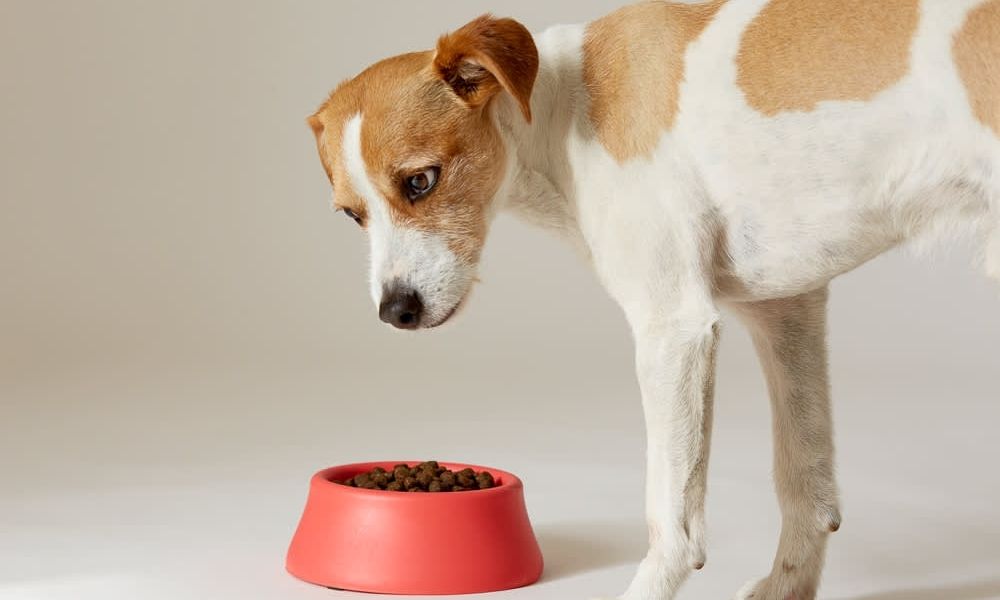
Changes in appetite can be a sign of many health issues. If your dog refuses to eat, they may be adjusting to a major change in their lifestyle or may have a serious illness, such as a broken tooth, a virus, or cancer.
When a dog is in pain, they may often begin to eat less or stop eating altogether. If your dog experiences a sudden change in appetite that lasts more than 12 to 24 hours, consult a veterinarian.
4. Sitting or standing for long periods of time

Posture can reveal a lot about your dog's physical and psychological state. For example, a dog may sit with their hind legs extended if they have hip pain, lower their head if they have neck pain, or arch their back if they have a spinal injury. They may even wag their tail less or lower their ears.
Another sign that a dog is in pain is its restlessness and constant changes in body position.
5. I can't stop shaking.

Many older dogs suffer from chronic joint or back pain. Neurological conditions can also cause tremors, although they aren't necessarily painful. If your dog trembles after standing, standing for a long time, or returning from a walk, this could also be a sign of underlying health issues.
6. He behaves lazily and sluggishly.

If your dog suddenly loses interest in favorite toys and activities and becomes generally apathetic, they may have been exposed to a toxic substance, be dehydrated, or have a viral or bacterial infection. While a reluctance to go for walks, a slower pace, and stiffness may seem like symptoms of old age, you may need to visit your veterinarian to determine the underlying cause.
7. He growls for no reason.
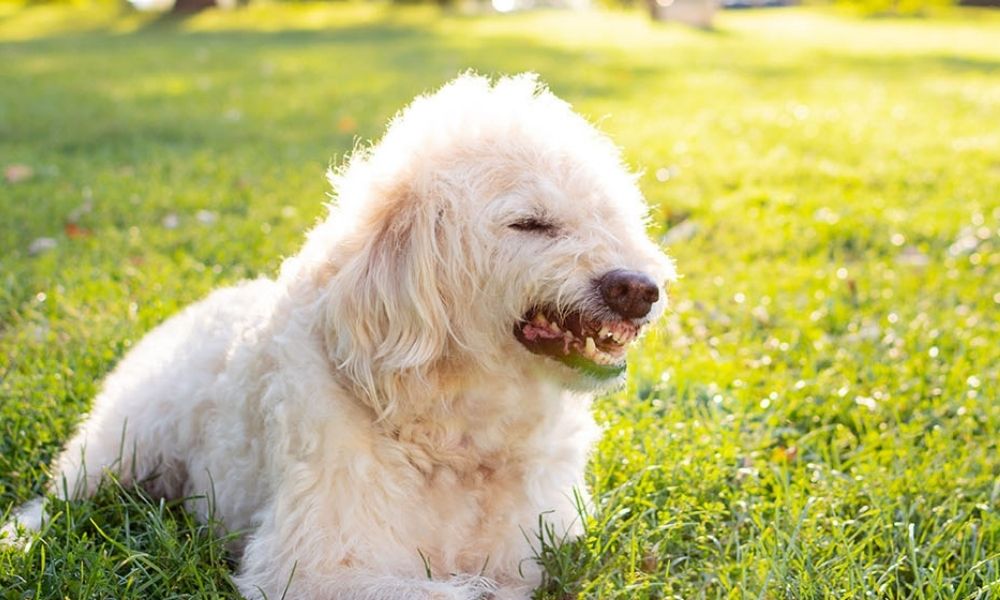
If your furry friend is usually cheerful and friendly but suddenly becomes cranky, they may be experiencing pain from an orthopedic injury or infection. In this case, if your dog growls and barks when changing positions, you may want to take them to the vet after observing them for a short time.
Share your opinion in the comments!