








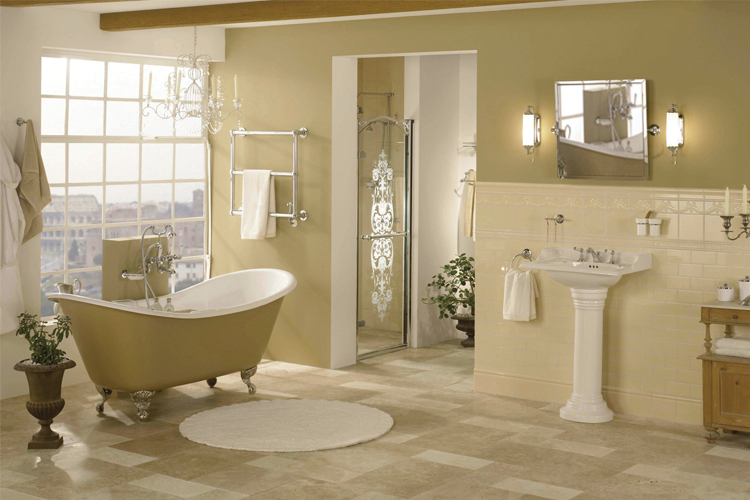
English interior design is more than just a specific set of furniture pieces or a color scheme. It's an entire philosophy embodying restraint, aristocracy, impeccable quality, and a deep respect for tradition. Translating this atmosphere into a bathroom is an ambitious undertaking, requiring significant resources, both financial and spatial. A classic English bathroom is a spacious, even majestic space, where every detail speaks of status, history, and impeccable taste. It departs from modern trends of minimalism and functionality, offering instead an immersion in an era that valued unhurriedness, comfort, and unostentatious luxury.
The key principle that distinguishes the English style from many others is a sense of proportion and harmony, achieved through complex yet balanced combinations. There's no room for random objects or flashy accents. Everything is subordinated to the overall idea of creating a cozy, respectable, and exceptionally well-made space. Only the finest natural materials are used: dark, polished wood of precious species (oak, walnut, mahogany), natural stone (marble, granite), brass, bronze, crystal, porcelain, and high-quality textiles made of cotton, linen, or silk. Plastic, chrome, and other "technical" materials would look out of place and ruin the overall impression.
Another important feature is intimacy, despite its large size. An English bathroom shouldn't resemble a public pool or spa. It's a very personal, almost intimate space. The lighting is subdued and warm, coming from multiple sources: candelabras, sconces, and table lamps. The furniture is arranged so that there's ample space between pieces to create a sense of calm and order. And, of course, a fireplace is a must. In modern times, it's often replaced by an electric fireplace with a high-quality imitation of real fire, but the very idea of a fireplace in the bathroom remains central, symbolizing warmth, comfort, and home.
Architectural basis: walls, floor, ceiling and window
Creating an English bathroom begins with the "framework"—the finishing of the main surfaces. Walls are rarely left simply painted, although this option is acceptable when using expensive matte paints in deep, complex shades: dark green (hunter green), burgundy, mustard, navy blue, or muted terracotta. A classic technique is to cover the walls with wood paneling, covering a third or half of the height. The panels are made of solid oak or painted in dark tones, and the upper portion of the wall is covered with fabric or textile wallpaper featuring a classic stripe or floral pattern (often stylized roses or fleurs-de-lis).
The floor is almost always parquet made of large dark wood planks laid in a herringbone or square pattern. For practicality, ceramic tiles imitating stone or marble can be used in the area immediately around the bathtub and sink, but their color and texture should perfectly complement the wood. A large, long-pile rug with an oriental or classic European pattern is a must. It not only adds coziness but also protects feet from the cold floor. Ceilings in English interiors are rarely plain. They are either painted white or cream with the obligatory stucco moldings around the perimeter (moldings, cornices, chandelier rosettes), or decorated with wooden beams if the style is more country cottage (Tudor style).
The window is the crown jewel of an English bathroom. It should be large, preferably panoramic, overlooking the garden or courtyard. Wooden frames are divided into small square or rectangular sections. A window covering is a multi-layered composition. The first layer is sheer tulle curtains, the second is thick drapes made of heavy fabric (velvet, damask, jacquard) with a lambrequin and cords with tassels. The color and pattern of the fabrics echo the upholstery or wall covering. If your bathroom doesn't have a window, you can create one with mirrors in deep wooden frames and artificial lighting, but this will be mere stylization, lacking the most important elements—natural light and a connection with nature.
The heart of the room: plumbing and furniture
Plumbing fixtures in an English bathroom are the antithesis of modern wall-hung systems and built-in solutions. They should be substantial, substantial, and beautiful in their own right. The central element is the bathtub. A freestanding cast iron bathtub with curved legs shaped like lion's paws or claws, covered in bronze or patinated to give an antique look, is ideal. The interior is made of white enameled cast iron. An alternative is a copper or zinc bathtub, which acquires a noble patina over the years. Acrylic bathtubs, even very high-quality ones, are not suitable – they lack the same tangible feel.
A pedestal sink made of porcelain or earthenware is also preferable. Bowls can be paired (two sinks side by side), if space permits. Faucets should be retro-style, two-handled, made of brass, copper, or nickel with ceramic or porcelain handles. The spout often has a tall, curved shape. The toilet should always have a separate, suspended cistern mounted under the ceiling and a chain-operated flush handle. This option is now available from many brands specializing in retro plumbing. All these elements are not hidden, but rather displayed like works of art.
Furniture serves not only a utilitarian but also a decorative function. These can include:
- Wooden chest of drawers with a marble tabletop and a mirror in a carved frame above it - for storing cosmetics and shaving accessories.
- Armchair or bench upholstered in leather or thick fabric, on which you can place clothes or a towel.
- Shelf or table on curved legs for placing books, candles or a tea set.
- Tall mirrored cabinet in a wooden frame, which, however, should not dominate the space.
All furniture should look as if it's decades old. Scuffs and signs of wear are acceptable, but a new-look shine is not. Hardware should include solid brass or bronze handles.
Decor, accessories and finishing touches
It's the details that create that unique atmosphere of good old England. Without them, a room would be nothing more than a collection of expensive fixtures and furniture. The decor should be refined, but not overly cluttered. Paintings in massive gilded frames—landscapes, portraits, or engravings—are hung on the walls. Black-and-white photographs in the style of the early 20th century are very appropriate. Mirrors—not just over the sink, but also full-length ones in ornate frames.
Textiles play a vital role. Besides window curtains, these include fluffy terry robes, Egyptian cotton towels embroidered with a coat of arms or initials, and high-pile rugs. The color palette of textiles includes cream, beige, burgundy, dark green, and blue. Patterns include checkered (tartan), stripes, and small florals. Porcelain figurines, silver or copper trays, jewelry boxes, and antique leather-bound books are displayed on shelves and tables. Live plants are rarely used due to the high humidity, but high-quality artificial flowers in ceramic vases or dried bouquets make a successful substitute.
The lighting is warm and yellowish. The main source of light is a large crystal or bronze chandelier with candle-shaped shades. It's complemented by sconces flanking the mirror and table lamps with fabric shades on the dresser or nightstand. The room's aroma isn't from chemical air fresheners, but from essential oils in an aroma lamp (lavender, bergamot, sandalwood) or from burning wood in the fireplace. The finishing touches are small but important accessories:
- Towel rail in the form of a copper pipe with forged hooks.
- Soap dishes and toothbrush holders made of frosted glass or porcelain.
- Toilet paper holder made of brass on the wall.
- Laundry basket made of wicker or rattan with a fabric lining.
- Watch with a pendulum in a wooden case on the wall or mantelpiece.
Adapting style to modern realities and budget alternatives
Recreating an authentic English bathroom in a city apartment with 2.5-meter-high ceilings and a floor area of 5 square meters is an impossible task. But that doesn't mean you have to abandon the style entirely. You can create an interior inspired by it, using key elements and adapting them to your needs. First, focus on color scheme and materials. Even in a small bathroom, you can use dark green matte paint on one accent wall, a wooden mirror frame, and retro-style faucets. Avoid bulky cabinetry in favor of one or two functional pieces: for example, a narrow wooden vanity unit and a small shelving unit.
Secondly, play with textures. Even if the walls are plain tile, add a textile rug, velvet shower curtains (if you have one), and fluffy towels. Thirdly, consider lighting. Replace a standard ceiling light with a retro-style model with candle shades and install warm-light sconces above the mirror. This will instantly change the atmosphere. A fireplace, of course, isn't a standard apartment, but you can simulate one with an electric fireplace attachment or even just a beautifully framed painting of fire.
Budget-friendly alternatives to expensive materials do exist. Instead of solid oak, you can use MDF panels with high-quality veneer or even dark paint. Ceramic tiles in a dark, distressed wood look can replace parquet flooring. Instead of a cast-iron bathtub with clawfoot tub, you can find an acrylic model with a retro feel, or use a decorative screen for a regular bathtub that mimics the panels. A porcelain pedestal sink can be replaced with a modern wall-mounted sink, but choose vintage-style faucets. The key is not to try to copy everything verbatim, but to capture the spirit: tranquility, solidity, elegant, understated luxury, and that special sense of home that is so characteristic of English interiors. This is a space where time slows down, where comfort and the quiet joy of simple yet beautiful things are valued.
The English style is one of the most challenging to achieve, but also one of the most rewarding. It's not subject to passing fashion; over the years, such an interior only improves, accumulating history and memory. It requires a thoughtful approach, investment, and a certain lifestyle. But if you value quality, tradition, and intimate comfort, if you have a spacious enough space and a desire to create not just a bathroom, but a true resting place for body and soul, this style may be the ideal choice. Start with planning, gather references, take your time with purchases, and remember that the most important thing is overall harmony and the feeling of "rightness" that arises when every detail is in its place.