








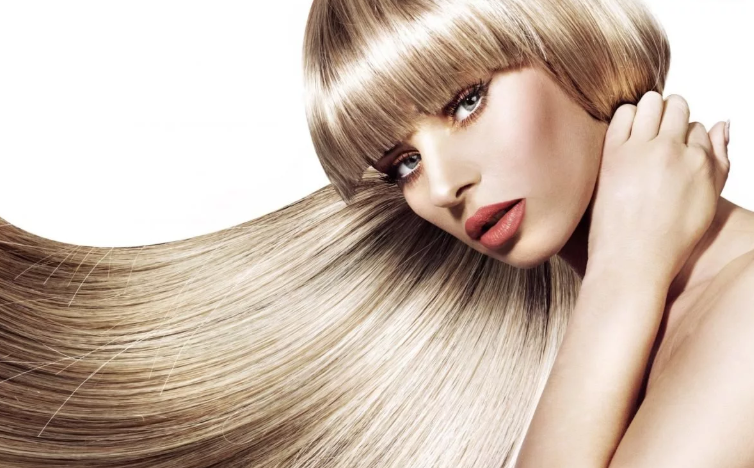
Hair care isn't just about regular washing and conditioner. One of the most effective ways to maintain healthy and beautiful hair is with masks. These products can deeply nourish, moisturize, and restore hair, but to achieve maximum results, it's important to know how to use them correctly. In this article, we'll explore the secrets to using hair masks effectively.
1. Choosing a mask depending on your hair type
The first step to successful hair care is choosing the right mask. Different hair types require different approaches:
- Dry and damaged hair: For this type of hair, choose masks containing oils (coconut, argan, olive) and proteins, which help restore structure and moisturize.
- Oily hair: Opt for lightweight formulas that won't weigh down strands, with lemon or mint extracts to help control oiliness.
- Colored hair: Use color-protecting masks to help maintain color vibrancy and prevent color fading.

2. Correct application
To ensure the mask works best on your hair, it's important to apply it correctly:
- Hair preparation: Before applying the mask, it is recommended to wash your hair with shampoo to remove dirt and styling product residue. This will ensure better penetration of the active ingredients.
- Distribution: Apply the mask from mid-lengths to ends, avoiding the roots to avoid weighing down strands. Use a wide-tooth comb for even distribution.
- Massage: Light massaging movements when applying the mask to your hair and scalp will help activate blood circulation and improve absorption.
3. Exposure time
The optimal time for a mask to remain on your hair depends on its formula:
- Regular masks: 10-20 minutes is usually enough. You can cover your hair with a warm towel or film to create a sauna effect and improve the penetration of the ingredients.
- Intensive masks: Some masks require longer exposure times (30-60 minutes). In these cases, heat can also be used to enhance effectiveness.

4. Frequency of use
The frequency of using masks depends on the condition of your hair:
- Dry and damaged hair: It is recommended to use masks 1-2 times a week to maintain the necessary level of hydration and restoration.
- Oily hair: Masks can be used once a week to avoid weighting and excess shine.
- Colored hair: To maintain color and brightness, it is advisable to use masks 1-2 times a week.
5. Combination with other means
To achieve maximum results from treatment, masks can be combined with other products:
- Balms and conditioners: After applying the mask, you can use a light conditioner for additional moisture and easier combing.
- Serums and oils: For more intense nourishment, you can add a few drops of oil to the mask before application.

6. Individual approach
Every hair is unique, and it's important to find a personalized approach to care. Change masks periodically to avoid buildup and ensure a variety of nutrients. Pay attention to how your hair and scalp react and adjust your care routine as needed.
7. The Impact of Seasonal Changes on Hair Care
Hair needs vary significantly depending on the season. Summer requires additional protection from UV rays and drying effects, while winter requires intensive nourishment and restoration.
Summer masks should contain lightweight, moisturizing ingredients with a cooling effect, such as aloe vera, cucumber, and green tea extracts. Winter masks, on the other hand, require a thicker texture with shea butter, cocoa butter, and almond oil for deep nourishment and protection from the cold.
8. The influence of nutrition on hair condition
The quality of masks directly depends on the overall health of the body. A healthy diet is the key to healthy hair. It is recommended to include the following in your diet:
- Protein foods (eggs, fish, lean meat);
- Fatty acids (salmon, mackerel, flaxseed oil);
- Zinc and selenium (seafood, seeds, nuts);
- Vitamins A, C, E (citrus fruits, dark green vegetables).
9. The psychological aspect of hair care
It's important to understand that using masks isn't just a physical treatment, but also a psycho-emotional process. Regular hair spa treatments help:
- Reduce stress;
- Increase self-esteem;
- Create a self-care ritual;
- Improve overall well-being.
This approach transforms hair care from a routine procedure into a genuine moment of pleasure and self-presentation.
10. Natural ingredients for homemade masks
In addition to store-bought masks, there are many effective recipes you can make at home. Natural ingredients not only nourish your hair but also allow you to control the composition without the use of chemical additives:
- Avocado mask: Rich in fatty acids and vitamins, it perfectly moisturizes dry and damaged hair. Simply mash a ripe avocado and mix it with olive oil.
- Egg mask: Egg yolk contains proteins and lecithin, which strengthen the hair structure and restore its natural shine.
- Honey Nutrition: Honey has antibacterial properties and deeply moisturizes hair, preventing breakage.
What technological innovations are used in mask production?
The modern beauty industry offers revolutionary hair care solutions. Smart masks with adaptive formulas are emerging that can:
- Target problem areas.
- Change consistency depending on body temperature.
- Contains microcapsules with prolonged release of nutrients.
When writing this article, information from the source was partially used.
Publication date: August 9, 2022.