







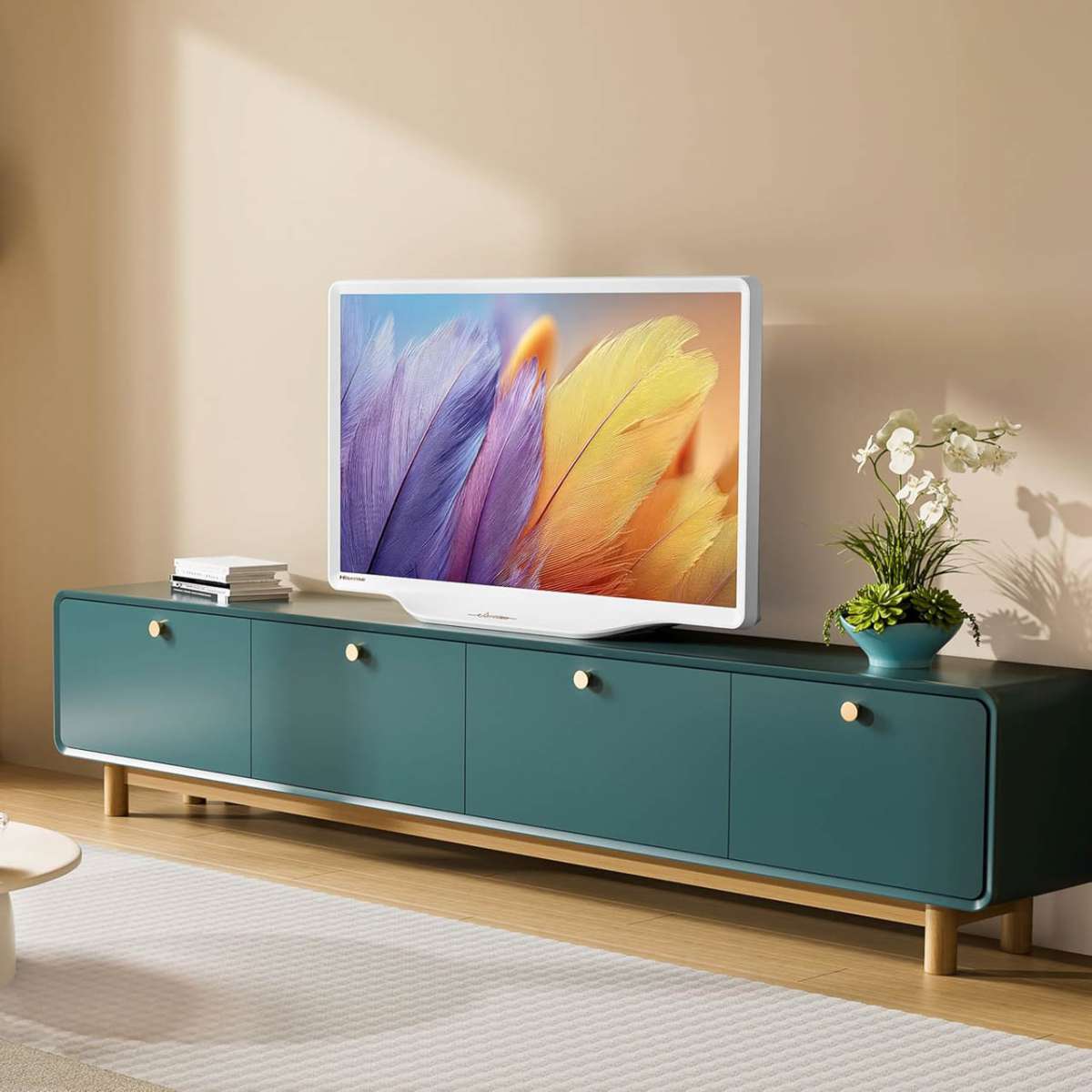
Hisense is launching the compact S5 DécoTV, following the debut of the CanvasTV earlier this year. The idea sounds familiar: integrating technology into the living space rather than dominating it. The implementation demonstrates both a genuine design approach and some thoughtful compromises worth considering before the holiday impulse buys begin.
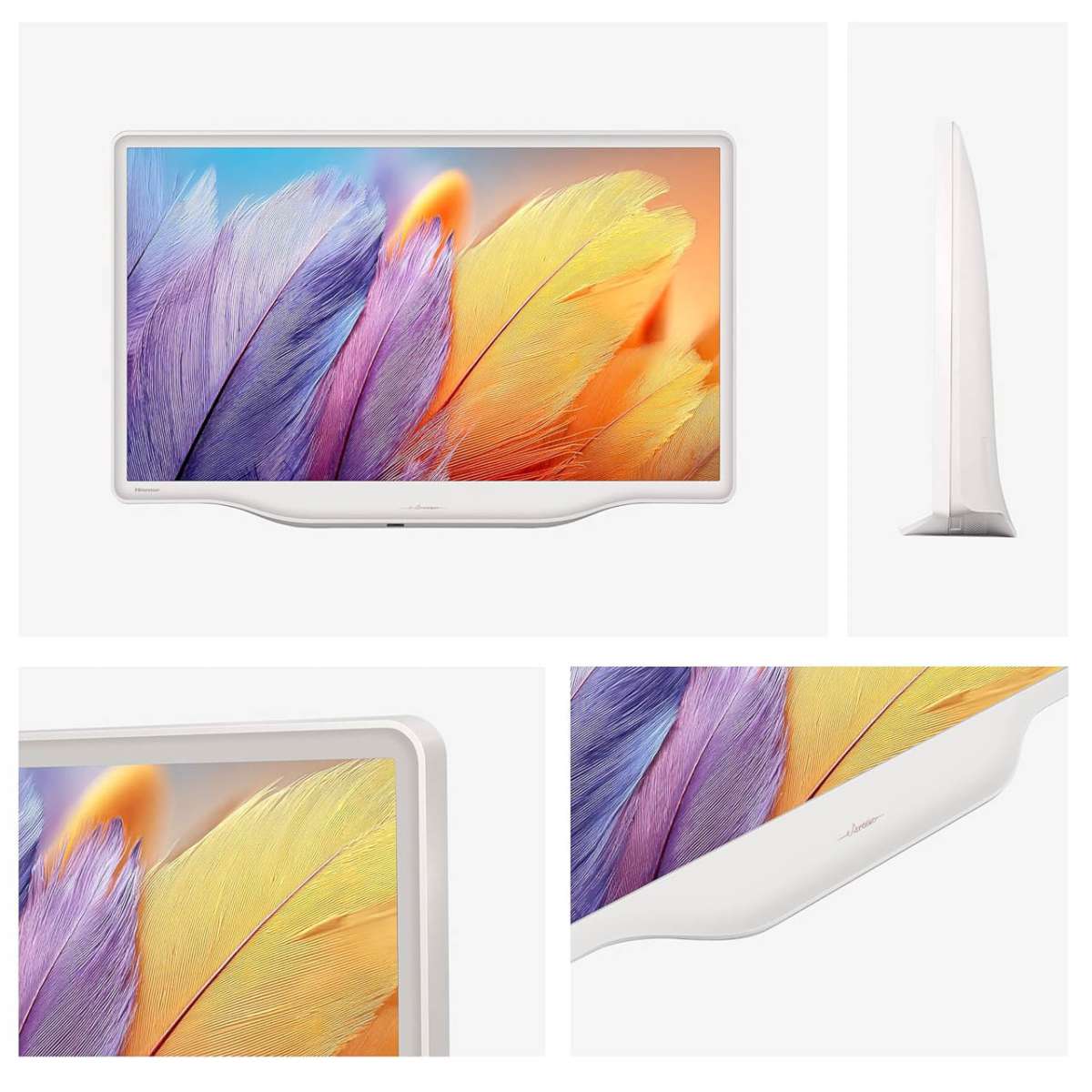
What sets DécoTV apart from the "lifestyle" label slapped on any white-framed TV is the thoughtfulness of the design. The Morandi white finish references a specific mid-century Italian artist known for his muted, contemplative color palettes. It's either a deliberate design move or a marketing attempt to gain cultural credibility, depending on your level of cynicism. Either way, the result looks different from the typical gray-white of consumer electronics, which manufacturers call "sandy" or "foggy" to attract attention.
The Mathematics of Design: What You Gain and What You Sacrifice
The smooth central stand creates genuine visual interest from angles where traditional TV feet would appear utilitarian and bland. Walk around the DécoTV, and you'll see its sculptural silhouette transform, making it feel more like furniture than electronics. The cable management system truly guides wires into the stand—a tactile touch you'll appreciate once you reach the back of the panel during installation. Most claims of "clean cables" in this category boil down to recommendations for separate cable covers.
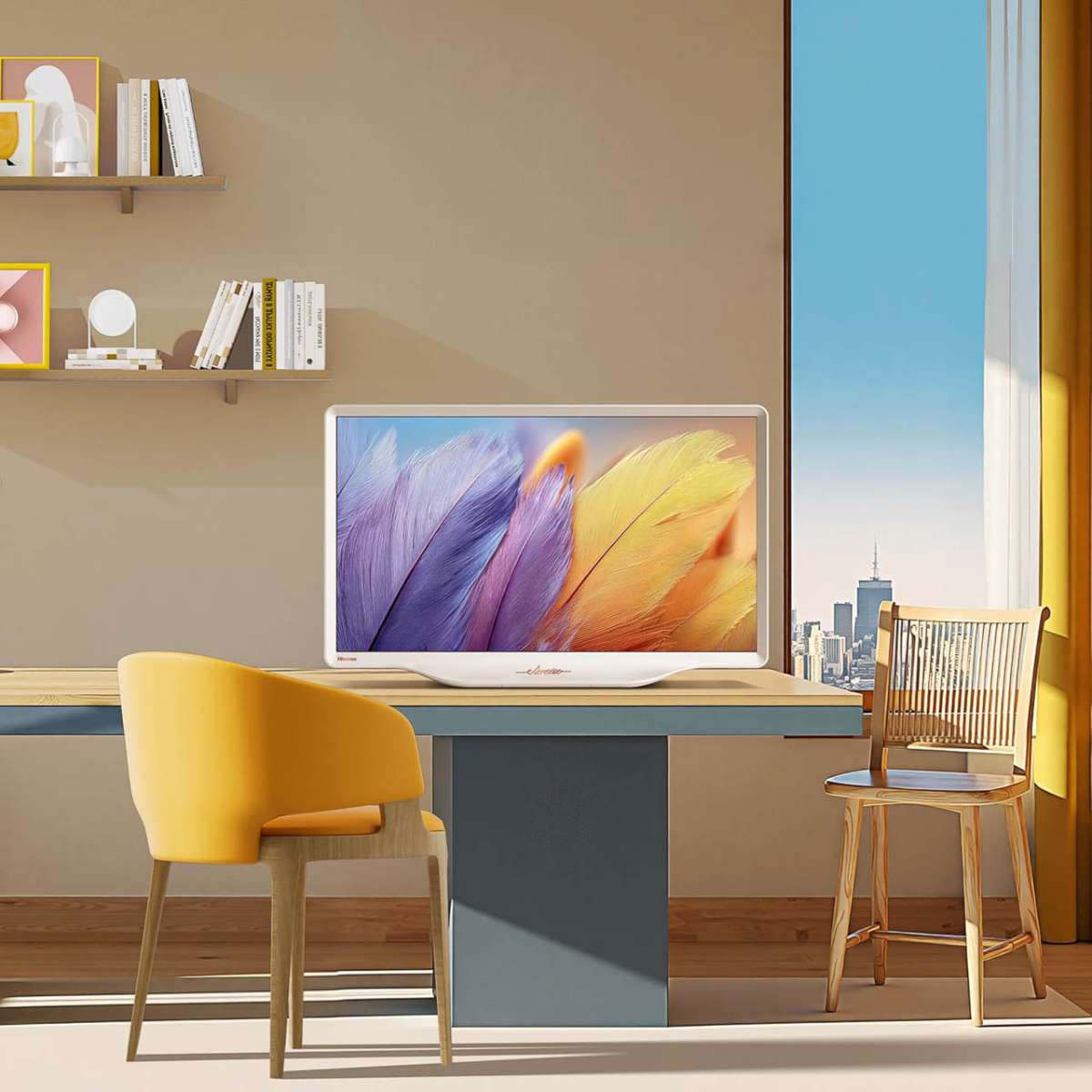
But design always involves compromises, and Hisense has made some interesting decisions here. The shallow depth, which creates a showpiece effect, limits the volume of the acoustic chamber, which in turn limits low-frequency performance. The white Morandi cabinet shows fingerprints and dust more easily than darker ones, which is a practical consideration for families with children or high-traffic areas. These aren't critical flaws, but the promotional photos don't convey what a flawless finish looks like after a month of use.
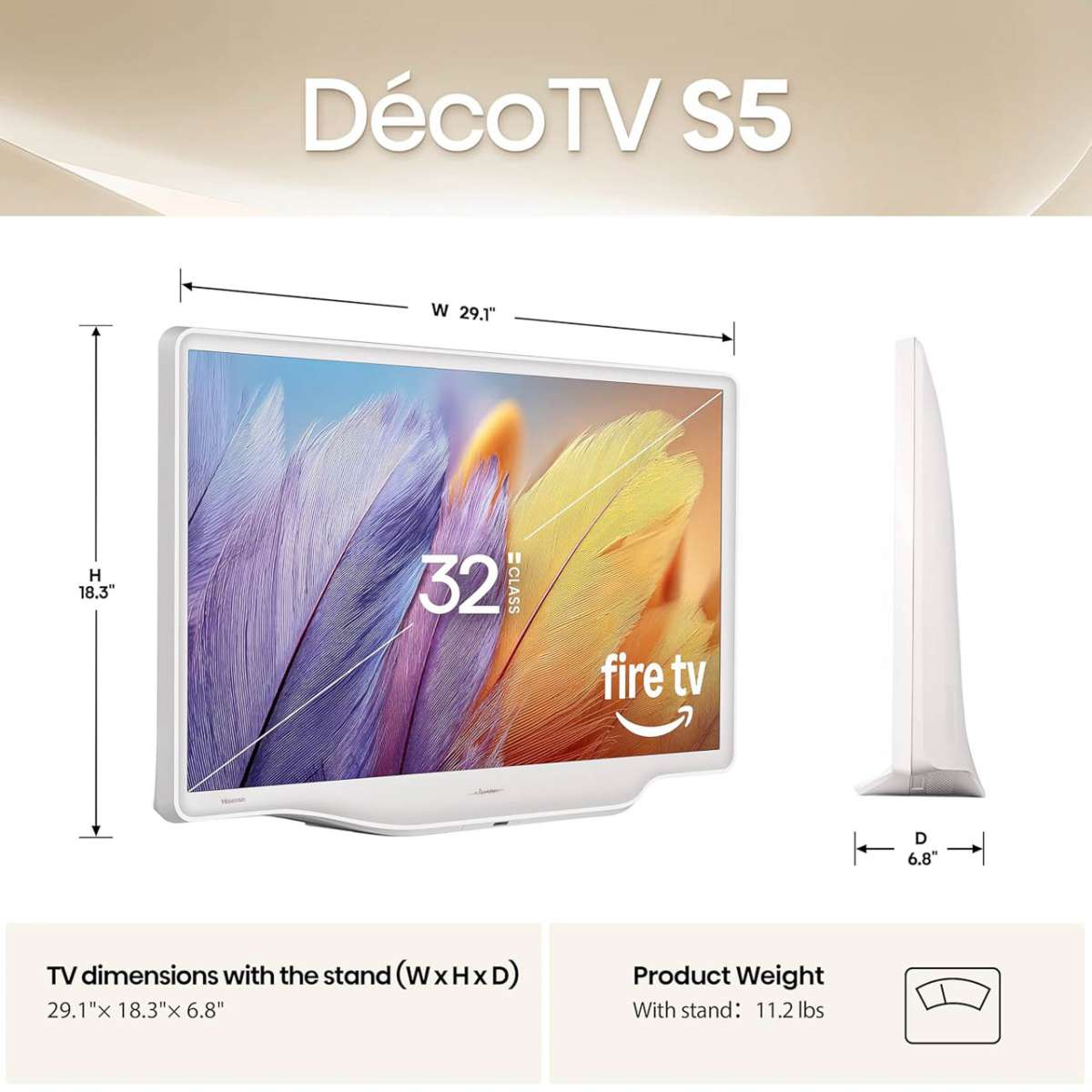
Its compact size is ideal for secondary spaces like bedrooms, home offices, and small kitchens, where a 55-inch screen would disrupt the visual balance. The thoughtfulness of the design is evident when the DécoTV sits on a dresser or cabinet, eliminating the need to rearrange everything around it. This restraint demonstrates genuine design discipline, not a veiled attempt to skimp on aesthetic considerations.
Reality image versus conversation image
Hi-QLED Color technology handles image processing, delivering Full HD resolution on a 32-inch panel that (let's face it) rivals 4K TVs in a similar price range. At $299.99, you're paying approximately $9.40 per diagonal inch, which aligns more with the lifestyle TV segment than with a high-value-per-pixel TV. The argument that "Full HD is good enough for other rooms" is valid for smaller screen sizes and typical viewing distances, but it also conveniently justifies the cost savings that Hisense doesn't pass on to consumers as aggressively as its competitors might.
Here's a real-world example that belies the TV's positioning as a device for comfortable viewing: the picture quality is perfectly adequate for everyday viewing, but it doesn't reach the visual impact of even mid-range 4K counterparts. Video compression artifacts, which disappear on higher-resolution panels, remain slightly visible on detailed textures. Color saturation is impressive during demos (the vibrant landscapes that manufacturers upload to showrooms), but drops to "satisfactory" levels in dark scenes, where the contrast limitations inherent to the panel technology become apparent. The lack of local dimming zones is noticeable during nighttime viewing, when one bright element in a dark scene slightly brightens the surrounding areas.

DTS Virtual:X processing creates wider spatial separation than one might expect from the speaker grilles, a true technical achievement given the physical limitations. Dialogue clarity is maintained at low volumes, which is important for bedroom use, where silence is more important than bass. The sound is a genuine engineering effort within the constraints of the form factor, rather than the exaggerated claims of some home appliance manufacturers about "cinematic sound" from speakers smaller than your phone's.
Fire TV: A Feature That Really Matters
The Fire TV operating system is perhaps the S5's most compelling practical argument. The streaming interface loads quickly, content is organized predictably, and Alexa voice control is integrated without the need for a separate device. The "Push to Ask" feature allows Alexa to search for content, control playback, and manage smart home devices through the same interface as a standalone Echo. For families already using the Amazon ecosystem, this eliminates the inconvenience associated with other smart TV platforms.

However, being tied to the ecosystem has its downside. The Fire TV interface prominently displays Amazon's proprietary content and services, requiring dedicated navigation to access competing platforms. Ads appear on the home screen (less so than on some smart TV interfaces, but still present on a product you've purchased, not received for free). The convenience of voice control comes at the expense of Amazon's data collection practices, a tradeoff that matters more to some households than others.
However, Apple users aren't deprived of such options. AirPlay and HomeKit support allow you to stream content directly from your iPhone, iPad, or Mac, as well as integrate your TV into the Apple smart home ecosystem. This cross-platform flexibility is remarkable for this price range; many budget models force you to choose which TV to play with.
Integration with smart home control systems adds real value when you're already cooking in the kitchen, phone-free, or relaxing. Checking a compatible doorbell camera, adjusting lighting, or setting timers happens naturally using the same voice commands you'd use to pause music. Practical value depends entirely on the investment in the ecosystem: households using Google Home or Apple HomeKit receive fewer benefits than those using Alexa devices natively.
Holiday Presentation and Who Should Listen to It
Ondre Clark of Hisense USA positions the DécoTV as a device that makes "premium design and advanced technology accessible to more consumers." This position deserves critical analysis. The design is indeed different from conventional flat panels, but "advanced technology" is an exaggeration of what Full HD with standard HDR processing will offer by the end of 2025. The S5 offers accessible design for modern lifestyles, not technological advancement.
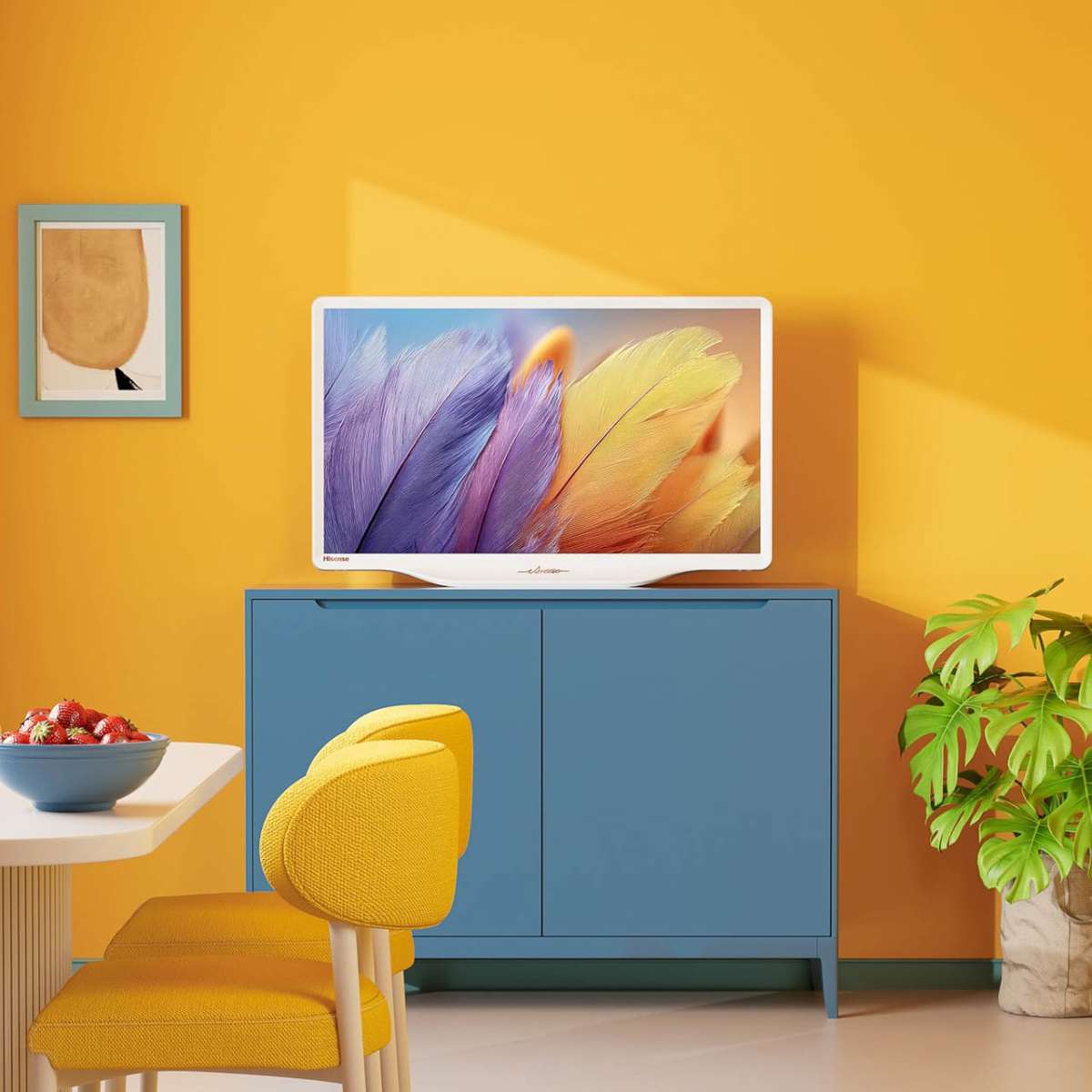
Honest buyer profile: someone who values the appearance of their TV over its performance when it's on. Users who want to stream video in the background without worrying about a black rectangle taking up all their space when the TV is not in use. Gift shoppers who want something more sophisticated than just another generic TV, recognizing that they're paying more for aesthetics than picture quality. Design-conscious apartment dwellers who work in limited space, for whom small, visually harmonious solutions are truly practical.
Where to buy : Amazon Price : $299.99 Availability : Shipping has begun and is expected for the 2025 holiday season.
Who should wait: Anyone who expects the "stylish" price tag to be offset by improved picture quality. Buyers who plan to use it as their primary entertainment display, not as a supplemental addition to their living room. Households where the Fire TV ecosystem creates more inconvenience than friction. And anyone who, after examining the specifications, realizes that competing 4K TVs in a similar price range outperform the S5 panel in purely visual terms.
The DécoTV succeeds at precisely this: it creates a sense of thoughtfulness, not inevitability. Whether this design success justifies the price compared to its performance-focused competitors depends entirely on how much you value what you see when the screen goes dark.