








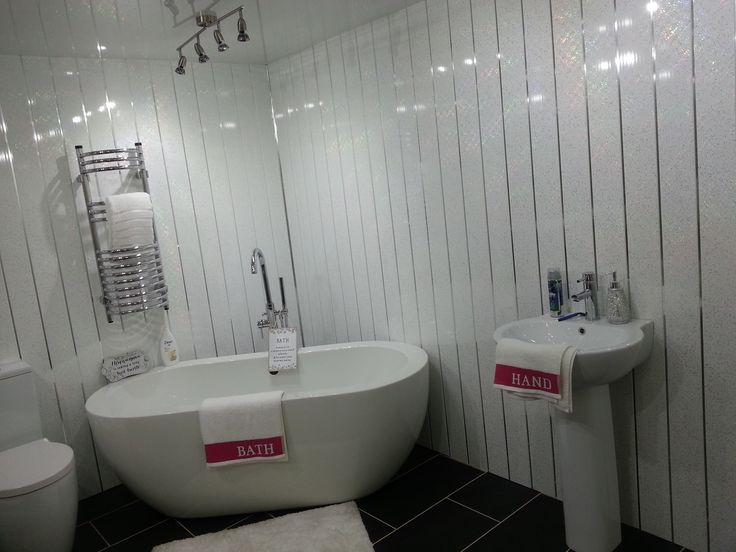
Plastic panels are one of the most affordable and quick ways to update a bathroom, especially if your budget is limited and you have little time for renovations. However, many people mistakenly consider this option "temporary" or "not respectable enough." In fact, with the right approach, you can create a neat, stylish, and durable interior that will be pleasing to the eye and functional. The key is knowing how to choose the right material, consider the design, and install it without making common mistakes.
Why are plastic panels still relevant?
Today's finishing materials market offers a wide variety of options: ceramic tiles, porcelain tiles, mosaics, decorative plaster, and even wood panels. However, plastic remains popular due to a number of practical advantages. Firstly, it's moisture resistant—the panels don't swell, mold, or lose their appearance even with constant contact with water. Secondly, it's easy to maintain: simply wipe the surface with a damp sponge or soft cloth, and it looks like new again. Thirdly, installation is quick—even a novice can handle the installation in one or two days. And, of course, the price: in terms of cost-lifespan-ease-of-installation ratio, plastic is hard to beat.
How to choose high-quality bathroom panels
Not all plastic panels are created equal. Depending on the manufacturer and manufacturing technology, they can vary in thickness, density, color fastness, and even eco-friendliness. Here's what to consider when purchasing:
- Wall thickness. The optimal thickness is at least 0.8 mm. Thinner panels are easily dented, break during installation, and do not hold their shape well during temperature changes.
- Uniformity of color and structure. Panels from different batches may vary in color. Therefore, it's best to purchase the entire required quantity at once, preferably from the same manufacturer.
- No chemical smell. High-quality PVC shouldn't emit a strong odor, even in a warm room. If there is an odor, it's a sign of recycled materials or improper manufacturing practices.
- Safety certificates. Make sure the material meets sanitary standards and is marked as fire-safe.
Installation methods: frame and frameless
Plastic panels can be installed in two main ways: on sheathing or directly on the walls. Each has its own advantages and disadvantages.
The frameless method involves installing panels directly onto the prepared surface using glue or liquid nails. This approach saves space, which is especially important for small bathrooms. However, it requires perfectly level walls, as any unevenness will be visible. Furthermore, if the surface is constantly damp, the adhesive may peel off over time, especially if a non-specialized adhesive is used.
A frame system is more reliable. Wooden or metal lathing is installed on the walls, to which the panels are attached. This creates a ventilation gap, preventing condensation and mold. The downside is the loss of several centimeters of usable space. Therefore, in a small bathroom, this method should only be used if the walls are very uneven or there is a need to hide pipes.
Design: How to Choose the Right Color and Pattern
Plastic panels come in a huge variety: solid colors, imitations of wood, stone, marble, tile, and even mosaic. However, it's important to remember that not every pattern is appropriate for a bathroom. In a small room, dark tones and large patterns visually "eat up" the space, making the room feel even more cramped. Light shades are the optimal choice: white, beige, pastel blue, and off-white. They reflect light, creating an airy and clean look.
For an accent, you can highlight one wall—for example, the one with the bathtub. More expressive designs are acceptable here: small floral motifs, geometric patterns, or imitation natural stone. A popular technique is to divide the wall horizontally: the lower part is dark (for example, gray or navy blue), and the upper part is light. This technique visually expands the room and creates a sense of stability.
Practical advice on installation and operation
To ensure your repairs last a long time and don't disappoint, follow a few simple but important rules:
- Leave ventilation gaps. A 2–4 mm gap should be left between the floor and ceiling. This will ensure air circulation and prevent moisture from accumulating behind the panels.
- Seal the joints thoroughly. Especially where the bathtub, sink, and floor meet, use acrylic-based silicone sealant—it's moisture-resistant and won't yellow over time.
- Use quality profiles. Corner and joint strips not only decorate the interior but also protect the panel edges from damage. It's best to choose profiles made from the same material and manufacturer as the panels themselves.
- Avoid mechanical damage. Although plastic is moisture-resistant, it is sensitive to impacts. Avoid hanging heavy towels or accessories directly on the panels—use special brackets attached to the wall.
If you choose the right material, consider the design, and install it carefully, a plastic-paneled bathroom will be more than just a budget solution, but a worthy addition to a modern interior. Read more about selection and installation in our article. PVC panels. And if your room is small, pay attention to small bathroom design — there you will find additional ideas for saving space.
In conclusion, it's worth emphasizing: plastic panels aren't a compromise, but a conscious choice in favor of practicality, speed, and aesthetics. They're perfect for families with children, rented apartments, summer cottages, and even city bathrooms where functionality and ease of maintenance are essential. The key is to approach the task wisely and with attention to detail.