






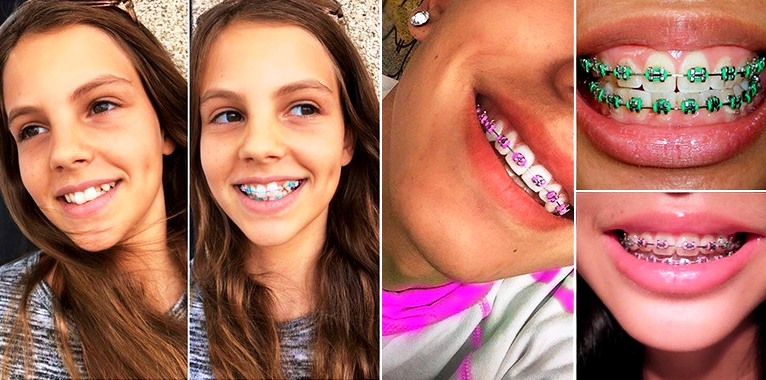
Getting braces is an important step toward a beautiful and healthy smile. Modern orthodontic braces not only help straighten teeth but also correct many bite problems. Whether you're just considering braces or have already decided to undergo treatment, it's helpful to know a few facts about the process, its features, and its benefits.
What are braces and what are they for?
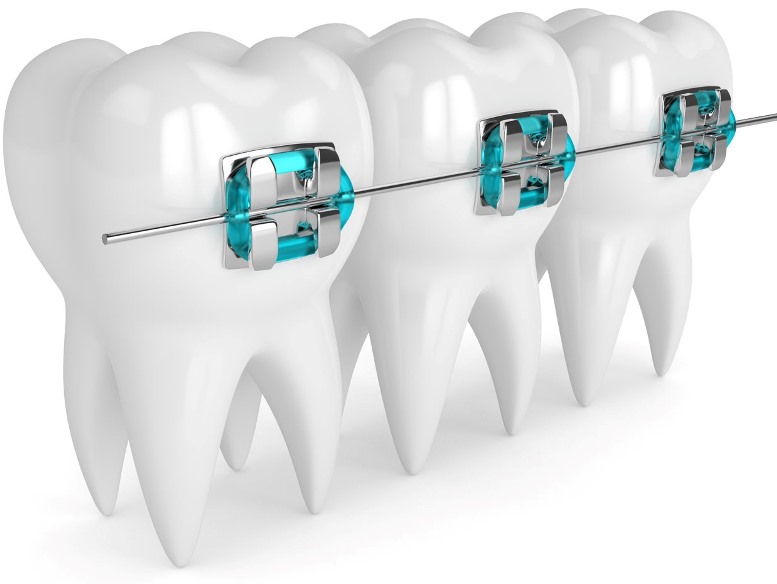
Braces are fixed orthodontic devices used to correct the position of teeth and bite. They consist of a system of brackets, metal arches, and various additional elements that work together to help align the teeth.
Main objectives:
- Bite correction - If the upper and lower jaws do not align correctly, braces will help align them.
- Alignment - if the teeth are too far apart or, on the contrary, too crowded, they will help return them to their proper place.
- Disease prevention - makes them easier to care for, reducing the risk of caries and gum disease.
- Improving aesthetics - Straight teeth look attractive and can boost self-confidence.
The principle of operation and effectiveness of braces
Braces work by applying constant pressure to the teeth. The archwire creates a targeted force that gradually moves the teeth into the desired position. This natural bone remodeling occurs: bone resorption occurs on one side of the tooth, while new bone forms on the other. The average treatment duration is 18-24 months, although in simple cases it can take as little as a year. Statistics show that approximately 90% of patients achieve their desired results.
When is it worth getting braces?
There's no age limit for getting braces. They can be worn at any age, but the most effective straightening is during adolescence, when the jaw is still growing and easier to correct. However, even adults can use orthodontic braces and achieve excellent results.
Indications:
- Unevenness of the dental row - for example, when teeth are spaced or crossed;
- Protruding teeth - when they stand out strongly in relation to others;
- Malocclusion - for example, when the upper and lower jaws do not match in line;
- Problems with chewing — malocclusion can affect the process of chewing food;
- Diastema — a gap between the front teeth, which often creates an aesthetic defect;
- Crowding of teeth, when there is not enough space in the dental row;
- Deep bite - the upper teeth overlap the lower ones significantly;
- Open bite — the front teeth do not close when the jaw is closed;
- Crossbite - the lateral teeth do not close correctly.
Installation steps: how does it happen?
Process installation of braces involves several key stages, each of which requires attention and patience.
1. Consultation with an orthodontist
Before getting braces, you need to consult with a specialist. The orthodontist will examine your teeth and jaws, take the necessary images, and prescribe a treatment plan.
2. Preparation
Before the procedure, it's important to clean your teeth and, if necessary, undergo any treatment (such as a filling). If you have any gum issues, these should also be addressed before the procedure.
Psychological preparation:
- Prepare yourself for long-term treatment;
- Keep a journal of your changes with photos;
- Join support groups;
- Keep the end goal in mind;
- Don't be shy to smile.
3. Installation
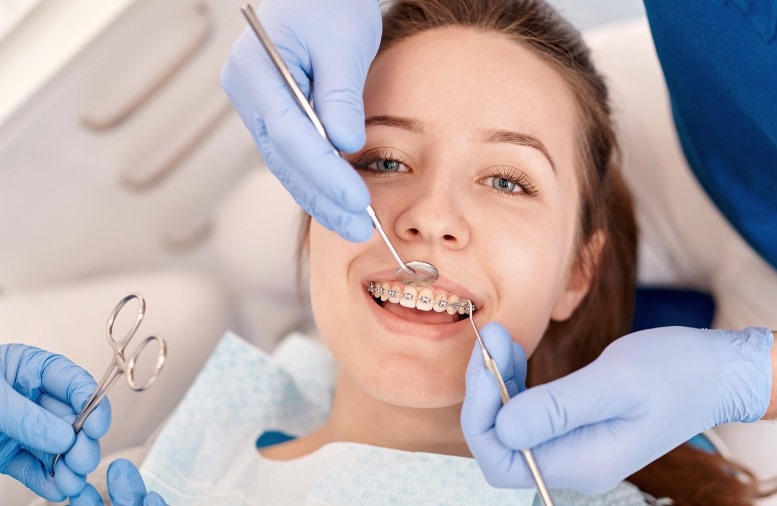
After preparation, installation begins. The orthodontist attaches the orthodontic appliances to the teeth using a special adhesive. The archwire is then secured to the braces with small elastic bands.
4. Regular visits to the doctor
After the procedure, you'll need to see your orthodontist regularly for archwire and elastic adjustments. These visits typically occur once every month or two, depending on the complexity of your case.
5. Completion of treatment and removal of braces
Once the teeth are aligned and the bite is correct, the braces are removed. At this stage, the orthodontist usually prescribes a retainer—a device that secures the result and helps hold the teeth in their new position.
Important details: The actual installation of braces takes 1-2 hours. Discomfort and pain may occur in the first few days after installation, but can be alleviated with special pain-relieving gels and soft foods. The adjustment period typically lasts 2-4 weeks.
Nutrition recommendations for the first week:
- Eat soft foods (puree soups, yogurts, cottage cheese);
- Avoid solid foods;
- Cut food into small pieces;
- Drink cool drinks to reduce discomfort.
Advantages and disadvantages
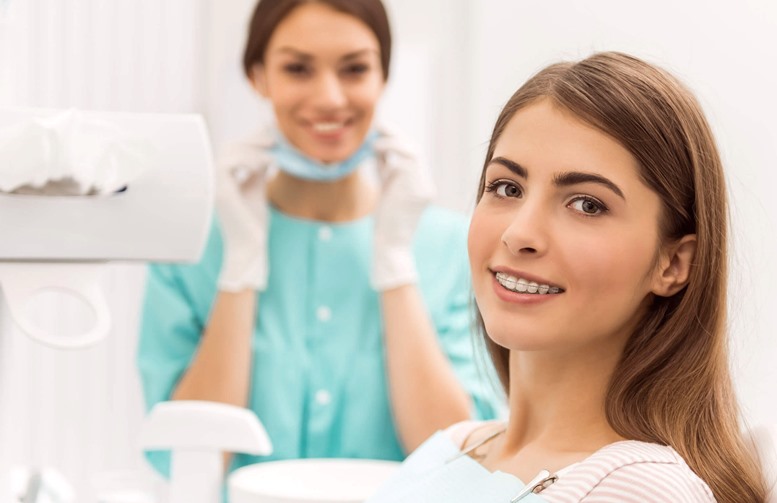
Like any other treatment method, this process has its pros and cons. Understanding these aspects will help you make a more informed decision.
Advantages:
- Efficiency — braces can cope with almost any dental problem.
- Versatility - braces can be used for both children and adults.
- Durability - They usually last 2-3 years, providing long-term results.
- Constant monitoring — thanks to regular visits to the orthodontist, the recovery process can be constantly monitored and adjusted if necessary.
Flaws:
- A long process — Treatment can take from one to three years depending on the complexity of the case.
- Discomfort — During the first weeks of wearing, many patients experience discomfort due to pressure, but this goes away over time.
- Hygienic difficulties - Oral hygiene is more difficult with braces, which increases the risk of gum disease and tooth decay.
- Aesthetic moments For some people, braces can be a source of insecurity, as they are noticeable when talking or smiling. However, among young people, they are considered fashionable.
Financial aspects and insurance
The cost of braces varies depending on the type:
- Metal: 30,000-60,000 rubles;
- Ceramic: 60,000-90,000 rubles;
- Sapphire: 80,000-120,000 rubles;
- Lingual: 120,000-250,000 rubles.
Some insurance companies include orthodontic treatment in their plans, especially if there is a medical reason.
Types of braces
There are several types of fixed orthodontic structures that differ in material and installation method.
- Metal: The most common and affordable, they are metal fixtures that are attached to the front surface of the teeth.
- Ceramic: These braces look like metal braces, but their brackets are made of ceramic, making them less noticeable. They're ideal for those who care about their appearance during treatment.
- Self-ligating: This design uses a special mechanism to hold the archwire, which reduces the need for frequent visits to the doctor and improves comfort.
- Lingual: These are braces that are attached to the inside of the teeth. They are virtually invisible from the outside, making them an excellent choice for those who want to keep their treatment discreet.
How to care for braces?
Caring for braces requires special attention. To avoid complications, it's important to properly maintain the orthodontic device.
Care instructions:
- Brush your teeth after every meal. — food debris can get stuck between the structure, which leads to plaque accumulation and the development of caries.
- Use special brushes and threads - There are special brushes and dental floss for cleaning braces and the oral cavity.
- Visit your dentist regularly — It is important to have regular checkups and cleanings to avoid gum inflammation and other problems.
Prohibited foods when wearing braces:
- Hard fruits and vegetables (apples, carrots) in whole form;
- Nuts and seeds;
- Chewing gum;
- Caramel and other sticky candies;
- Popcorn;
- Chips and croutons.
Actions in case of broken braces:
- Don't panic;
- Contact your orthodontist;
- If the bracket comes off, save it;
- If the arch is protruding, use wax to protect the mucous membrane;
- Make an appointment as soon as possible;
Additional hygiene products
- Irrigator - for effective cleaning of hard-to-reach places;
- Single-tuft brush - for cleaning around braces;
- Superfloss is a special thread for braces;
- Brushes - for cleaning the space under the arch;
- Orthodontic wax - to protect the mucous membrane.
Conclusion
Getting braces is an effective way to correct uneven teeth and bite. The process requires patience and attention, but the results are worth it. If you decide to get orthodontic treatment, remember that regular visits to the dentist and proper oral hygiene will help achieve the ideal result.
Myths about braces
- «"Braces are only for teenagers" Incorrect, there are no age restrictions..
- «"You can't kiss with braces" Myth, it's safe.
- «"Braces interfere with mobile communications" An absurd delusion.
- «"After removal, the teeth will still be crooked" Incorrect when wearing retainers correctly.
- «"On a plane, braces can set off a metal detector." Myth.
Sports and braces
- Most sports can be played.
- For contact sports, use a mouth guard.
- After intense exercise, pay special attention to hygiene.
- Try to protect your face from blows.
- When you have professional treatment, discuss the type of braces you need with your orthodontist.