








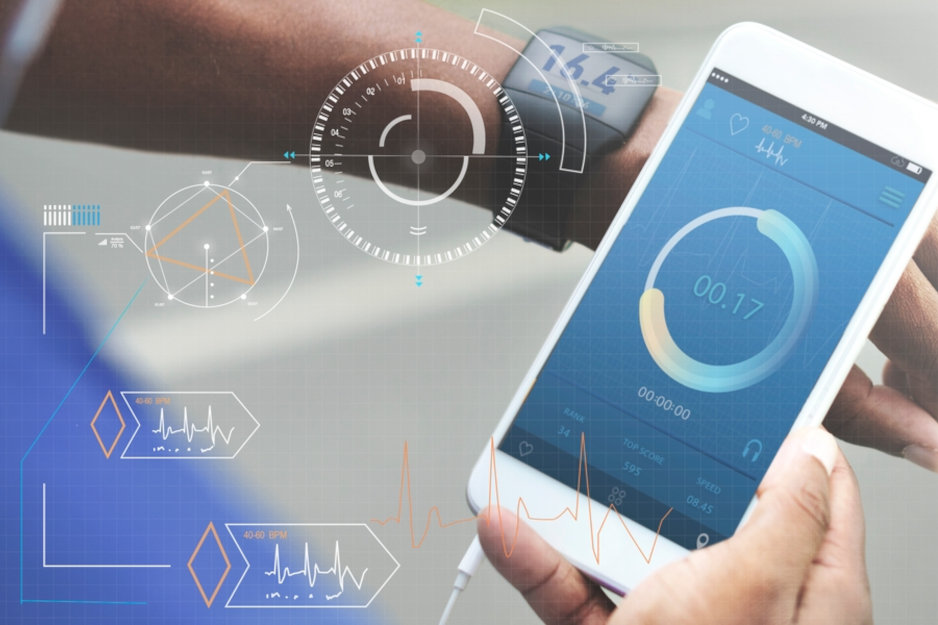
In today's healthcare system, intelligent monitoring systems have moved from peripheral devices to core infrastructure. An aging population, rising chronic diseases, and financial pressure to reduce preventable hospitalizations have forced healthcare providers to rethink their approach to patient monitoring. Artificial intelligence has accelerated these changes by transforming continuous data streams into early clinical alerts.
The competitive landscape reflects both urgency and fragmentation. Large medical device manufacturers are seeking to integrate analytics into their devices, while digital health companies are seeking regulatory approvals to enter clinical markets. Despite significant investment, many systems remain siloed by specialty or care setting, limiting their usefulness to healthcare providers who require an integrated view of patient data.
Reimbursement and policy trends are driving adoption. Value-based care models increasingly favor prevention over intervention, making continuous monitoring economically attractive. At the same time, patients accustomed to wearables expect medical devices to provide similar convenience and responsiveness.
Key technologies enabling monitoring using artificial intelligence.
The technical system is based on advanced sensors capable of recording vital signs, movement, and biochemical markers with clinical accuracy. Edge computing and low power consumption allow these devices to process data locally before transmission, reducing latency and extending battery life. This infrastructure enables continuous monitoring in both hospital and home settings.
Artificial intelligence transforms these data streams into clinically meaningful information. Modern systems analyze individual baseline metrics, identify subtle deviations that precede deterioration, and prioritize alerts based on probabilistic risk rather than fixed thresholds. Explainable models are increasingly important to ensure that physicians can trust and interpret algorithmic recommendations accurately.
Some medtech innovators are addressing industry fragmentation by creating integrated product ecosystems that bring together design, clinical development, and commercialization within a single framework. One example is Enlil, which specializes in the development and support of intelligent monitoring platforms and data-enabled devices that enable AI-assisted treatment across various clinical areas. By organizing its portfolio around interoperable products rather than isolated devices, the company demonstrates how standardized architectures can accelerate secure and scalable implementation while reducing operational complexity for healthcare organizations and providing more reliable and convenient patient monitoring.
Clinical applications and use cases
The most common application remains chronic disease management. In cardiology, continuous rhythm and fluid monitoring enables early therapeutic adjustments, and in diabetes, the use of connected sensors combined with AI-guided dosing has reduced both acute episodes and long-term complications. These improvements are due to interventions occurring before symptoms worsen.
AI-powered monitoring is being implemented in emergency care facilities to improve safety and efficiency. Intelligent filtering reduces alarm fatigue by displaying only clinically significant events, allowing staff to focus on high-risk patients. Predictive analytics now identifies threats such as sepsis or respiratory failure hours before conventional indicators appear.
Home care represents the most revolutionary use case. Wearable devices and environmental sensors track recovery, mobility, and sleep, while adaptive thresholds personalize alerts for each patient. This model enables remote intervention while maintaining independence without sacrificing clinical control.
Data management, privacy and security
The growing use of connected medical devices raises serious concerns about data security. Intelligent monitoring systems process sensitive medical information, which must be protected through encryption, secure boot processes, and tamper-proof hardware. Security architecture has become a strategic competitive advantage, not a secondary consideration for regulatory compliance.
Governance systems define how data is used to make clinical decisions and train algorithms. Leading organizations are implementing data minimization, anonymization, and explicit consent to balance innovation with patient rights. Transparency regarding data practices is essential to maintaining trust between patients and healthcare providers.
Interoperability between systems further complicates management. Integrating monitoring data with electronic health records and analytics platforms creates new risks and ownership issues. Vendors that prioritize open yet secure standards are better prepared to responsibly scale within healthcare systems.
Regulatory procedures and clinical validation
Obtaining regulatory approval remains a key hurdle for AI-based monitoring technologies. Authorities require proof of safety, accuracy, and effectiveness in real-world settings, paying particular attention to how algorithms are trained, validated, and updated. Adaptive systems must be carefully monitored to prevent performance changes that could compromise patient safety.
Post-market surveillance has become a key requirement for regulatory agencies. Connected devices continuously generate performance data, allowing for the rapid identification of anomalies and opportunities for improvement. Manufacturers with robust quality management systems can respond more quickly and build stronger relationships with regulators.
The adoption of new technologies in clinical practice depends on more than just approval. Before deciding on implementation, healthcare professionals consider peer-reviewed scientific studies, real-world results, and seamless integration into workflows. Products that demonstrate reduced readmissions, reduced costs, or improved patient experience gain faster acceptance.
Integration with healthcare systems and workflows.
Seamless integration determines how effectively monitoring data is converted into actionable steps. Leading platforms embed analytics directly into electronic medical records, so clinicians see alerts in the clinical context rather than on separate dashboards. This design reduces cognitive load and facilitates faster decision-making.
Developing workflows is equally important. Organizations must determine who handles alerts, how escalation occurs, and what follow-up actions are taken. Customizable systems allow institutions to tailor monitoring to centralized command centers or distributed response teams.
Continuity of medical care across various settings greatly increases its value. Cloud platforms integrate data from hospitals, clinics, and homes, enabling long-term analysis and population health management. More comprehensive data sets also improve the accuracy of predictive models over time.
Economic impact and future prospects
The economic rationale for intelligent monitoring lies in shifting from a reactive to a preventative approach. Early detection reduces emergency department visits, shortens hospital stays, and reduces complications, which supports value-based reimbursement models. Manufacturers are increasingly opting for subscription-based and performance-based pricing over one-time device sales.
Technological advances will expand measurement capabilities. Non-invasive sensors are emerging to detect infection markers, hydration levels, and mental health, and artificial intelligence models are becoming increasingly personalized as data sets expand. Regulatory frameworks are also evolving to accommodate learning systems that update in near real time.
Significant challenges remain, including privacy, integration complexities, and the need for physician trust. However, the strategic direction is clear: intelligent monitoring is transforming the way we monitor, interpret, and manage health. The critical question is not whether AI-powered monitoring will transform the future of healthcare, but how quickly it can be responsibly implemented to achieve better outcomes at a lower cost.
Main
- Intelligent monitoring systems are becoming an integral part of modern healthcare systems, driven by an aging population, chronic diseases, and outcomes-oriented healthcare delivery models.
- Artificial intelligence transforms continuous data streams into early clinical signals by learning individual baselines and prioritizing risk-based alerts.
- Integrated device ecosystems, rather than individual products, are increasingly important for scalable and clinically useful implementation.
- Security, data management, and interoperability have become strategic priorities as connected medical devices handle sensitive patient data.
- Obtaining regulatory approvals, clinical validation, and integration into workflows are critical to achieving widespread adoption and measurable economic impact.
Frequently Asked Questions
What are intelligent monitoring systems in healthcare?
Intelligent monitoring systems are networked medical devices and sensor systems that continuously collect patient data and use software, often powered by artificial intelligence, to identify risks, generate alerts, and support clinical decision-making in hospital and home settings.
How is artificial intelligence improving medical monitoring?
Artificial intelligence analyzes large volumes of continuous data to examine individual patient baselines, identify subtle changes that precede clinical deterioration, and prioritize alerts based on probabilistic risk rather than fixed thresholds.
What are the main clinical applications today?
Common applications include chronic disease management, patient safety in hospital settings, and home monitoring for recovery, mobility, and chronic disease management.
Why are data security and governance so important?
Intelligent monitoring systems process highly sensitive medical data, so encryption, secure hardware, consent management, and transparent data practices are critical to protecting patients and maintaining trust.
What determines the widespread adoption of these technologies?
Implementation is dependent on regulatory approval, clinical evidence of improved patient outcomes or cost reduction, seamless integration into existing workflows, and physician confidence in the system's reliability and interpretability.