






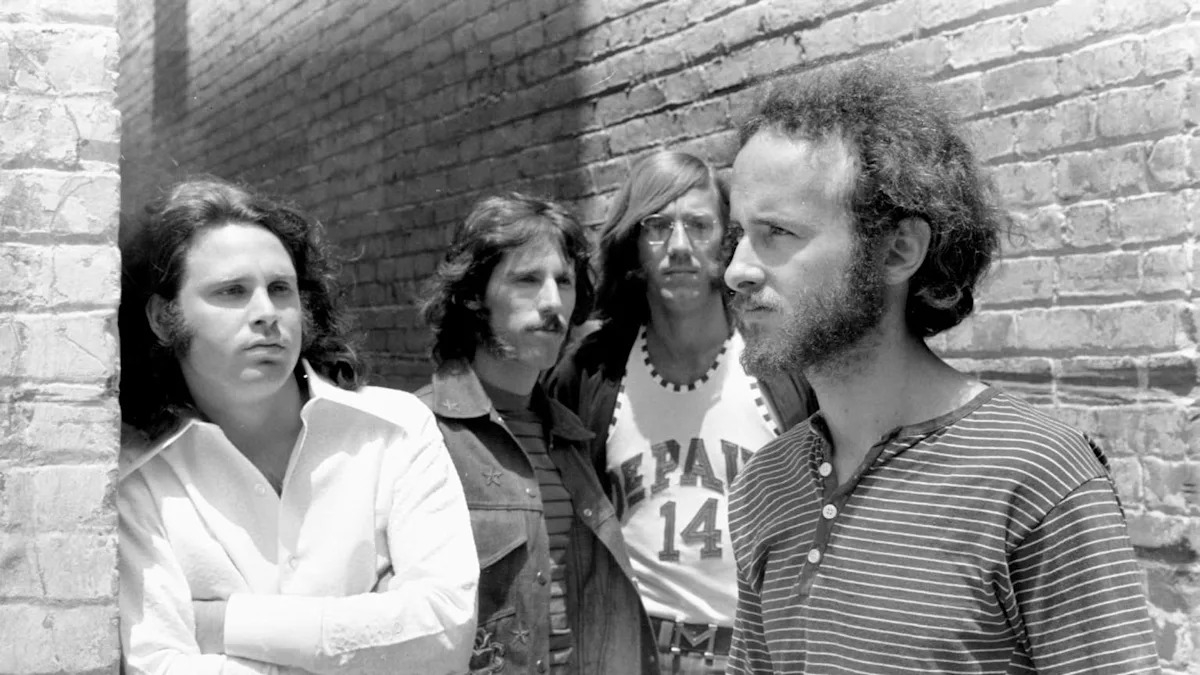
Fifty-nine years ago, on June 3, 1967, an edited version of the nearly seven-minute album track first entered the Billboard Hot 100 chart.
The Doors' "Light My Fire" began their chart-topping run, reaching number one by the end of July and establishing the young Los Angeles band as one of rock's defining acts.
Although Jim Morrison became the face of the song, he was not its main author. Guitarist Robby Krieger proposed the music as one of his first compositions for the band, based on the melody of "Hey Joe" and the lyrics of the Rolling Stones' "Play with Fire." Morrison wrote the second verse, and keyboardist Ray Manzarek added a Bach-inspired organ introduction, and the drummer John Densmore insisted on a Latin American rhythm. All four band members were credited as songwriters.
🎬 Subscribe to Parade's daily newsletter to get the latest pop culture news and celebrity interviews delivered straight to your inbox 🎬
The full version became the basis for the band's self-titled debut album, released in January of that year, and was nearly seven minutes long, too long for AM radio. Producer Paul Rothchild shortened it to 2:52, removing most of the instrumental solos. The shortened single debuted on June 3, reached number one on July 29, 1967, and stayed there for three weeks, becoming the first chart-topping hit for the band's label, Elektra Records.
Then came the confrontation with Ed Sullivan.
In the autumn of the same year the group received an invitation to The Ed Sullivan Show . Before the September 17, 1967, broadcast, the producer asked them to change the word "higher," fearing it would be perceived as a drug reference on a family-friendly program. The group agreed to rehearse, after which Morrison sang the original word live on air. According to the band members, the producer then told them they would "never be on that show again." And indeed, they never were.
The ban caused little damage. "Light My Fire" remains one of the defining rock songs of the 1960s, and the story of those few seconds of defiance still haunts the band decades later.
This article was originally published by Parade on June 4, 2026, in the News section. Add Parade to your list of recommended sources by clicking here.