






The current 2026 Mercedes Vito is a commercial minivan that strives to be both a workhorse and a comfortable everyday vehicle. Importantly, the updated model features a more modern digital interior and an expanded suite of driver assistance systems, making it feel closer to a Mercedes passenger car than a utilitarian van.
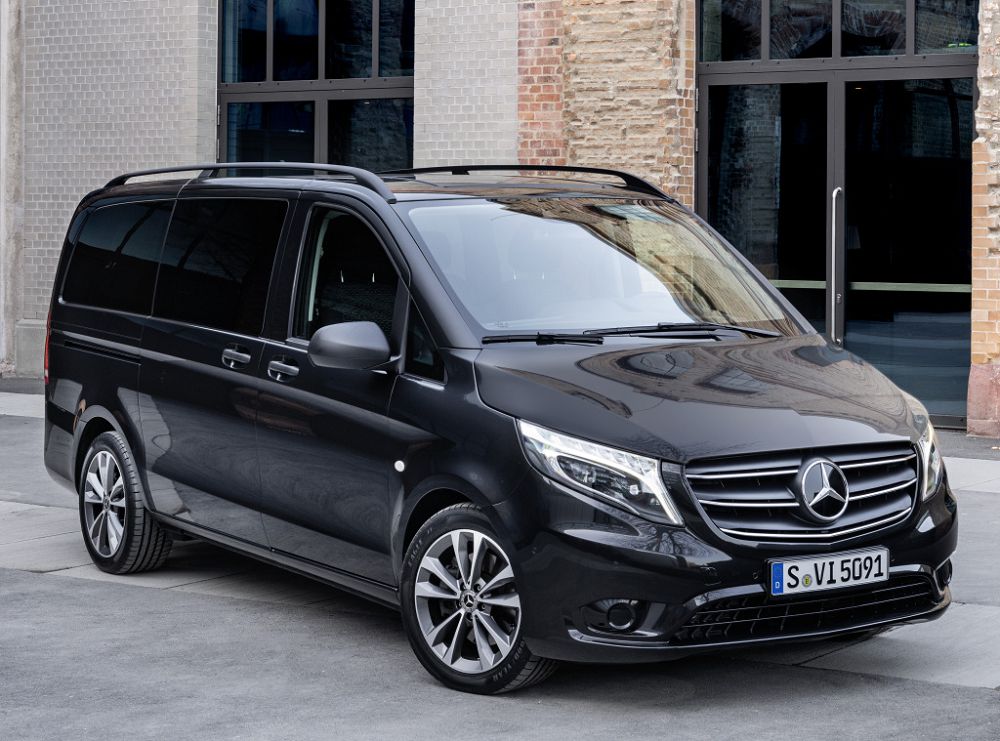
The model is traditionally offered in several body lengths and with different wheelbases—this is the key to versatility: from a delivery van to a passenger version for corporate and family tasks.
Exterior
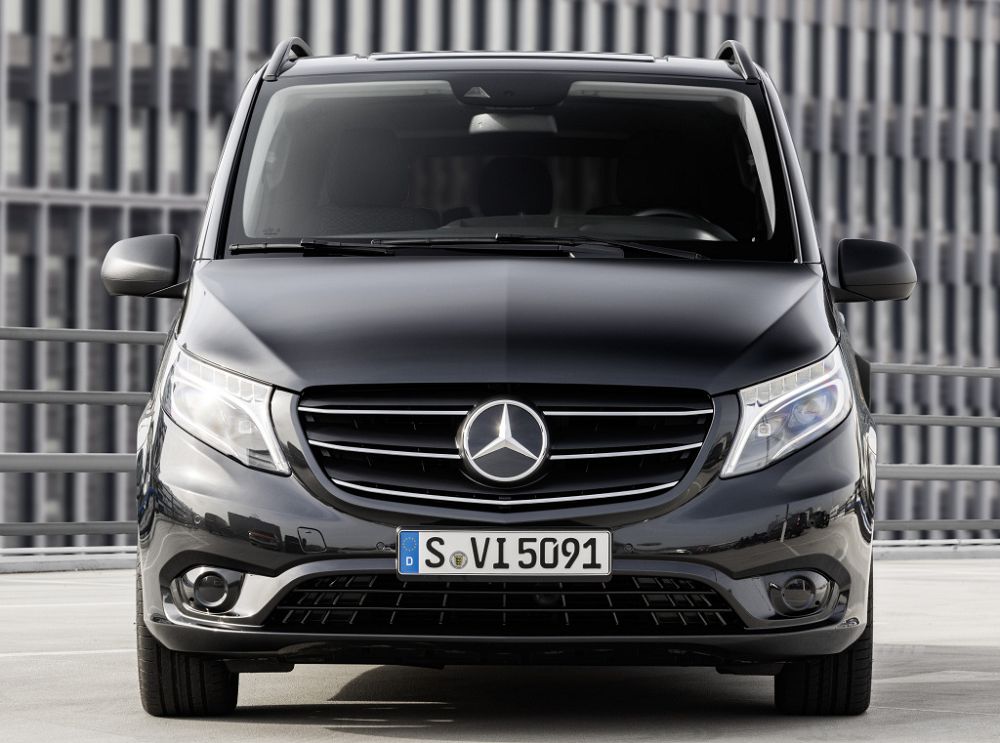
The 2026 Vito's exterior is an evolution of its recognizable silhouette, where practicality always trumps fashionable gimmicks. Visually, the minivan has a cleaner look thanks to modern headlight graphics and a more streamlined front end, while still retaining the vertical sides and convenient openings that commercial vehicles are prized for.
The Vito's frontal appearance is confident: a short hood, a large windshield, neatly shaped headlights, and a radiator grille with slats and the signature logo. The lower part of the bumper is typically designed to withstand use: less decorative complexity means more substance.
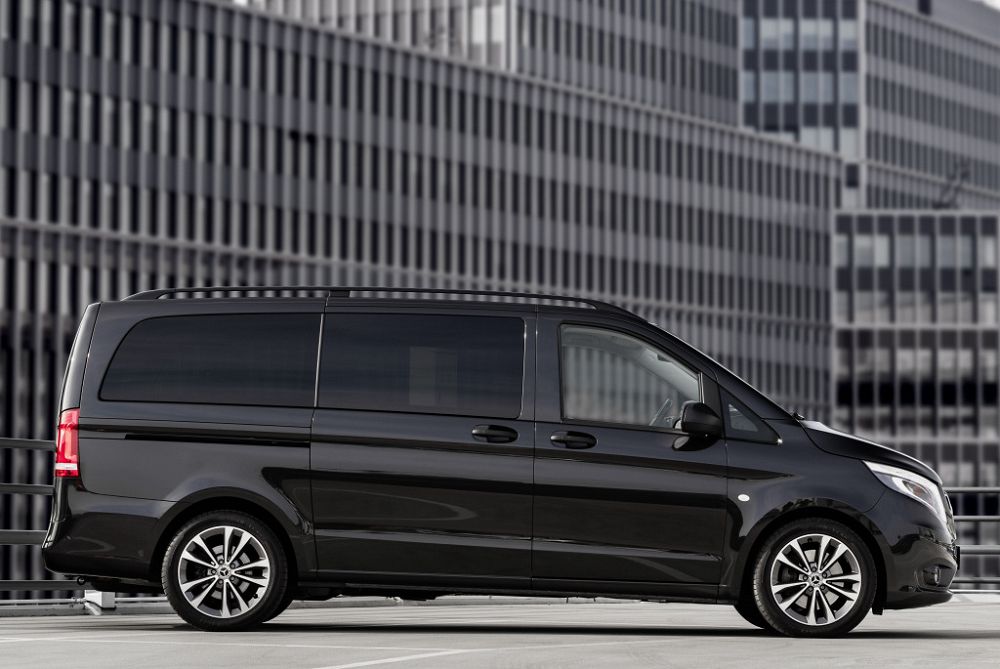
What is important in the body
- Smooth sidewalls and "honest" geometry: easier to apply, easier to maintain, fewer problems with visibility in the mirrors.
- Large door openings and a sliding side door (depending on the version) make getting in and loading easy.
- The roof and roof rails (if provided) are useful for mounting equipment or a box.
- The wheel arches and short overhangs are a practical plus for maneuvering and approaching ramps.
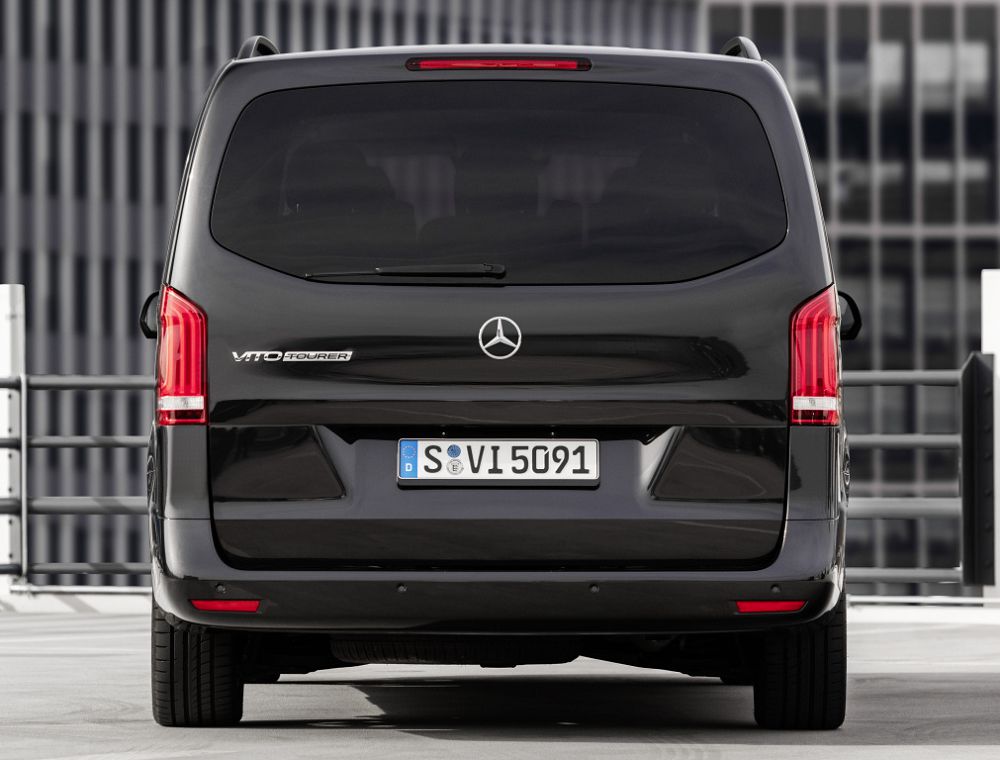
The Vito's rear end remains highly functional in 2026: large door/doors, a high opening, pillar-mounted lights, and a bumper designed for everyday use. While this may appear "simple" visually, in practice, this layout reduces the risk of damaging the headlights and facilitates access to the cargo area.
Interior
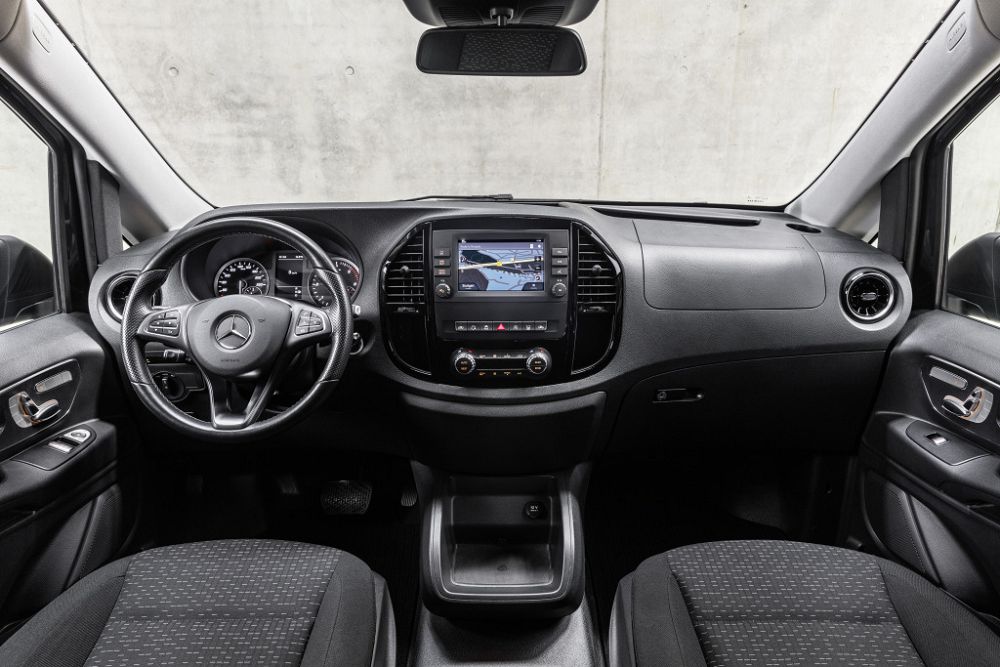
The 2026 Vito's interior is a strong point, especially for those who spend long hours in the car. After the update, the Vito received the MBUX multimedia system and a 10.25-inch central touchscreen, significantly improving the user experience to that of Mercedes passenger cars and improving the ease of navigation and smartphone connectivity.
At the same time, the interior remains functional: the seating position is high, visibility is excellent, and there are plenty of large niches and clear storage areas. The quality of the materials varies depending on the design, but the dashboard architecture is generally designed to withstand intensive use.
Management and equipment
- MBUX with a 10.25-inch central display and a more modern interface than earlier versions of the Vito.
- Instrument cluster with color display for trip information (5.5 inches are sometimes mentioned for the screen portion).
- Driver assistance features have been expanded in the updated versions: those mentioned include Intelligent Speed Assist, Brake Assist with Cross Traffic Alert, Blind Spot Monitoring, and Active Lane Keeping Assist.
The front seats are typically well-profiled, offering multiple adjustments for the driver and passenger (either manual or electric, depending on the version). Additional comfort features are important for passenger seats, while practical upholstery and easy-to-clean surfaces are important for cargo seats.
Cargo compartment and useful volume
The Vito's versatility lies in its versatility: different body and wheelbase lengths allow you to tailor the volume to your specific needs. A commonly cited practical benchmark is a cargo volume of approximately 6.6 m³ and a permissible cargo weight of up to 1,300 kg (for certain models).
Good form for a commercial vehicle includes tie-down loops and well-designed sidewalls to prevent cargo from "wandering" around the bed. If regular transport is planned, the loading height and easy side access through the sliding door are also important.
Technical specifications
In terms of dimensions, one of the most common Vito formats is approximately 5,140 mm long and 1,928 mm wide. Height varies depending on the model, but is often around 1,890–1,910 mm, and the wheelbase is 3,200 mm for the L2 variant. This explains why the Vito remains comfortable for city driving while still providing stability at speed.
Engines and transmissions
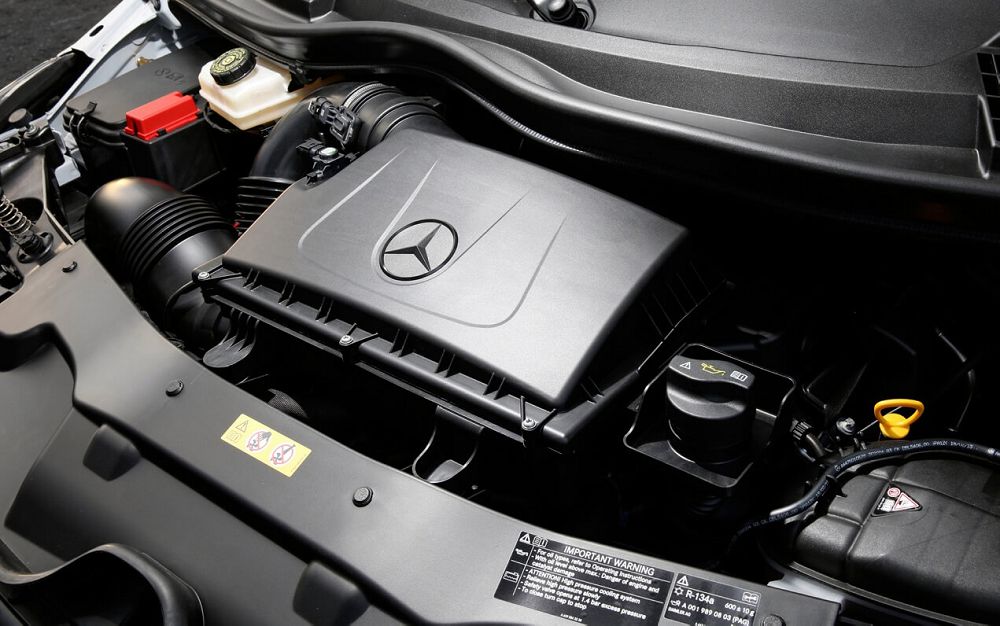
In 2026, the emphasis remains on diesel engines, and some models feature a combination of the OM654 diesel (approximately 2.0 liters) and the 9G-TRONIC automatic transmission. For example, the Vito Tourer L2 116 CDI 9G-TRONIC specifications list a 1950 cc engine, 120 kW (approximately 163 hp), and 380 Nm of torque. The Vito Tourer L2 116 CDI 9G-TRONIC features rear-wheel drive and a 9-speed automatic transmission.
- For distribution tasks, low-end traction and automatic transmission predictability are more important than «specified acceleration.».
- For passenger work, smoothness, noise insulation, and the correct operation of assistants on the road are valued.
- All-wheel drive is available in the range and is useful in areas with slippery access roads, dirt roads, and year-round work, but the model's primary focus is on asphalt use.
Suspension and safety
The Vito's chassis typically features a MacPherson strut front suspension and a wishbone/spring rear suspension (options vary by model), while the brakes are disc. Updated versions emphasize increased attention to active safety, adding or expanding systems that help avoid typical urban accidents and reduce driver fatigue on the highway.
Competitors
In the midsize commercial minivan segment, the Vito has many competitors, and the choice often comes down not to "who's faster" but to layout, loading ease, interior quality, and the availability of the desired lengths. If the priority is combining work practicality with more passenger-car comfort and a modern multimedia system, the 2026 Vito is one of the most balanced options.