








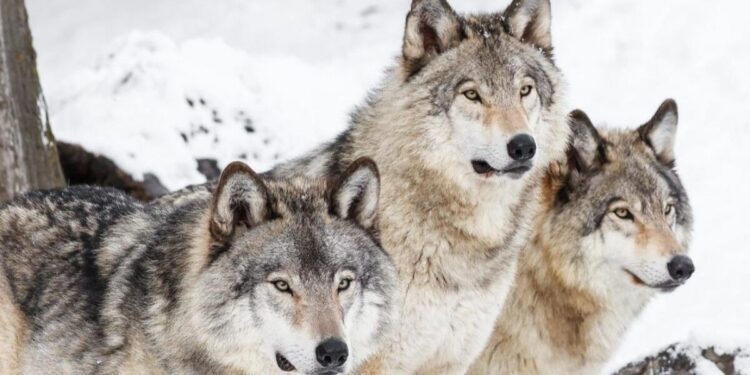
Wolves are amazing and mysterious predators, shrouded in legends and myths for centuries.
These majestic creatures attract attention not only for their strength and grace, but also for their high intelligence and complex social organization. Their lifestyle, communication methods, and hunting strategies are of interest to researchers and wildlife enthusiasts.
In this article, we'll reveal 30 fascinating facts about wolves that will give you a better understanding of their unique world.
1. Wolves are the largest representatives of the canine family.
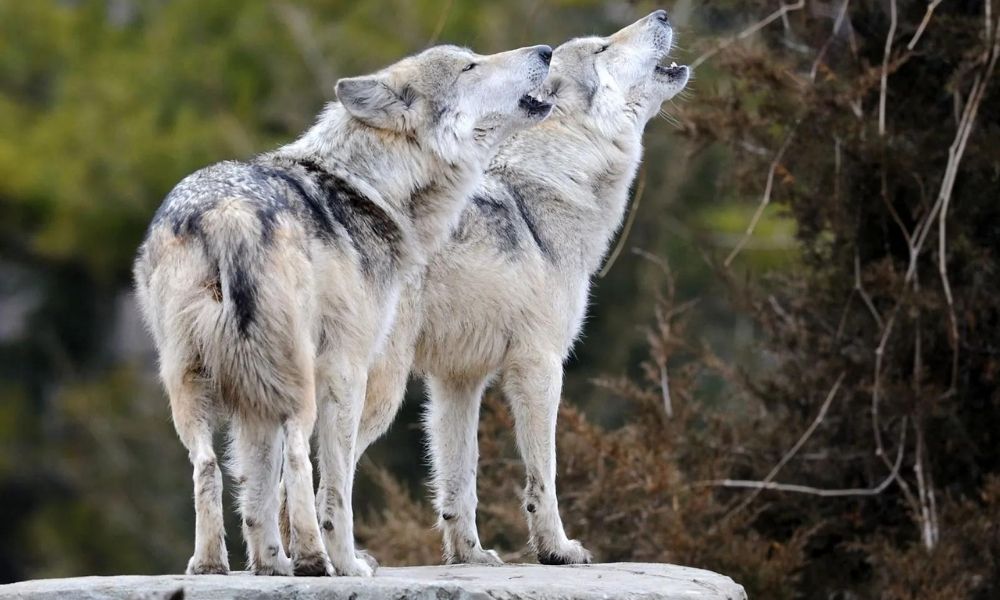
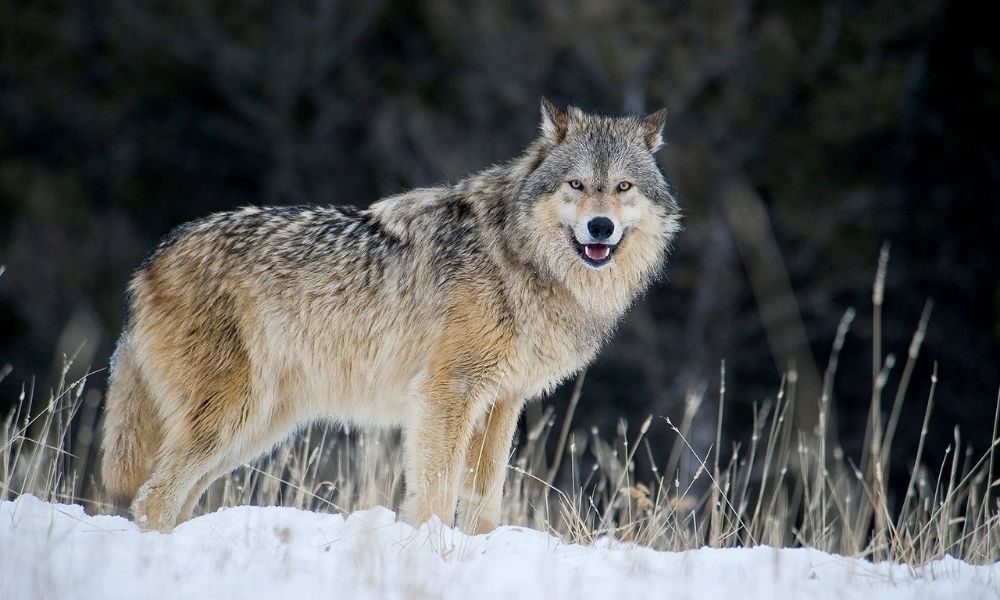
They have a powerful build, a sharp muzzle, and thick fur, which helps them survive in harsh conditions. The average weight of an adult wolf ranges from 30 to 50 kg, although some individuals, such as the Macedonian or tundra wolf, can reach 80 kg. These predators are distinguished by their high intelligence, complex social structure (packs), and advanced hunting skills. Wolves play an important role in the ecosystem by regulating the population of herbivores.
2. "Canis Lupus" in Latin means "gray wolf".
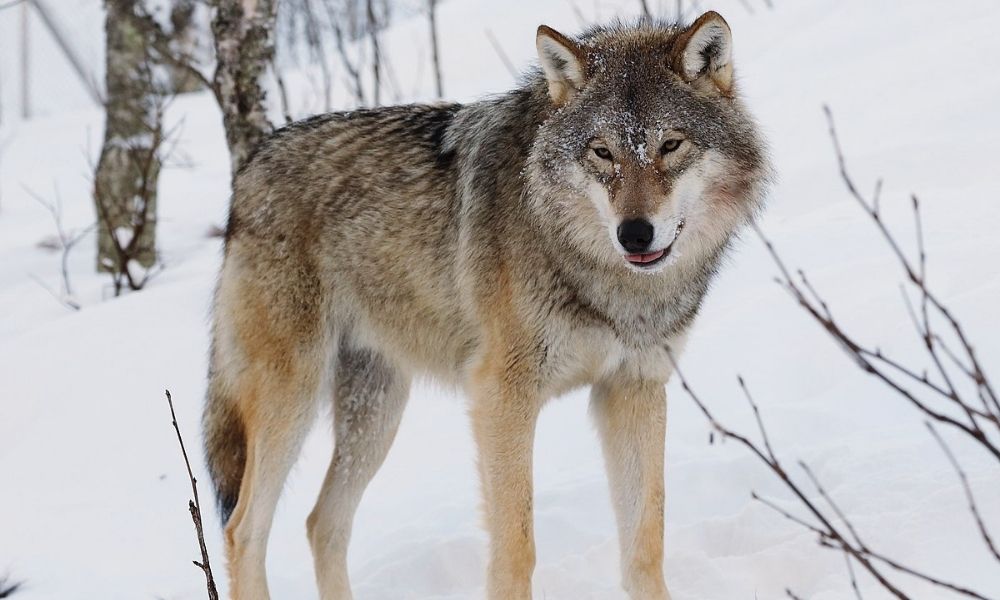
«"Canis Lupus" is the scientific (Latin) name of the species, which translates as "gray wolf." It is a binomial name, where Canis denotes the genus (dog) and Lupus denotes the specific species (wolf). The gray wolf is the largest member of the canine family and is widespread throughout the Northern Hemisphere.
Additional facts:
— Latin names are used in biology to unify terms.
— The subspecies of Canis lupus is the domestic dog (Canis lupus familiaris).
— Wolves play a key role in ecosystems as apex predators.
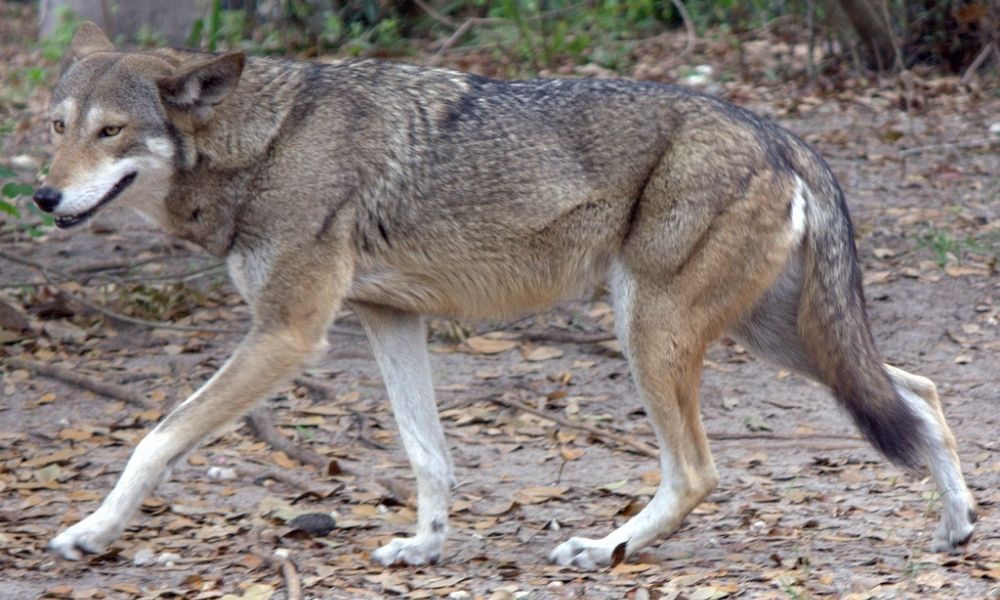
3. Red wolves are believed to be a cross between grey wolves and jackals.
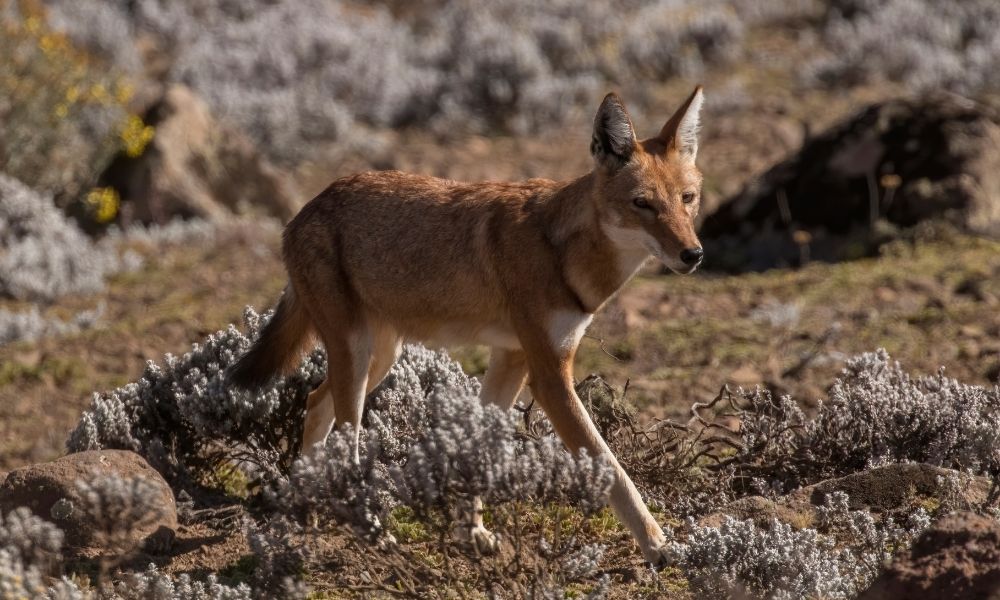
4. "Canis Simensis" or "Abyssinian wolf" lives in Africa.
5. Dogs have many common traits with wolves.

6. Although many wolf species have become extinct throughout history, many are now endangered.
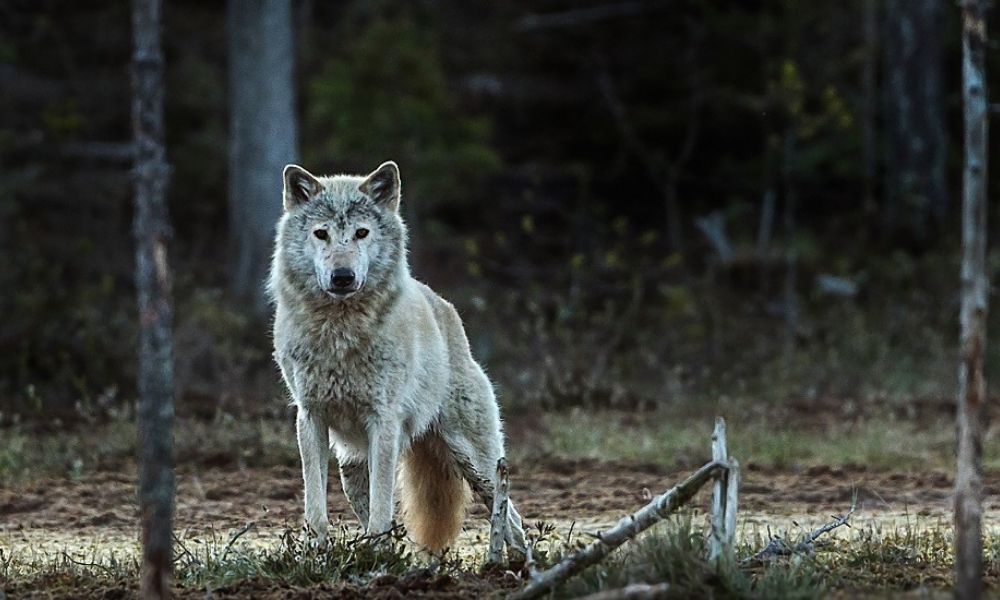
7. The gray wolf is a sacred animal and a national symbol in Turkic, Mongolian and Altai mythology.
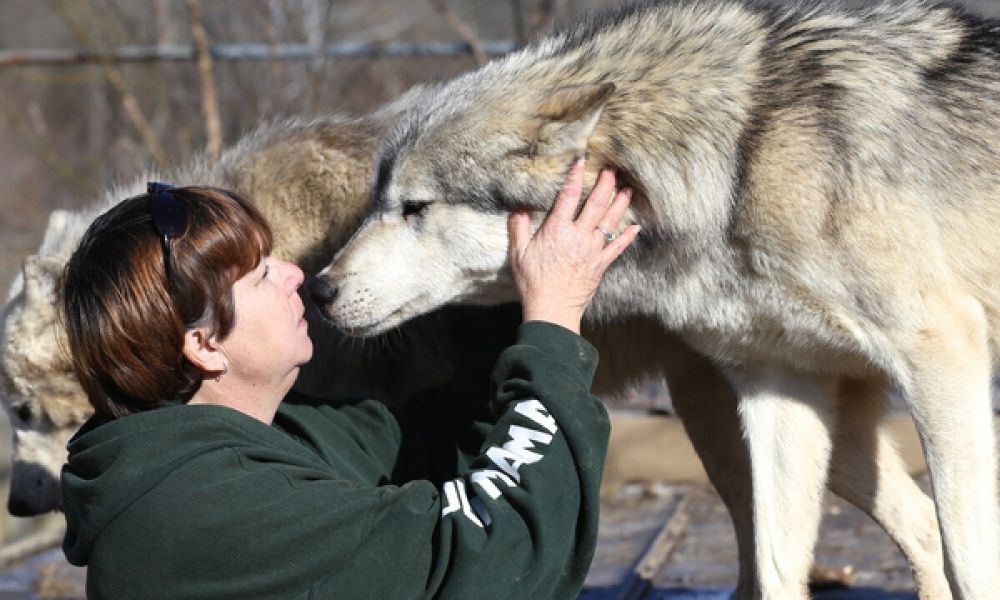
8. Wolves live in groups of up to 20 individuals.
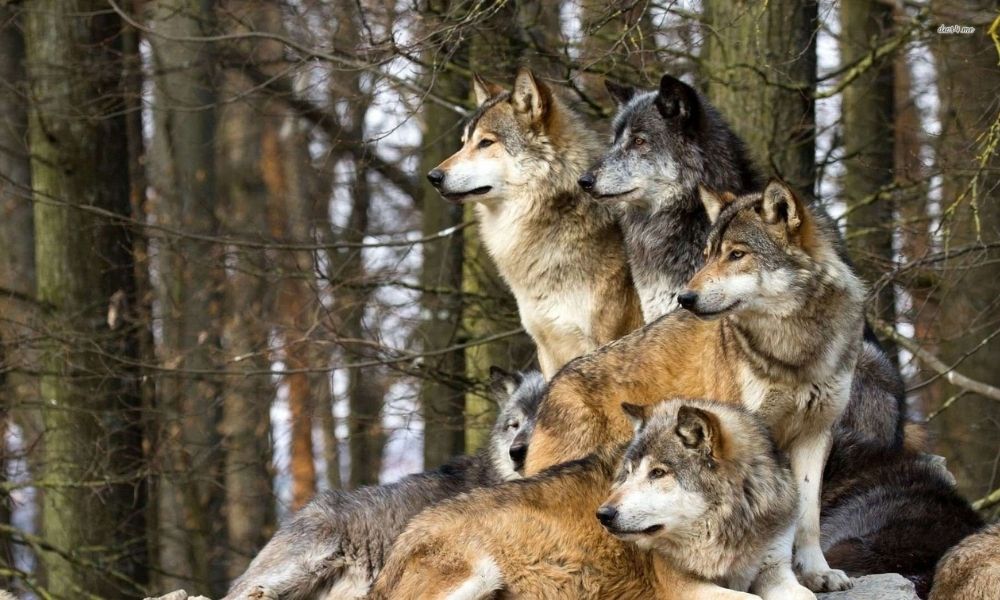
9. One worm can reach 1.5 meters in length and 90 cm in height.
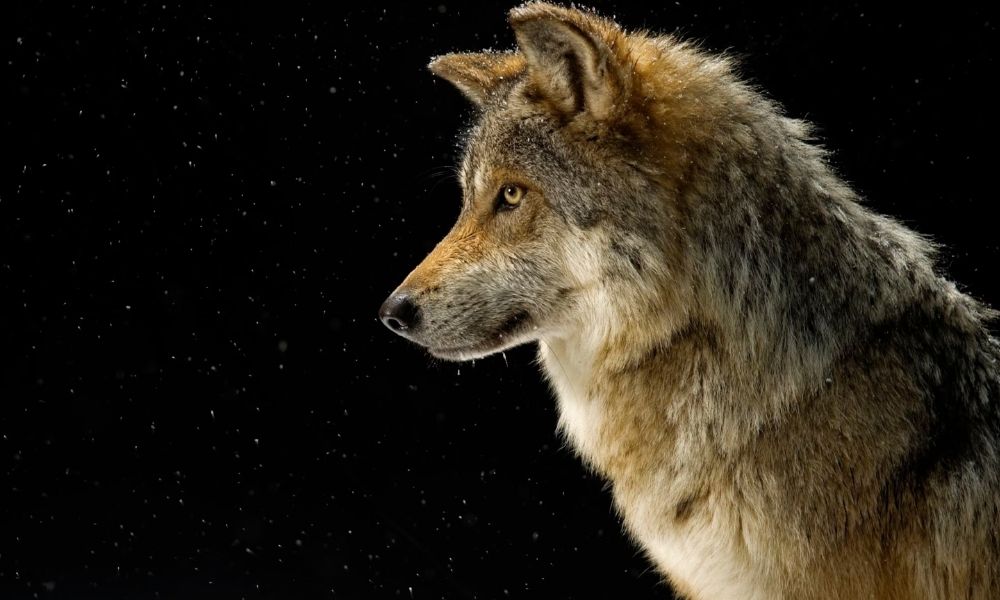
10. One of the heaviest wolves ever recorded weighed approximately 180 pounds.
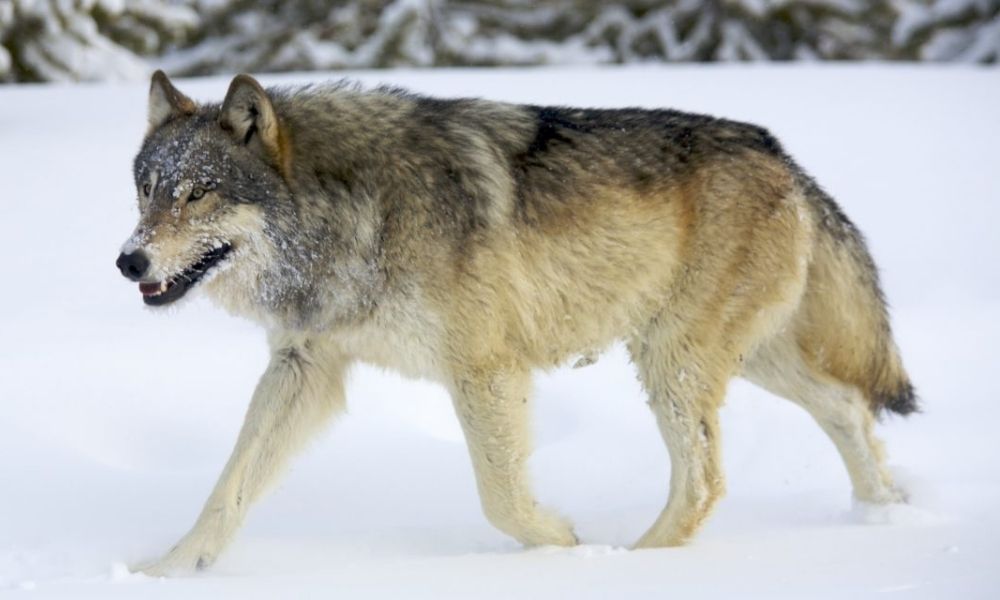
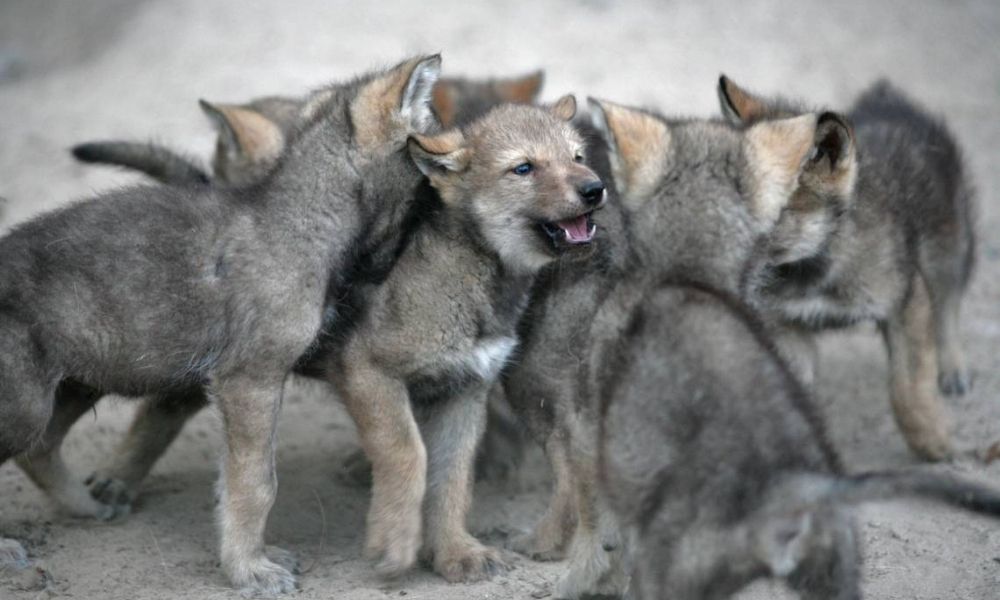
11. A female wolf can give birth to up to six cubs.
12. Wolves typically prefer larger prey such as deer, but they may also hunt smaller prey such as rabbits.
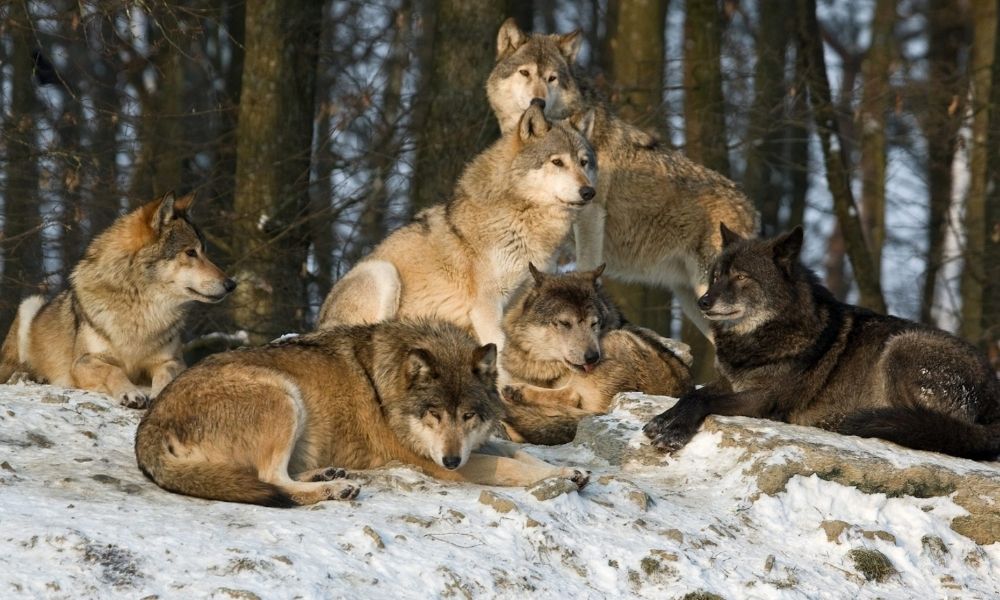
13. Wolves are believed to live up to 13 years.
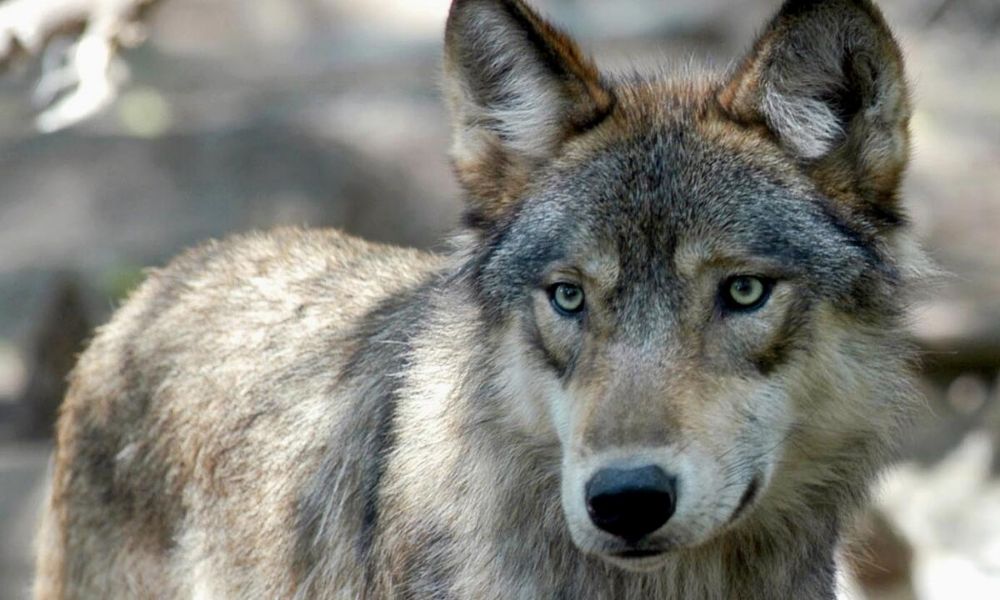
14. At the head of the herd is the strongest pair - a male and a female, they are called alphas.
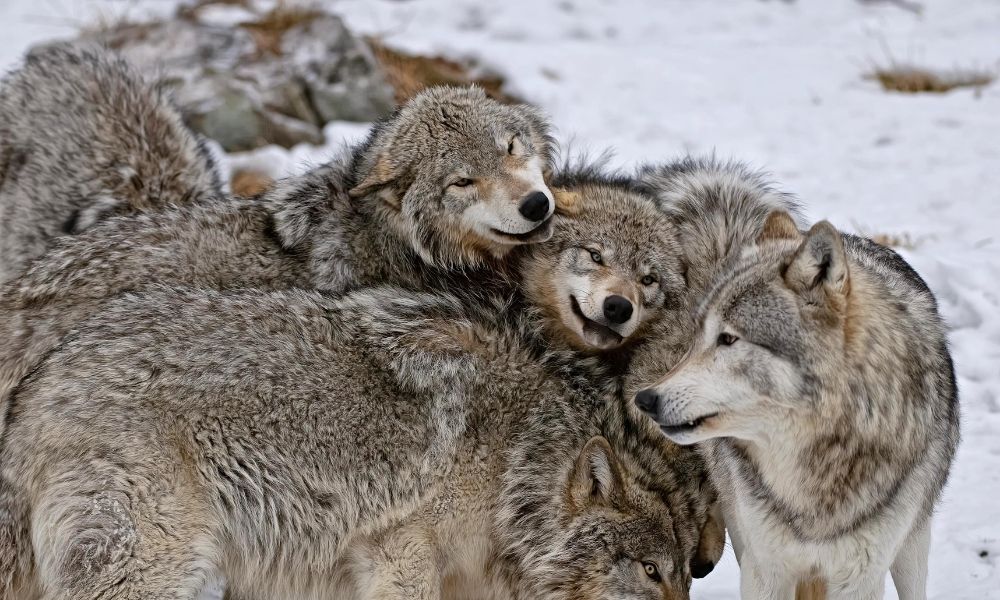
15. Alphas of the pack mate only with each other.
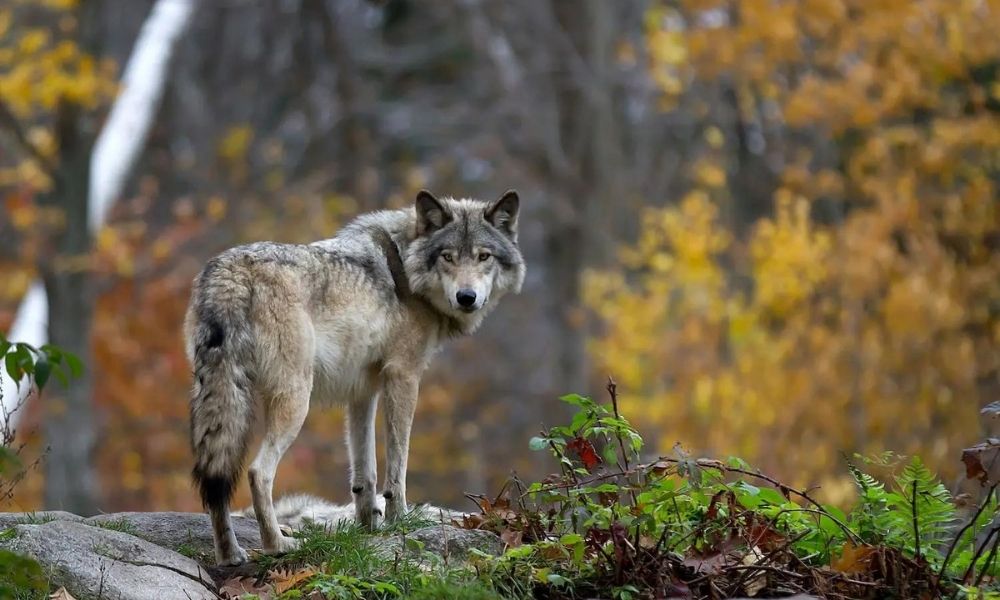
16. Female wolves settle into underground dens to give birth to their cubs in the spring.
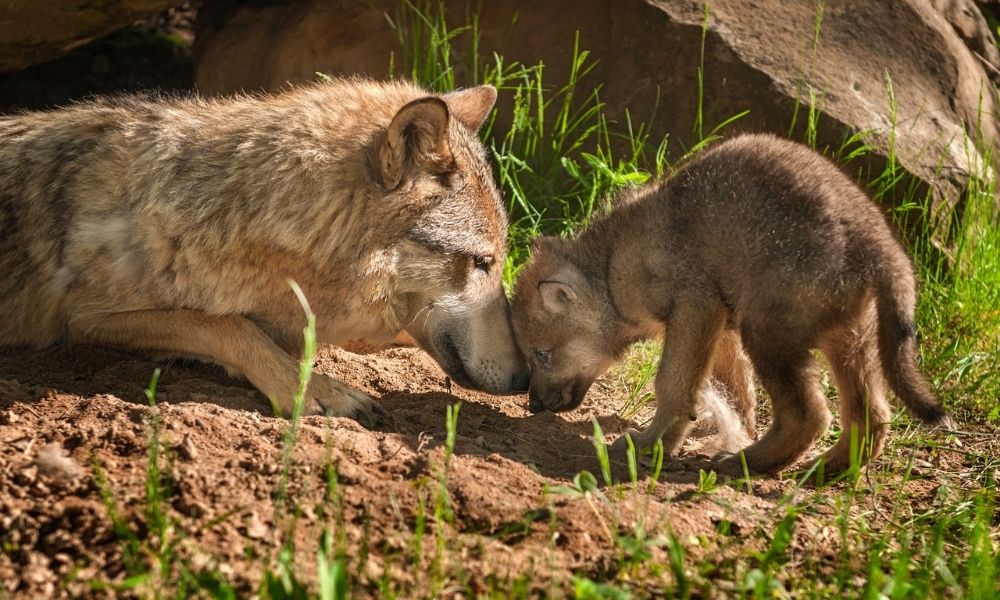
17. The whole pack helps take care of the wolf cubs.
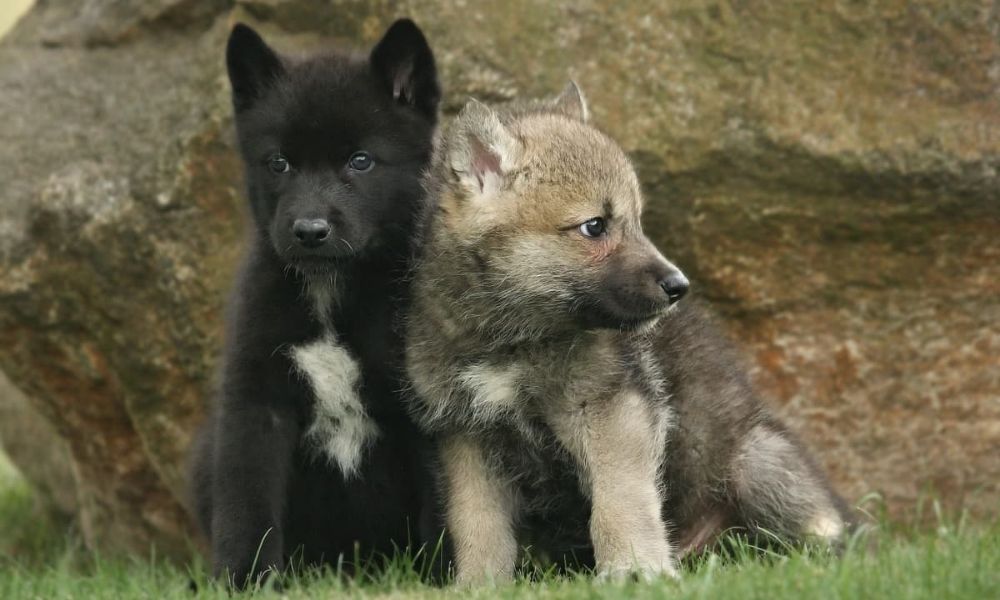
18. A single wolf howl can be heard at a distance of 10 km.
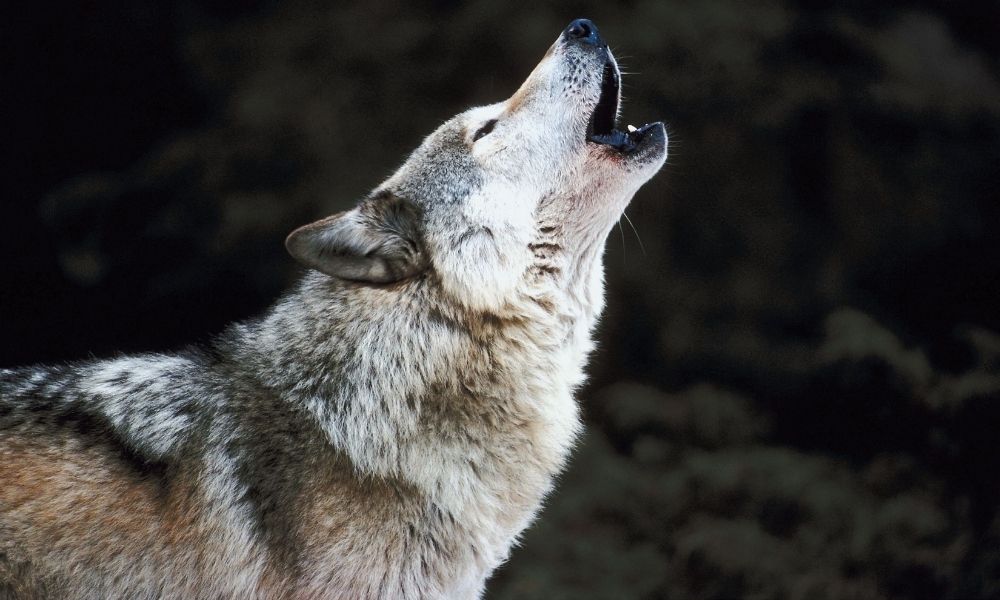
19. A wolf's hearing is twenty times better than a human's.
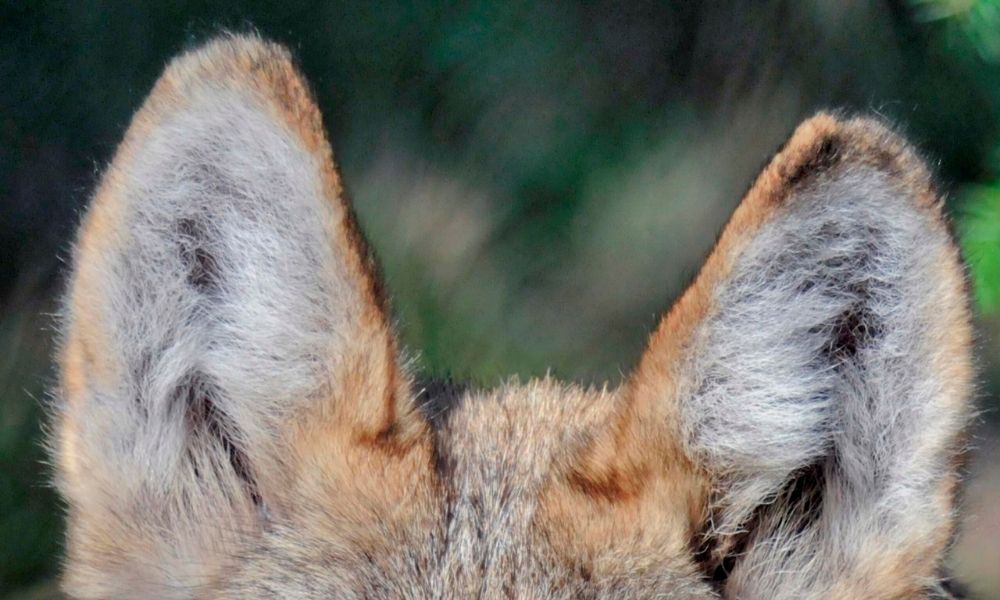
20. Their noses are a hundred times more sensitive than the human nose.
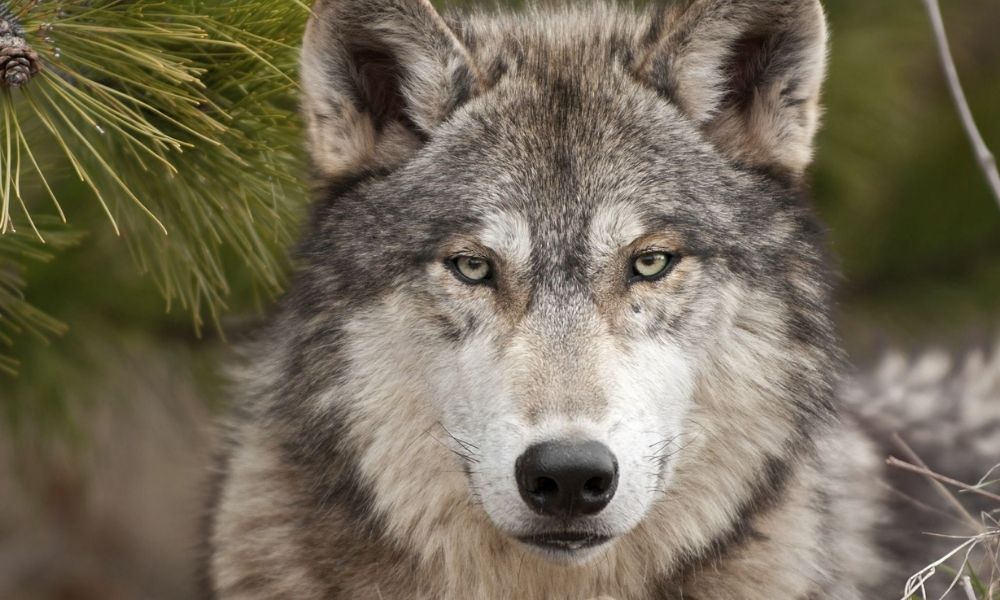
21. Their thick fur helps them survive in harsh climates.
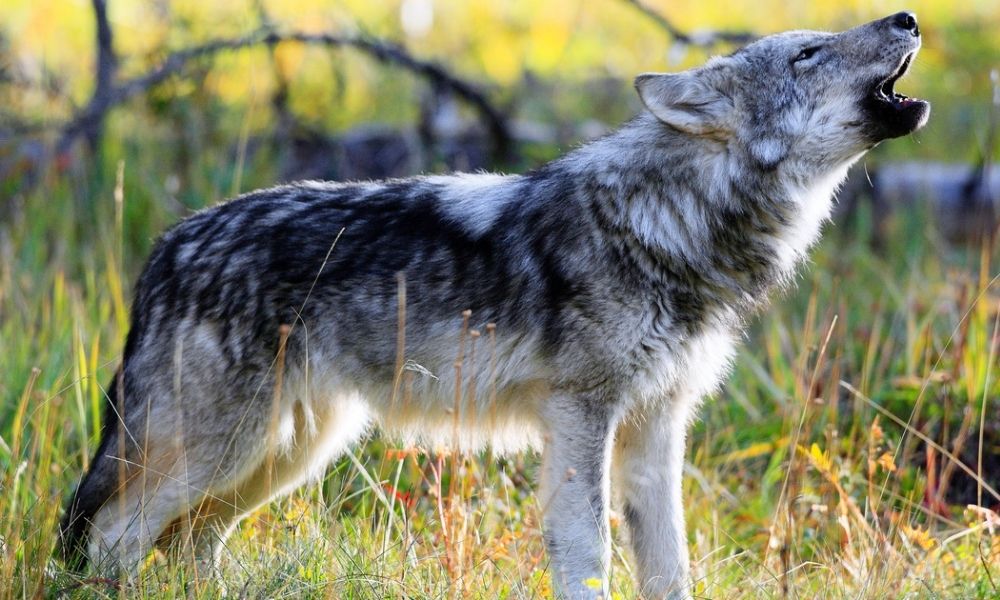
22. Wolves hunt in packs.
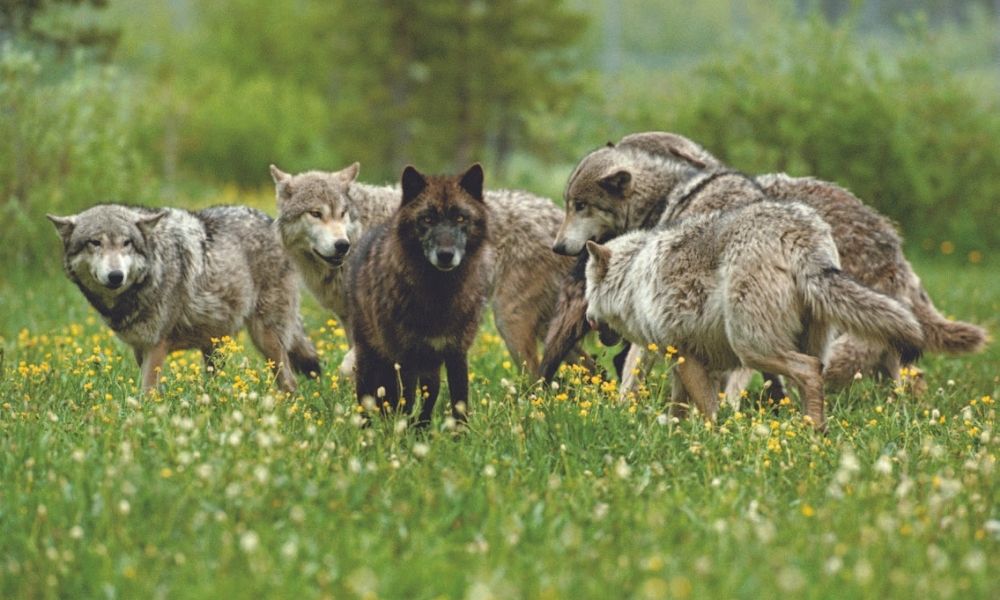
23. A wolf can eat up to 9 kilograms of meat in one meal.
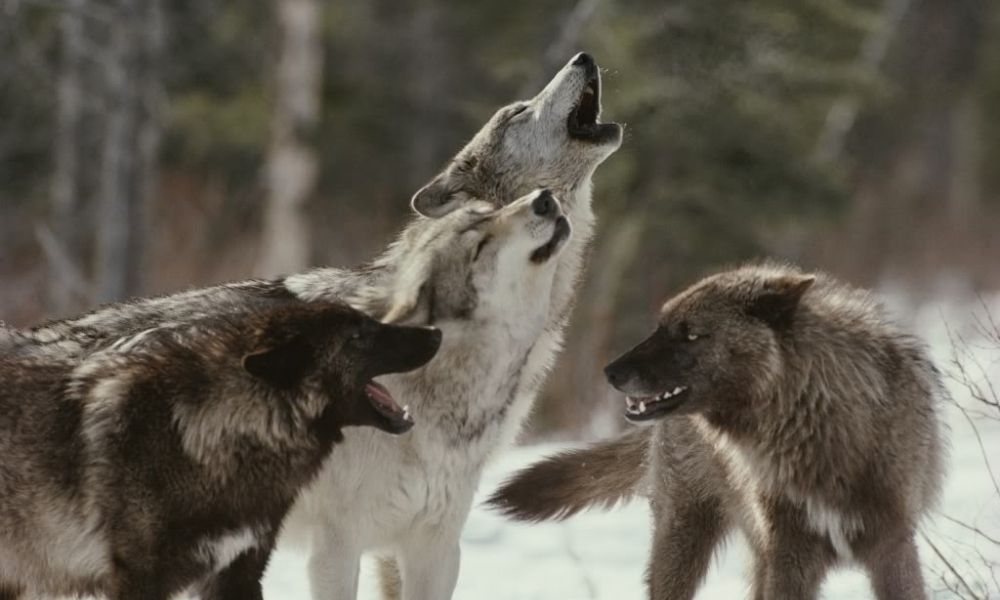
24. One wolf can travel up to 200 km in 24 hours.
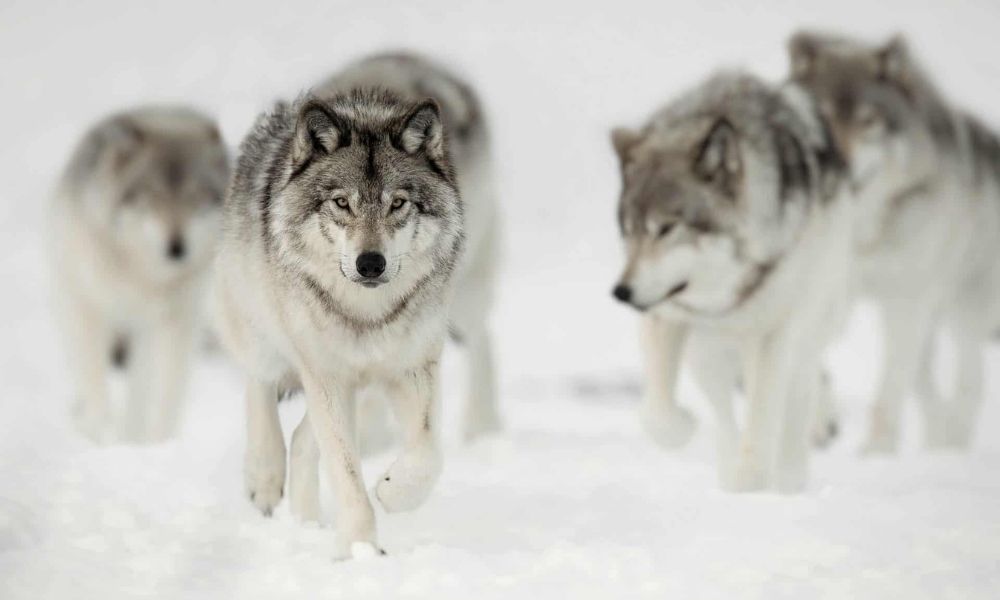
25. In Roman mythology, Romulus and Remus were raised by wolves.
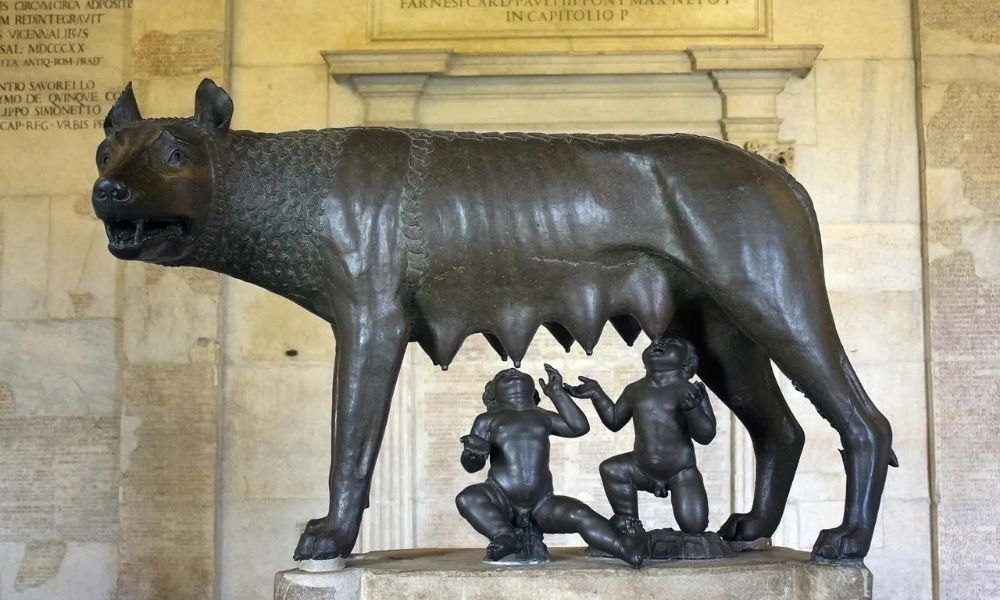
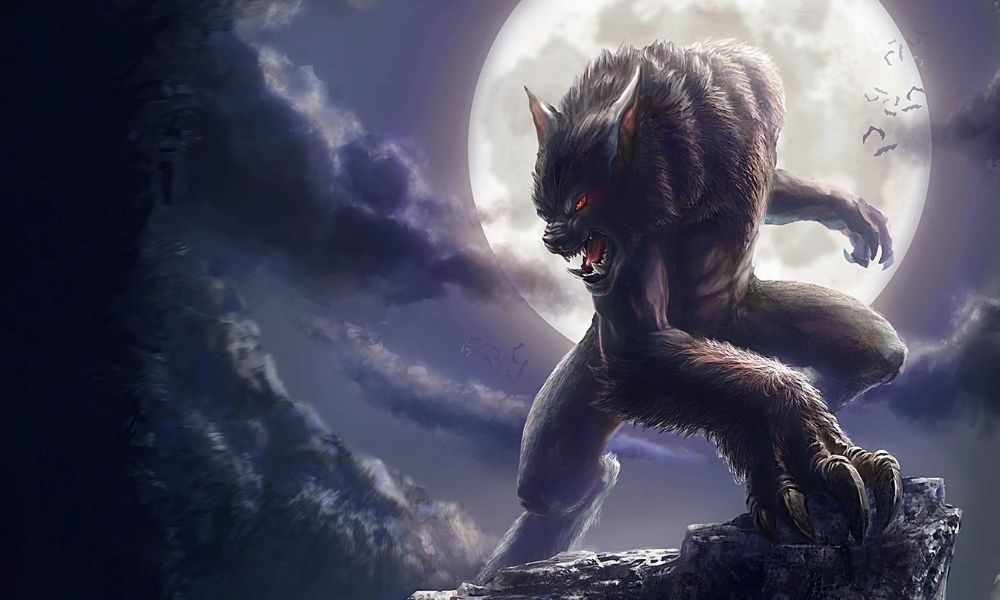
26. The origin of the terrifying legend of werewolves goes back to Ancient Greece.

27. Some people believe that if they suffer from lycanthropy, they can turn into wolves.
28. In Native American culture, the wolf is seen as a guide and a great teacher.
29. The most terrible and hated wolf in Scandinavian mythology was Fenrir, the eldest child of Loki.

30. Wolves often feature in popular culture.

Conclusion
Wolves are truly amazing creatures, combining strength, intelligence, and complex social organization. Their role in nature, mythology, and human culture is difficult to overstate: from sacred symbols of ancient peoples to heroes of modern books and films. As the apex of the food chain, they maintain the balance of ecosystems, and their unique abilities—from a phenomenal sense of smell to coordinated hunting in a pack—make them among the most advanced predators on the planet.
We hope these 30 facts have given you a new perspective on the world of wolves—creatures that have inspired, terrified, and fascinated people for centuries. What are your thoughts on wolves? Share your thoughts in the comments! 🐺💙