






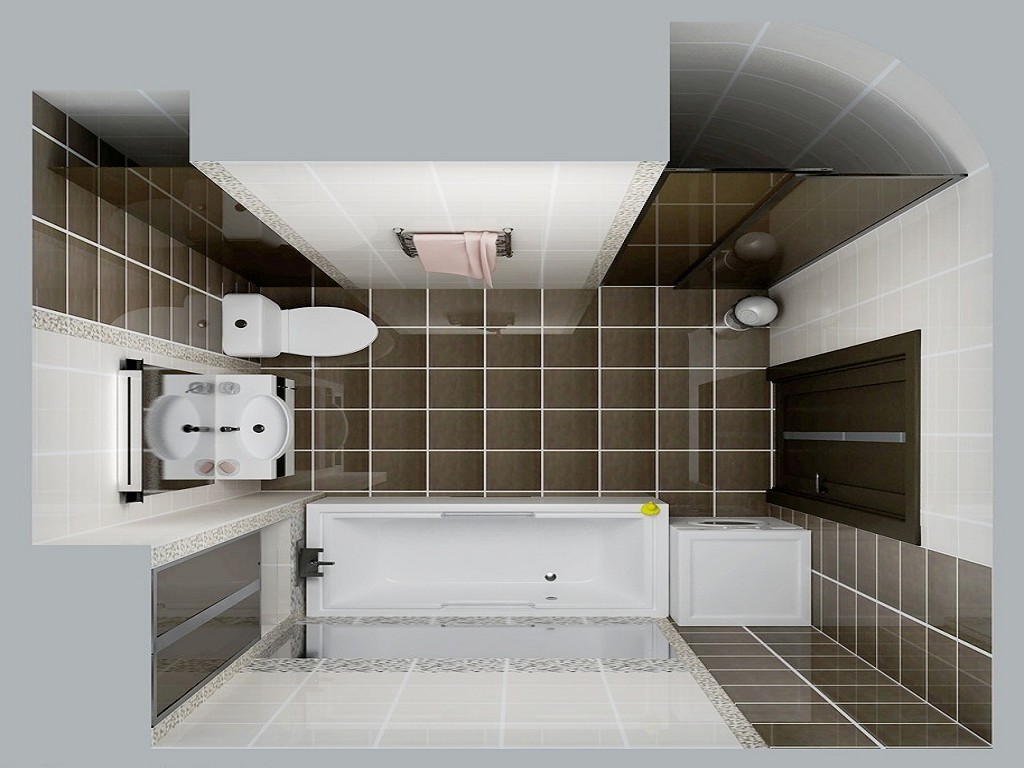
The bathroom is a special space where each day begins and ends. Our mood and well-being depend on how comfortable and functional it is. Creating a stylish and practical bathroom interior is within anyone's reach—it's important to understand the basic principles of design and use the available space wisely.
A classic approach to bathroom design
Classic bathroom design remains a timeless treasure in the world of interiors. The combination of black and white creates a harmonious atmosphere that will never go out of style. This approach is especially effective in small spaces—the contrasting palette visually expands the space, making the room appear more spacious and bright.
The classic style is characterized by strict geometric shapes, minimalist decor, and high-quality materials. Ceramic tiles with a glossy surface, chrome hardware, and matte textures create the perfect balance between elegance and practicality. It's important to choose materials that are moisture-resistant and easy to clean from limescale.

Romantic direction in design
For those who appreciate coziness and soft lines, the romantic style is ideal. A pastel palette—peach, mint, soft blue, and lavender—creates a relaxing atmosphere conducive to rest and relaxation. These colors softly diffuse the light, filling the room with warmth and harmony.
A bolder solution is to use rich accent colors. Bright red, emerald, or deep blue elements can become striking interior details. However, it's important to use intense colors in moderation—they should occupy no more than 20-30% of the space, otherwise they can cause psychological discomfort during prolonged stays in the room.

Creating a children's bathroom
If you have children in the house, your bathroom design requires special attention. Bright colors, playful appliqués, and themed designs transform a routine hygiene routine into an engaging game. When choosing a design, consider the child's age and preferences.
Nature-themed rooms—fish, animals, and plants—are ideal for little ones. Children's tiles with matching designs or special wall decals create a nurturing environment. A shower curtain featuring a favorite character is not just a functional element, but a source of joy for the child.
Safety in a child's bathroom is a top priority. Non-slip mats, curved fittings, height-adjustable elements, and water temperature limiters are essential for comfortable and safe use.
Optimizing small spaces
Owners of compact bathrooms often face the challenge of space constraints. However, with the right approach to layout and furniture selection, you can create a functional interior even in a limited space.
Mirrors are a reliable ally in the fight to visually expand a space. A large wall-sized mirror or several mirrors placed opposite each other create an infinity effect. Mirrored cabinets combine practical storage with the optical illusion of spaciousness.
Lighting in a small bathroom should be multi-layered. The main overhead lighting is supplemented by spotlights near the mirror and in the shower area. Natural light through the window is an invaluable resource, not only saving energy but also promoting air circulation and killing bacteria.

Practical recommendations for arrangement
When planning a bathroom renovation, it's important to consider not only aesthetic preferences but also the technical requirements of the space. Proper waterproofing, effective ventilation, and proper plumbing placement are the foundation of a durable and comfortable interior.
Modern materials offer ample opportunity to realize even the most daring design ideas. Moisture-resistant plasterboard, porcelain stoneware, quartz vinyl coatings, and acrylic surfaces allow for unique combinations of textures and colors.
Functional zoning is a key principle in space organization. Clearly delineating wet and dry zones, the wash area, and storage ensures ease of use and simplifies cleaning.
Ergonomics and storage organization
A well-organized storage system is the key to a tidy bathroom. Modern manufacturers offer a variety of solutions for compactly storing all your essentials.
- Corner shelves and cabinets make effective use of dead spaces
- Pull-out designs provide easy access to contents
- Magnetic holders for metal items save space
- Multi-tiered closet organizers increase storage capacity
When choosing storage furniture, it's important to consider the material it's made from. Moisture-resistant MDF, plastic, glass, and stainless steel are ideal options for high-humidity environments.
Bathroom design trends
Modern bathroom design trends combine aesthetics and functionality. Natural materials, smart technology, and eco-friendly solutions are driving the design movement in this direction.
Natural textures—stone, wood, and concrete—create a spa-like atmosphere at home. Smart faucets with thermostats, lighting, and touch controls enhance ease of use. Energy-saving appliances and water recycling systems adhere to sustainable development principles.
The color accents for 2024 are deep blues, muted terracotta tones, and rich greens. Matte surfaces predominate over glossy ones, creating a calmer and more inviting atmosphere.
Photos of completed projects


Creating the perfect bathroom is a creative process that requires attention to detail and an understanding of your own needs. Don't be afraid to experiment with colors, textures, and layout solutions. Remember, the best design is one that reflects your personality and lifestyle, ensuring comfort and practicality for years to come.