






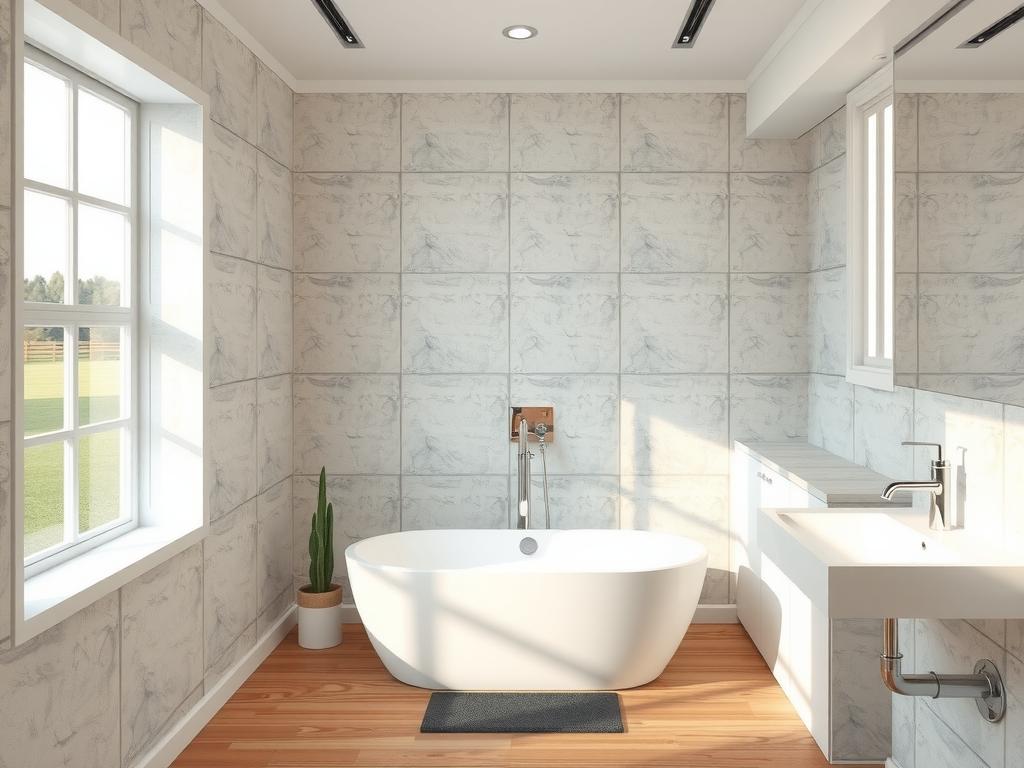
Secrets to Long-Lasting Acrylic Surfaces: Professional Care
Acrylic bathtubs have gained popularity thanks to their aesthetic appeal, variety of shapes and colors, and comfortable, warm surface. However, many owners face the problem of the acrylic coating quickly losing its original shine and scratching. The specific nature of the material requires a special approach to care and cleaning. Based on many years of experience servicing plumbing fixtures, I have developed a system of rules for maintaining the impeccable appearance of an acrylic bathtub throughout its entire lifespan.
Daily care and damage prevention
Regular maintenance of an acrylic surface begins with simple yet effective procedures. After each use, rinse the bathtub with warm water to prevent soap scum and limescale buildup. Drying the surface with a soft microfiber cloth takes no more than a minute but significantly extends the life of the coating. For routine cleaning, we recommend using non-abrasive liquid detergents—they effectively remove dirt without damaging the glossy surface.
Preventing mechanical damage involves several important rules. Avoid placing metal basins and buckets in the bathtub—even minor impacts can leave noticeable marks on the acrylic. To protect the bottom, we recommend using special anti-slip mats made of soft PVC. In my experience, a bathtub lasted over 10 years without a single scratch thanks to following this simple rule: placing all hard objects only on the protective mat. Particular caution should be exercised when bathing pets—their claws can cause deep damage to the acrylic.
Combating complex stains and limescale
Over time, stubborn stains such as limescale, rust stains, and soap scum can appear on the surface of an acrylic bathtub. To remove these stains, avoid using harsh chemicals containing chlorine, acetone, or ammonia—these substances destroy the acrylic structure, causing the surface to become cloudy and microcracks to appear. Instead, use gentle cleaners based on citric acid or specially formulated products for acrylic surfaces.
Folk cleaning methods have proven effective. A 2:1 mixture of baking soda and hydrogen peroxide gently removes limescale without damaging the finish. To combat rust stains, you can use a paste of lemon juice and table salt—apply the mixture to the affected areas for 15-20 minutes, then rinse with warm water. In one difficult case, a bathtub with years of limescale deposits was restored to its original appearance by successively applying citric acid and a professional polish.
Surface restoration and defect removal
Minor scratches on acrylic surfaces can be easily repaired at home. To polish minor damage, use a ceramic dioxide-based paste and a soft felt pad. The process requires care and patience—excessive pressure can overheat the surface and cause it to warp. After polishing, the treated area is treated with a protective compound that restores the shine and protects against further damage.
More serious damage—deep scratches and chips—require the use of repair kits. Modern acrylic surface restoration kits include two-component compounds that, when mixed, form a flexible mass that is perfectly compatible with the bathtub material. The repair process involves cleaning the damaged area, degreasing, applying the repair compound, and then sanding it. In my experience, I was able to restore a bathtub with a through-and-through damage—the repair took two days, but avoided the need to replace expensive equipment.
Specifics of caring for hydromassage systems
Acrylic bathtubs with a whirlpool function require special maintenance. The jets and internal channels of the system require regular cleaning to remove limescale and bacterial deposits. Preventive disinfection is performed once a month using special products that do not damage the acrylic surfaces or components of the whirlpool system. Cleaning involves filling the bathtub with warm water and adding a disinfectant, then running the whirlpool system for 15-20 minutes.
After chemical cleaning, the system is thoroughly rinsed with clean water. This removes any detergent residue and prevents possible skin irritation during subsequent use of the tub. Particular attention is paid to the filters; they should be cleaned according to the manufacturer's recommendations, typically every 3-6 months. Proper maintenance of the whirlpool system not only maintains hygiene but also ensures reliable operation, as confirmed by years of experience operating such systems in a variety of conditions.