







We've seen many changes in the investment and asset ownership space recently. The tokenization of digital assets transforms intangible assets into tangible ones, enabling transfers through the implementation of blockchain technology. This growing phenomenon is attracting increasing attention in the investment world.
In this paper, we explore how digital asset tokenization impacts modern investing and can contribute to economic transformation.

What is tokenization and how does it help with investments?
Asset tokenization is a process by which any asset, whether physical or digital, can be converted into compact digital tokens. These digital tokens operate on a secure blockchain network, like digital superheroes in the asset world. Various real-world assets, from real estate and company shares to works of art and goods, are converted into secure digital tokens stored on the blockchain.
They are similar to shares that can be bought, sold, and traded like regular securities. This innovation was made possible by the combination of blockchain technology and smart contracts. Due to its numerous advantages, tokenization is one of the most popular mechanisms. It has transformed the way we invest, leading to its popularity among the population for the following reasons.
By improving cash flow
Among the most significant benefits of asset tokenization is the increased liquidity of typically illiquid assets. This process has simplified stock trading for startups and facilitated the sale and transfer of stakes in businesses. This allows them to quickly exit their investments without waiting for an IPO or acquisition. Investments in unique assets previously required long commitment periods, limiting timely response to market changes.
Tokenization has enabled investors to easily and quickly convert their assets into cash or diversify their investments, which can be done in the blink of an eye in response to changing market conditions.
Offering impeccable security and transparency
Blockchain technology, the cornerstone of this tokenization process, ensures unprecedented transparency and security. Every transaction is recorded in an immutable and decentralized ledger, guaranteeing an accurate and transparent ownership history. The elimination of intermediaries and the use of smart contracts significantly reduce the risk of fraud, ensuring increased security for all parties involved.
Token holders easily access real-time asset performance data, including market value, rental income, and dividends. The decentralized structure increases resilience to single points of failure and cyber threats. The advanced contracts used in tokenization platforms are self-executing and immutable—once deployed on the blockchain, they remain immutable and resistant to counterfeiting.
Due to its availability on the global market
Digital tokenization overcomes geographic barriers, allowing investors worldwide to participate in a variety of markets. This global accessibility expands market participation and can improve its efficiency by freeing investors from local restrictions.
Traditionally, real estate transactions have been associated with tedious paperwork, intermediaries, and meticulous due diligence. Tokenization revolutionizes this process by registering and transferring property ownership on the blockchain, simplifying the entire process and reducing administrative burdens.
Allowing fractional ownership
Diversification is made possible through fractional ownership, which reduces risks for investors. Startups benefit from a wider investor network, providing access to larger capital investments. You don't have to be a millionaire to invest in high-yield assets; acquire a stake and join the game!
Dividing land ownership into shares creates new investment opportunities, attracting potential buyers and reducing the time required to find suitable investors.
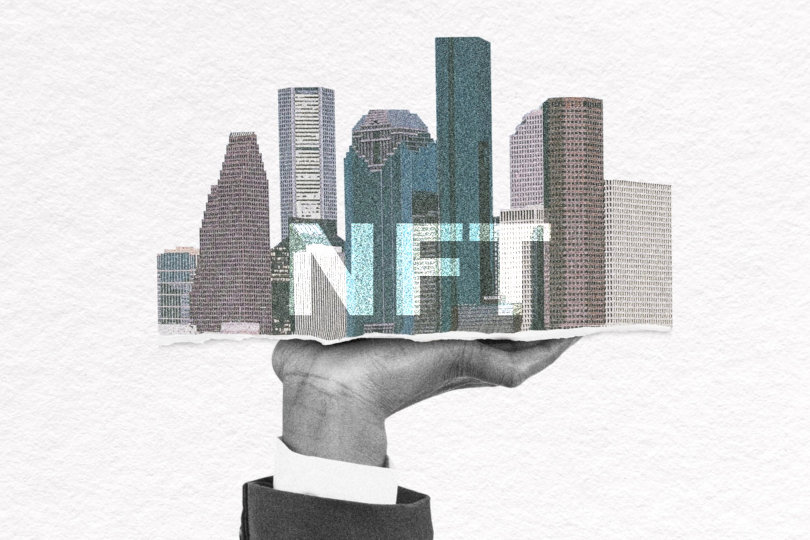 Image source: Real Estate Tokenization / Beaglenaut
Real-time application of digital tokenization
Digital tokenization is gaining ground and is spreading every day. Below are some practical examples of tokenization in the real world.
- Tokenization of real estate simplifies the transaction process for investors buying and selling such assets and can increase liquidity in this market segment.
- Furthermore, tokenization of intellectual property assets will increase liquidity and make it easier for investors to trade in the intellectual property market, thereby increasing its value.
Conclusion
The promise of asset tokenization is poised to transform startup investing, providing increased liquidity, accessibility, and transparency. This innovative method of ownership promises to unlock the potential of previously illiquid markets while democratizing investment opportunities.
All tokenized products are distributed and processed exclusively within a closed system. Furthermore, the creation of market infrastructure is crucial to enabling trading across various platforms.