






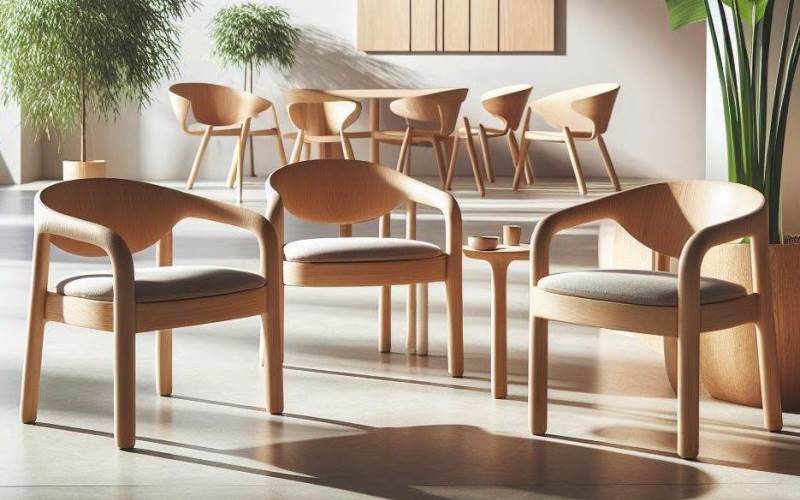
Chairs made of natural wood have always been a symbol of quality and durability. In the world of modern technologies and materials, wood remains an indispensable material, combining natural beauty, durability, and eco-friendliness. In this article, we'll explore the key advantages of using solid wood chairs in a modern interior, their manufacturing technologies, as well as interesting facts and their historical significance.
Chairs are not just a piece of furniture but also part of a rich cultural and historical heritage. Let's start by learning some interesting facts about wooden chairs.
- Historical significance
Wooden chairs were widely used as early as Ancient Egypt and Greece. They served not only as seating but also as symbols of status and power. Many ancient wooden chairs were decorated with carvings, precious stones, and metal elements. - Environmental sustainability
Natural wood is an environmentally friendly material and a renewable resource. Proper forest management allows wooden furniture to be produced without significant environmental impact, making it more sustainable than plastic or metal alternatives. - Durability
Natural wood chairs can last for decades with proper care. Furniture made from hardwoods such as oak, ash, or walnut is particularly durable and wear-resistant, making it a long-lasting investment. - Impact on the interior
Wooden chairs create a sense of warmth and comfort in any interior. They fit well with both traditional and contemporary decor styles. The natural texture of the wood gives each piece a unique character. - Diversity of breeds
Many types of wood are used to make chairs, each with its own unique properties. Oak is durable and damage-resistant, pine is lightweight and affordable, and teak is one of the best choices for outdoor furniture due to its water resistance. - Impact on health
Natural wood doesn't emit harmful chemicals, unlike some synthetic materials. This is especially important for people with allergies and those concerned about their health, as wooden furniture improves indoor air quality. - Easy to care for
Natural wood chairs are easy to care for. Simply wipe them with a damp cloth periodically and avoid prolonged exposure to moisture. Unlike upholstered furniture, wooden chairs don't absorb odors and are easy to clean. - Maintainability
If damaged, wooden chairs can be easily repaired. Unlike plastic or metal items, wood can be sanded, varnished, or repainted to restore its original appearance. - Antibacterial properties
Wood has natural antibacterial properties. Some wood species, such as pine and oak, contain natural substances that prevent the growth of bacteria on the surface. - Cultural heritage
Wooden chairs have their own distinctive styles across different countries and cultures. In Japan, traditional chairs and stools are often made of cedar or cypress and may feature minimalist carvings, while in Scandinavian countries, simple and functional wooden chairs with an emphasis on natural textures are popular.
These facts highlight the uniqueness and value of natural wood chairs, their role in history and modern interiors.
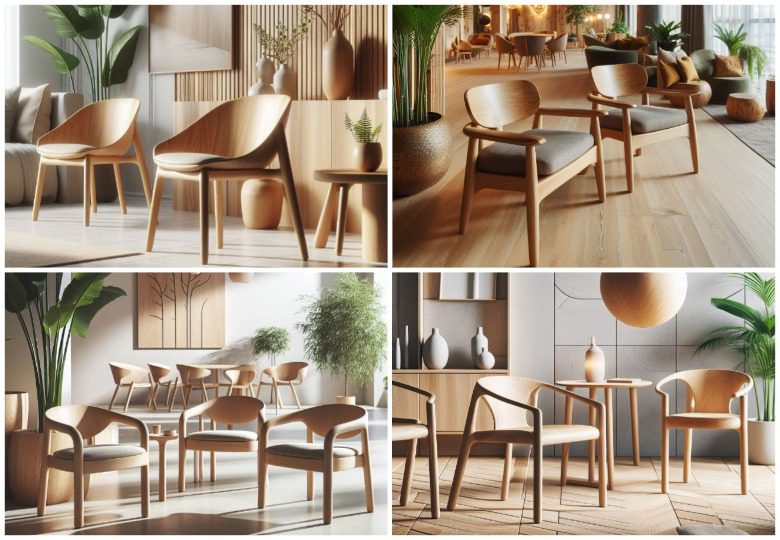
Advantages
Wooden chairs can significantly transform the atmosphere of any interior. Their versatility and natural beauty allow them to blend harmoniously with a variety of styles and design projects.
Versatility and style
- Classic styleWooden chairs fit perfectly into classic interiors thanks to their natural beauty and elegance.
- Scandinavian style: The simple and functional design of wooden chairs is ideal for Scandinavian interiors, where the emphasis is on minimalism and natural materials.
- Eco-styleWooden chairs are a key element in eco-interiors that value natural materials and sustainability.
Functionality and comfort
- ErgonomicsModern wooden chairs are designed with ergonomic principles in mind, ensuring comfort during long periods of sitting.
- Use cases: These chairs can be used in a wide variety of settings, from kitchens and dining rooms to offices and public spaces.
Accents and decorative elements
- Hand carvingDecorative elements such as hand carving give the chairs individuality and artistic value.
- Textile inserts: For added comfort and color, wooden chairs can be complemented with fabric cushions or upholstery.
Wooden furniture is prized for its unique properties, which make it both attractive and functional. Chairs made of solid oak, beech, teak, and other fine woods offer a unique combination of aesthetics, durability, and eco-friendliness. Using these chairs in your interior offers numerous benefits that cannot be overstated.
Environmental friendliness and safety
- Natural materialWood is a natural material that does not contain harmful chemicals. Using wood minimizes the risk of allergies and other health problems.
- RenewabilityWood is a renewable resource when forests are managed properly, making it an environmentally sustainable choice.
- BiodegradabilityUnlike plastics and other synthetic materials, wood easily decomposes in nature without harming the environment.
Durability and strength
- StrengthWood is highly durable and resistant to mechanical damage. These chairs can withstand heavy loads and last for many years.
- MaintainabilityIf damaged, wooden chairs are easily repaired. Scratches and chips can be sanded out, and broken parts can be replaced or glued.
Aesthetics and uniqueness
- Natural beautyEach tree is unique in its grain and color, making each chair one-of-a-kind. The natural tones and grain of the wood lend the furniture a special charm and warmth.
- Design variabilityWood is easy to process, which allows you to create chairs of a wide variety of shapes and styles - from classic to modern minimalism.
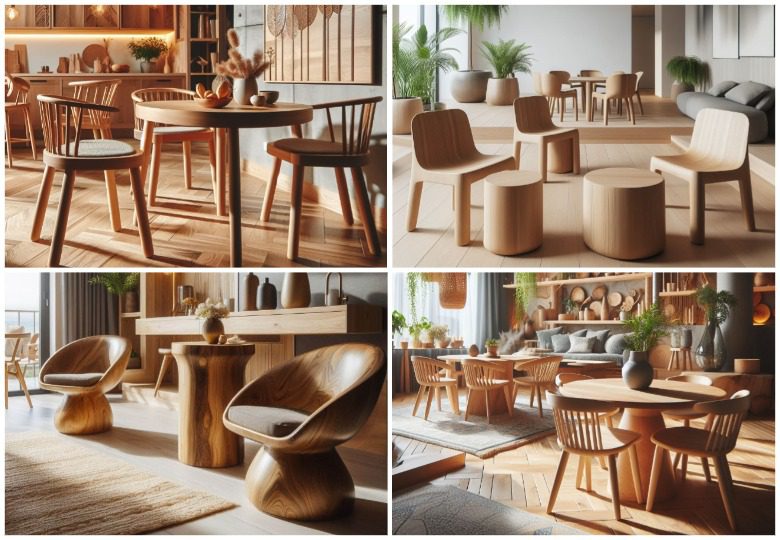
Wooden chairs are not only functional pieces of furniture but also an important element of interior design. They add coziness, enhance style, and can become a key accent in any space.
Manufacturing methods and technologies
The process of creating wooden chairs involves both traditional craftsmanship and modern technology. Understanding these processes allows one to better appreciate the quality and craftsmanship invested in each piece.
Traditional methods
- HandmadeMany wooden chair makers continue to use traditional methods, including handcrafting. This ensures the high quality and uniqueness of each piece.
- Using joinery joints: Carpentry joints such as tenons and mortises are often used to connect chair parts, which ensures high strength and durability of the structure.
Modern technologies
- Computer-aided design (CAD)Modern design technologies allow us to create precise and complex chair models, which improves the production process and the quality of the final product.
- CNC machinesComputer numerical control (CNC) machines automate the process of cutting and milling wood, ensuring high precision and speeding up production.
- Composite materialsIn some cases, solid wood is combined with other materials such as metal or plastic to create innovative and functional designs.
Processing and finishing
- Grinding and polishingThese processes are necessary to achieve a smooth, pleasant-to-the-touch surface. Sanding removes imperfections, while polishing gives the wood a luster.
- Coating with oils and varnishesTo protect the wood and improve its appearance, chairs are coated with special oils and varnishes. This highlights the wood's texture and protects it from moisture and dirt.
The combination of traditional techniques and modern technologies allows us to create wooden chairs that meet high quality standards. This makes these chairs not only beautiful but also durable and functional pieces of furniture.
How to choose the right chair?
Solid wood chairs are durable, long-lasting, and elegant. However, choosing the right chair can be challenging due to the variety of styles, wood species, and design features. Here are some helpful tips and recommendations to help you make the right choice.
1. Determine the purpose of the chairs
Before choosing chairs, it's important to understand their intended use. Chairs for the dining room, kitchen, living room, or office may have different design, durability, and comfort requirements.
- For the dining room: They must be durable and comfortable, as they are used daily.
- For the living room: They can be more decorative and convenient, as they are used less frequently.
- For the kitchen: Must be durable and resistant to moisture and dirt.
2. Selecting wood species
The type of wood plays a significant role in the chair's durability and appearance. Here are some popular options:
- Oak: Strong and durable, has beautiful texture.
- Nut: It has a dark, rich color and durability.
- Birch: Lightweight and damage resistant, often used for painting.
- Beech: Hard rock with a uniform structure, easy to process.
- Pine: A softer wood, easy to work with, but less durable.
3. Check the chair's design
The quality of a wooden chair's construction is crucial to its durability and safety. Please note the following:
- Connections: They must be strong and neat. Traditional joining methods, such as tenons and mortises, are considered the best.
- Legs: Must be uniform and stable, without play.
- Seat: Should be comfortable, possibly with soft upholstery or cushions.
- Back: Should provide sufficient back support.
4. Evaluate the appearance and style
Wooden chairs come in a variety of styles, from classic to contemporary. It's important to choose a style that complements your home's interior:
- Classical: Graceful forms, carvings, decorative elements.
- Modern: Clean lines, minimalism, simplicity of forms.
- Rustic Rough shapes, natural wood texture, aged look.
5. Consider comfort
Comfort is one of the key factors when choosing a chair. Consider:
- Ergonomics: The chair should support the natural position of the body.
- Seat softness: The presence of pillows or upholstery increases comfort.
- Seat height: Should match the height of the table and be comfortable for your family.
6. Checking the finish and coating
The finish of a chair affects its appearance and durability. The main types of finish include:
- Varnish: Protects wood and adds shine, but can be slippery.
- Oil: Emphasizes the natural texture of wood, protects from moisture.
- Dye: Allows you to create any color, but may hide the wood texture.
7. Caring for wooden chairs
Proper care will extend the life of your chairs. Follow these guidelines:
- Regular cleaning: Use a soft cloth to remove dust and dirt.
- Avoid moisture: Do not allow water to come into contact with the tree, use protective stands.
- Periodic processing: Apply oil or wax to maintain the appearance and protect the wood.
Choosing natural wood chairs requires careful consideration and consideration of many factors, including wood species, construction, style, and comfort. By following these guidelines, you'll be able to select chairs that will serve you for years to come, combining durability, elegance, and functionality.
Conclusion
Natural wood chairs remain a popular choice for many due to their numerous advantages. Their eco-friendliness, durability, and aesthetic appeal make them ideal for both home and public spaces. Modern technology allows for the creation of wooden chairs in a variety of styles and shapes, ensuring their versatility and complementary design. Thus, wooden chairs not only enhance the space but also serve as reliable and functional pieces of furniture for years to come.