






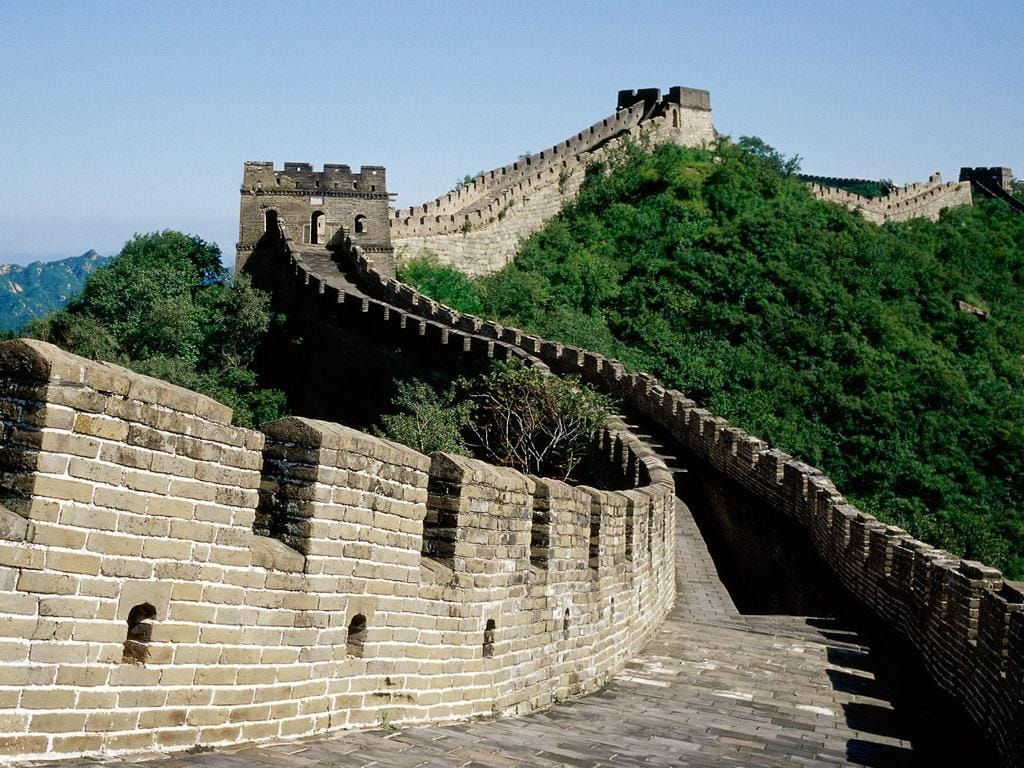
The Great Wall of China is one of the greatest and most famous construction projects of humankind. The first steps in its construction were taken in the 3rd century BC. It was then, by decree of Emperor Qin Shi Huang, that construction began on the wall, which would in the future protect the peaceful people of China from invasions by hostile nations.
The idea itself was not born in Qin Shi Huang's mind without reason. Inspired by the example of small Chinese principalities, he decided to build a kind of shield. Indeed, it was the tradition of enclosing Chinese settlements and northern principalities with defensive walls that inspired Emperor Qi to build it. It was precisely during this period that the Chinese state was in dire need of protection. Numerous enemy raids prevented agriculture and the development that the times demanded.
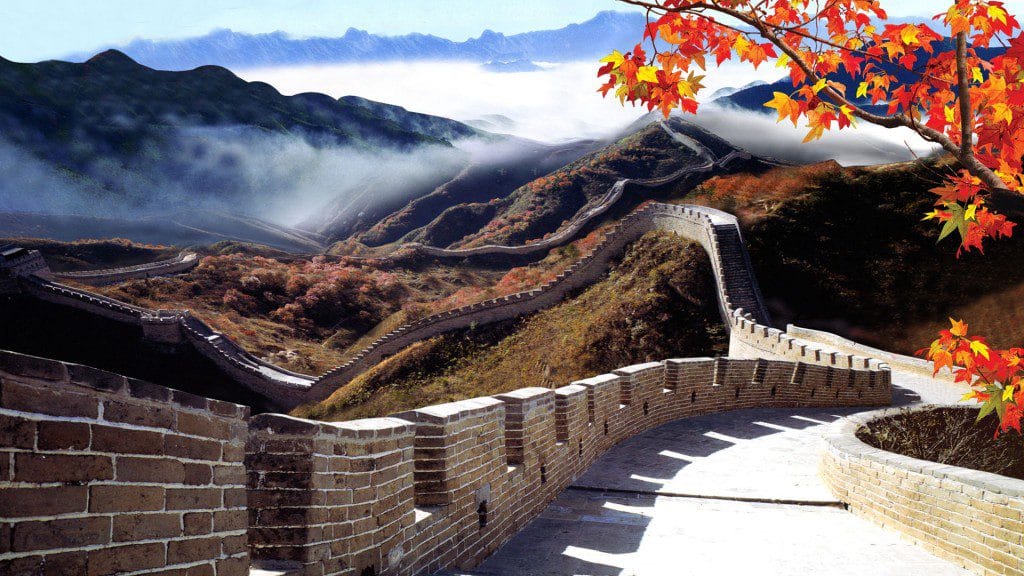
The Legend of the Great Wall of China
Legends say that the emperor initially dispatched his army, numbering 300,000 men, to undertake the massive construction project. Working in appalling conditions, with virtually no rest, the rank-and-file soldiers began to die suddenly. The dwindling workforce required replacement. So Qin Shi Huang dispatched Chinese citizens to build the defensive barrier. According to some estimates, the number of workers involved in the construction amounted to one-fifth of China's entire population.
It was during the reign of Emperor Qing that the main section of the wall was erected. Initially, the wall consisted of simple earthen embankments. This is understandable, as the construction entailed merging existing walls into one and extending it westward.
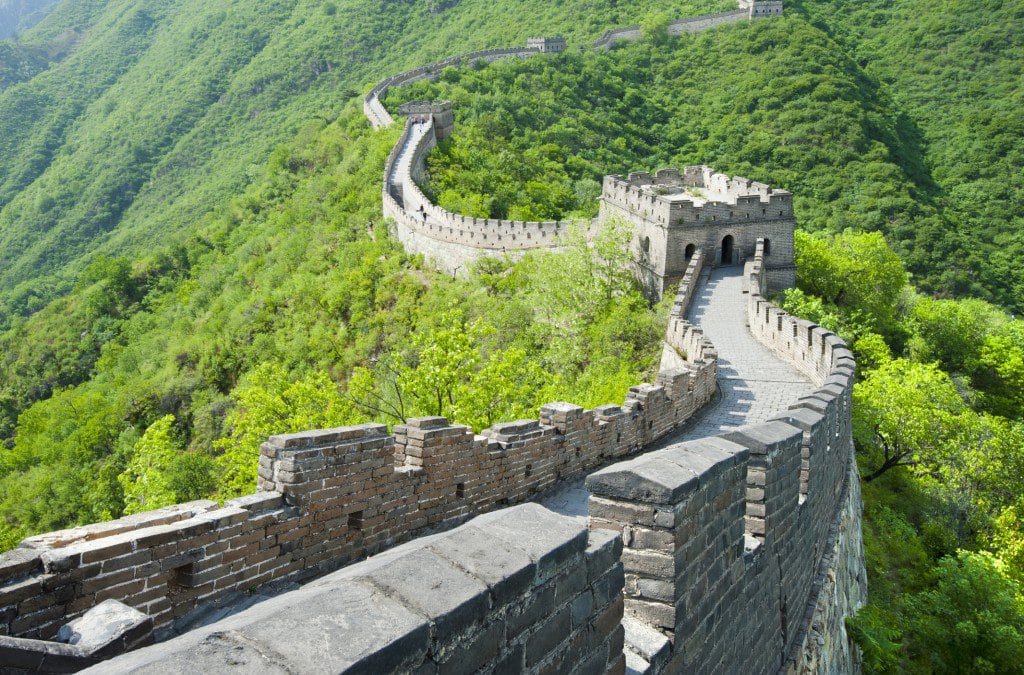
It is known that the Great Wall became a cemetery for workers who died during its construction. Their bodies were buried directly in the newly created earthen ramparts, and work continued. The remains of the builders are still found within the Wall.
Legend has it that the remains of a certain Wango are also contained within the Wall. Having heard a prophecy that construction would only be completed after the death of a Chinese man named Wango or the death of 10,000 people, Emperor Qin Shi Huang ordered Wango to be found, killed, and his remains hidden within the Wall.
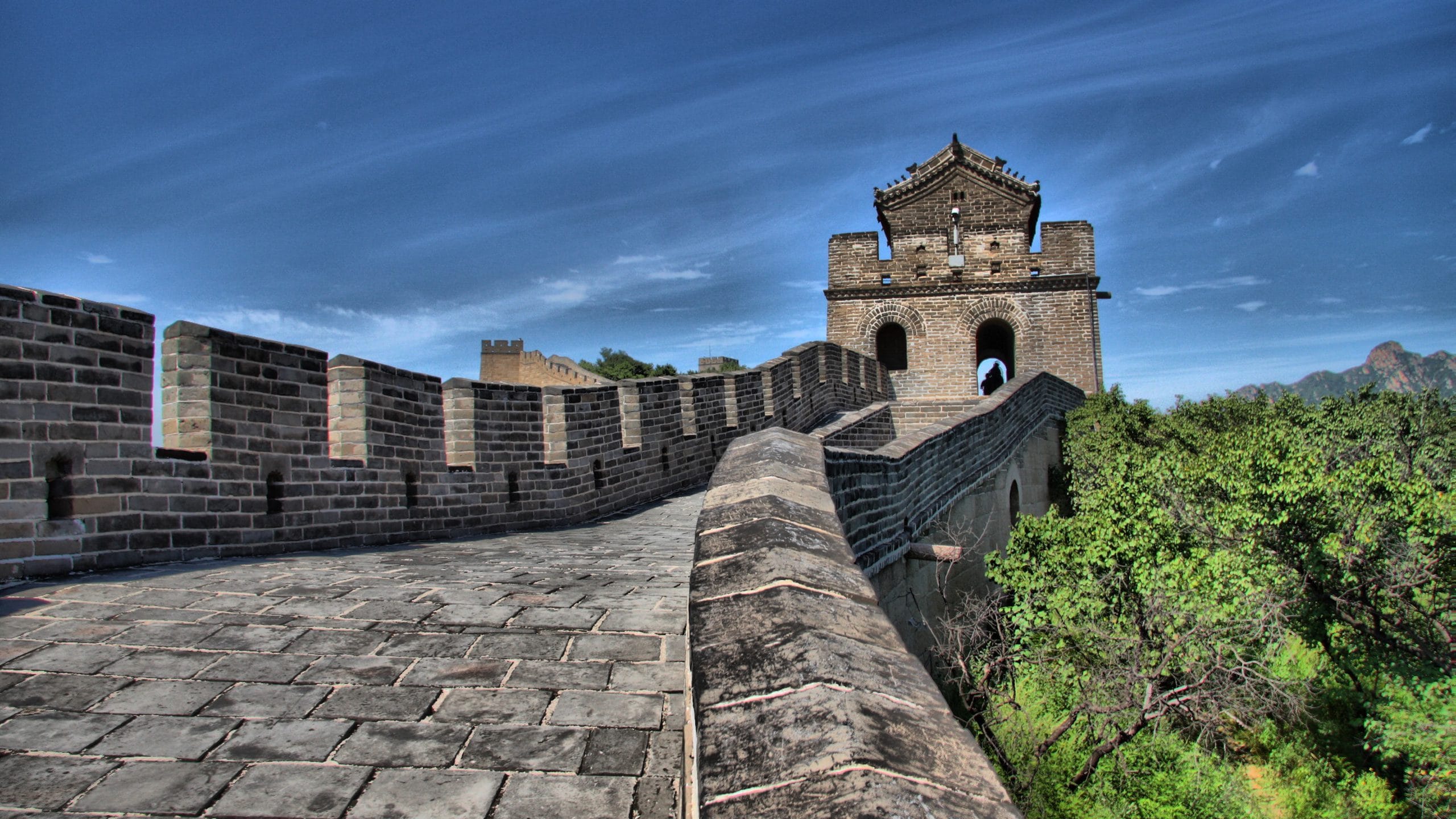
After the end of the Qin Dynasty, subsequent emperors attempted to maintain the wall in fighting condition. However, it was during the Ming Dynasty (1368-1644) that the earthen ramparts were replaced by stone and brick structures. Some sections had to be rebuilt. At this time, watchtowers also appeared on the Great Wall. Naturally, the Chinese needed them to warn of enemy advances. Fire alarms (fires lit on the towers) were used at night, and smoke alarms were used during the day.
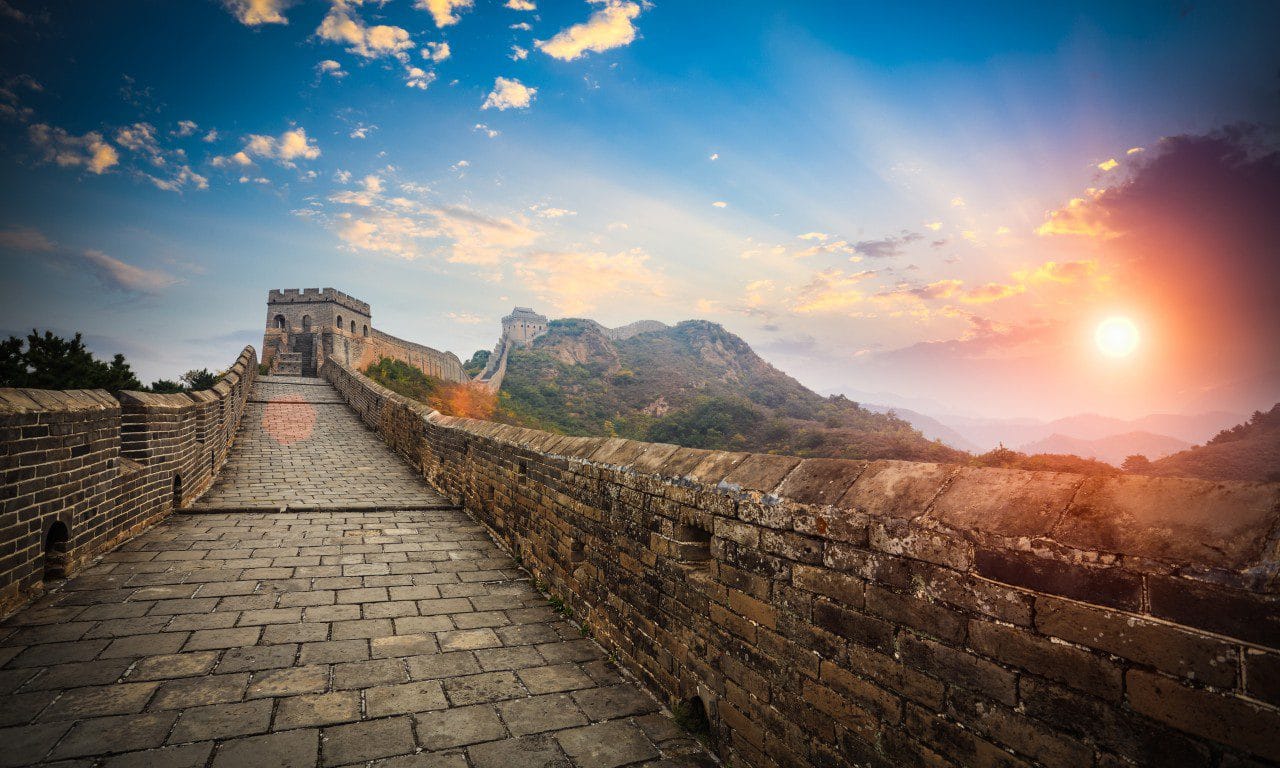
With the rise to power of the Wanli Emperor (1572-1620), a new phase of construction began. For a long time, it was believed that the Great Wall of China was actually built under Wanli's orders.
Despite all hopes, the enormous defensive structure failed to fulfill its defensive purpose. Naturally, the wall wasn't always an insurmountable barrier for the attacking side. So, after a while, the guards on the watchtowers were no longer watching for the enemy's approach, but for ordinary Chinese. Exhausted by extortion and excessive work, the peasants sought to leave southern China and defect to the north.
The Qing Dynasty destroyed the Great Wall of China.
But during the Qing Dynasty (1644-1911), the structure was so neglected that by the early 20th century, almost nothing remained of the Great Wall of China. A section of the wall near Beijing, known as the "Gateway to the Capital," remained intact, thanks to its use as a road.
Over time, China began to expand its borders northward, and the Great Wall's role gradually diminished. And when the need for protection disappeared completely, the Great Wall was dismantled for construction materials. It's unknown what state it would be in now if the Chinese government hadn't issued a decree in 1977 prohibiting damage to the Great Wall.
Bringing the Great Wall of China back to life
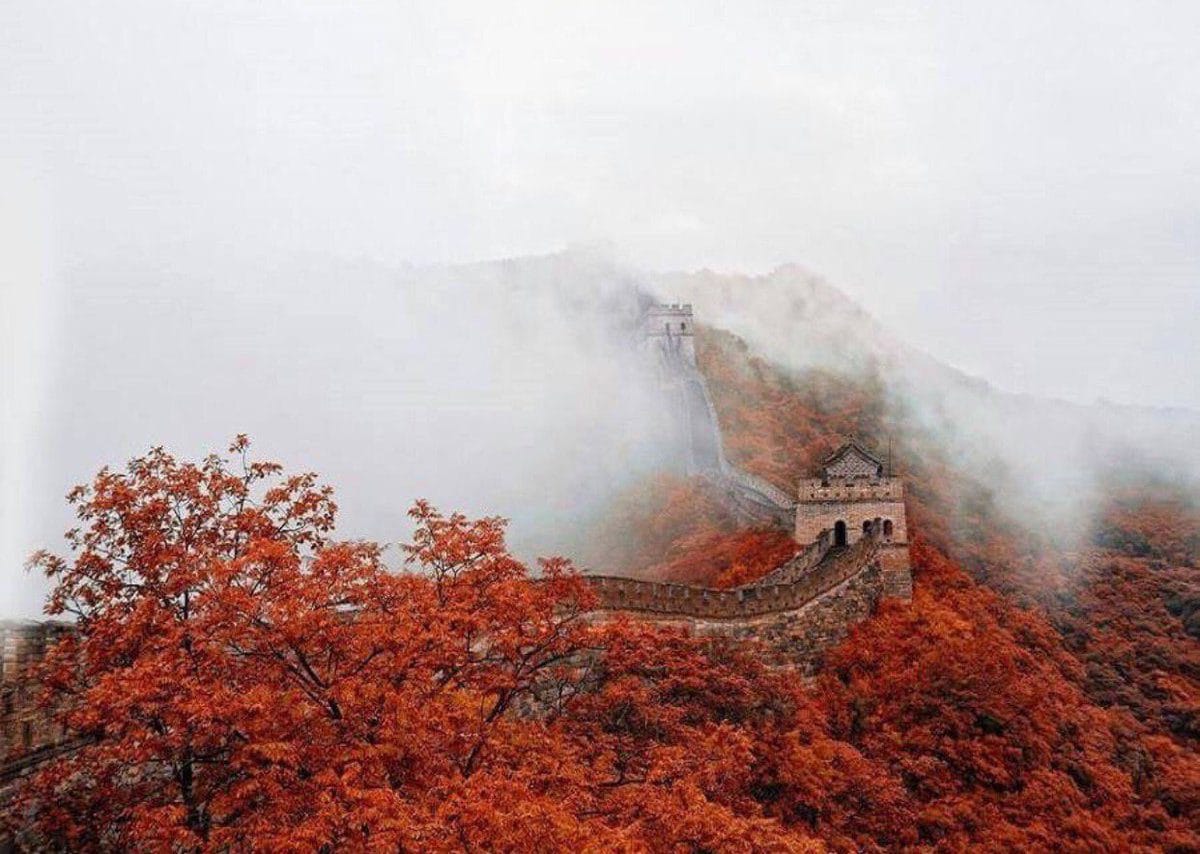
In 1984, Deng Xiaoping initiated a program to restore the Great Wall of China. Under this program, funds for restoration were collected not only from legal entities but also from anyone. Even today, the new seventh wonder of the world requires restoration and support. In one region of the country, Shanxi, there is a 60-kilometer stretch of the Great Wall that has been severely eroded. This erosion was caused by intensive agricultural practices. In the 1950s, groundwater depletion led to the region becoming the epicenter of sandstorms. This change has already eroded more than 40 kilometers of the wall. Only 10 kilometers remain intact, but even here, the wall's height has already decreased to two meters.
Is the Great Wall of China visible from the Moon?
Today, the Great Wall of China is a must-see for travelers to China. And there's plenty to see. Beginning in Shanhaiguan, the wall snakes across half the country to Central China. With a total length of 8,851 kilometers, it ends in Jiayuguan. The wall ranges in width from five to eight meters, and in some places reaches a height of ten meters. For a time, a 750-kilometer section of the wall was even used as a road.
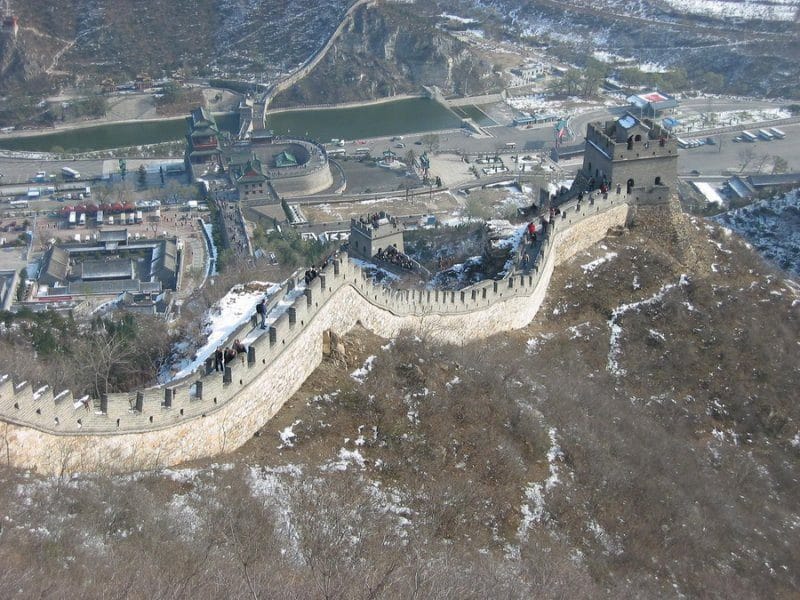
The scale of this structure has long been surrounded by myths and speculation. For example, back in the 20th century, it was widely believed that the Great Wall of China could be seen even from the Moon. But thanks to modern technology and human spaceflight, this myth has been dispelled. However, from orbit, the outline of the Great Wall of China on the Earth's surface is quite discernible. It is especially clearly visible in satellite images.
In 1987, the Great Wall of China was designated a UNESCO World Heritage Site as one of China's greatest historical sites. Today, the wall is one of the most visited sites, attracting approximately 40 million tourists each year.