






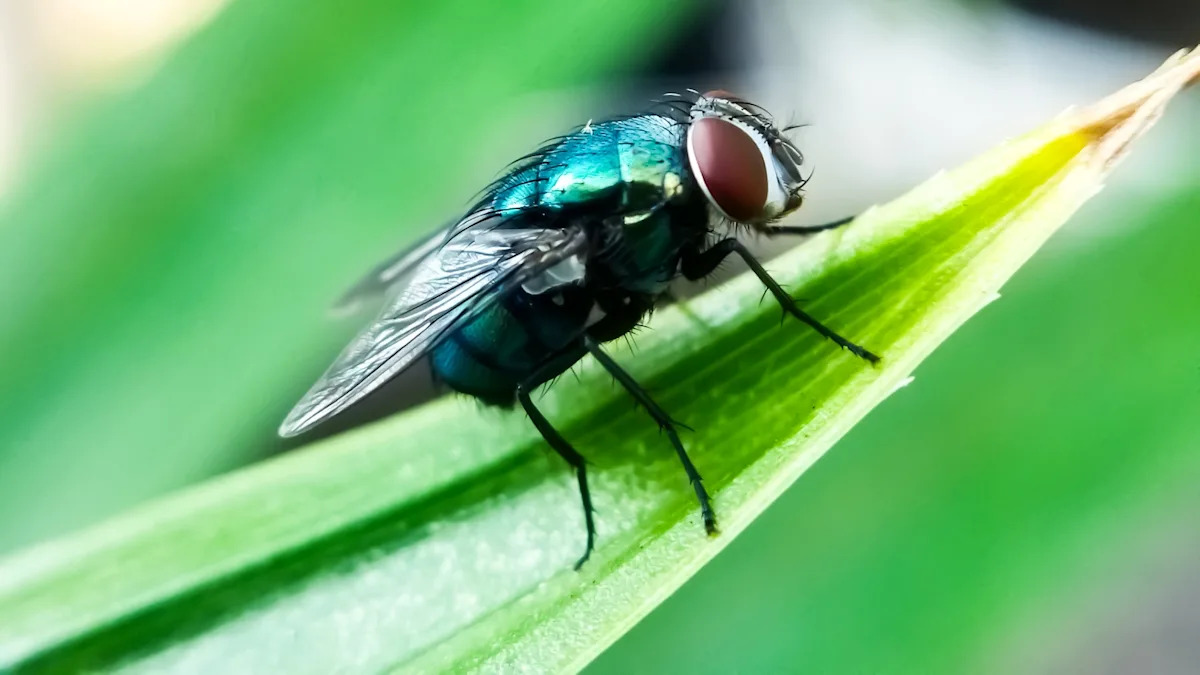
A livestock pest that feeds on flesh is steadily approaching the United States.
U.S. Agriculture Secretary Brooke Rollins said on Tuesday that a goat in the Mexican state of Coahuila, about 25 miles from the U.S. border, was infected with the New World Screwworm, a parasitic fly larvae, Reuters reported.
What's happened?
Reuters noted that Rollins stated that this is the closest confirmed case of the parasite in the United States in this outbreak. The parasite was detected in a five-year-old goat in northern Mexico.
«"There's no doubt this is a very, very serious threat to our cattle," Rollins told Reuters.
As detailed by the Centers for Disease Control and Prevention (CDC), the larvae of the New World fly feed on the flesh of live, warm-blooded animals. If left untreated, infected animals can be fatal.
American cattle ranchers have been monitoring the fly's northward advance through Mexico for over a year. Rollins called it a serious threat to American livestock, as authorities work to prevent the pest from entering the United States, Reuters reports.
The virus was detected near major livestock production regions. As USA Today detailed, even one confirmed case near the border could place additional strain on animal health systems and livestock farms.
Why is this important?
A larger outbreak could impact food prices, local economies and family budgets.
Reuters noted that experts estimate that the economic damage from the new generation of screwworm infestation in Texas alone could reach approximately $1.8 billion. Losses of this magnitude would impact livestock farms, suppliers, and communities dependent on livestock production.
This could also have implications for grocery stores. If the pest reduces the supply of cattle in the US, beef prices will likely rise, creating another source of food inflation as the country's livestock herd reaches long-standing lows.
Knowing exactly where an invasive parasite is found gives officials and producers a better chance to respond quickly, protect animals, and limit damage before it spreads further.
What is being done?
Rapid monitoring and clear communication remain key tools. In this case, Rollins publicly disclosed the case and emphasized its significance.
An early warning system helps livestock producers be alert to symptoms, quickly treat affected animals, and adjust their operations if necessary. Programs like the USDA's Meat Rot Initiative must be fully operational.
Rollins told USA Today that the $750 million sterile fly production capability could help fight the blowfly more effectively.
«"This facility will be able to produce up to 300 million additional sterile flies per week, which is exactly what we really need to start spreading this infection in South America," Rollins told the publication.
Subscribe to TCD's free newsletters to receive helpful tips, actionable advice, and a chance to win $5,000 toward your home improvement. To see more stories like this, change your Google preferences here.