








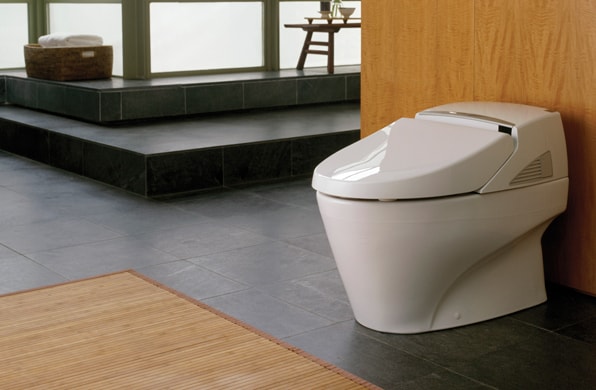
The idea of a bidet—ensuring the highest level of personal hygiene—has long been recognized worldwide. However, in standard Russian bathrooms, where every square centimeter counts, installing a separate fixture often seems an unaffordable luxury. A brilliant engineering solution comes to the rescue: a toilet with a built-in bidet function. This isn't just two sanitary bowls combined in a single unit, but a high-tech device that can radically transform your toilet experience.

There are two main types of these toilets on the market: electric (with electronic controls) and manual (with water supplied through a faucet). The former represent the pinnacle of technology, offering a multitude of automatic features, from a heated seat to built-in drying and air deodorization. The latter are simpler and more reliable, controlled manually, but still fulfilling their primary function. The choice between them depends on budget, willingness to handle installation difficulties, and desire for additional options. Let's explore what lies behind the beautiful design and how to avoid making a mistake when purchasing.
The operating principle and key functions of smart toilets
At the heart of any shower toilet is the flushing system. After relieving themselves, the user presses a button on the control panel (or side panel) for women or men. A thin, telescopic nozzle extends (or is already in place) from under the toilet rim. It releases thin, pressurized jets of warm water, providing a hygienic clean. Afterward, the nozzle automatically retracts and cleans itself.
The standard set of functions includes:
- Water temperature regulation. In electric models, the water is heated by a built-in instantaneous or storage heater. In mechanical models, the temperature is manually adjusted using a mixer tap installed nearby.
- Adjusting the pressure and position of the jet. You can adjust the intensity of the wash and the point of the jet for maximum comfort.
- Massage mode. A pulsating jet that provides a gentle massage effect.
- Dry with warm air. After washing, the built-in hair dryer delivers a stream of warm air, completely drying the skin, eliminating the need for toilet paper.
- Heated seat. An indispensable feature during the cold season. The temperature is typically regulated between 30 and 40 degrees.
Advanced models can be equipped with a presence sensor (the lid opens automatically when a person approaches), an automatic flush, a carbon filter for air deodorization, a bowl light, an energy-saving function, and even a built-in media player. It's important to understand that each additional option increases the cost of the appliance and the potential risk of failure.
Electrical vs. Mechanical: A Detailed Comparison
To make an informed choice, you need to clearly understand the differences between the two technologies.
Electric (electronic) bidet toilets:
- Pros: Full automation, maximum comfort, many additional functions (drying, heating, deodorization, lighting), aesthetic appearance (no extra valves), often have a built-in soft-closing lid system.
- Cons: High cost. Requires connection to a grounded outlet near the installation site (not always available in bathrooms). Repair complexity: if electronic components (heater, sensors, control board) fail, a call to a specialized technician will be required, and spare parts can be expensive. Reliance on electricity.
Mechanical (non-electric) bidet toilets:
- Pros: Reliable and simple design. Independent of the power grid. Significantly lower cost. Simple repairs, usually limited to replacing the mixing cartridge or nozzle. Easy installation.
- Cons: There is no drying, seat heating, or automatic functions. Water temperature depends on the hot water system (unless there is a separate heater). Manual temperature and pressure adjustment is required using valves, which must be located in an accessible location.

Installation and connection nuances
Installing a toilet with a bidet function is a more complex task than installing regular plumbing fixtures. It requires the utmost care and attention.
- Water supply. A standard cold water supply is required. For an electric model with heating, only cold water is required. For a mechanical model, if you want warm water, you'll need both cold and hot water supplies, using a separate mixer tap or thermostatic valve.
- Sewage. The connection is standard, to the sewer outlet.
- Power supply (for electronic models). This is the most crucial step. The outlet must be waterproof (at least IP44), grounded, and located so it's not exposed to splashes. It's best to install a separate circuit from the panel housing the circuit breaker and RCD. Never use extension cords or multiple sockets.
- Wall strength (for suspended models). The installation (mounting frame) for a wall-hung shower toilet must be securely attached to a load-bearing wall or floor. The weight of the unit and its occupant is significant.
Because of these complexities, it is strongly recommended to entrust installation to professionals familiar with the specifics of connecting such equipment. Unexperienced DIY installation can lead to leaks, clogs, or even electric shock.
What to look for when choosing: a practical guide
When you go to the store or browse catalogs online, keep a checklist of key parameters in mind.
1. Installation method.
Floor-standing — the classic and most common option. They're stable and don't require installation, but they're visually bulkier and more difficult to clean.
Suspended — They look modern and stylish, and the floor underneath is easy to clean. They require an installation frame, which conceals all plumbing and allows for height adjustment. They're a good option for small bathrooms, as they don't visually clutter the space.
2. Bowl material.
Sanitary ceramicsStrong is a more porous and less durable material, but also more affordable. Its service life is 20-30 years.
Sanitary porcelain — a denser, smoother, and more expensive material. It's less porous, so it's less prone to limescale buildup and staining. It lasts 50 years or more. For shower toilets, where cleanliness is paramount, porcelain is preferable.
3. Flushing system.
Classic flush (cascade). Water comes from the rim.
Waterfall system (drainage along the rear wall). A more hygienic and quiet option as the rim remains dry and clean.
With circular (rotary) rim flush. The most effective: water is supplied under pressure along the entire perimeter of the rim, ensuring its perfect cleaning.
4. Presence and type of anti-splash system. In good models, the bowl is designed to minimize splashing. This can be done with a special shape or a hydrodynamic rim.
5. Additional options. Make a list of the features you need. For many, heated seats and a drying function are essential. Automatic deodorization and ambient lighting are nice-to-have features, but not essential.
Review of popular brands and pricing policies
The plumbing market offers models to suit every budget.
- Luxury segment: TOTO (Japan), Geberit (Switzerland), Villeroy & Boch (Germany). They are trendsetters and technology leaders. Their products are distinguished by impeccable quality and innovative developments (for example, coating SanaGloss у TOTO, repelling dirt), maximum reliability and a corresponding price (from 150-200 thousand rubles and up).
- Premium and upper middle class: Roca (Spain), Duravit (Germany), Laufen (Switzerland), Grohe (Germany). An optimal combination of advanced technology, European quality, and a more affordable (though still high) price (from 70,000 to 150,000 rubles). These brands offer a wide range of models, including both electric and mechanical solutions.
- Middle class: Gustavsberg (Sweden), Jika (Czech Republic), Cersanit (Poland), Santek (Russia). More affordable brands offer good basic models of bidet toilets. Prices start at 30,000-40,000 rubles for electric models and 15,000-20,000 rubles for manual models. The quality is generally decent, but they may lack the design and features of top brands.
In summary, a toilet with a bidet function is an investment in the comfort, health, and hygiene of the entire family. It's especially important for people with limited mobility, those suffering from hemorrhoids, allergy sufferers, and families with small children. When choosing, carefully consider your needs, budget, and the technical capabilities of your bathroom. Then, your new plumbing will delight you with its convenience and impeccable cleanliness for decades to come.