






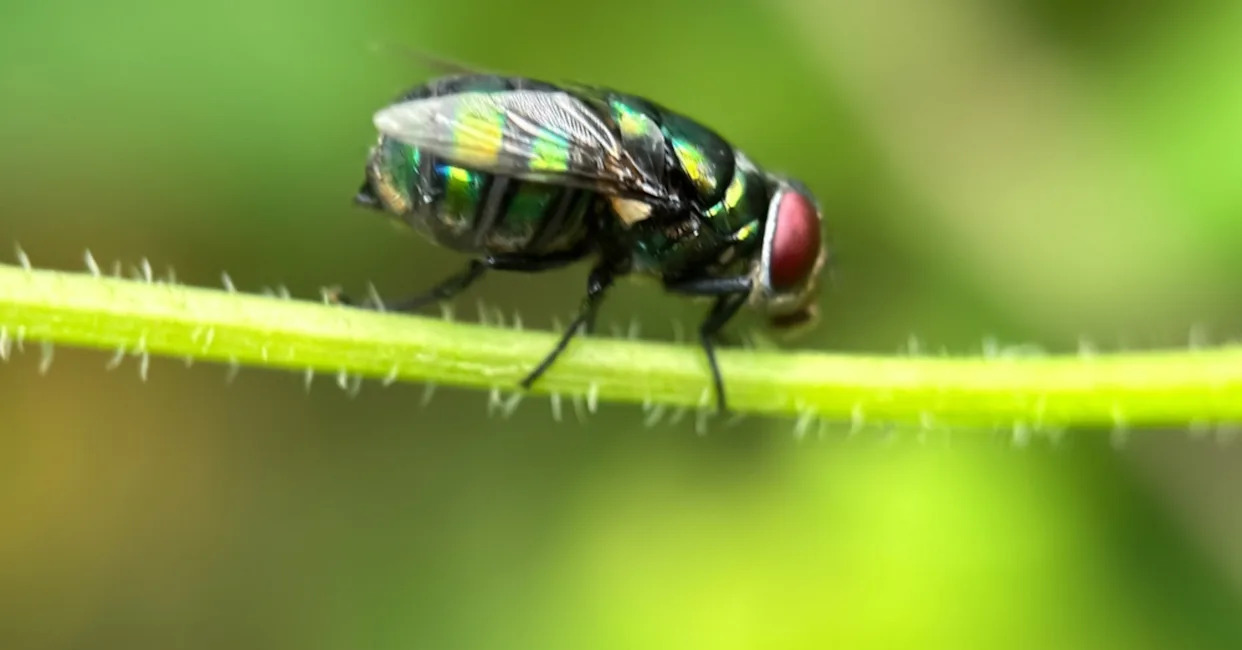
The number of confirmed cases of screwworm infestations in the United States has risen to 19, according to federal and state animal health officials, leading to expanded quarantine measures and renewed calls for livestock producers to remain vigilant.
Three new cases of the disease were confirmed in cattle in Terrell County, Texas, this week, bringing the national total to 19. Eighteen of these cases were reported in Texas, and one was in neighboring New Mexico. These cases represent the latest developments in the largest blowfly larvae control campaign in the United States in decades.
The first case of the 2026 outbreak in the United States was confirmed on June 3 in a calf in Zavala County, Texas. Since then, additional cases have been identified in several counties in South and West Texas, primarily affecting cattle, goats, and other livestock.
In response to the growing number of parasite detections, the Texas Animal Health Commission has expanded quarantine restrictions in affected areas. Portions of several counties, including Terrell, Pecos, Uvalde, Val Verde, Webb, Zavala, Edwards, Gillespie, Kerr, Kimble, and Sutton, are now designated as New World screwworm infestation zones. Livestock and other warm-blooded animals are prohibited from leaving these zones without inspection and permission from state animal health officials.
Producers moving animals outside quarantine zones must obtain movement certificates confirming the animals' identification and compliance with treatment protocols aimed at preventing the spread of the parasite. Government officials warn that unauthorized movement of animals may result in fines and hinder eradication efforts.
Unlike common fly larvae, which feed on dead tissue, New World fly larvae infest living tissue. Adult flies lay eggs in open wounds, the navels of newborn animals, branding sites, tick bites, and other orifices. After hatching, the larvae penetrate the tissue, causing a painful condition known as myiasis.
If left untreated, infection can lead to severe tissue damage, secondary infections, and death. Domestic animals are particularly vulnerable, although the parasite can also infect wild animals, pets, and occasionally humans.
Because female screwworms mate only once, breeding with sterile males prevents the production of viable offspring and gradually leads to population decline. The U.S. Department of Agriculture and state officials have stepped up sterile fly release operations in affected regions, including parts of West Texas, where new cases have been identified. Experts warn that additional cases are likely to be identified in the coming weeks, as the release of sterile flies does not kill developing larvae in animals.
Because the blowfly's life cycle lasts approximately three weeks, officials expect it will take several reproductive cycles before local populations begin to decline significantly.
The article "19 cases of new generation screwworm infestations reported in Texas and New Mexico" first appeared on AGDAILY.