






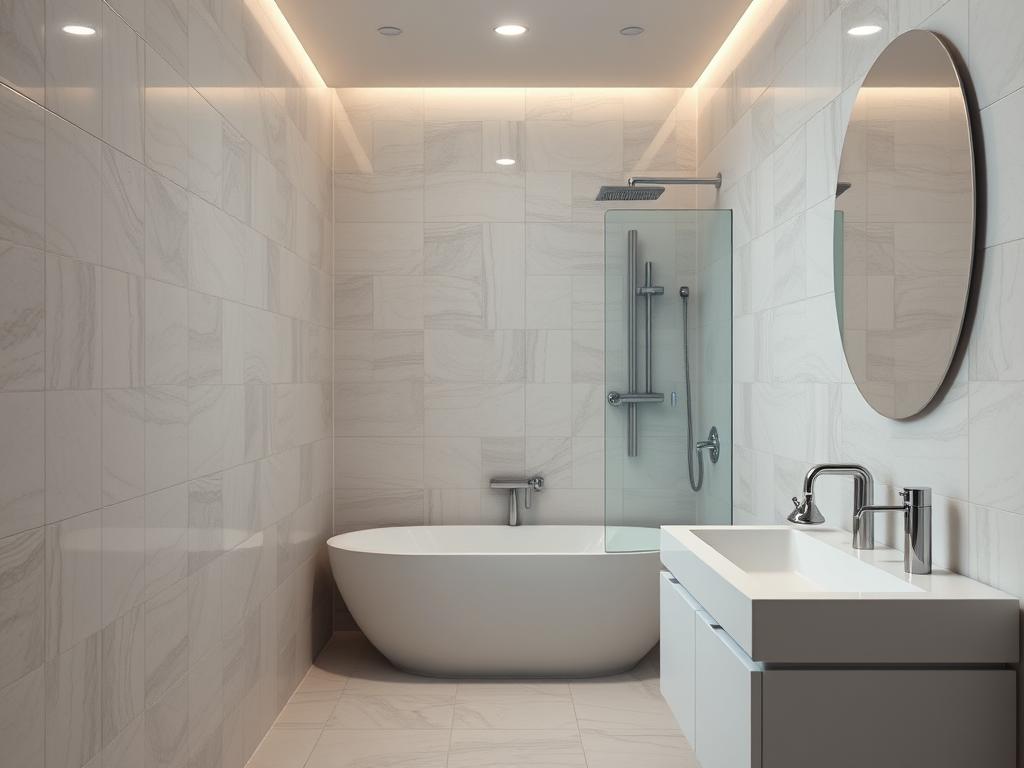
The bathroom has long ceased to be simply a functional space—today it's a place for relaxation, where every detail should contribute to an atmosphere of harmony and comfort. The bathtub is becoming the central element of this design, and among the wide variety of models, bathtubs made of artificial stone deserve special attention. These products combine the aesthetics of natural materials with the practicality of modern technology.
What is artificial stone and how is it produced?
Artificial stone for bathtubs is a composite material composed of natural mineral chips and polymer binders. Unlike natural stone, which is mined in quarries, artificial stone is created in a factory environment, allowing us to control its properties and achieve consistent quality.
The production technology is similar to casting: the prepared mixture is poured into molds, where it hardens under the influence of catalysts. After the initial curing, the product is sanded and polished, and then a protective gelcoat coating is applied. This finishing layer determines the bathtub's appearance and durability.
Over 10 years of working with premium plumbing fixtures, I've become convinced that the quality of artificial stone directly depends on adherence to manufacturing standards. Cheaper alternatives often suffer from improper component proportions, which leads to premature yellowing of the surface and the appearance of microcracks.
A variety of shapes and design solutions
One of the key advantages of artificial stone is its virtually unlimited shaping possibilities. Unlike steel and cast iron bathtubs, where the range of shapes is limited by technological constraints, even the most daring design ideas can be realized.
Modern manufacturers offer both classic rectangular and oval models and exclusive solutions: corner bathtubs, asymmetrical designs, and bathtubs with integrated shelves and steps. Particularly popular are models that imitate natural shapes—so-called "pond-shaped bathtubs" with uneven edges and the texture of natural stone.
In a project for a country house, we once installed a 2.2-meter-long bathtub with an integrated bench and lighting—the result was a true miniature spa. It's important to understand: non-standard shapes require careful planning and may require reinforced floors.
Benefits that justify the investment
The cost of artificial stone bathtubs is significantly higher than standard models, but their advantages make the investment worthwhile:
- Thermal insulation properties: the material heats up slowly but maintains temperature well. Water cools 30-40% slower than acrylic alternatives.
- Repairability: Most manufacturers offer surface restoration services. Minor scratches can be removed by polishing, while more serious damage can be repaired with spot repairs and gelcoat restoration.
- Hygienic: The non-porous surface prevents bacteria growth and mold formation. Maintenance requires only regular wiping with mild detergents.
- Acoustic comfort: water filling is virtually silent, which is especially appreciated at night
It has been proven in practice that, with proper use, bathtubs made of high-quality artificial stone will last 25-30 years without losing their appearance or functionality.
Installation and operation features
Installing an artificial stone bathtub has its own set of challenges. The bathtub weighs between 80 and 150 kg when empty, requiring several people and specialized equipment. Incorrect installation can lead to stress in the material and subsequent cracking.
The use of adjustable feet is mandatory—they distribute the load evenly and compensate for uneven floors. For models longer than 170 cm, an additional center support is recommended.
When using the surface, it's important to avoid abrasive cleaners and hard brushes. Soft sponges and pH-neutral solutions are ideal for cleaning. I recommend treating the surface with special polishes for artificial stone every six months—they restore shine and fill micro-scratches.
A real-life case: a client complained about the surface becoming dull a year after purchasing it. It turned out she had used chlorine-based cleaning products. After professional polishing, the shine returned, but the importance of proper care had to be explained.
How to distinguish a quality product from a fake
The artificial stone bathtub market is saturated with options of varying quality. When choosing, consider the following:
The wall thickness should be at least 12-15 mm—thinner products are prone to deflection and vibration. Uniform paintwork—the absence of streaks and stains—indicates proper adherence to the technology. The gelcoat surface should be perfectly smooth, free of "orange peel" and bubbles.
Don't hesitate to ask the seller for certificates and material samples. Reputable manufacturers always provide complete technical documentation and a warranty of at least 10 years.
Remember: an artificial stone bathtub is an investment that will last for decades. The right choice and professional installation will ensure years of comfortable use and aesthetic pleasure.