







Buying precious metals often begins with a simple desire to preserve one's savings. People visit stores or browse websites looking for a way to turn their paper money into something more durable. It's a natural reaction to a world where prices seem to fluctuate according to the whims of the central bank.
Many newbies quickly realize that not all shiny objects are equally valuable in the market. There's a clear line between items destined for safekeeping and those destined for display in a velvet case. Knowing this line is the first step to building a successful collection that meets your goals.
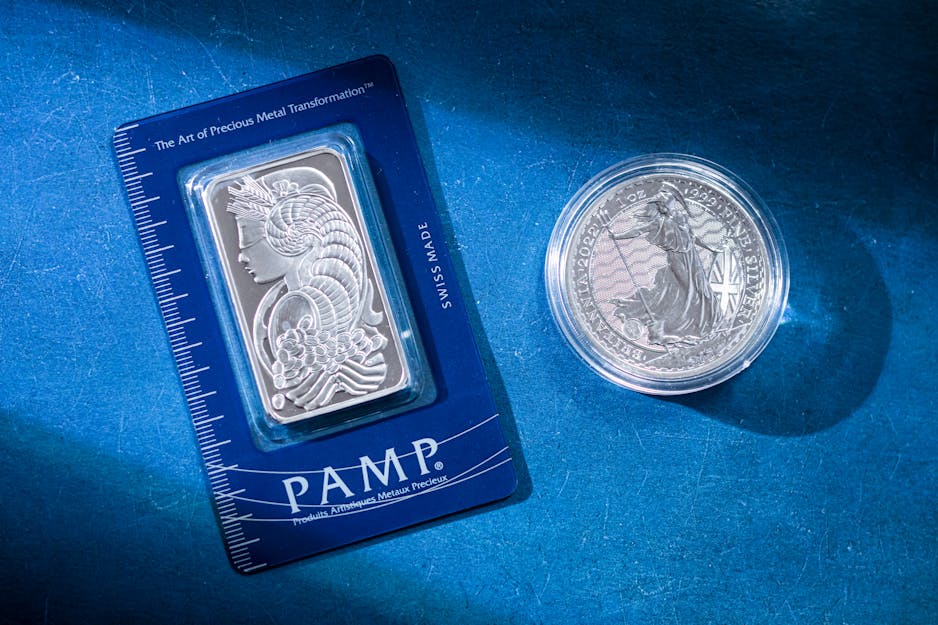
Investment-grade silver serves as a benchmark for those primarily interested in the pure value of the metal itself. This category is characterized by high purity and standardized weight, making it easy to track its dynamics relative to the current market price. It's the most straightforward way to hedge against inflation without delving into the complex world of numismatic history.
Purity, weight and standardization
When looking for a financial hedge, the most important factor is the actual silver content of the item. This is why standardized bars and round coins are so popular among those who want their strategy to be simple and effective. You need to know exactly how much metal you have, without any guesswork or complex calculations.
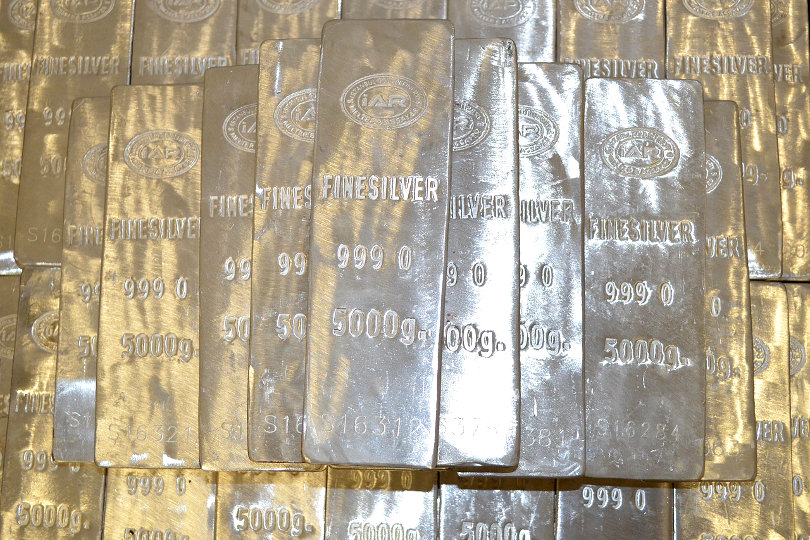
Most of these products have a purity of at least 99%, which is the industry standard for precious metals today. This level of purity ensures that the metal is acceptable to major dealers and refineries worldwide. It's a universal language of value that remains the same no matter where you are in the world.
Weight is the other half of the equation, providing the necessary transparency for the buyer. Whether it's a one-ounce bar or a one-hundred-ounce ingot, the mass is clearly marked on the surface, visible to everyone. It's this standardization that enables rapid trading and valuation, which is why the global precious metals market is growing so rapidly.
Rarity, condition and premiums
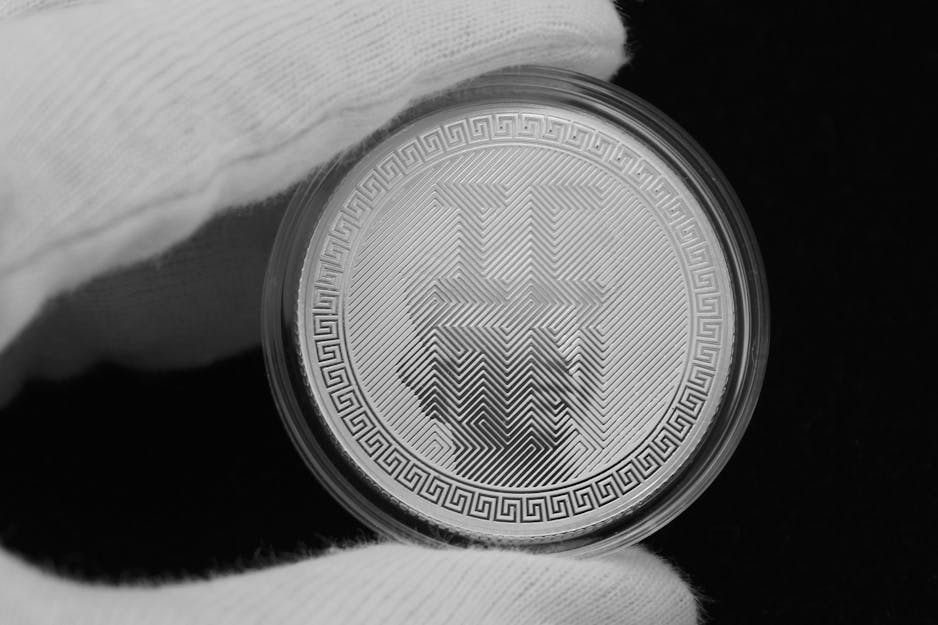
Silver collecting operates under entirely different rules, which can often be confusing for those new to the hobby. Here, value lies not only in the weight of the metal, but also in the history and rarity of the piece itself. Factors such as the year of issue or the specific mint mark can dramatically increase the price.
In this category, condition is paramount, and even the tiniest scratch can mean the difference between a high price and a mere one. Professional grading services use a 70-point scale to accurately determine how well a coin has survived the decades. A perfect grade is a rare find, for which avid collectors command hefty prices.
These premiums represent the additional cost the buyer incurs for the privilege of owning a rare or beautiful item. While the price of the precious metal remains close to the market price, a collectible piece can sell for many times its actual value. This is a market driven by emotion and history, not just industrial demand for silver.
Differences in market liquidity
Liquidity is a term that describes how easily an asset can be converted back into cash without losing a significant portion of its value. Bullion bars are highly liquid because there is always a buyer willing to pay the current market price for raw silver. This is a fast and efficient process that occurs thousands of times every day.
Selling a collectible coin is a much slower and more deliberate process, requiring finding the right person at the right time. You can't just walk into any store and expect to get full price for a rare specimen or a high-quality coin. This often requires participating in auctions or engaging with specialized dealers who understand the nuances of a particular market.
This difference in speed is an important consideration for those who may need immediate access to their funds. While a rare asset can appreciate in value over several decades, it is much more difficult to dispose of during a sudden financial emergency. Understanding this difference is essential for maintaining a healthy balance in your physical assets.
Risk profiles and use cases
The risks associated with these two categories are very different and align with the goals of those who buy them. Precious metals are a low-risk way to preserve purchasing power, as they follow general economic trends. This is a defensive strategy that protects the owner from the depreciation of paper money over many years.
Collectibles are associated with increased risk, as their value depends on the changing tastes and budgets of a small group of enthusiasts. A coin popular today may lose its appeal in a decade as the market shifts to a different era or design. Successfully managing such an item requires a deep understanding of its history and market trends.
Most people find that their needs are best met by a combination of both styles, depending on the time frame. Using raw metal for long-term security and rare specimens for potential appreciation is a common strategy for a balanced portfolio. It provides both the security of a hedge and the enjoyment of a specialized hobby.
How do buyers choose between these two options?
To decide where to invest, you need to clearly understand what you want to achieve with your purchase. If your primary goal is to acquire a large amount of silver that can be sold quickly, the choice is obvious. You should prefer standard bars and coins that trade at prices close to the market price.
If you are passionate about history and are willing to wait for the right buyer, the world rare coins can be incredibly fascinating. It allows you to connect with the past while simultaneously making significant profits unrelated to the silver market. It's a journey that rewards those who take the time to learn.
Ultimately, the best path is one that allows you to sleep soundly at night while feeling excited about your assets. Every buyer has a different risk tolerance and a different level of interest in the details of the metal. A thoughtful approach will ensure your silver will last for many years.
Main
- Investment grade silver is valued primarily for its purity, weight, and relevance to the current market price.
- The value of collectible silver items is determined by their rarity, condition and historical significance.
- Bullion bars have much greater liquidity and are much easier to sell quickly than collectible coins.
- Collectibles come with higher risk, but also offer greater upside potential beyond the metal's value.
- A balanced approach often combines the use of precious metals for security and collectibles to enhance their value.
Frequently Asked Questions
What is the main difference between investment grade silver and collector grade silver?
The price of investment-grade silver is determined primarily by its metal content, purity, and weight. Collector-grade silver, in addition to its metal content, is valued by its rarity, condition, and historical demand.
Why are precious metal bars easier to sell than collectible silver?
Precious metals trade at prices close to spot prices and always have an active global market. Acquiring collectibles requires finding a specific buyer who values the coin or item in question.
Are collectible silver coins always more valuable than bullion?
No, collector value depends on changing market preferences and collector demand. Some coins experience sharp increases in value, while others remain stagnant or decline in popularity over time.
What type of silver is best for beginners?
Most beginners start with precious metals because pricing is simple and transparent. It also provides an easy way to hedge against inflation without requiring specialized knowledge.
Is it smart to own both bullion and collectible silver?
Yes, a combination of both options allows investors to balance security with potential growth. Precious metals provide stability, while collectibles add diversification and growth potential.