







Every corner of Turkey is steeped in history and legend, and every city has its own unique story. But have you ever wondered about these city names and the stories behind them? These names, stretching from Istanbul to Trabzon, from Adana to Sinop, are more than just geographical indications; they are also the most vivid testaments to our cultural heritage. Sometimes derived from mythological figures, sometimes from geographical features, and sometimes from the language and hearts of people, these names are part of our identity today. So, how about taking a journey into this fascinating past? These city names, each filled with fabulous details, are whispered to us by both history books and folk legends. So, let's discover together the origins of Turkish city names! Also, if you want information about cities whose names have been changed, you can click on the link.
1. Istanbul
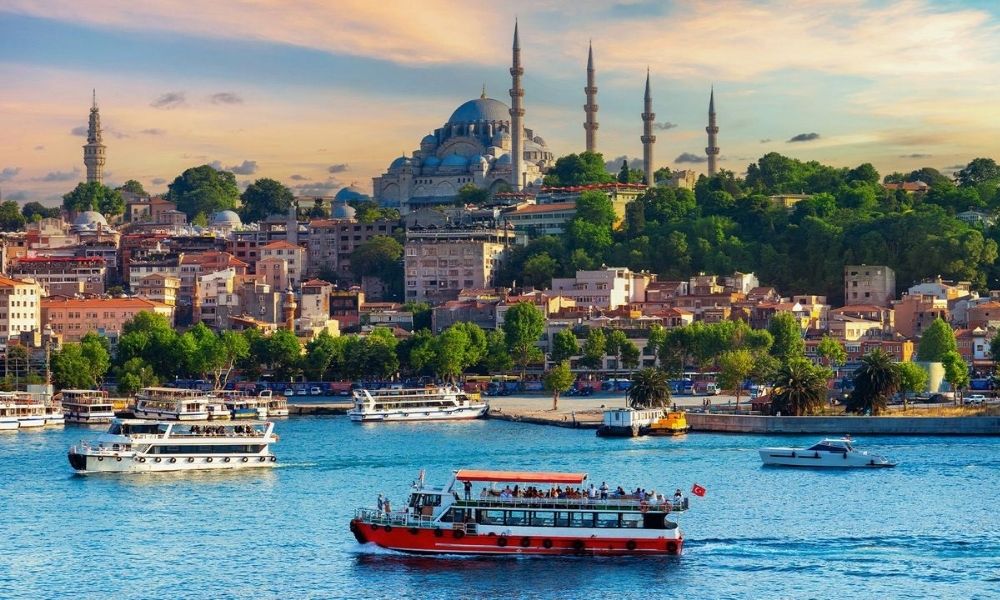
Istanbul is undoubtedly one of the most famous cities in Turkey. But the name Istanbul isn't actually what we originally knew it as. The city was founded in 1800 BC. When it was founded by the Megarian king Byzates in 658, it was called "Byzantium." Later, when it was annexed to the Roman Empire, during the reign of the Roman Emperor Marcus Aurelius, the city was renamed "Antion." However, the real change occurred during the Byzantine period. During that time, the Byzantine Emperor Constantine named the city "Constantinople." And what about Istanbul? It actually comes from the abbreviation "Stin-Polis" (towards the city), which people use to refer to the city. So, the name Istanbul actually arose from the practical and sincere approach of its people! How amazing is that!
2. Adana
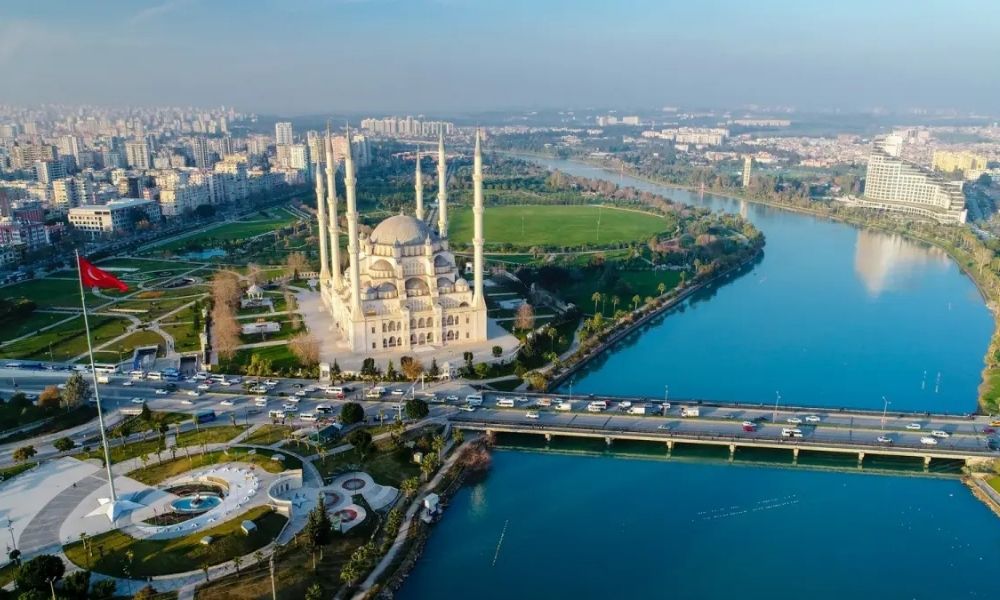
According to legend, the name Adana comes from Adanus, one of the two sons of the sky god Uranus. Adanus founded the city and gave it his name. And what a name! In these fertile lands in the Seyhan and Ceyhan river deltas, the name Adana eventually acquired such significance that even the Phoenicians named the city "Adonis"! Both because of its fertile lands and because of its reverence for Adonis, the god of agriculture and plants... How fascinating, isn't it?
3. Izmir
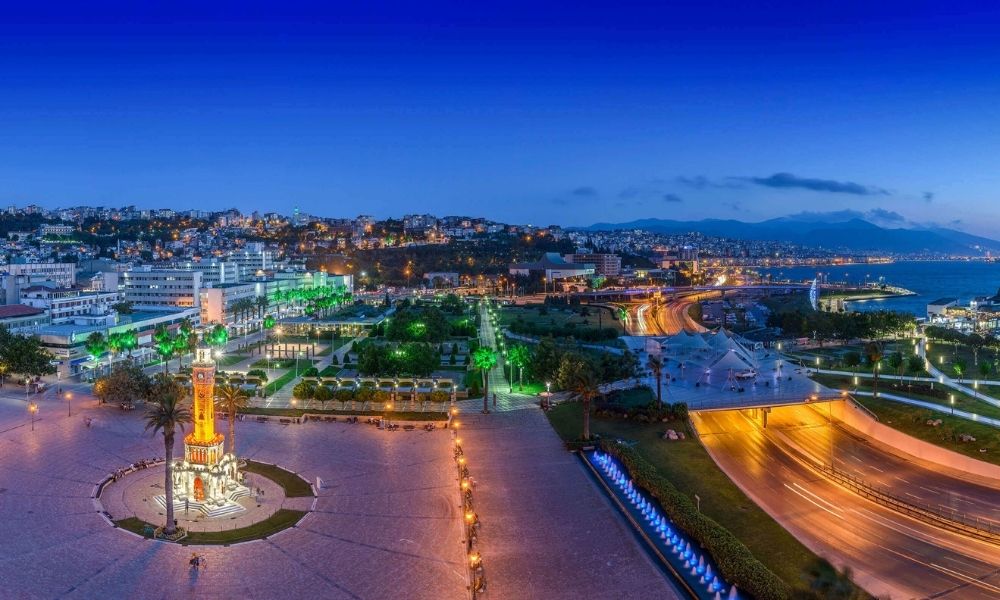
The name Izmir comes from Smyrna, the daughter of the Cypriot king Cinyras, mentioned in Homer's famous poems. But that's just the beginning! According to mythology, the goddess Artemis also hailed from Izmir. Numerous archaeological finds in the city confirm these legends. The name Izmir arose from the evolution of the pronunciation of the word "Smyrna" among the population over time. In other words, Izmir bears traces of both history and mythology! We continue our article on city names in Turkey.
4. Trabzon
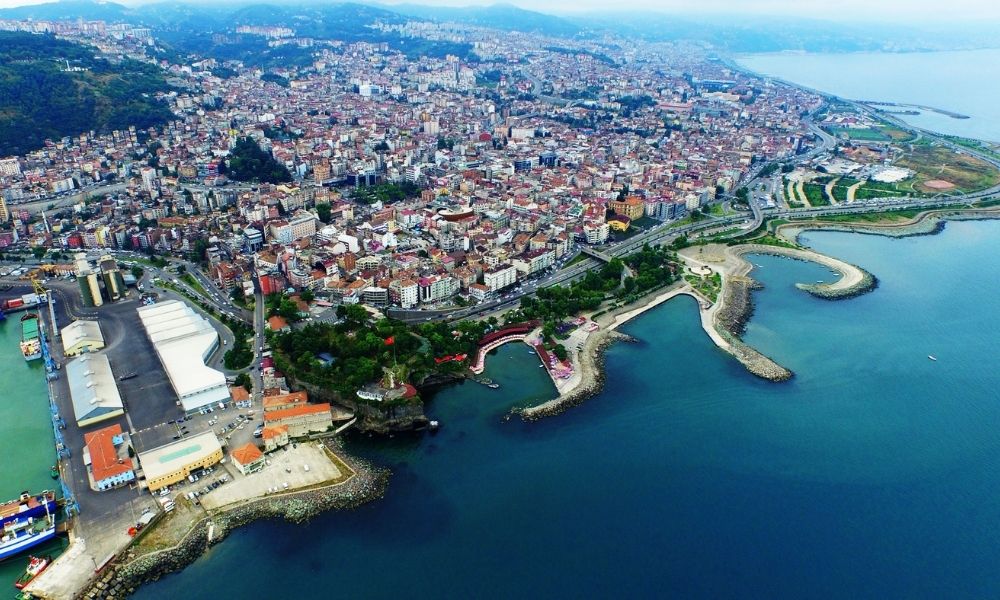
The name Trabzon derives from the word "Trapezus," which was used during the time of the Greek Empire of Pontus. This word actually means "four corners"! Trabzon's unique sound and culture still bear deep traces of this ancient name. In other words, the name Trabzon actually reflects the city's geographic structure and settlement pattern. What a wonderful connection!
5. Manisa
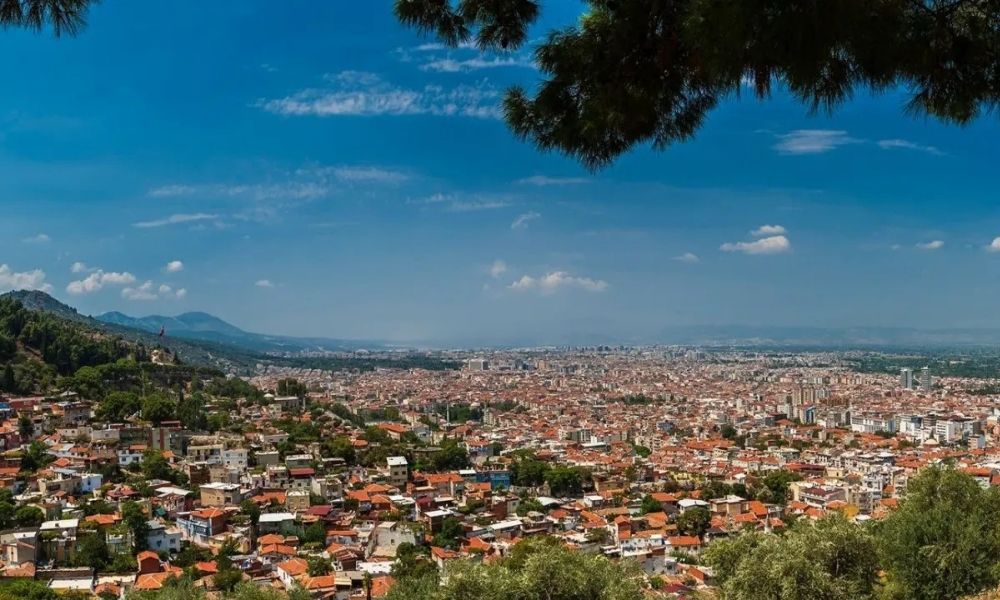
Manisa is located at the foot of Mount Spil and takes its name from the ancient Greek word "Magnesia." This word refers to the power of the magnetic stones that existed in the area at that time. According to some sources, these stones did indeed possess magnetic properties, hence the name Manisa. Over time, when the city came under Turkish rule, it was renamed Manisa, and the name has evolved while remaining true to its roots.
6. Amasya
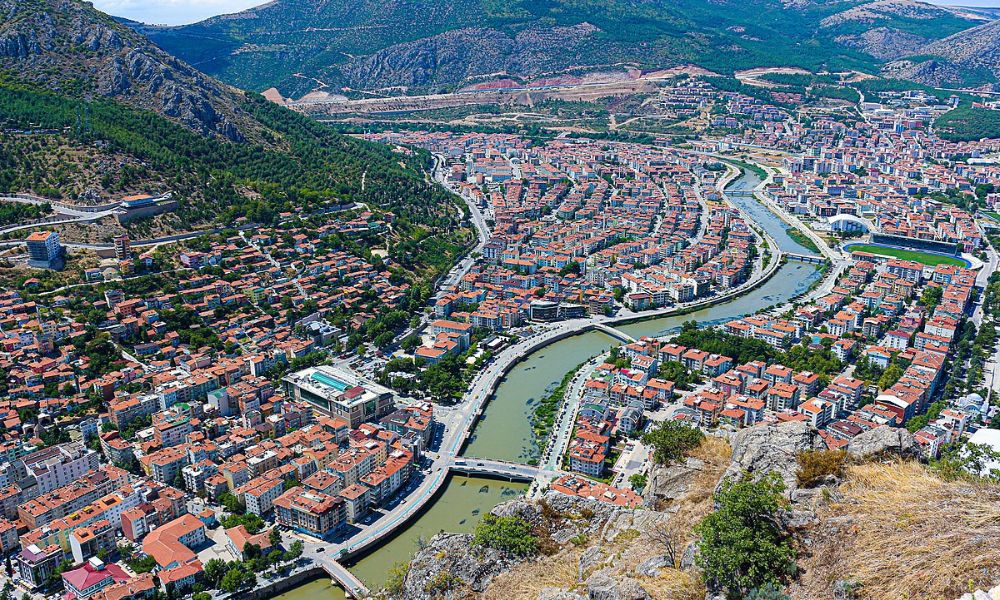
They say a city's name carries its spirit. The name Amasya is based on just such a story! In ancient times, during the Mithridatic Empire, this beautiful city was called "Amasya." If you look at the historical scene, this name can be clearly seen on old Amasya coins. So, what does this name mean? According to Strabo, "Amasya" means "city of the Mother Goddess Ma" (a goddess of Persian origin). In other words, the history of Amasya is adorned not only with geographical beauty but also with mythological texture!
7. Ankara
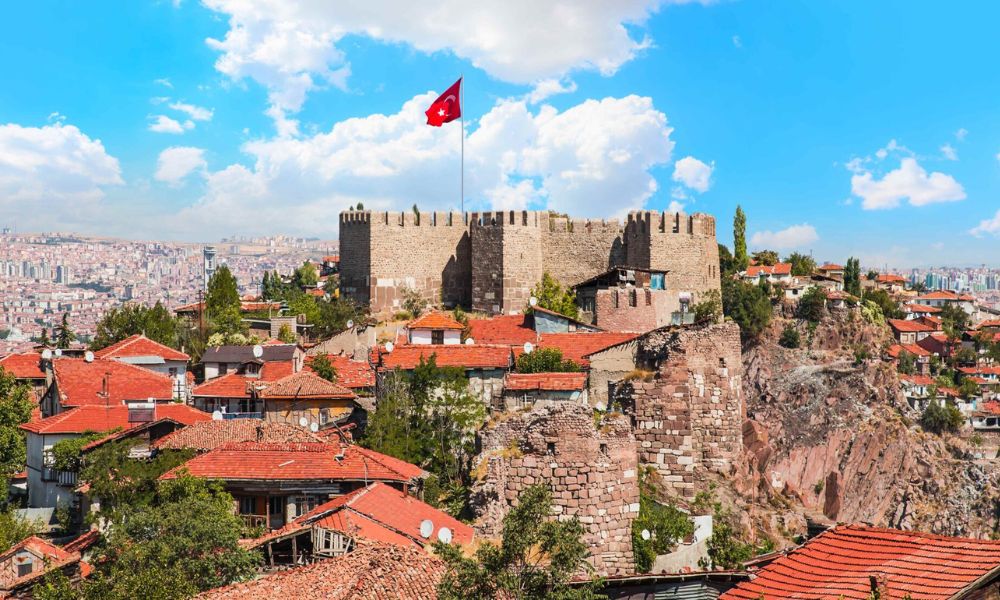
The name Ankara, the heart of Turkey, has a much deeper history than you might imagine. Rumor has it that when the Galatians settled here, they named the city Ancyra, which means "anchor" in Greek. Over time, this name evolved into Ancyra, Engürü, Angara, and finally reached its current form, Ankara. The city bears traces of many cultures throughout its history, not only in its name but also in its spirit.
8. Agri

The name Ağrı sounds quite powerful, doesn't it? That's because the city's name derives from Mount Ararat, a mountain steeped in legend. Known in ancient texts as Ararat, it is believed that Noah's Ark landed during the Flood. When the Turks came to power in the region, the mountain became known as "Ağrı," and the city inherited this name. It's fascinating for its history and legend!
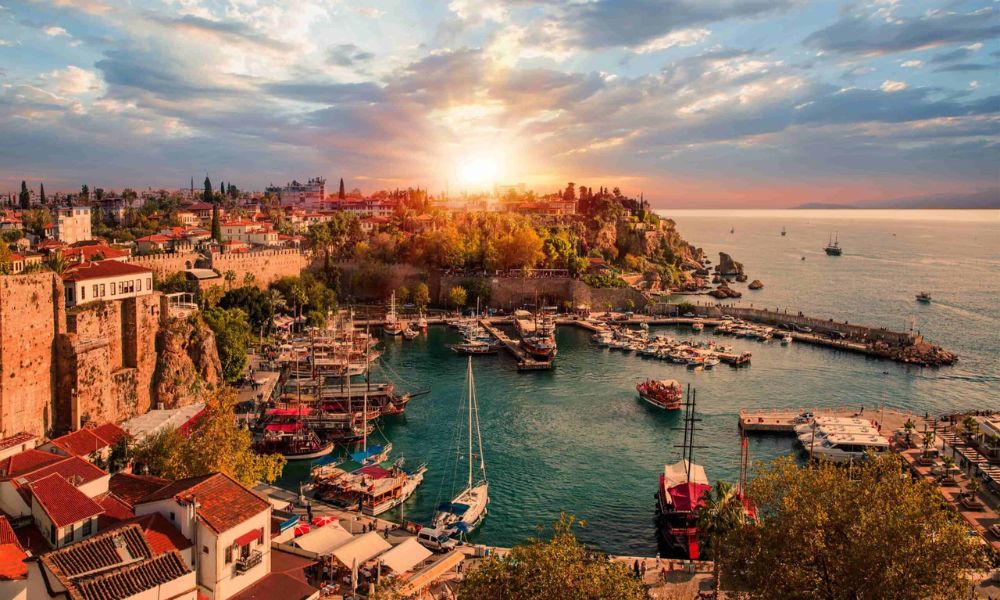
Antalya, with its magnificent beaches and historic buildings, was named after King Attalos II of Pergamon. The king's love for the region was so great that he named the city he founded after himself, Attaleia. Over time, this name changed among the people and became the "Antalya" we know today. The journey of history from Attalos to Antalya gives the city a special atmosphere.
10. Alania
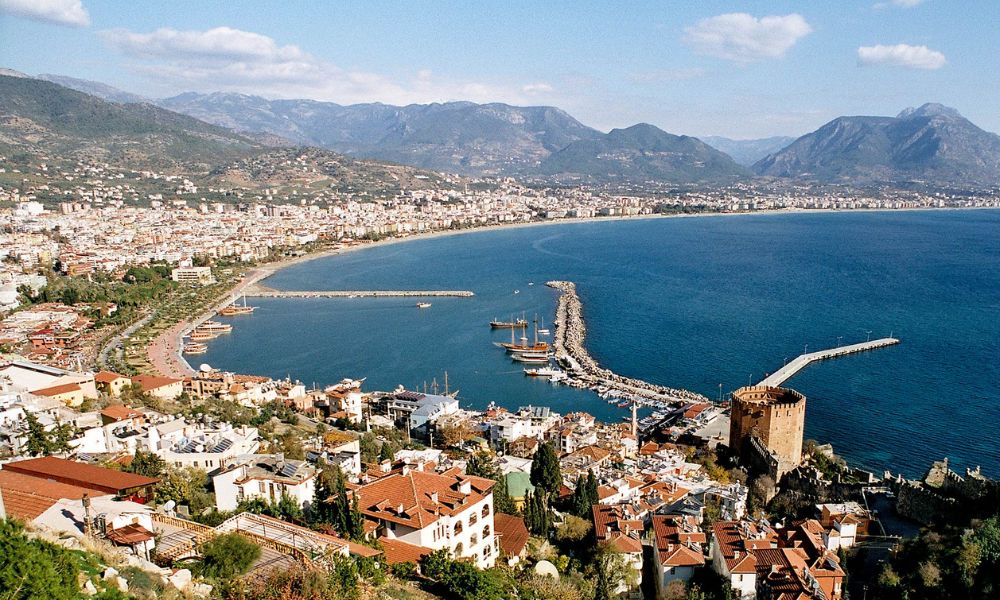
When sea and history intertwine, Alanya is born. This beautiful city was originally called Korakesium. During the Byzantine period, the name was changed to Kalanoros. However, when Alaeddin Keykubat I, one of the rulers of the Anatolian Seljuks, captured this magnificent castle, the city was renamed Alaiye. During the Republican era, during Atatürk's visit to this beautiful city, he named it "Alanya," and the district's name was finally established.
11. Artvin
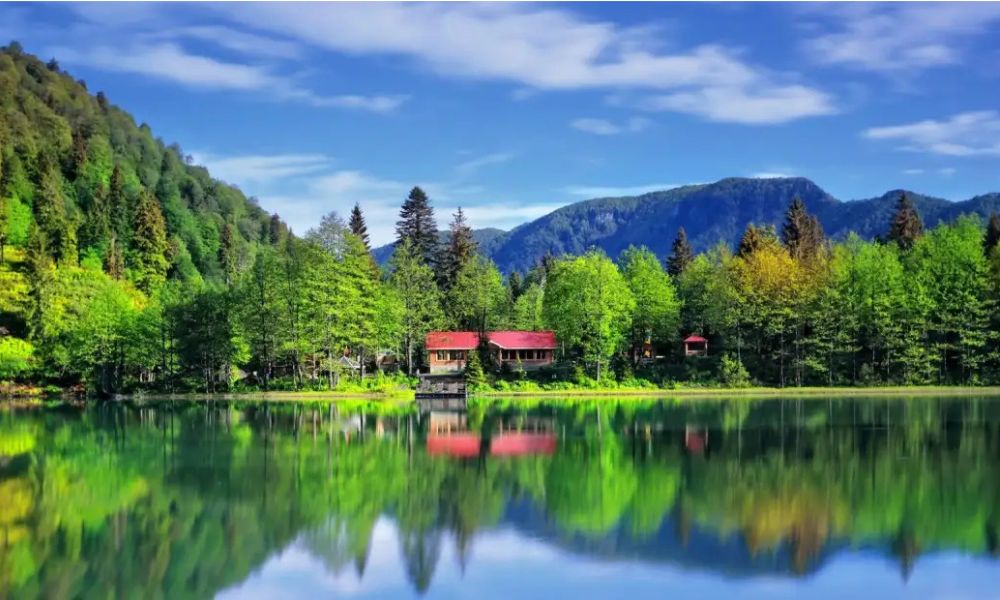
The name Artvin evokes a fairytale melody. Opinions differ regarding the origin of the name Artvin. According to popular belief, the name Artvin is of Georgian origin and means "high place" or "forested area," either "Ardvin" or "Artvani." This name reflects the region's geographical structure and natural resources. Furthermore, the various civilizations that dominated the region throughout history may have reflected their cultural influence in its names. Artvin's history dates back to 2000 BC and bears traces of many civilizations, including the Hittite, Urartian, Georgian, Byzantine, and Ottoman. Thus, the precise origin of the name could have been shaped by the influence of various cultures, drawing on the region's rich history.
12. Edirne

Consider a city whose name has been known by many different names throughout history. Modern-day Edirne was once known as one of the favorite cities of the Roman Emperor Hadrian. Hadrian, who in the 10th century granted city status to Orestia, Rome's gateway to the East, did not forget to leave his name on the city. Thus, it became known as "Adrianopolis." Of course, over time, this name evolved into "Adrianople," and then into today's "Edirne.".
During the Ottoman Empire, the city was known as "Edrinus" and "Endriye." It is even mentioned as "Edrena" in the "History of Aşıkpaşazade." However, the city acquired its true form during its period as the capital of the Ottoman Empire. Murat I captured this strategically important city in 1361 and made it an object of Ottoman adoration for 88 years. Although the city lost its status as capital after the conquest of Istanbul, its influence on history has never been erased.
13. Isparta

There's no definitive information about the origin of the name Isparta. However, the theories put forward are so colorful that each one takes you on a new adventure. One of the most popular explanations is that the word "Isparita" arose from the addition of the suffix "Is" to the Sanskrit word "Vari," meaning "water." It's believed that over time, this name changed to "Isparta.".
Another point of view dates back to the Hittite period. The city's first name, "Baris," means "fertility" in Hittite. When the Romans conquered the region, they adapted the name to their language and changed it to "Sbarita." The Turks adopted this word and began using it in its current form.
Looking for a more mystical story? Then let's consider what Ibn Battuta recorded. This region, called "Sabarta" in Arabic sources, is mentioned in connection with the settlement of the Sabardaean tribe, expelled from the northern Black Sea region in the 8th century BC. In other words, Isparta's roots may extend much further than Anatolia!
14. Eskisehir
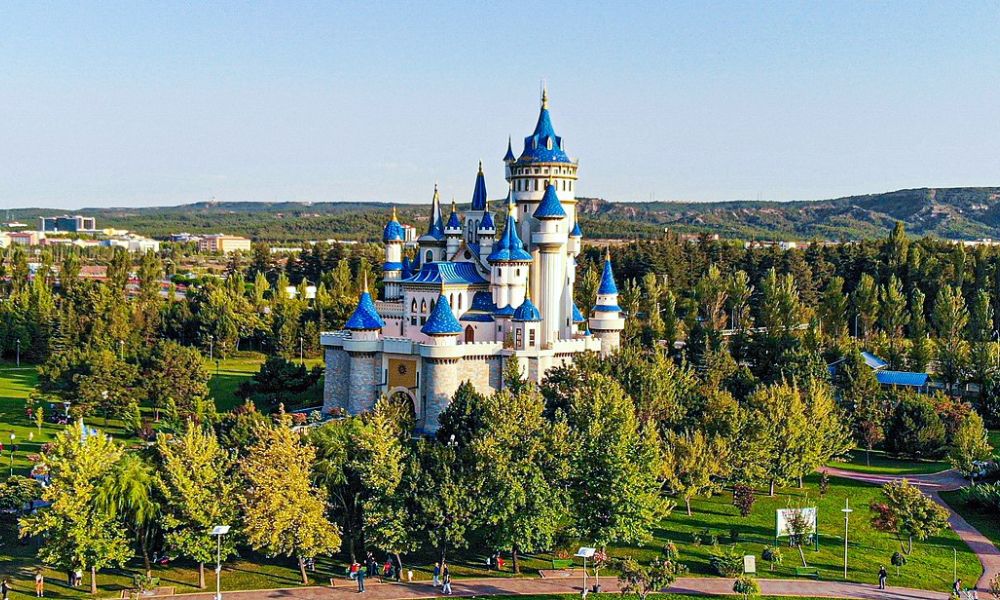
As its name suggests, Eskişehir exudes a sense of history. But the most interesting thing is that this place truly deserves the name "old"! The city's first settlement was in an area called Dorileon, 6 kilometers north of the current center. Over time, this settlement moved to its current location. And guess what? It was named Eskişehir, meaning "old settlement"! Thus, the name of this city derives from its soil. Old, but worth its weight in gold!

This region, known as Menteşe Sanjak in 1884, became an independent province, separating from Aydın Province in 1913. Where do you think this name comes from? Rumor has it that Muglu Bey, one of the generals of the Seljuk Sultan Kılıçarslan, conquered this region, and his name became legendary. Over time, this hero's name became "Mugla." In other words, the history of the name is overshadowed by the history of the Seljuks!
16. Sinop

Sinop, land of legends... There are two different stories about the city's name. The first says that Sinop got its name from a Greek goddess. However, another version suggests that the name Sinop refers to an Amazon queen. Just think, this region could have been the site of a memorial to an Amazon warrior queen! In both cases, it's clear that Sinop is a reference to mythology.