








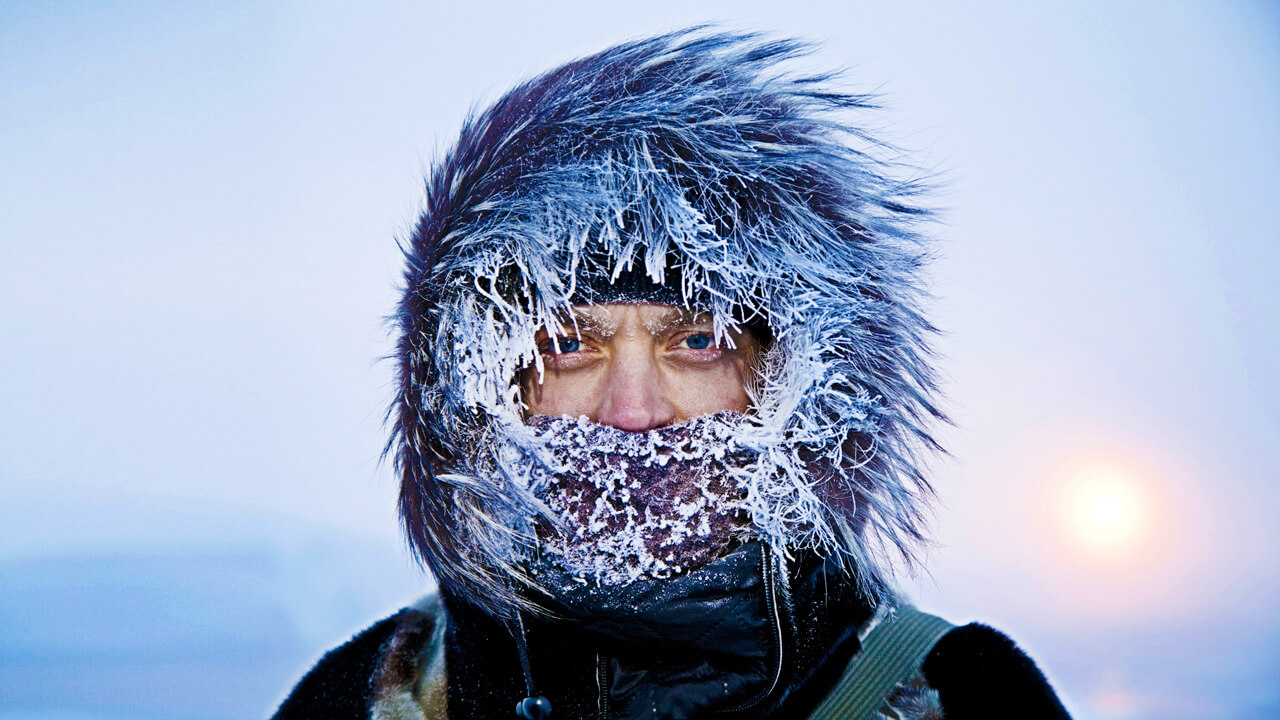
Do you freeze in the winter? Do you think it's too cold around you? Does the thought of the warm sun bring tears to your eyes? There are places that are much, much colder, and yet somehow people exist there. How exactly do they live—in our Top 10 coldest cities in the world. Winter temperature records are shown for all cities.
10. Harbin, China - minus 38.1°C
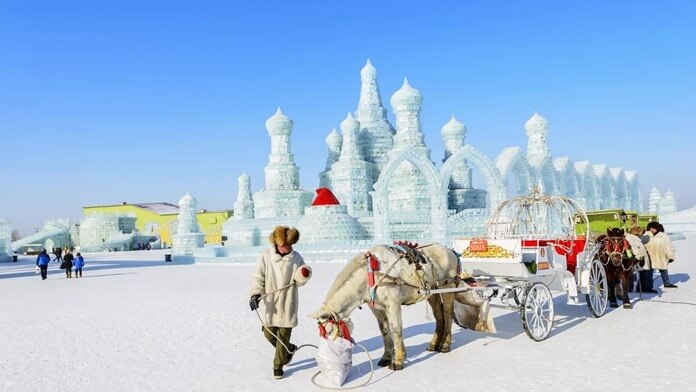 For residents of this city, even the harsh winter is a joy. It's thanks to it that Harbin hosts the International Snow and Ice Festival. It's one of the largest ice festivals in the world. It features ice sculptures, ice swimming, and skiing.
9. Longyearbyen, Norway – minus 46.3°C
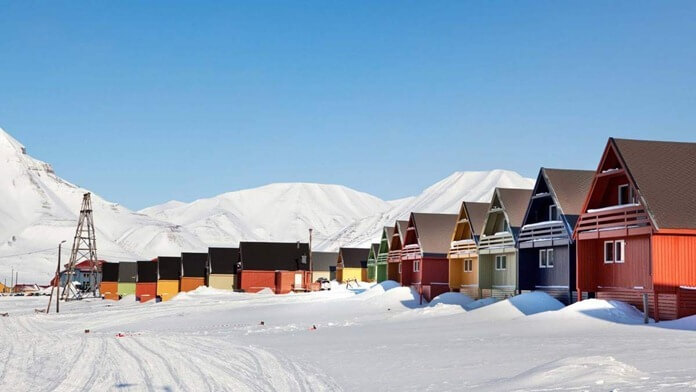 This settlement on the island of Spitsbergen has one of the strangest restrictions in the world. Birth and death are prohibited here. Therefore, there is no maternity hospital or cemetery. The bodies of the deceased are transported to the mainland. Longyearbyen is also famous for the construction of an underground Global Seed Vault here, at the insistence of the UN. It will be useful in the event of a global catastrophe.
8. Barrow, USA – minus 47°C
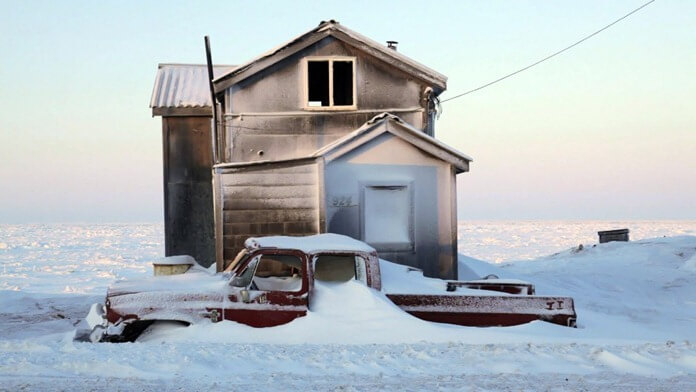 Cold weather arrives unexpectedly in this American city (almost like the arrival of utility services). Just yesterday, people were driving their cars without a problem, but today they need to use snowplows. Such temperature fluctuations make life in Barrow quite challenging. However, that's the hallmark of homo sapiens: their ability to adapt to almost any conditions.
7. Winnipeg, Canada - minus 47.8°C
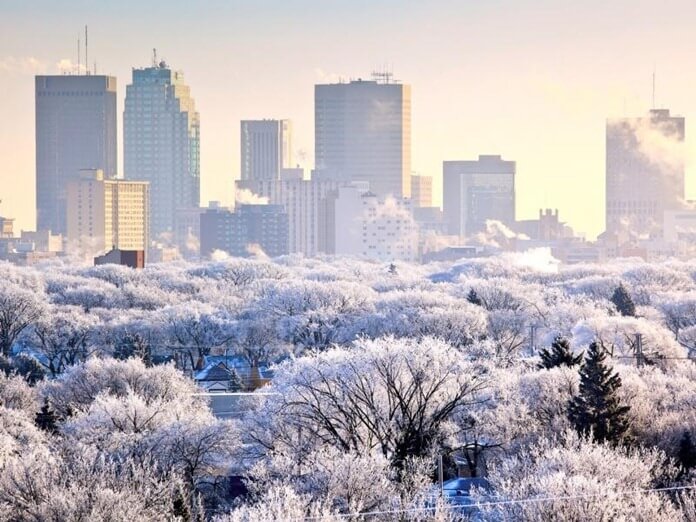 One of the coldest places on the planet is the capital of the Canadian province of Manitoba. Typical January lows there range from -20°C to -22°C. And on December 24, 1879, the city's record low was -47.8°C. It must have been an unpleasant day for the city's residents.
6. Yellowknife, Canada - minus 51°C
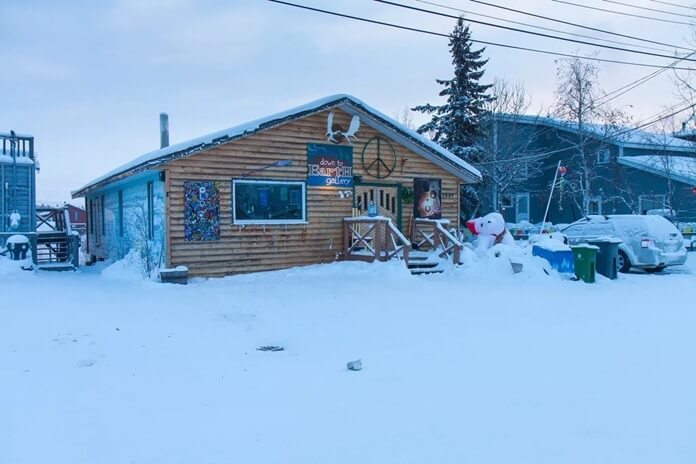 Founded in 1934, Yellowknife is the capital of Canada's Northwest Territories. It is home to over 20,000 people, most of whom work in the mining industry. The city boasts long, clear winter nights, providing optimal conditions for viewing the northern lights from mid-November to early April.
5. Dudinka, Russia – minus 61°C
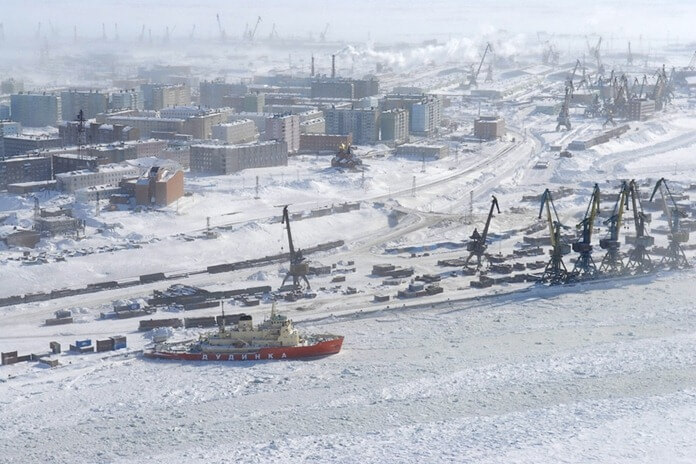 One of the world's northernmost cities regularly faces extreme winter conditions. The average daily minimum temperature in January is minus 33 degrees Celsius.
This city is home to the world's only ice stadium beyond the Arctic Circle—the Taimyr Ice Arena.
4. Norilsk, Russia – minus 64°C
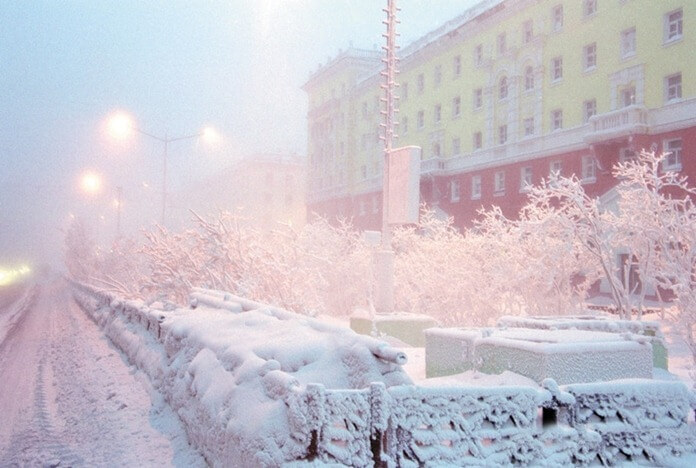 Norilsk has never had a mild climate. Winter temperatures there often drop to -40°C. However, in 2014, a new low was recorded there—64°C below zero. Interestingly, Norilsk and Murmansk are located at almost the same latitude. However, Murmansk is noticeably warmer.
3. Yakutsk, Russia - minus 64.4°C
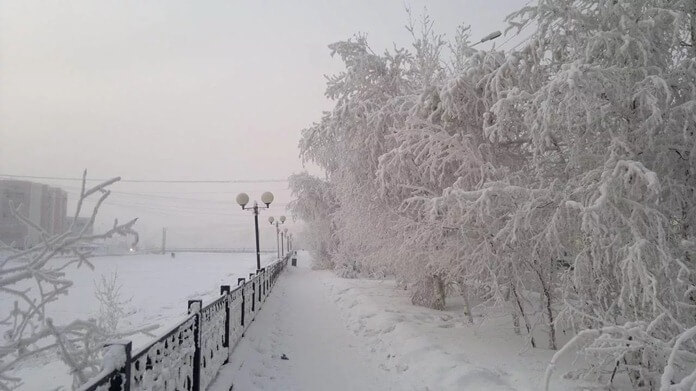 The capital of the Sakha Republic tops the list of the world's three coldest cities. It is renowned for its extremely harsh winters. The most extreme temperatures occur in January, with average temperatures ranging from -38°C to -41°C. In 1891, a record low of -64°C was recorded.
Moreover, the winter season in Yakutsk can begin much earlier than in other cities around the world.
2. Verkhoyansk, Russia – minus 67.7°C
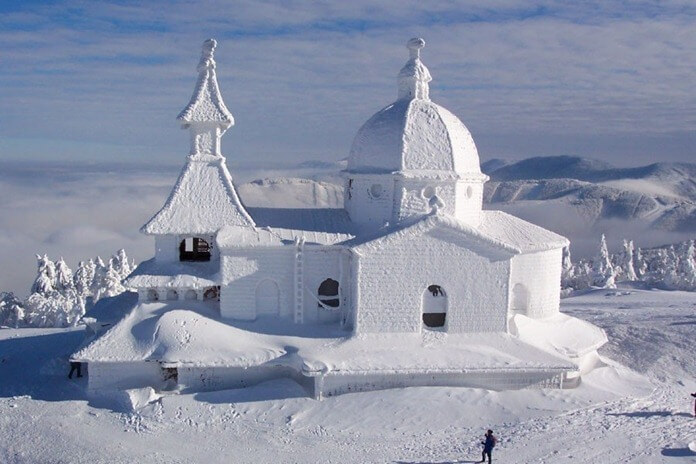 Technically, this city could be considered the coldest on Earth, as the top spot on our list is a village. Verkhoyansk has a small population—1,131 as of 2017. This is understandable, as few people would want to live in a place that holds the title of "The Pole of Cold in the Northern Hemisphere.".
1. Oymyakon, Russia – minus 71.2°C
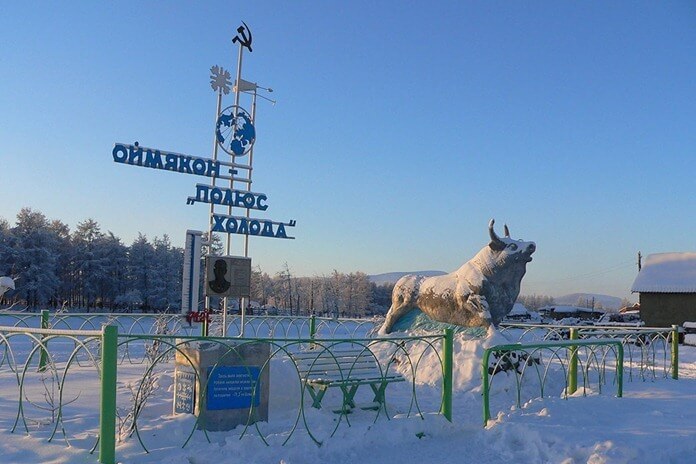 Here's the answer to the question of the coldest place on Earth. The average winter temperature in the village of Oymyakon is -50°C. And the lowest recorded temperature is a staggering -71.2°C. True, that low is almost a century removed from our time; it was measured in 1924. For comparison, the hottest place in the world reaches 70°C.
Why is Oymyakon the coldest city in the world?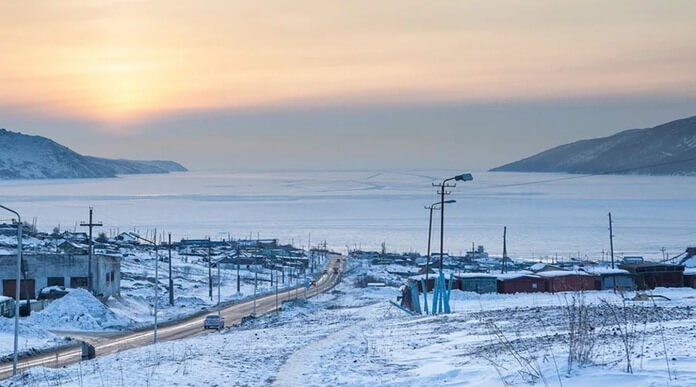
The reason is the village's geographical location, which is unfortunate for several reasons. It's located in a river valley, surrounded by mountains that form a sort of horseshoe. The open top of the arc points north. At night, dense, heavy, cold air flows down from the mountains and accumulates in the depression where the village is located.
Altitude also plays a role: generally, the higher the altitude, the colder it is. Summer in the village is short, only three months, but hot, with wide temperature fluctuations; while daytime temperatures can reach 30°C, at night the air drops to below freezing.
The irony lies in the very name "Oymyakon." It comes from an Evenki word meaning an unfrozen spring, or a place where fish overwinter. There is indeed a spring near the village, which is likely why the locals began settling there. They quickly adapted to the cold temperatures.
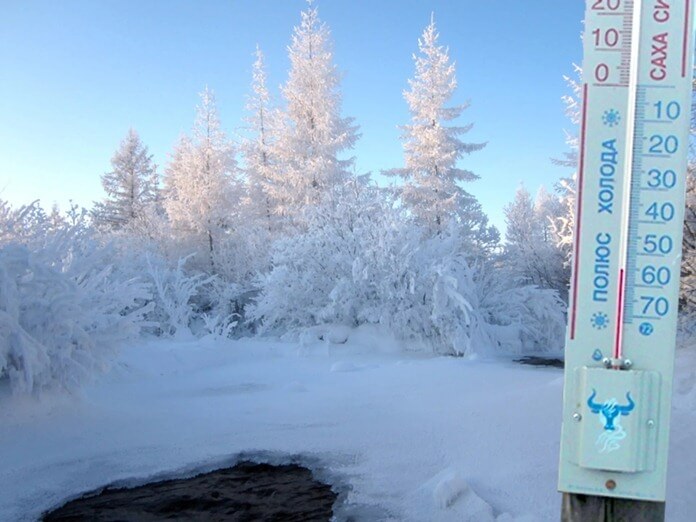
A temperature of -40°C is considered cold, but not too cold. -25°C is unusually warm. The generally windless weather also helps with adaptation to the cold, making the cold easier to bear. Locals even say they prefer living here to places with milder, but windier and damper winters. They measure temperature with special mercury-thallium thermometers to prevent the mercury from freezing. The highest minimum temperature they've ever seen is -61.1°C.
At these temperatures, the simplest tasks, like taking a child to daycare or school or going to the store, become a quest. Typically, Oymyakon residents try to avoid going outside during the "winter" months—only to the grocery store, quickly, wrapped in a scarf and holding a mitten to their face.
Residents of Yakutsk, a two-day drive away, are forced to call taxis or rely solely on private transportation. Incidentally, the freezing temperatures are no excuse for Oymyakon children to skip school—it stays open down to -52°C.
What clothes protect you from the cold in Oymyakon?
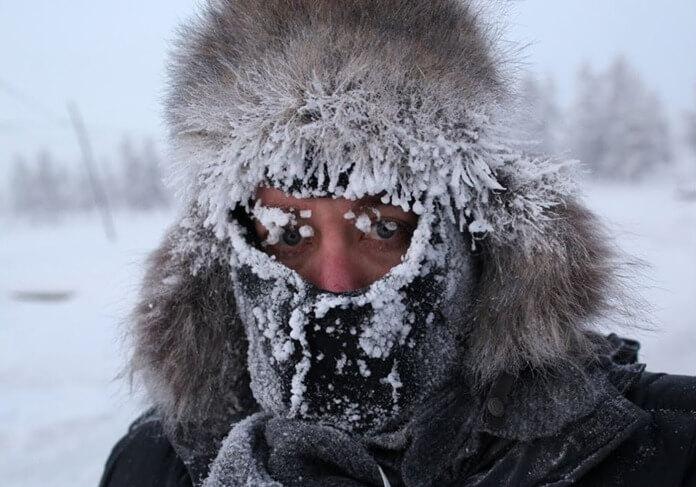 Locals naturally dress in fur—the more natural and thicker, the better. They wear fur hats, fur boots (made of reindeer skin and fur), mittens, and, of course, a scarf covering the entire face to protect against sunburn. Faux fur is completely unsuitable. It quickly deteriorates in the cold, and sometimes literally breaks.
Children attending kindergarten are bundled up so tightly that they are practically unable to move independently—only their eyebrows and eyes are visible. So, parents take them on sleds, and the fur blanket they put on the sleds is warmed beforehand.
Nutrition
 Growing crops in permafrost conditions is impossible, so locals rely primarily on dense protein foods. Stroganina, a staple on the menu of the indigenous peoples of the North, is a staple, as it has been for centuries. This is shavings from a frozen piece of meat or fish. The daily menu often consists of a thick soup made with the same meat or fish. In this climate, locals have no need for refrigerators, as everything is stored right outside the window.
Pets
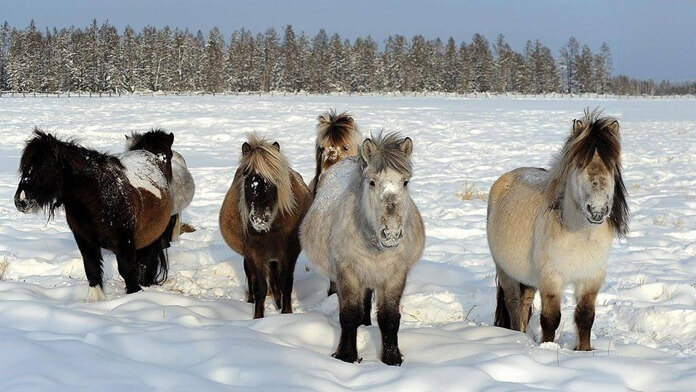 Oymyakon residents keep livestock, but they try not to let them outside in such cold weather. In winter, only the hardy Yakut horses (they grow long, thick fur) and dogs are allowed outside. Cows only see the bright winter light when absolutely necessary, and even then, their udders are specially wrapped to protect them from frostbite.
Public utilities
Permafrost, extremely low temperatures, and sewerage systems don't mix, so most toilets in Oymyakon are located outside the houses. Oymyakon receives heat from a local coal-fired heating plant. Its condition, like that of the central heating system in Yakutsk, a two-day drive away, is checked as early as June. Pipe replacements, if necessary, are also carried out then.
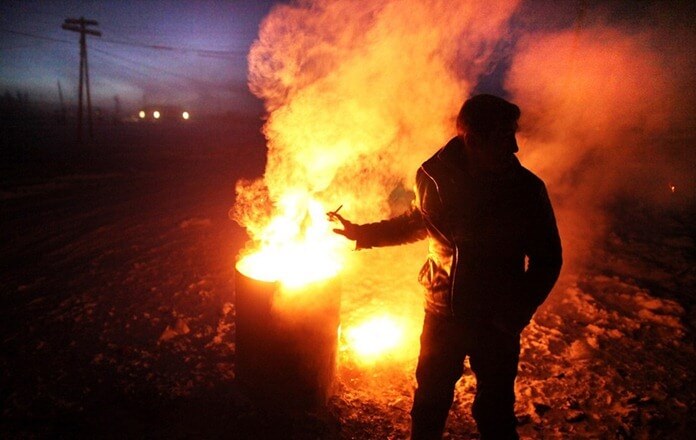
Power outages are the worst thing that can happen in the Far North. When one happens, all the residents of Oymyakon take to the streets and use torches to warm the village's most essential buildings—the kindergarten, the only store, and the cafeteria. Pipes had to be dug up and heated manually to prevent them from freezing. Fortunately, such incidents are rare.
Transport
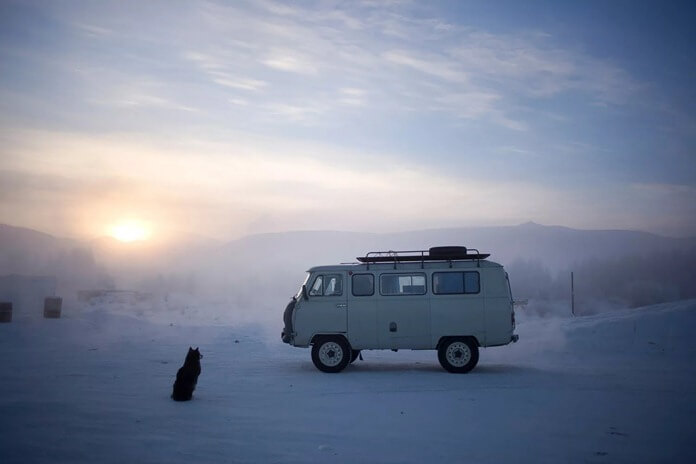 There are two ways to get from Yakutsk to Oymyakon: by car or by air. Flights only operate during the warmest time of year, in summer, and no more than once a week. Therefore, the main connection with the outside world is by road. The classic UAZ "loaf" is considered the most durable, capable of traversing over a thousand kilometers of ice- and snow-covered highway without significant damage.
Cars in the Far North require special, careful handling. Drivers often place a wool blanket on the hood and another underneath to "warm" the engine and electrical components. Cars in the north have double-glazed windows to prevent ice buildup. If the car is parked outside, it must be kept idling. It can only be stopped in a heated garage. If the engine is stopped outdoors, the battery will immediately freeze, making it impossible to start the car. Therefore, if the engine suddenly stalls somewhere outside the city, it is necessary to thaw the battery over a fire and, in addition, heat the metal housing under the engine.
Long-haul carriers don't turn off their engines for months at a time. Due to the harsh northern conditions, the vast majority of gas stations in the Yakutsk region operate 24 hours a day.
The constant idling of car engines, the breath of people, and the fumes from industrial plants create a dense curtain that covers Yakutsk during the coldest time of year. Sometimes it's so thick that nothing can be seen within ten steps.
Gadgets
It's best not to take small electronics outside in the Far North, as they instantly turn into ice. Therefore, owners keep them in inside pockets, warming them with their own body heat, and only take them out in heated rooms. Taking photos in such subzero temperatures is very difficult.
Illness and death
 Surprisingly, colds are uncommon in such extreme cold. Viruses and bacteria simply freeze to death. Frostbite is easy, but catching a cold is not. However, this isn't as good as it seems, and if an Oymyakon resident moves to warmer climes, they risk constantly catching colds.
The harsh climate is a severe challenge for the human body, so long-lived people in the Far North are rare. In addition to extreme temperatures, vitamin deficiencies and a monotonous diet play a role. Eternal winter affects both the beginning and end of human life—digging a grave in the freezing cold is impossible, so if someone dies in the village, the earth must be warmed with fires.
How do the locals themselves feel about this climate?
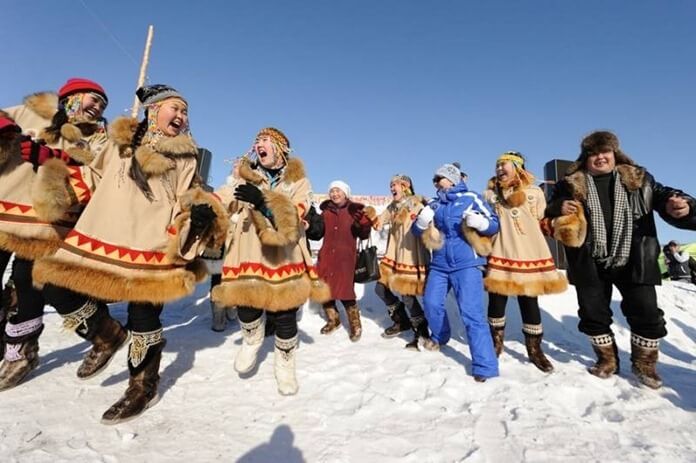 Autumn in the Far North is the saddest time of year. The short summer is over, and a long, bitterly cold winter lies ahead. However, when it finally arrives, and the dreary slush is covered with a fresh blanket of snow, white and clean, residents of the Yakut region seem to welcome the cold weather. Complaints are usually not caused by the cold itself, but by poor utility services – when the heating is out or there's a breakdown. Heat is a far greater source of complaint – starting in June, northerners accustomed to the cold begin to complain about the heat.
True, in recent years, Yakutia residents (those who can afford it) have been preferring to spend the winter in warmer places. For example, in Thailand, there's a direct flight between Yakutsk and Bangkok. And their places are being taken by tourists—amazingly, Oymyakon is becoming a popular destination for those who want to experience the brutality of true cold.
How does cold affect the human body?
- At minus 5°C, the frost is more invigorating than uncomfortable – to protect yourself from it, just put on a warm hat, wrap a scarf around your neck, and you will be warm and cozy.
- At minus 20°, the moisture in the nasal mucosa begins to freeze, and the cold air burns the nasopharynx.
- At minus 35°C, frostbite of exposed skin is a very real danger.
- And at minus 45°C, only a masochist would wear glasses with metal frames – the metal sticks to your cheekbones and nose, and you have to take off the glasses along with pieces of skin.