






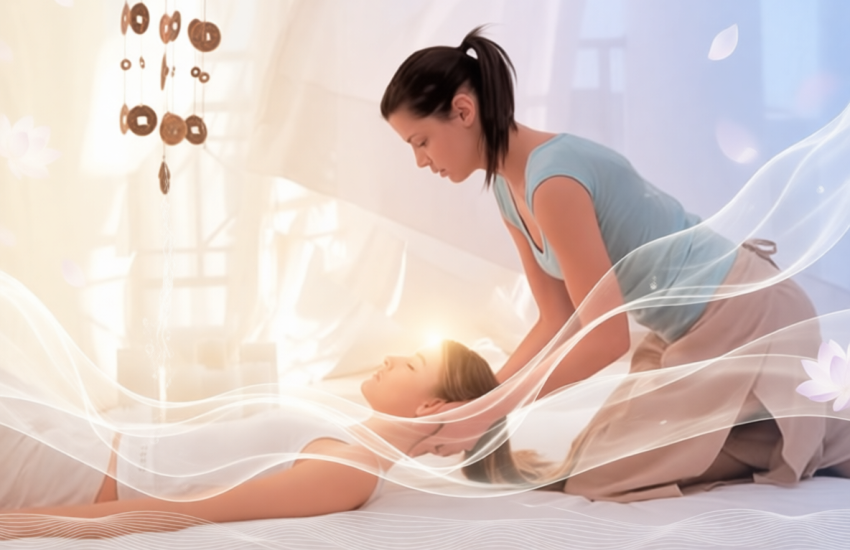
Holistic massage is a body-oriented practice that integrates diverse cultural and scientific traditions. Unlike classical massage techniques, which focus primarily on the muscular system, the holistic approach seeks to consider the interconnectedness of a person's physical, emotional, and internal experience. Below are ten insightful facts about this practice, based on publicly available sources and historical information.
1. What does «holistic» mean?
The word "holistic" comes from the Greek "holos," meaning "whole" or "complete." In the context of massage, this refers to the desire to view a person not as a collection of separate parts, but as a unified whole, in which the body, emotions, and inner world are closely connected. The method implies that physical sensations can be linked to emotional experiences, and bodywork can promote a deeper awareness of oneself.
2. Alternative name: holistic pulsing
The method is often called "pulsing" (from the English pulsing — "pulsation"). This is due to the characteristic technique: the massage therapist gently rocks, sways, or oscillates body parts, working in a rhythm close to the natural physiological rhythms of a person. This approach can promote a feeling of peace and relaxation, without pressure or painful manipulation.
3. History of the method
Australian Tovi Browning is considered the developer of holistic pulsing. With years of experience in practices such as osteopathy, classical massage, and reflexology, she concluded that deep restoration requires not only a physical approach but also a broader one—one that considers the emotional and energetic aspects of a person. Based on these observations and the integration of various traditions, she created a system that combines gentle bodywork with elements of mindfulness.
4. The basis of the method is the movement and fluid environments of the body
One of the key concepts of holistic massage is the idea that the human body is largely composed of water. Rhythmic, wave-like movements are believed to improve the circulation of internal fluids—blood, lymph, and interstitial fluid. This can support the body's natural self-regulation processes and promote the elimination of waste products.
5. Interaction without intrusion
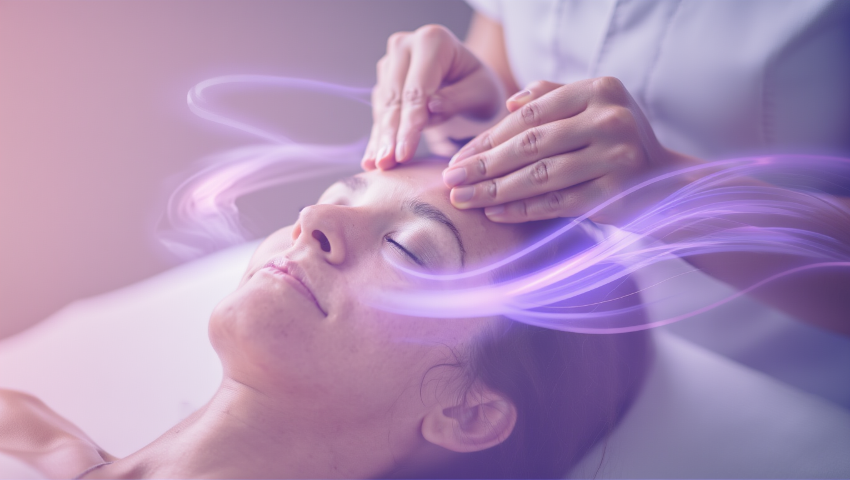
A distinctive feature of holistic pulsing is its gentle, non-invasive interaction with the client's body. The touch is non-aggressive and not aimed at "kneading" or "knocking out" tension. Instead, the practitioner creates conditions in which the body can begin the process of releasing tension itself—at its own pace and within individual boundaries.

6. Possibility of internal response
During a session, some people report the emergence of images, memories, or emotions not directly related to physical activity. This is not a therapeutic process in the clinical sense, but can occur as part of bodily relaxation and mindful presence. Such experiences are sometimes described as "body memory"—the body's ability to "store" traces of past experiences in the form of tension or movement restrictions.
7. Scientific interest in the method
Some sources mention that the effectiveness of holistic massage has been studied through neurophysiological observations, including electroencephalographic studies. These findings suggest that sessions may promote a shift in the brain's rhythms toward more orderly patterns, associated with a state of relaxed alertness. However, such studies are preliminary and do not constitute clinical evidence.
8. Areas of interest and application
Holistic massage appeals to a variety of audiences. It's most commonly sought after by:
- People interested in self-knowledge and mindfulness practices;
- Those looking for non-medical ways to relieve stress and tension;
- Athletes who want to harmonize muscle tension and improve body perception.
The practice is not positioned as a method of treatment, but can be perceived as one of the ways to support overall well-being as part of a healthy lifestyle.
9. Contraindications and restrictions
Like any physical practice, holistic massage has a number of situations in which its use is not recommended. These include:
- Acute infectious diseases;
- Thrombosis and severe forms of varicose veins;
- Unstable psychiatric conditions (as recommended by a physician);
- Exacerbation of chronic diseases (including peptic ulcer, hypertension, etc.).
Before your first session, it is recommended to consult with your doctor, especially if you have any chronic or serious health conditions.
10. Philosophy and approach
Holistic massage is often described not as a technique, but as an attitude—to the body, to oneself, to the process of interaction. The method is based on respect for the client's individuality and trust in the body's natural capabilities. Many practitioners note that gentleness and a lack of pressure are key to profound internal shifts. The method does not seek to "fix" a person, but rather creates a space in which one can feel whole—even with existing limitations or experiences.
Holistic massage remains a unique example of the synthesis of ancient and modern understandings of body and mind. It doesn't offer universal solutions, but it can become part of a personal journey toward a deeper understanding of oneself—through touch, movement, and inner awareness.