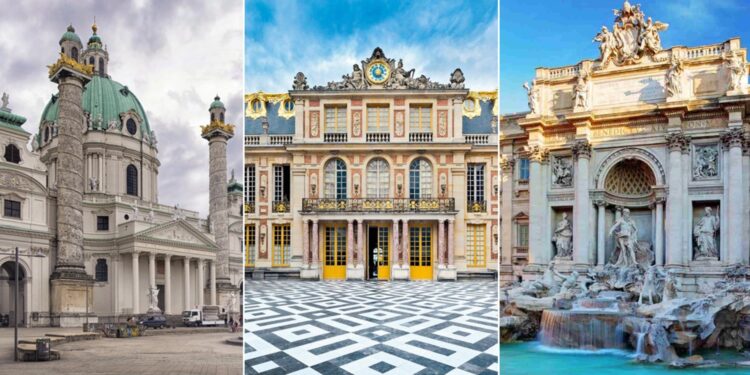
Baroque architecture, which some of us spend a long time contemplating after seeing it in photographs, and some of us have even had the opportunity to visit it, can be seen today in historic buildings in many European cities. The Baroque era, which began in Italy in the 16th century, influenced many architectural structures and works of art until the early 18th century. The most important characteristic of Baroque architecture is that the buildings constructed during this period are distinguished by their splendor, vibrancy, and exaggeration. The movement, which originated in Italy in the 16th century, influenced all European countries. Thus, in many European countries, you can find buildings that have become symbols of Baroque architecture. Baroque architecture is especially evident in churches and palaces. We have collected for you the buildings that have become symbols of Baroque architecture. Here are the buildings that have become symbols of Baroque architecture.
You may also want to check out the article: "15 Iconic Paintings That Will Give You a Closer Look at the Splendor of the Baroque Era"«
1. Palace of Versailles, France
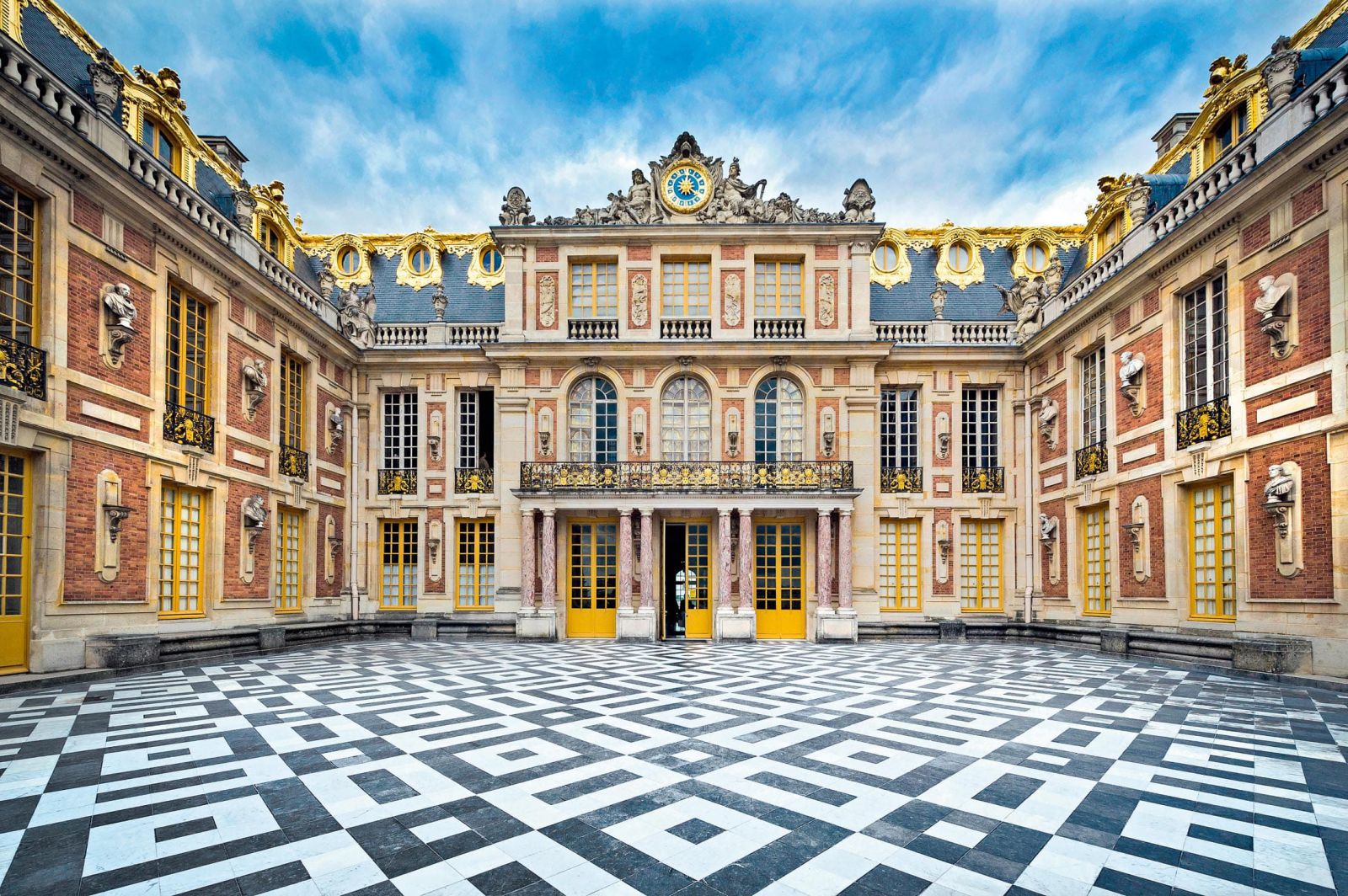
The Palace of Versailles, considered one of the most emblematic buildings of Baroque architecture, is undoubtedly the most distinctive surviving example of traditional Baroque architecture. Originally built as a simple hunting lodge, the building was converted into a small chateau in the 1630s and later transformed into a magnificent example of Baroque architecture, now open to visitors. The Palace of Versailles is a UNESCO World Heritage Site, a title it has held for 40 years. This architectural structure, considered one of the most important Baroque structures, was built in the 14th century. From Louis XVI to Louis XIV, it was the primary residence of most members of the French royal family. Today, the palace stands in all its splendor as a symbol of great power, inspired by royalty and the boundless potential of architecture.
The Palace of Versailles embodies all the essential elements of Baroque architecture. The Hall of Mirrors is one of the palace's most famous rooms. One side features large arched windows that let in abundant natural light, while the other is covered with numerous mirrors. During the Baroque era, mirrored glass was an extremely expensive material, but in the 14th century, it became increasingly popular. Louis was a wealthy man and could afford whatever he wanted. The Hall of Mirrors also contains dozens of marble and gilded statues, furniture, gold leaf ornaments, and vibrant Baroque frescoes.
«"8 of the World's Most Beautiful Opera Houses Where Art and Architecture Meet"»
2. St. Paul's Cathedral, England
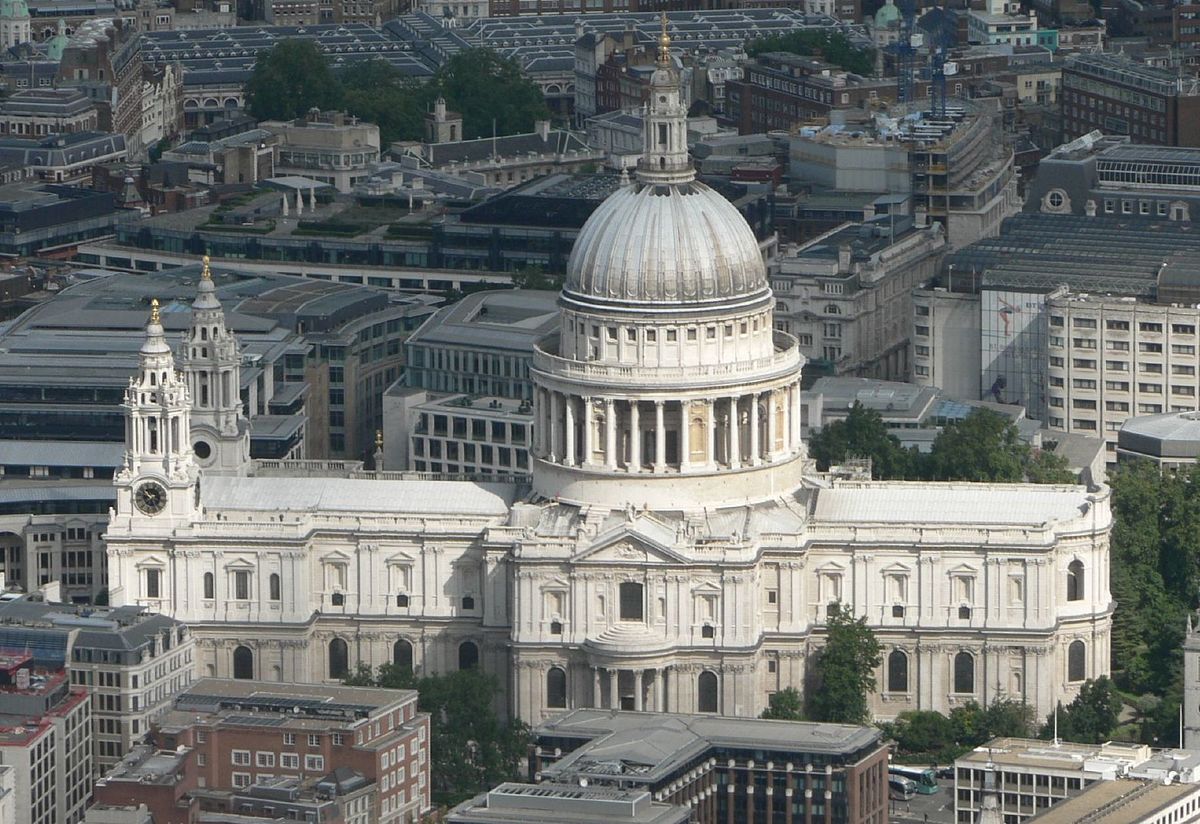
Built in the 17th century, St. Paul's Cathedral is one of London's most important cathedrals. Since its completion in 1675, it has hosted numerous historic events. From its grand scale to its exquisite furnishings, the cathedral perfectly embodies Baroque architecture in every square meter.
3. Palace of Caserta, Italy
The Palace of Caserta, the most magnificent structure in southern Italy, is the largest royal residence in the world, covering 47,000 square meters. Built in 1752 by the architect Luigi Vanvitelli for King Charles of Bourbon, the palace, which took over fifty years to complete, cost the equivalent of €330 billion today. The palace, considered one of the emblematic buildings of Baroque architecture, was inscribed on the UNESCO World Heritage List in 1996.
Church of Charles IV, Austria
The Karlskirche, also known as the Karlskirche, is the most iconic example of Baroque architecture in Vienna. Completed in 1737, the church was dedicated to Saint Charles Borromeo, a renowned healer who helped alleviate the suffering of plague sufferers. The church's entrance particularly reflects the Roman Baroque style.
5. Royal Palace of Madrid, Spain
Construction of the Royal Palace of Madrid, completed on April 7, 1735, took 16 years. The first person to occupy the palace was Alfonso III, widely known as the "Mayor of Madrid" due to the numerous reforms he initiated. It was Charles. The original architect, Filippo Juvarra, was heavily influenced by the Italian Baroque architect Gian Lorenzo Bernini, whose style was predominantly Florentine. The geometric rigor and square layout are extremely typical of the Spanish Baroque style.
6. Les Invalides, France
The Hôtel des Invalides is one of the greatest masterpieces of French Baroque architecture. Much of the structure was built by the French architect Libéral Bruant (1635-1697), while the magnificent chapel dome was completed by Jules Hardouin Mansart (1644-1708). Built between 1671 and 1678 as a retirement home and veterans' hospital, the Hôtel des Invalides today houses the French Army Museum, the Museum of Military Models, and the Museum of Contemporary History. It is also the final resting place of many French national heroes, including Napoleon Bonaparte.
7. Catedral Basílica de Zacatecas (Zacatecas Cathedral), Mexico
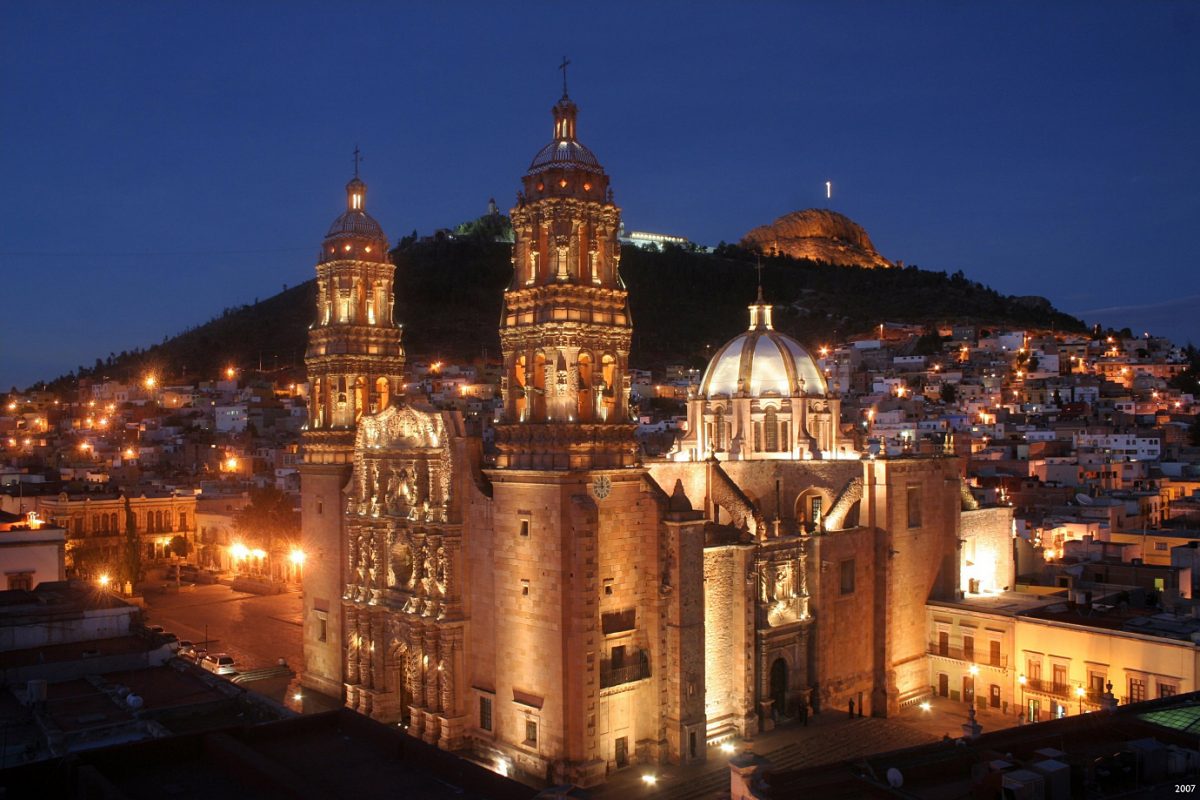
Located in Zacatecas, Mexico, the Zacatecas Cathedral is considered one of the finest examples of Mexican Baroque architecture. The cathedral's basilica was built between 1730 and 1760 by an unknown architect on the site of a 16th-century church. The cathedral displays influences from the Spanish Churrigueresque style, as well as the use of indigenous decorative elements. In 1993, Zacatecas was designated a UNESCO World Heritage Site.
8. St. Peter's Square, Vatican City
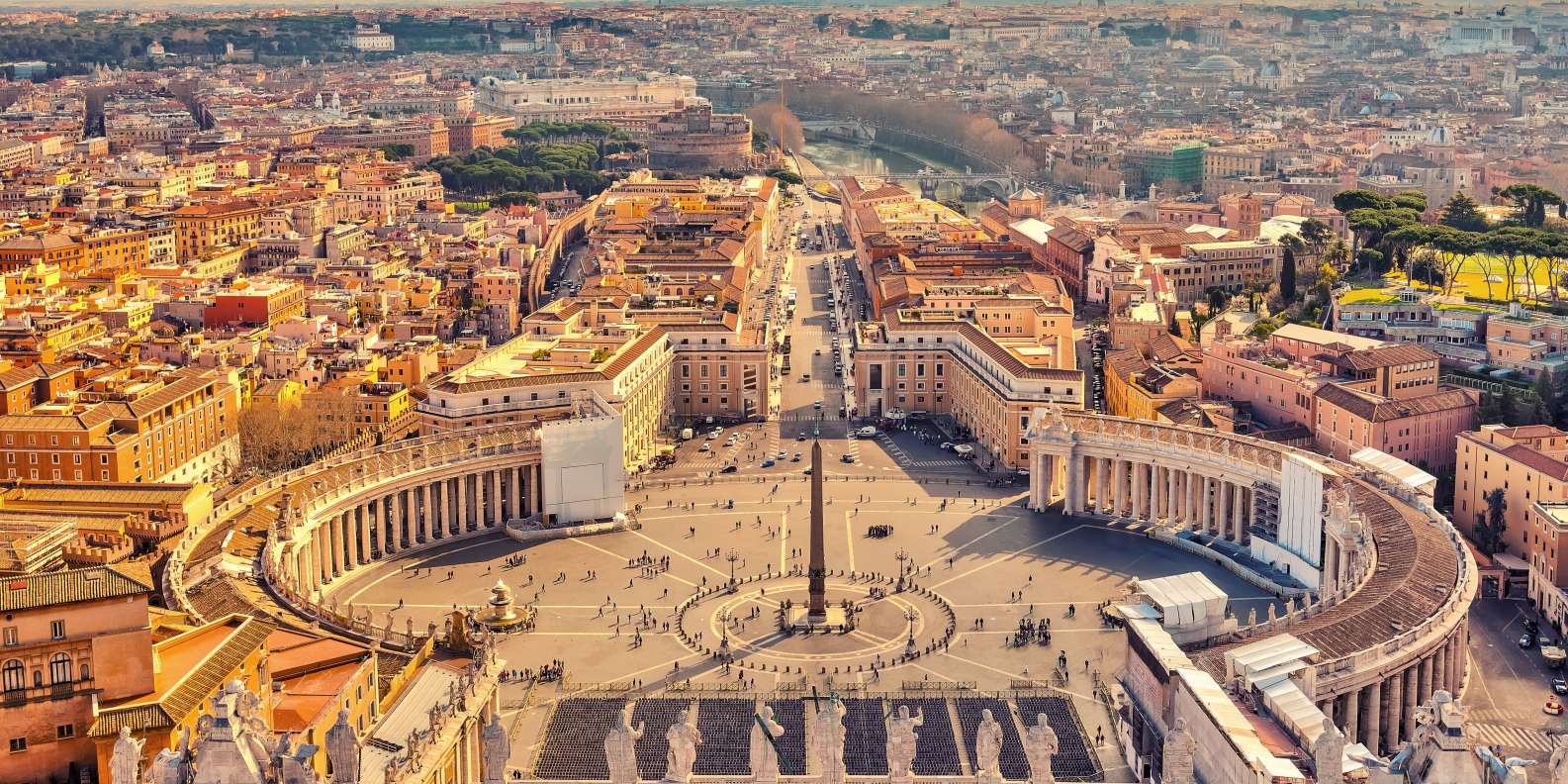
St. Peter's Square is located in Vatican City. The square's layout was designed by Gian Lorenzo Bernini, one of the greatest sculptors of the Baroque era. Bernini designed many fountains in Rome's magnificent squares, including Piazza Navona and Piazza Sant'Angelo. St. Peter's Square was designed using several distinctive elements of Baroque architecture, such as an elliptical plan and intricate Baroque sculptures atop the columns. The square's centerpiece is unique due to the presence of an ancient Egyptian obelisk, one of several brought to Rome by the Roman emperors.
One of Bernini's most famous sculptures is the Baldachin, located directly beneath the dome of St. Peter's Basilica. The baldachin, approximately 30 meters long, is made of cast bronze. It consists of four spiral columns supporting a large canopy. The spiral column was a design element that became particularly popular during the Baroque era. These columns were used on the facades of many Baroque buildings.
9. Trevi Fountain, Italy
The Trevi Fountain, one of the buildings that has become emblematic of Baroque architecture, is one of the most influential architectural works of the Baroque era in Rome. Built between 1732 and 1762, it is a perfect blend of sculpture and architecture. The fountain contains many typical Baroque elements. The marble sculptures are fluid and vibrant, and the design incorporates numerous elements from ancient Greek and Roman mythology.
10. Winter Palace, Russia
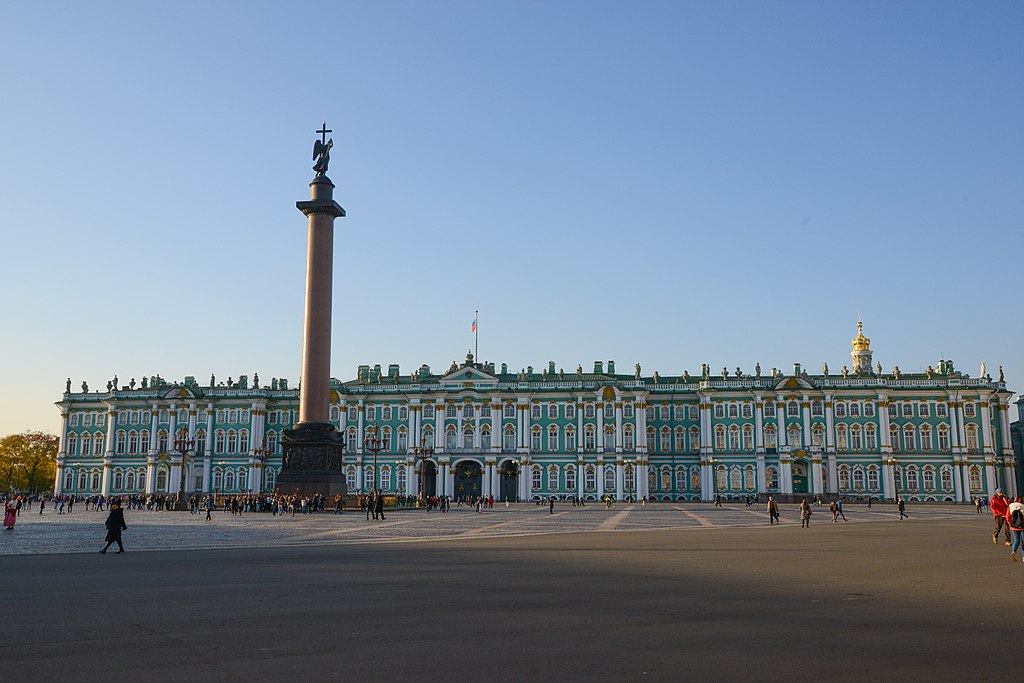
The Winter Palace, one of the iconic structures of Baroque architecture, is one of several magnificent palaces built by the Romanov rulers of Russia. In 1713, at the height of the Baroque era, Tsar Peter the Great moved the Russian capital from Moscow to St. Petersburg. This triggered a massive construction boom, resulting in dozens of important works of Baroque architecture. The Winter Palace served as the official residence of the Russian emperor from 1732. The photograph above shows the southern façade, facing the Alexander Column on Palace Square. This façade features several key elements of Baroque architecture, including the use of vibrant colors and decorative materials such as gold.
11. Melk Monastery, Austria
During the Baroque era, the Archduchy of Austria was one of the most powerful states in the Holy Roman Empire. The Austrian Habsburg monarchy contributed to the creation of many great works of Baroque architecture. One of these is Melk Abbey, a massive structure overlooking the Danube River. The monastery's history dates back to the 11th century. However, in the early 1700s, Melk Abbey was rebuilt to include a school, residential quarters, a library, and a main church. All these structures were built between 1702 and 1736 according to a unified, coherent, and harmonious design. This makes Melk Abbey one of the most complete works of Baroque architecture in Europe.
10 Creepiest Abandoned Buildings The world is fickle, and humans are usually to blame. But there are places where even humans have abandoned their hand and removed their feet. As a result, buildings that...
10 Magnificent Roman Amphitheaters Around the World The cultural heritage of Ancient Rome not only sheds light on history but also enchants us with its architectural wonders. Among the most striking of these are the amphitheaters! How...
10 Great Beaches to Swim in Tekirdag: From Kumbag to Sarkoy Tekirdağ, one of the most beautiful cities in Thrace, whose entire territory is located on the European continent, stands out not only for its culture and history, but also for its natural beauty and...
7 Real-Life Places That Inspired The Beatles' Hits The Beatles drew inspiration from a wide range of sources. From Prudence Farrow and Maharishi Mahesh Yogi to Paul McCartney's dog Martha—real people...
America's Best Theme Parks to Visit, Ranked. One of the best things to do in warm weather is to head to an amusement park, where you can find all sorts of fun activities all in one place. Amusement parks combine...
Anthony Bourdain's 7 Favorite Travel Destinations — and Why Anthony Bourdain traveled extensively, sampled unusual foods, and shared it all with the world. He introduced the masses to a completely different kind of travel, one that allows for a truly personal experience...
5 cowboy towns in America that still feel like the Wild West. Cowboy culture is much more than a Stetson hat, a Marty Robbins playlist, and a loud "yee-haw," though all those are essential elements of a trip to the West. When you think about it...