








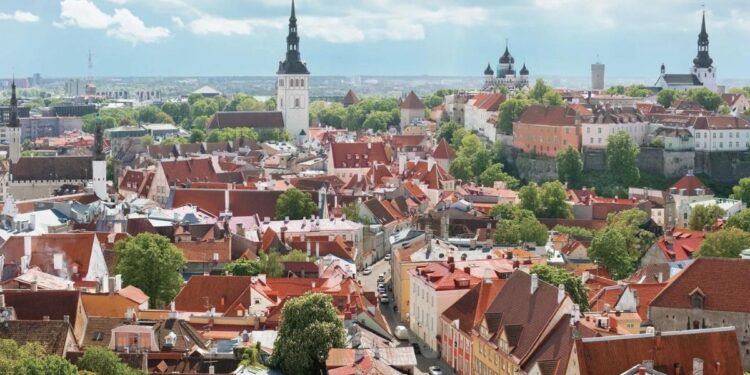
Estonia is a small but dynamic country located in Northern Europe. Situated on the Baltic Sea and bordering Finland, Russia, and Latvia, Estonia boasts a unique blend of modern technology and historical beauty, with a population of over 1.3 million and a rich cultural heritage. The country is a pioneer in the implementation of e-government applications, boasting a modern digital infrastructure. Meanwhile, the medieval architecture and natural beauty of its fairytale capital, Tallinn, make Estonia a popular tourist destination. Here are some interesting facts about Estonia 👇
1. Estonia is one of the smallest countries in Europe.

As of 2022, Estonia's population was approximately 1.349 million, and its area was only 45,339 square kilometers.
2. One of the most digitally advanced societies
Estonians can vote online. Imagine the ease of voting online… They can file their taxes online in just a few clicks. Estonia was the first to implement the e-government system currently used in our country. They aim to create a more efficient and effective society with less bureaucracy for citizens, while increasing transparency in key areas like healthcare and education.
3. You can easily set up a company in Estonia thanks to the e-Residency program.

This is one of the most interesting facts about Estonia! Estonia offers the opportunity to become an online resident of its country through the e-Residency program. You can apply to establish a company in the European Union with just your computer and take advantage of all the benefits that come with it.
4. The weather is very cold.
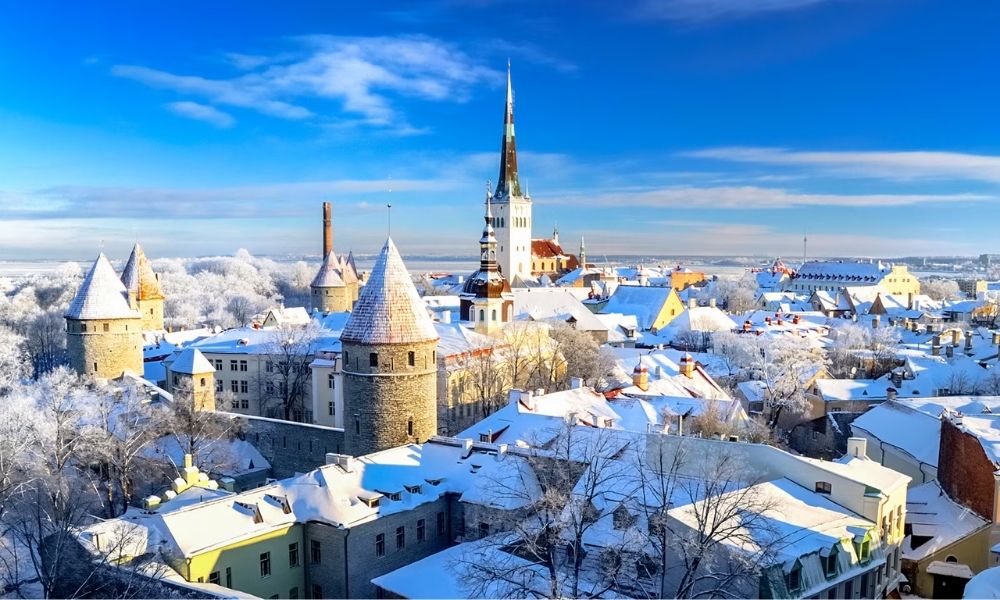
In winter, temperatures in Estonia can drop to around -6.5°C. At night, these temperatures can drop to -46.3°C. Heavy snowfall occurs between January and February, and when the weather is cold enough, even the sea freezes!
5. More than 50% of the country's territory is covered by forests.
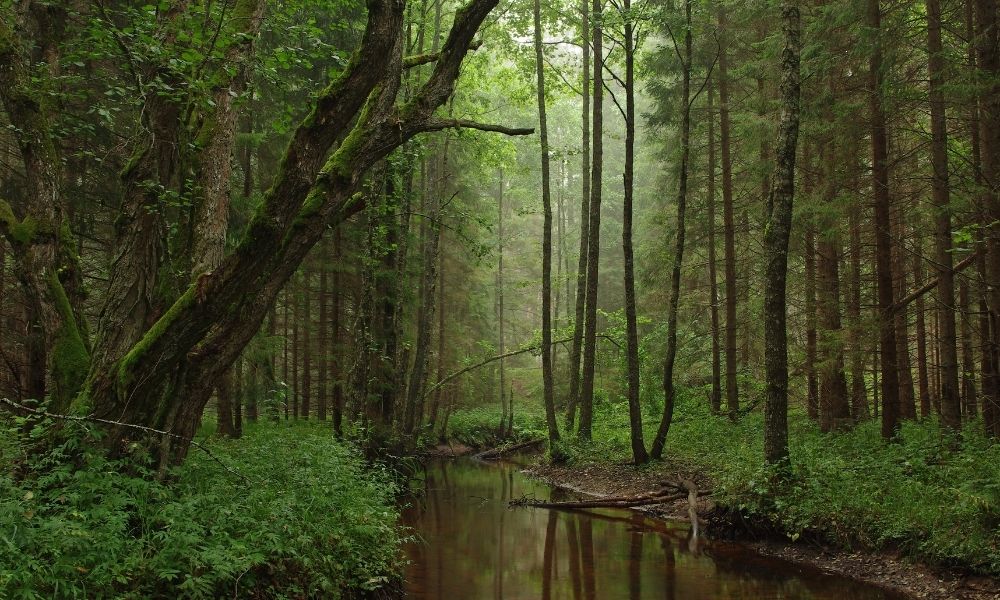
Moreover, almost a quarter of the country's territory is covered by protected areas. Perhaps this is why Estonia's air quality ranks fourth in the world! Furthermore, the country's forests are teeming with wildlife, including lynxes, foxes, rabbits, deer, and even bears!
6. Estonia has rich wildlife.

Estonia, a country covered in dense forests, is a wonderful home to wildlife. Around 65 different mammal species inhabit the country's forested areas. Among them are approximately 250 wolves, 950 brown bears, 12,000 wild boars, 12,000 deer, and approximately 130,000 wild goats.
7. Most of the symbols representing the country are related to nature.
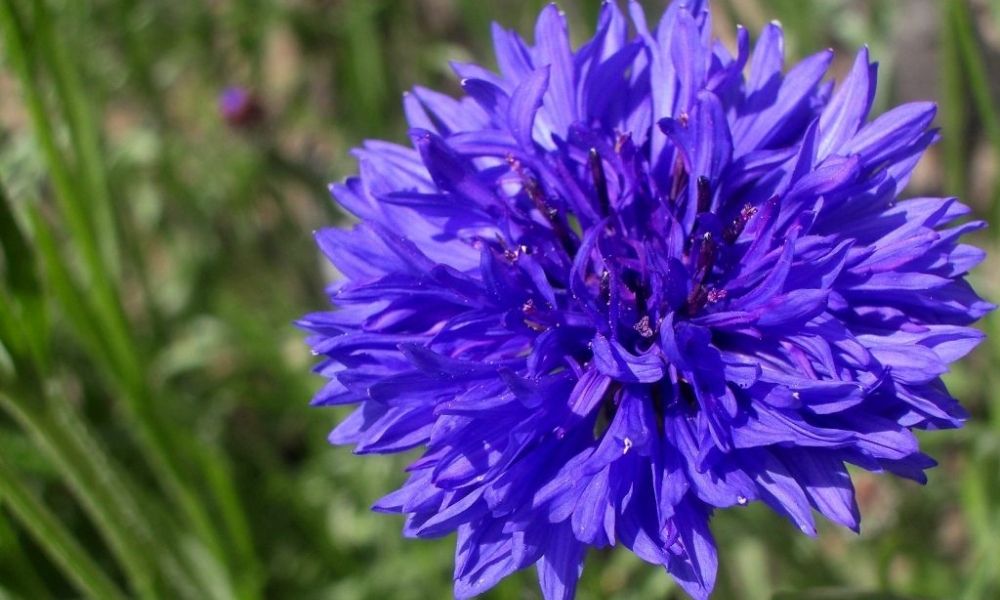
Estonia is symbolized by many natural symbols, one of which is the cornflower. This symbol is so deeply ingrained in Estonian roots that its flag is black and white and "cornflower blue"! Other symbols include the national fish, the Baltic herring, and the national stone, gray limestone.
8. The best-preserved medieval city in Northern Europe is located in Estonia.
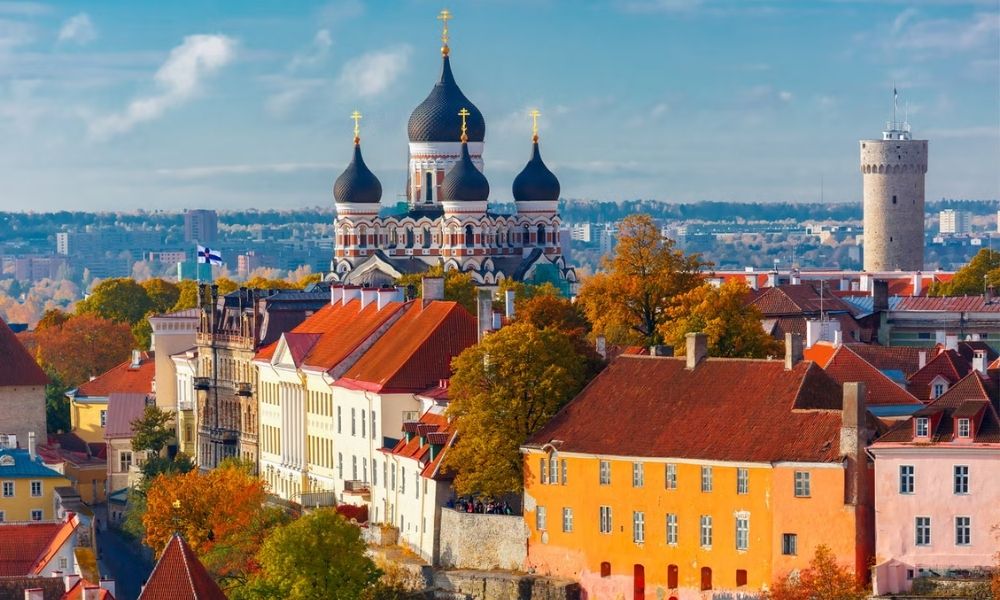
Tallinn, the capital of Estonia, received city rights from the Danish king in the 13th century. Since then, despite numerous wars, the city has remained incredibly well-preserved. Medieval houses, alleys, and even the old city wall that surrounded the historic part of the city can still be seen.
9. There are more than 2000 islands in Estonia.
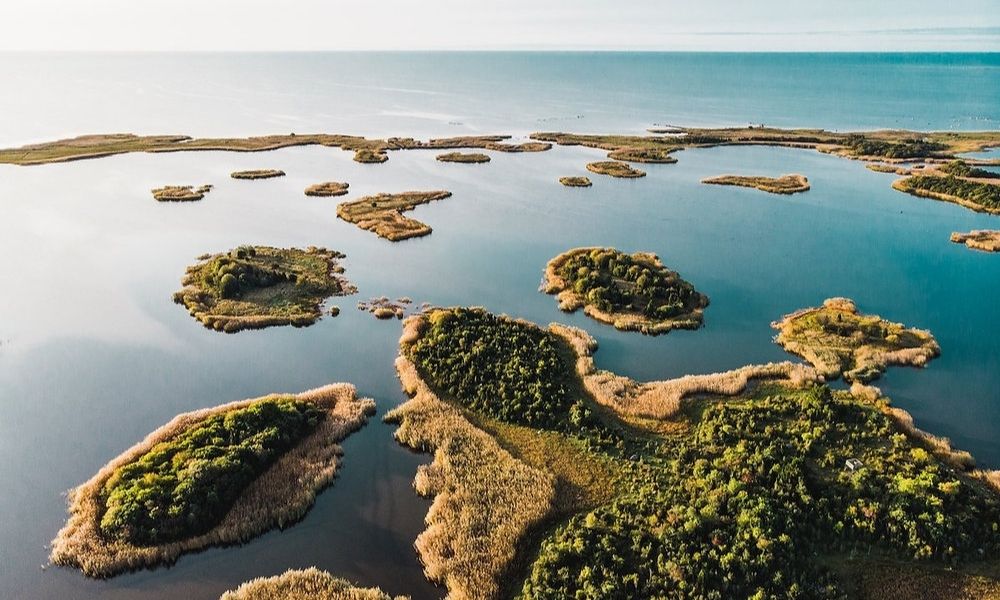
Finland is a quick boat ride from Estonia. Estonia also boasts thousands of islands to visit. While most are uninhabited, some are still inhabited.
10. There are 12 Estonian treasures included in the UNESCO World Heritage List.
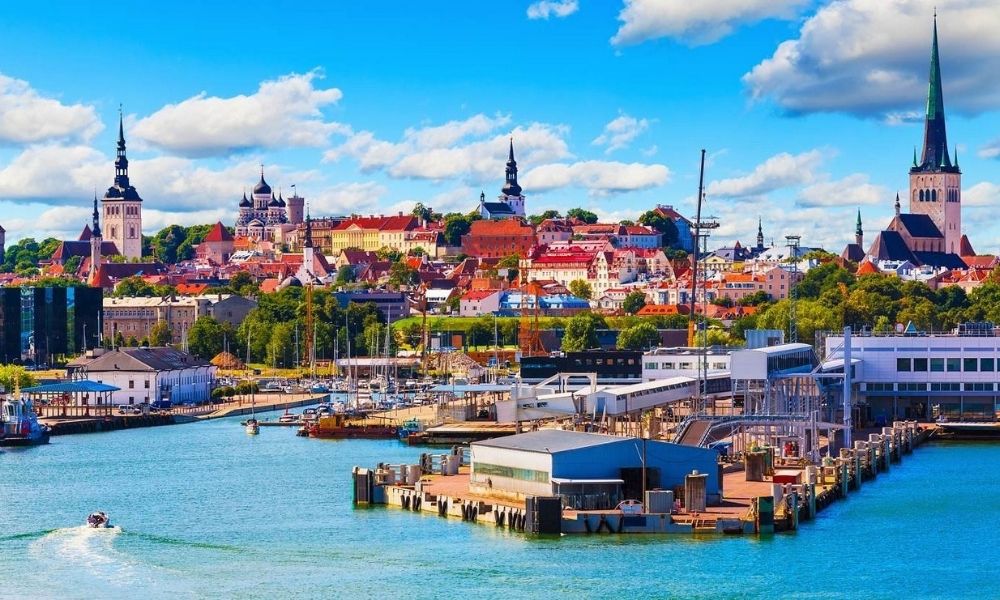
Estonia's traditions and history are fascinating. In fact, UNESCO has internationally recognized 12 aspects of Estonian culture—from landscapes to buildings—and deemed them worthy of protection. These range from traditional singing styles to the natural wilderness and even Estonia's smoky saunas. The most notable of these heritage sites is the historic old town of Tallinn, the capital of Estonia.
11. They are called the "singing nation.".
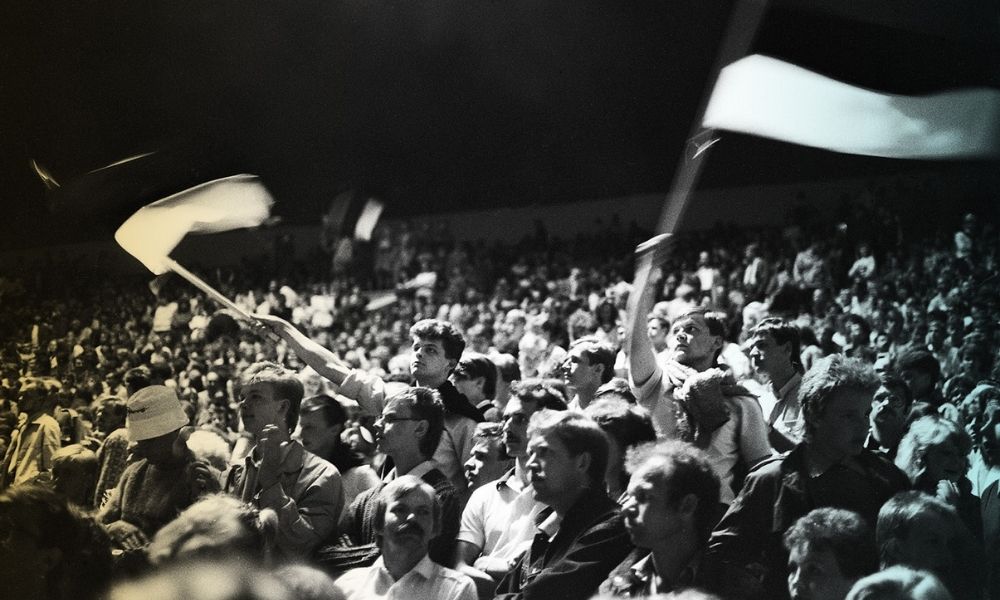
Every five years, the country celebrates the national song festival "Laulupidu." Singing and dancing are practically part of their national identity. Moreover, singing has also played a role in shaping modern Estonia. While many countries have had to endure brutal and difficult times to achieve independence, the situation in Estonia is quite different. The country gained its place on the world stage thanks to the "Song Revolution," in which it, along with the other Baltic states, protested the Soviet occupation. Spontaneous mass singing demonstrations took place in Estonia, with huge crowds singing patriotic songs, reinforcing the desire for independence.
12. Estonia gained independence after the collapse of the Soviet Union in 1991.
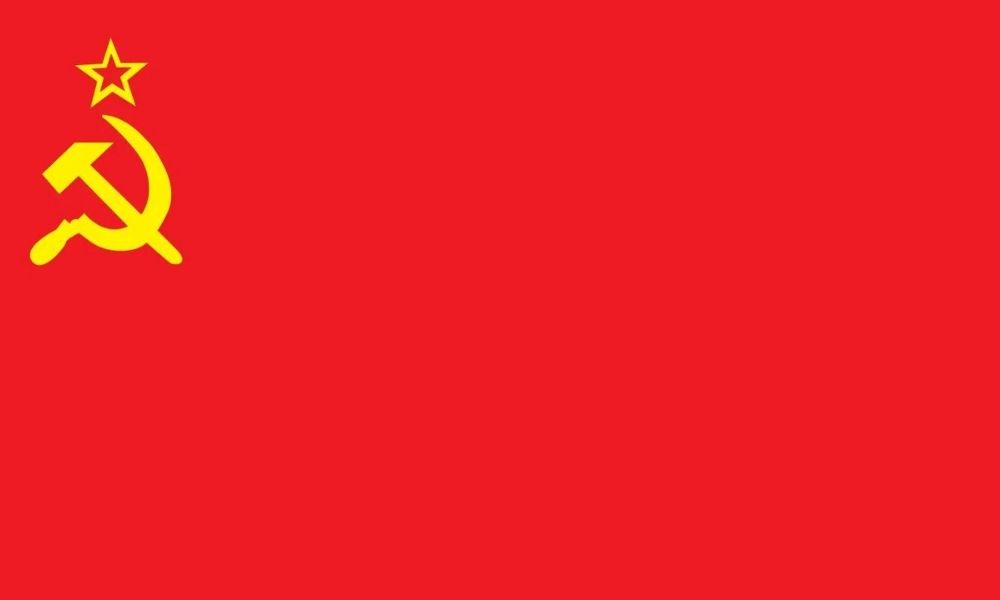
Throughout its history, Estonia has been under the rule of many countries, including Russia, Sweden, and Denmark. The country first gained independence in 1918, near the end of World War I, but its independence was short-lived, as the Soviet Union reoccupied the country during World War II. Thanks to the Singing Revolution, they finally regained their independence on August 20, 1991.
13. One of the countries that cares least about religion.
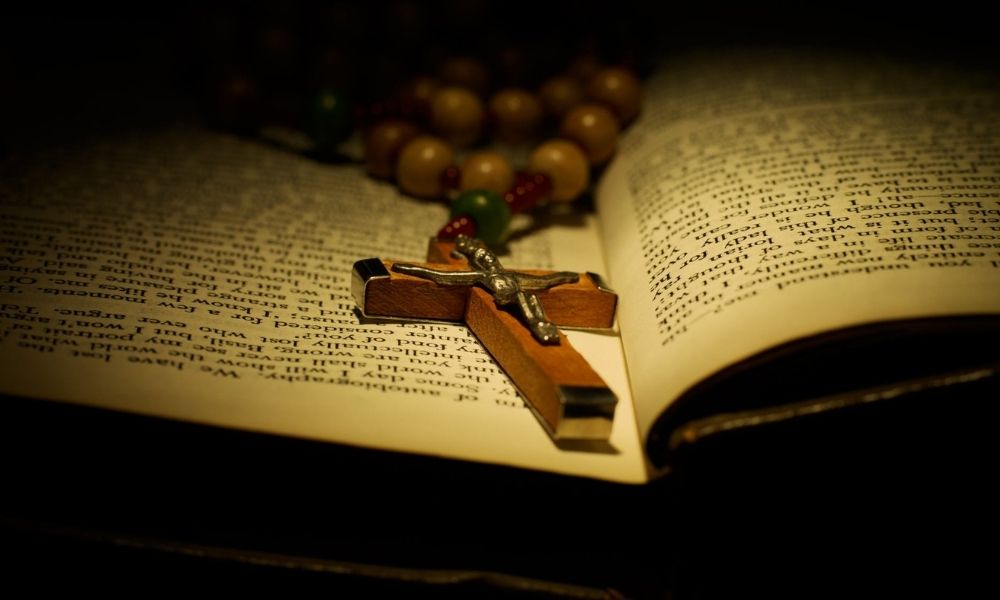
Many European countries are deeply religious. But Estonia is not one of them. Only a quarter of the country's population considers itself religious, and only 14% consider religion an important part of their lives. This situation is believed to be a result of Estonia's occupation by the deeply Christian Soviet Union.
14. A great place to see the northern lights.
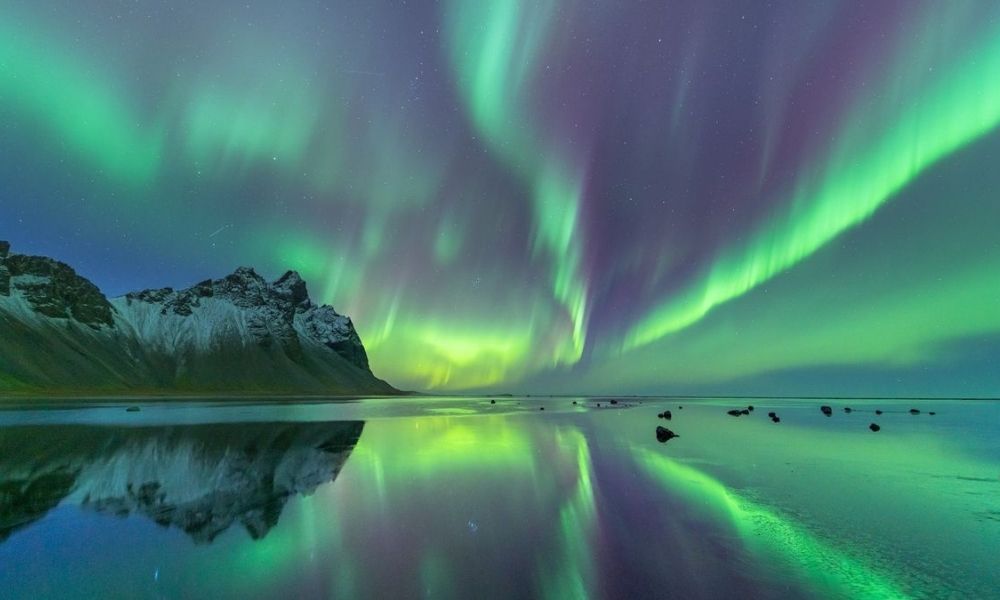
We've reached the end of our list of information about Estonia! Estonia is the northernmost of the Baltic countries. That's why the Northern Lights are more visible from here than from other countries.