








Construction work—whether large-scale building construction or private renovations—inevitably generates large amounts of waste. Remaining concrete, rebar, wooden beams, plastic packaging, and old finishes all require proper disposal. Failure to comply with established regulations can lead to environmental problems and fines from regulatory authorities.
Recycling construction waste is not only a way to protect the environment but also a way to save money by recycling materials. For companies, it's also a reputational asset: clients and partners value an environmentally responsible approach. In this article, we'll explore the types of waste encountered at construction sites, how to properly organize their collection and sorting, what to do with the materials after demolition, and how to formalize the removal process.
Types of construction waste and their characteristics
The variety of construction waste requires different approaches to disposal. Below are the main categories:
- Concrete and brick
This is the most common type of construction waste. It takes up a large amount of space and is quite heavy. When properly processed, it can be used as crushed stone for road construction and backfill. - Metal products (reinforcement, profiles, nails)
Metals are easily recycled. Ferrous and non-ferrous metals are accepted at recycling centers, and companies can earn additional income from recycling. - Wood materials (boards, beams, plywood)
Wood can be reused after dismantling. Rotting wood can be recycled, and high-quality scraps can be converted into chipboard or fuel. - Plastics and polymers (pipes, packaging, panels)
The dangers of plastic lie in its durability and low biodegradability. Some types are recyclable, while others require safe disposal. - Glass and ceramics
They require careful handling during collection. After crushing, they are used in the production of new building materials. - Combined waste
These are mixtures of different materials, such as insulation mixed with plastic or wood mixed with nails. They require pre-sorting or special processing technology.
Understanding the composition of construction waste is the first step to its proper disposal.
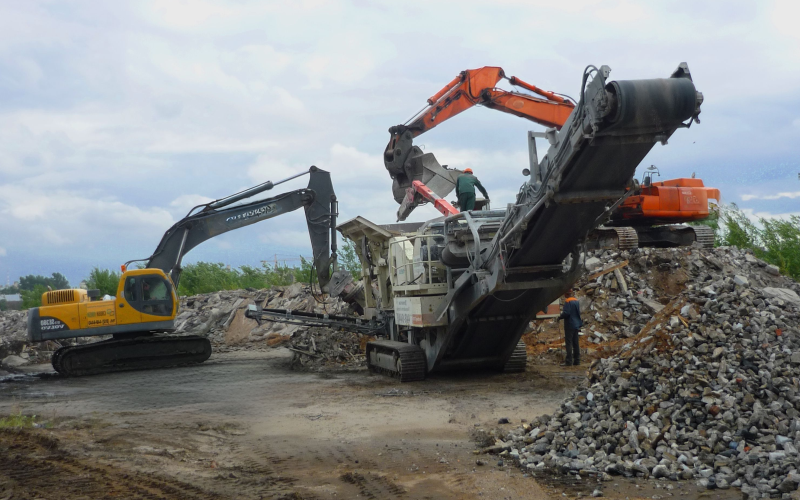
Waste collection and sorting system at a construction site
Proper waste collection during the construction phase helps avoid chaos, reduce costs, and ensure safety.
Main steps:
- Planning
At the design stage, it is necessary to consider the locations for container placement, the frequency of removal, and the routes within the construction site. - Container marking
Different bins are installed for concrete, metal, wood, and plastic. This simplifies sorting and makes recycling efficient. - Staff training
Workers must know which materials go in which containers. Regular training helps avoid mistakes. - Control and audit
A person responsible for sorting control is appointed. Proper disposal is checked periodically.
Adherence to these principles helps minimize the amount of mixed waste, reduce recycling costs, and make the process environmentally friendly.
Methods of recycling and reusing building materials
Many building materials can be recycled. This not only saves resources but also contributes to sustainable development.
- Crushing concrete and bricks
They are used to obtain secondary crushed stone, which is used for road filling, foundations and landscaping. - Metal melting
Steel and aluminum waste is recycled and used to create new products. - Wood chipping
Suitable for the production of slabs, biofuels, and compost. It is important that the wood is not coated with paint or harmful impregnations. - Plastic recycling
The selected plastic is sorted, washed, crushed, and processed into granules—raw material for new products. - Reusing entire elements
Whole bricks, slabs, and beams can be reused in the construction of small architectural forms, fences, and utility buildings.
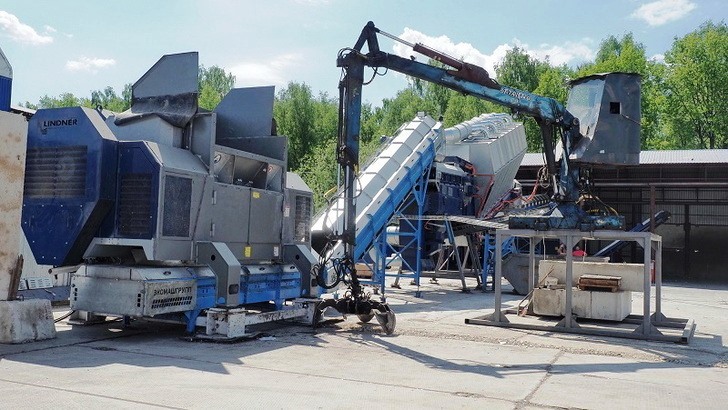
In Kaluga, one of the reliable partners for the disposal of construction waste is KZPAT — Kaluga Alternative Fuel Plant. This modern facility specializes in recycling Class IV–V hazard waste, including plastic, wood, and textiles. The company not only disposes of its clients' waste but also creates alternative fuel from it, thereby reducing the burden on natural resources. Collaboration with KZPAT is a step toward environmental protection and sustainable resource use.
Rules for export, paperwork, and cooperation with licensed partners
Construction waste removal is regulated by law. Failure to comply with these standards can result in fines. Here are the key aspects to consider:
- Licenses and permits
The carrier and disposal organization must have a license to work with the relevant types of waste. - Agreement with a counterparty
The list of services, types of waste, removal schedule, cost and responsibilities of the parties are being clarified. - Registration of documents
It is necessary to issue:- waste acceptance certificate;
- disposal agreement;
- bill of lading;
- waste passport (for hazardous categories).
- Compliance with sanitary standards
Waste should not accumulate unchecked at construction sites. It is important to remove it regularly and prevent environmental pollution. - Choosing a partner
It is recommended to work with reputable companies that maintain open records, provide all necessary documents, and have experience in processing building materials.
Compliance with all these steps is the key to not only legal but also environmentally responsible construction waste disposal.