








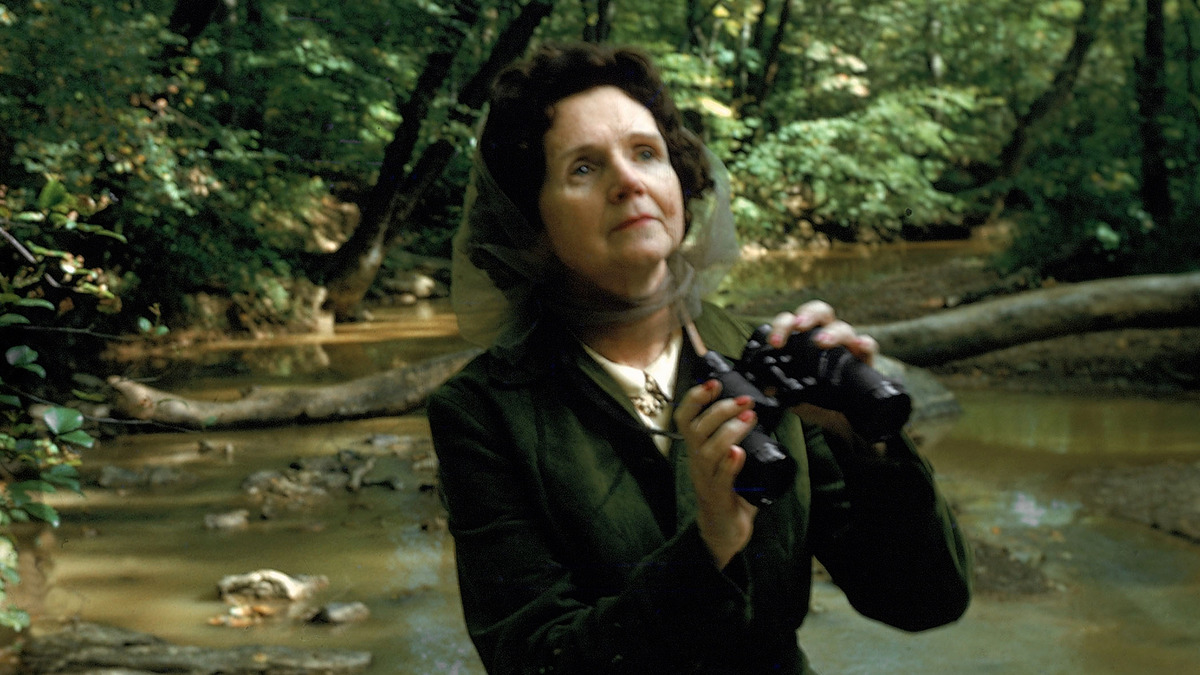
 Source: Mylifetime.com
Have you ever wondered who was at the forefront of the environmental movement, challenging the status quo and initiating a global conversation about conservation? Rachel Carson did just that with her groundbreaking work, Silent Spring. But who was she beyond that celebrated publication? Born in 1907, Carson was not only a marine biologist but also a visionary writer whose insights into the natural world and its complex connections to human health revolutionized our understanding of the planet. Her legacy is a testament to the power of words to spark change. In this post, we'll explore 22 fascinating facts about Rachel Carson that reveal the depth of her passion, her challenges, and the enduring impact of her work. Ready to be inspired by the woman who dared to challenge the status quo for the future of our planet? Let's get started!
Key findings:
- Rachel Carson, a marine biologist and author, revolutionized environmentalism with her book Silent Spring, leading to the creation of the Environmental Protection Agency and inspiring future generations to protect the planet.
- Carson's legacy lives on through awards, trails, and institutions created in her honor, and her vision of harmony between people and nature continues to inspire conservation efforts around the world.
Contents 01Who is Rachel Carson? 02Rachel Carson's Groundbreaking Work 03The Impact of Rachel Carson's Work 04Rachel Carson's Legacy 05A Final Look at Rachel Carson's Legacy
Who was Rachel Carson?
Rachel Carson was a marine biologist, author, and conservationist whose work revolutionized our understanding of our relationship with the natural world. Born on May 27, 1907, in Springdale, Pennsylvania, she nurtured a deep love of nature from childhood, which shaped her career and legacy.
-
Carson graduated from Pennsylvania College for Women (now Chatham University) in 1929 with a bachelor's degree in biology and later earned a master's degree in zoology from Johns Hopkins University in 1932.
-
Her career began at the U.S. Bureau of Fisheries, where she was hired to write radio scripts during the Great Depression and eventually became a full-time nature writer.
The pioneering work of Rachel Carson
Carson is best known for her 1962 book Silent Spring, in which she challenged the practices of agricultural scientists and government, calling for a change in humanity's view of the natural world.
-
«Silent Spring is often considered the starting point of the global environmental movement. It exposed the dangers of chemical pesticides, leading to a nationwide ban on DDT and other pesticides.
-
Before Silent Spring, Carson published The Sea Around Us in 1951, which became a bestseller and earned her the National Book Award. This work made her famous in both academic and literary circles.
The Impact of Rachel Carson's Work
In his writings, Carson advocated a balanced, ecological view of nature, emphasizing that humans are part of a larger system and have a responsibility to protect it.
-
Following the publication of Silent Spring, President John F. Kennedy established the Science Advisory Committee to investigate Carson's claims, which ultimately led to the creation of the Environmental Protection Agency (EPA) in 1970.
-
Carson faced significant opposition from chemical companies and some in the scientific community, but she remained steadfast in her beliefs, advocating for the health of the planet and its inhabitants.
The Legacy of Rachel Carson
Rachel Carson's legacy is a testament to the power of individual action and the importance of research in public policy.
-
In 1980, she was posthumously awarded the Presidential Medal of Freedom in recognition of her contributions to the environmental movement.
-
Schools, wildlife sanctuaries and awards have been named in her honour, ensuring that her work continues to inspire new generations.
-
Carson's approach to environmental conservation, based on scientific evidence and the interconnectedness of all living things, remains influential in contemporary discussions of sustainability and conservation.
-
Although she died in 1964, Carson's vision of a world where people live in harmony with nature continues to resonate, making her one of the most significant environmental figures of the 20th century.
-
Her work has inspired countless people to take action for the environment, from politicians to grassroots activists.
-
The Rachel Carson Trail, a 35.7-mile hiking trail in Pennsylvania, was named in her honor, symbolizing her journey and the path she paved for future environmentalists.
-
At Chatham University, where Carson studied, the Rachel Carson Institute was founded to advance environmental research and education, reflecting her long-standing commitment to environmental conservation.
-
In 1981, the United States Postal Service issued a commemorative postage stamp featuring Carson in recognition of her invaluable contributions to environmental conservation.
-
The house where she was born and spent her childhood in Springdale, Pennsylvania, is now the Rachel Carson Estate, a museum dedicated to her life and work.
-
Carson's influence extends beyond the United States: environmental groups and initiatives around the world cite her as a key inspiration for their work.
-
In 2006, a documentary film called A Sense of Wonder was released based on Carson's life and her final year battling cancer, during which she fought to bring her story to a new audience.
-
The Silent Spring Institute, founded in 1994, continues Carson's legacy by focusing on the health impacts of environmental toxins and advocating for policy changes that protect human health and the environment.
-
Her works, especially Silent Spring, are considered essential reading for anyone interested in environmental science or the history of the environmental movement.
-
Carson's ability to convey complex scientific ideas in clear, poetic language helped bridge the gap between the scientific community and the general public, making her work accessible to all.
-
She was posthumously awarded the Audubon Medal from the National Audubon Society and the Cullum Geographical Medal from the American Geographical Society in recognition of her contributions to environmental science and conservation.
-
Today, Rachel Carson's vision of a world where people live in harmony with nature continues to inspire efforts to protect the planet for future generations, proving that her legacy is as relevant as ever.
A final look at Rachel Carson's legacy
Rachel Carson's influence extends far beyond her groundbreaking book,« Silent Spring» . Her tireless commitment to protecting the environment sparked a global debate, leading to significant policy shifts and the birth of the modern environmental movement. Carson's work reminds us of the delicate balance between people and nature, calling on future generations to protect the planet. Her legacy is a testament to the power of one voice to drive change, inspiring environmentalists and scientists worldwide. Amid ongoing environmental challenges, Carson's life and work serve as a guiding light, urging us to protect our planet for future generations. Let us continue her vision with the same passion and dedication she demonstrated, ensuring a healthier and more sustainable world.
Frequently Asked Questions
Q: Who is Rachel Carson? A: Rachel Carson was a marine biologist, author, and conservationist whose pioneering work launched a global environmental movement. She is best known for her 1962 book, Silent Spring, in which she challenged the practices of agricultural scientists and governments, calling for a change in humanity's view of the natural world. Q: What is Silent Spring about? A: Silent Spring exposes the dangers of chemical pesticides to the environment, wildlife, and human health. Carson's compelling narrative linked the use of these chemicals to declining bird populations, coining the term "silent spring" to describe a future without birdsong. Her work sparked public concern and led to changes in policy regarding pesticide use. Q: Has Rachel Carson received any awards for her work? A: Yes, Carson has received numerous awards and honors throughout her career. Among them are the National Book Award and the Presidential Medal of Freedom, awarded posthumously in 1980 in recognition of her contributions to environmental science and environmental protection. How did Rachel Carson's work influence environmental policy? Carson's work played a key role in the environmental movement, leading to the banning of DDT in the United States and the creation of the Environmental Protection Agency (EPA). Her advocacy for the balance of nature and caution in the use of chemical pesticides led to significant changes in environmental policy and practice. Was Rachel Carson involved in any environmental organizations? Although Carson was primarily a writer and researcher, her work and influence are closely linked to the emergence of several environmental organizations. She supported the Nature Conservancy and the Sierra Club, among others, and her legacy continues to inspire environmental activism and conservation efforts today. What challenges did Rachel Carson face in her career? Carson faced significant challenges, including skepticism from the scientific community and criticism from chemical companies and some politicians. Despite battling breast cancer, she remained dedicated to her work, advocating for environmental protection until her death in 1964. Question: Are there any places named after Rachel Carson? Answer: Indeed, several places honor Rachel Carson's legacy, including the Rachel Carson National Wildlife Refuge in Maine and the Rachel Carson Bridge in Pittsburgh. These places serve as reminders of her impact on environmental conservation and the enduring importance of her work.
Was this page helpful?
Our work is based on a commitment to providing reliable and engaging content. Every fact on our site is contributed by real users just like you, providing a rich and varied experience and information. To ensure the highest standards of accuracy and reliability, our experienced editors carefully review every submission. This process ensures that the facts we share are not only engaging but also trustworthy. Trust our commitment to quality and authenticity as you explore and learn with us.
Share this fact: