








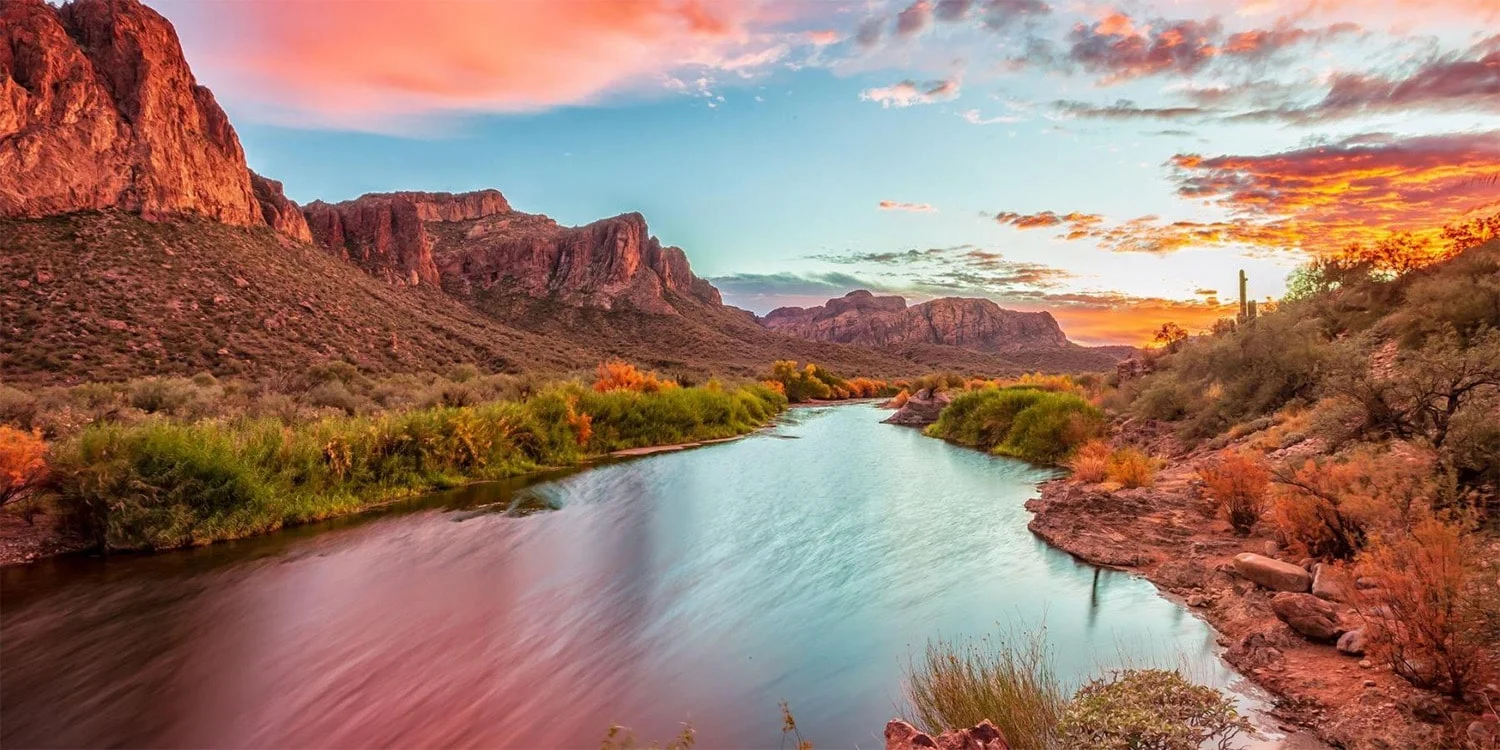
Table mountains, often called plateaus or plateau-like uplands, are iconic landforms found in arid and semi-arid regions around the world. Characterized by flat tops and steep slopes, these natural structures rise from the earth like giants' tables, offering breathtaking views and unique ecosystems. Table mountains are formed by a complex process of erosion and weathering, in which harder layers of rock resist erosion while softer layers beneath them are eroded. These geological wonders have not only shaped the physical landscape but also played a significant role in the cultural and historical histories of the regions in which they are found. Let's delve into some interesting facts about table mountains and their significance.
- The word "mesa" means "table" in Spanish, reflecting the flat top of these landforms.
- Table mountains are generally larger than buttes but smaller than plateaus, the distinction often based on the size of their upper surface.
- The formation of the plateau begins with layered sedimentary rock uplifted by tectonic activity.
- Erosion caused by wind and water then isolates areas of the uplifted land, carving out steep plateau slopes.
- The top layer of a plateau, known as the caprock, is usually made up of more resistant rocks that protect the softer layers below from erosion.
- One of the most famous mesas is Grand Mesa in Colorado, which is considered the largest flat-topped mountain in the world.
- Mesas are common in the southwestern United States, particularly in Arizona, Utah, New Mexico, and Colorado.
- The Colorado Plateau, a region spanning parts of the four aforementioned states, is home to thousands of mesas.
- Mesa Verde National Park in Colorado contains numerous ancient cliff dwellings built by Ancestral Pueblo people into the slopes of the plateau.
- In Australia, table mountains are often called "jump ups".
- The Deccan Plateau in India is an example of a vast area covered by plateau-like formations formed by volcanic activity.
- Uluru (Ayers Rock) in Australia, although often mistaken for a table lake, is actually an inselberg, which is a different type of landform.
- Mesas have been featured in many Westerns, contributing to the iconic image of the American West.
- Some mesas, due to their isolation, are home to unique ecosystems with plant and animal species not found elsewhere.
- The plateau caprock may consist of various types of resistant rock, including limestone, sandstone, or basalt.
- Erosion continues to shape mesas over time, eventually wearing away the overburden and transforming the mesas into other landforms.
- The Navajo Reservation, which spans parts of Arizona, Utah, and New Mexico, includes numerous mesas that are culturally and spiritually significant to the Navajo people.
- Black Mesa in Oklahoma is the highest point in the state and an example of a plateau formed from a lava flow.
- In addition to natural processes, some mesas have been modified or used by humans for purposes such as defense, agriculture, and religious ceremonies.
- The city of Table Mountain in South Africa is named after its flat-topped mountain, which is a prime example of a table plateau.
- Ancient civilizations, including those in the Southwest and South America, often built settlements on plateaus to provide defensive advantages.
- The process of plateau formation can take millions of years, demonstrating the slow but dynamic nature of geological change.
- Fossilized remains of plants and animals can sometimes be found in sedimentary plateaus, providing insight into the prehistoric environment of the region.
- The steep rock plateaus are popular with climbers and adventurers due to their challenging routes.
- Some plateaus have been declared protected areas or national parks to preserve their natural beauty and ecological significance.
- Table mountains not only contribute to the diversity of Earth's landscapes, but also serve as important symbols in the mythology and folklore of various cultures.
Table mountains are majestic reminders of Earth's long history and the powerful forces of nature that shape our world. Their distinctive flat peaks and steep slopes have fascinated geologists, inspired artists, and served as refuges for both wildlife and people. As we continue to explore and study these remarkable landforms, table mountains remain symbols of the enduring beauty and mystery of the natural world. Their preservation allows future generations to witness the impressive results of millennia of geological processes.