








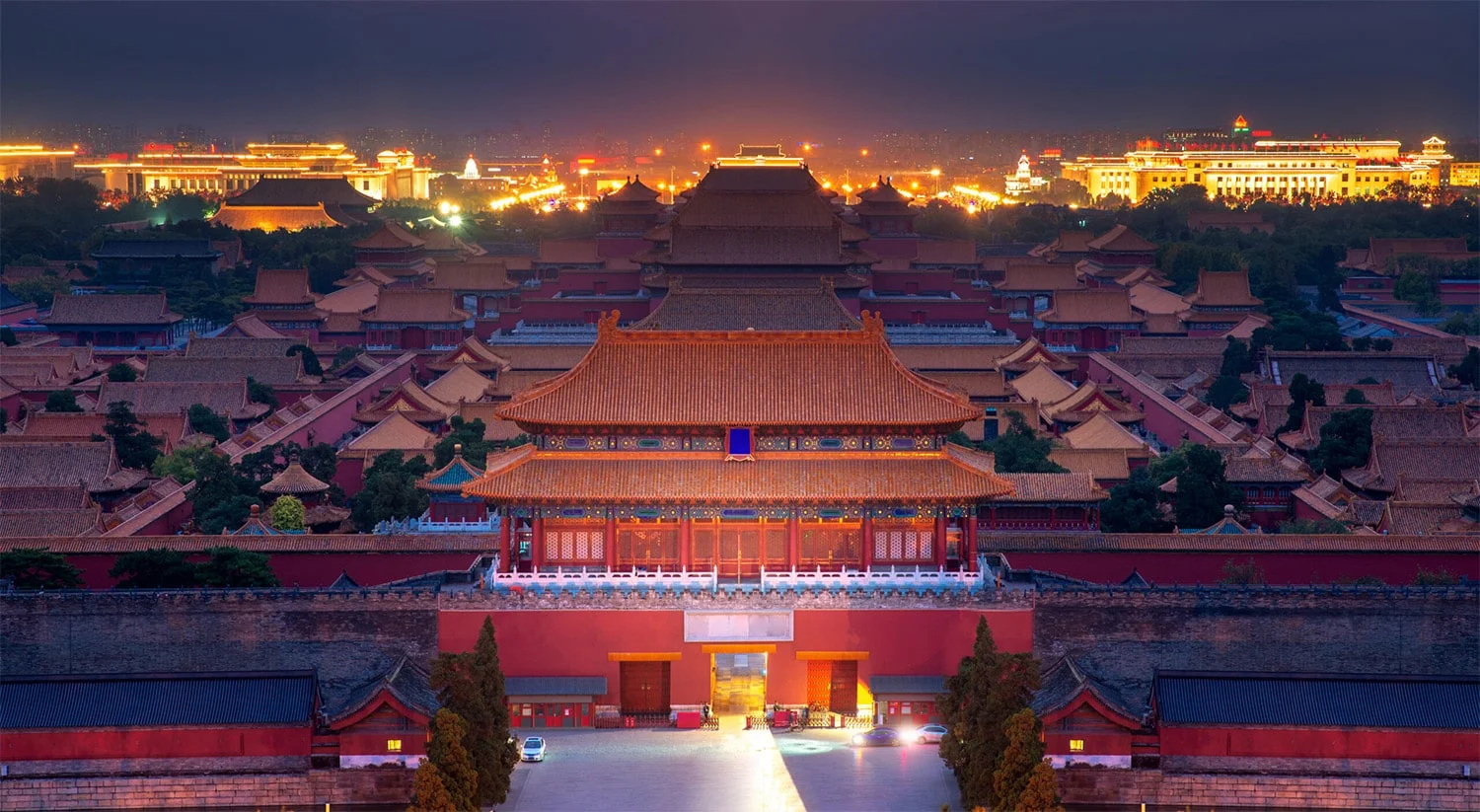
The Ming Dynasty, which ruled from 1368 to 1644, is often remembered as one of the most stable, yet autocratic, periods in Chinese history. Founded by Zhu Yuanzhang, who later became known as the Hongwu Emperor, the Ming Dynasty is renowned for its cultural revival, technological advancement, and the fortification of the Great Wall of China. This era also saw the construction of the Forbidden City, a monumental architectural achievement that remains to this day. The dynasty's influence extended beyond China, affecting trade and diplomacy with far-flung corners of Asia and Europe. Here are 31 interesting and informative facts about the Ming Dynasty, highlighting its historical significance and cultural legacy.
- The Ming Dynasty was founded after the collapse of the Mongol Yuan Dynasty, marking the return of native Han Chinese rule to China.
- Zhu Yuanzhang, the first emperor, came from humble origins, being a monk before becoming a military leader and then emperor.
- The capital was originally located in Nanjing, but was later moved to Beijing by the Yongle Emperor, who built the Forbidden City.
- The Ming Dynasty is famous for the completion of the Great Wall of China as it exists today, fortified with stone and brick.
- The dynasty was known for its naval expeditions led by Admiral Zheng He, who sailed to Southeast Asia, the Middle East, and East Africa.
- Renowned for its high quality and intricate designs, Ming porcelain was highly prized in Europe and remains a symbol of Chinese art.
- During the Ming Dynasty, the civil service examination system was expanded, special emphasis was placed on Confucian knowledge, and the power of the scholar-official class was strengthened.
- During this period, the Ming Dynasty Code was compiled; it was one of the most detailed legal codes in imperial China.
- The Ming Dynasty saw a flourishing of literature, including the publication of Wu Cheng'en's famous novel Journey to the West.
- During the reign of this dynasty, significant changes occurred in printing technology, including the introduction of color printing.
- Matteo Ricci, an Italian Jesuit priest, was one of the most famous European visitors during the Ming Dynasty, renowned for his efforts to bring Western and Chinese cultures closer together.
- During the Ming Dynasty, a population explosion occurred: the population doubled, increasing from 65 million to 150 million people.
- In international relations, the dynasty practiced the tribute system, which strengthened China's position as the Middle Kingdom.
- The Chinese calendar was reformed during the Ming Dynasty, leading to more accurate calculations that influenced the further development of astronomy.
- This dynasty was a period of significant architectural achievements, including the construction of the Temple of Heaven in Beijing.
- During this period, Chinese landscape painting reached new heights, with artists such as Shen Zhou and Wen Zhengming emerging as leading figures in this movement.
- The practice of footbinding among women became widespread during the Ming Dynasty, reflecting strict social norms.
- At the end of the Ming Dynasty, China experienced a silver crisis caused by the influx of silver from America, which negatively affected the economy.
- The fall of the Ming Dynasty was caused by a combination of internal conflicts, peasant rebellions, and the Manchu invasion.
- Li Zicheng, a rebel leader, became famous for capturing Beijing in 1644, which ultimately led to the fall of the Ming Dynasty.
- The last emperor of the Ming Dynasty, Chongzhen, committed suicide in the imperial garden as rebels approached the palace.
- The dynasty was known for its strict isolationist policies, especially in its later years, limiting contact with the outside world.
- Ming Dynasty clothing is characterized by the use of bright colors and dragon motifs, which were the prerogative of the emperor.
- This dynasty was the first to use the Mandarin square or rank badge, which was worn by officials to indicate their rank and status.
- The Forbidden City, a palace complex in Beijing built during the Ming Dynasty, comprises 980 buildings covering 180 acres.
- During the Ming Dynasty, the Grand Canal was reconstructed and expanded, greatly facilitating trade and travel within the empire.
- During this period, such classic Chinese novels as Plum in the Golden Vase and Romance of the Three Kingdoms were completed.
- The Ming Dynasty Tombs, located near Beijing, are the burial place of 13 emperors of that dynasty.
- During the Ming Dynasty, China was one of the world leaders in the production of ceramics, textiles and other handicrafts.
- The introduction of corn and sweet potatoes from the Americas during the Ming Dynasty contributed to the diversification of agriculture.
- Emperor Jiajing was known for his obsession with the search for immortality, which influenced court culture and religious customs.
The Ming Dynasty's contributions to culture, technology, and governance left an indelible mark on Chinese history and continue to influence the country today. Its legacy of architectural masterpieces, literary and artistic achievements, and the strengthening of bureaucratic institutions underscore the era's complexity and scope. The fall of the Ming Dynasty ultimately paved the way for the rise of the Qing Dynasty, but the cultural and historical legacy of the Ming Dynasty remains, reflecting a period of profound significance and enduring influence in China's rich history.