








Algeria, a land of rugged beauty and rich history, is a testament to the resilience and diversity of its people and landscapes. Located in North Africa, it is the continent's largest country, a fascinating melting pot of cultures, ancient history, and natural wonders stretching from the Mediterranean coast to the vast expanses of the Sahara Desert. Algeria's strategic location has made it a crossroads of civilizations for millennia, influencing its complex history, architecture, and traditions. The country boasts abundant natural resources, a vibrant culture, and a heritage that blends Berber, Arab, French, and African influences. Here are 34 interesting and informative facts about Algeria that highlight its uniqueness and significance.
- Algeria is the largest country in Africa and the tenth largest in the world.
- The official name of Algeria is the People's Democratic Republic of Algeria.
- Arabic is the official language, but Berber (Tamazight) is also an official language and is widely spoken.
- Algeria gained independence from France on July 5, 1962, after a brutal war that lasted seven years.
- The Sahara Desert occupies more than 80% of Algeria's territory.
- Algeria's economy is heavily dependent on hydrocarbons; the country has the 10th largest natural gas reserves in the world and is the 6th largest gas exporter.
- The capital and largest city of Algeria is Algiers, located on the coast of the Mediterranean Sea.
- The ancient Roman ruins of Timgad and Djemila are UNESCO World Heritage Sites and showcase Algeria's rich history.
- The Ahaggar Mountains in the Sahara are home to the indigenous Tuareg people, often referred to as the "blue people" because of their indigo-dyed clothing.
- The national animal of Algeria is the fennec fox, a small nocturnal fox with distinctive large ears.
- The Kasbah of Algiers, the historic medina, is a UNESCO World Heritage Site and is known for its Ottoman and French colonial architecture.
- The national dish of Algeria is couscous, which is traditionally served with meat and vegetables.
- Algeria was once home to some of the most ancient people, whose remains were found at the Ain Hanesh archaeological site.
- The Battle of Algiers (1966) is considered one of the greatest political films of all time, depicting Algeria's struggle for independence.
- The country has a varied climate, from Mediterranean in the north to desert in the south.
- Algeria is home to the Tassili n'Ajjer National Park, which contains prehistoric rock paintings that are over 8,000 years old.
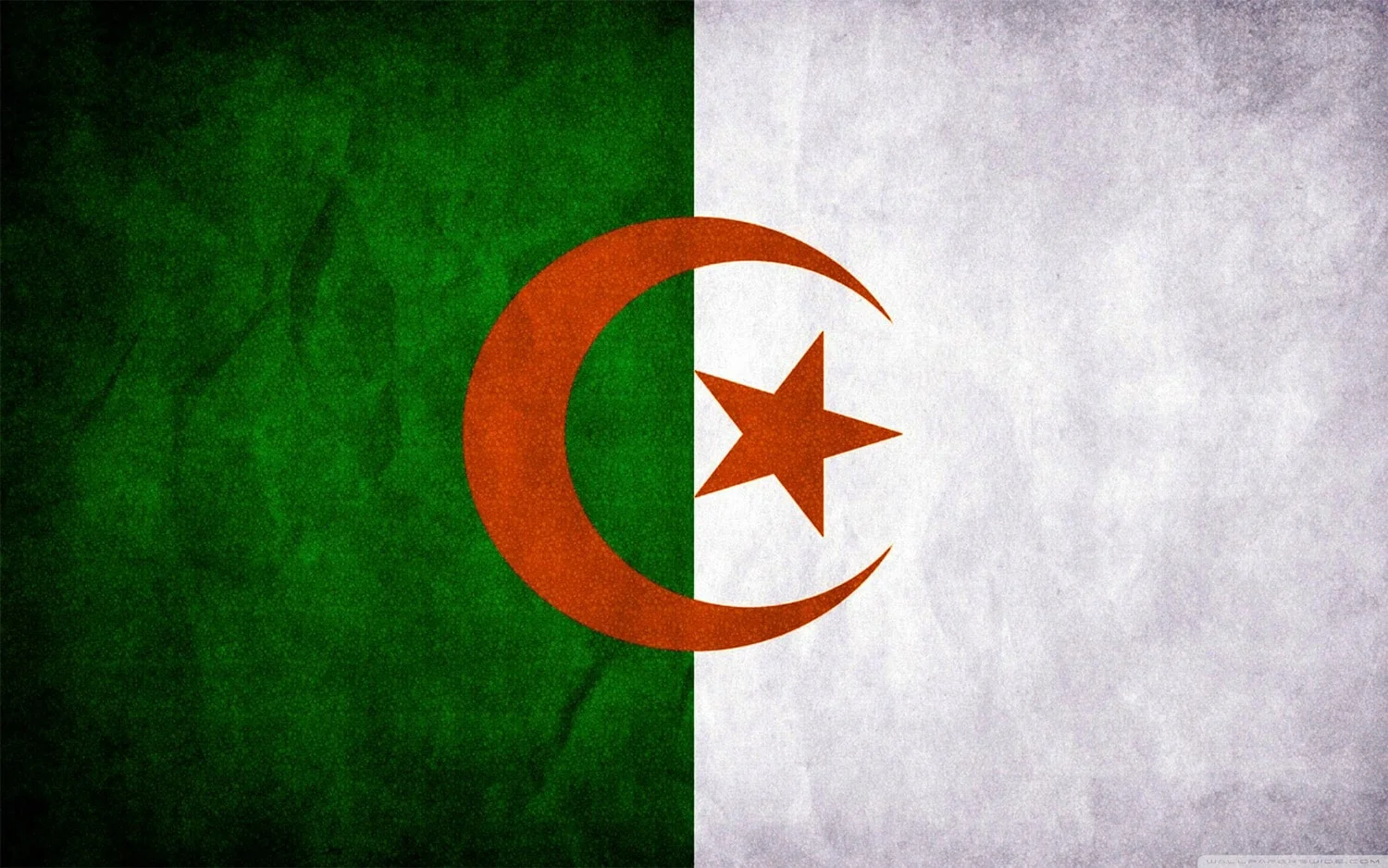
- The national flag of Algeria consists of two equal vertical stripes of green and white, with a red star and crescent in the center.
- Football is the most popular sport in Algeria, and the national team is known as the Desert Foxes.
- The Hoggar mountain range in southern Algeria is one of the country's most impressive natural attractions, featuring picturesque volcanic landscapes.
- Algeria is one of the few countries in the world whose marine area is part of a national park system, namely the Al Hoceima National Park.
- The M'zab Valley, a UNESCO World Heritage Site, showcases the unique architecture of the Mozabites, a Berber Muslim sect.
- Algeria has 48 provinces, called vilayets.
- The Great Mosque of Algiers, also known as Djamaa el-Djazair, is the third largest mosque in the world.
- Dates are a staple of Algerian cuisine, especially in the Sahara region.
- Gouraya National Park in Bejaia is known for its biodiversity and Barbary macaques, a species of monkey native to North Africa.
- Kabyle women from the Kabylie region are known for their traditional silver jewelry and colorful woven carpets.
- The Roman Catholic Basilica of Our Lady of Africa in Algiers overlooks the bay and is a striking architectural landmark.
- El Oued, a city in northeastern Algeria, is known as the "City of a Thousand Domes" due to its traditional domed architecture.
- Algerian literature has been influenced by both French-language and Arabic-language writers, including such renowned authors as Albert Camus and Assia Djebar.
- The Cherchell Museum houses one of the finest collections of Roman and Greek antiquities in Africa.
- Sidi Fredj is a historic resort and port where the French first landed during the conquest of Algeria in 1830.
- The annual Timgad International Music Festival celebrates both Algerian and international music.
- Oran, Algeria's second largest city, is famous for rai music, a popular genre that originated in the region.
- Saharan oases such as Tagit offer stunning landscapes and are vital to the survival of local communities and biodiversity.
Algeria is a country of captivating contrasts, where ancient history and modern development coexist harmoniously. From the bustling streets of Algiers to the serene expanses of the Sahara, Algeria offers a multitude of experiences reflecting its rich cultural heritage and natural beauty. Its strategic location and vast resources have shaped its history and economy, making it a key player on the African and global stage. The Algerian people, with their resilience and diversity, continue to preserve their unique traditions while embracing the future. As Algeria continues to grow and develop, its contribution to global culture, history, and natural wonders remains invaluable, inviting explorers and scholars to discover its many treasures.