








Trust is built over years and tested in moments.
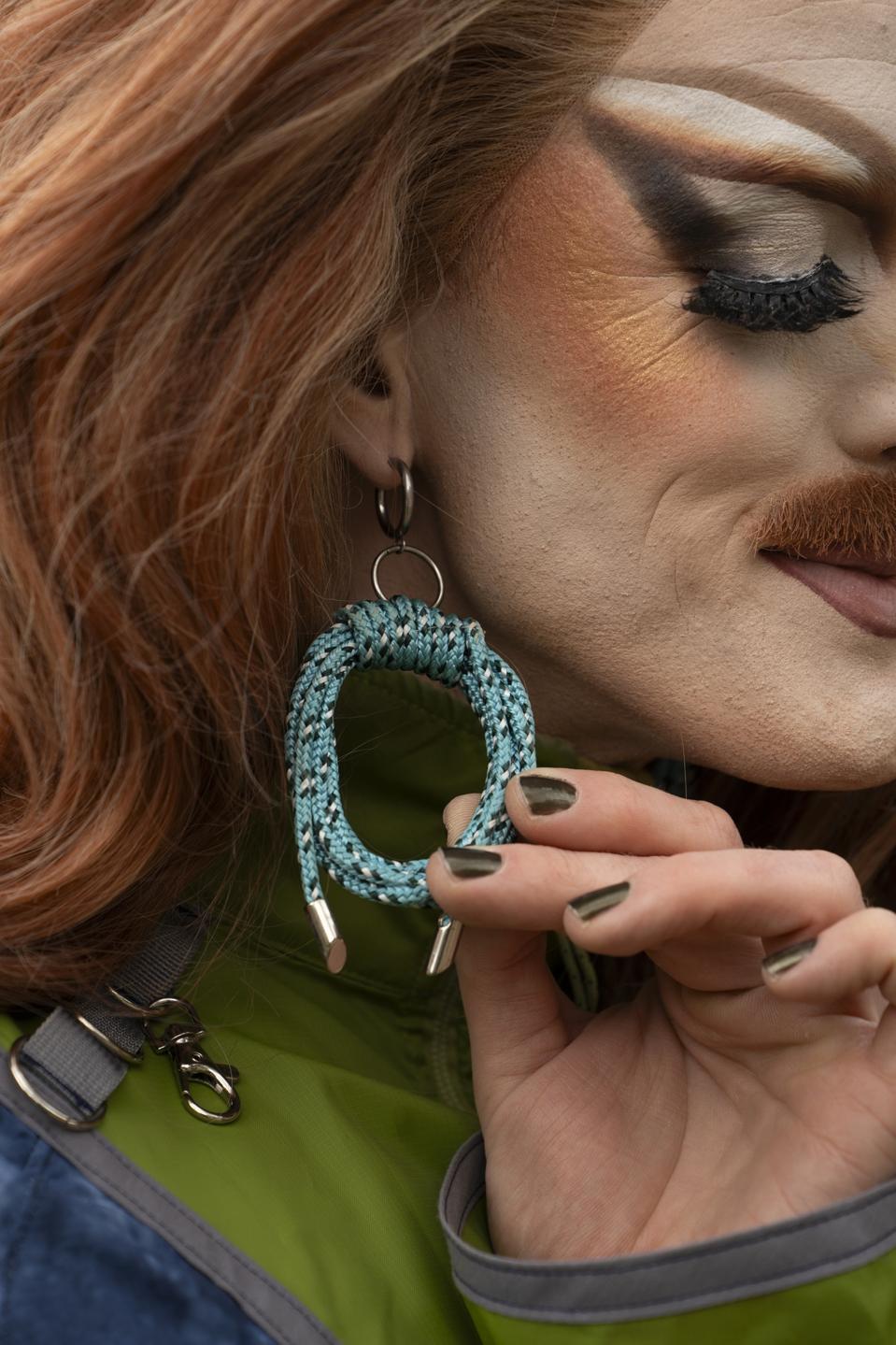
Perhaps that's why the trademark dispute between outdoor apparel giant Patagonia and environmental activist and drag performer Patti Gonia has attracted so much attention, extending far beyond the legal documents. On paper, it's a matter of intellectual property. In reality, it's become a debate about identity, allyship, culture, and expectations.
Over the decades, Patagonia has built a reputation that goes beyond jackets and backpacks. It has become synonymous with environmental stewardship, activism, and socially responsible business. Meanwhile, Patti Gonia has transformed herself from a witty wordplay into a recognized advocate for environmental causes, using humor, creativity, and relatability to engage new audiences with issues affecting the planet.
The intersection of these worlds is what makes this story so compelling and truly important to me. I've been fortunate to support LGBTQ+ organizations and initiatives for many years, and at the same time, I have enormous respect for Patagonia as a company that consistently strives to combine commercial success with positive impact. This particularly intrigued me about how two sides that seemingly have so much in common ended up in conflict.
Dr. Darren Stiles OBE at the Attitude Awards. Darren Stiles OBE, owner and publisher of Attitude, the world's largest LGBTQ+ media brand, believes the conflict between Patagonia and Pattie Gonia is viewed within a much broader context of trust, representation, and public opinion. (Dr. Darren Stiles OBE at the Attitude Pride Awards (Photo by David M. Benett/Dave Benett/Getty Images))
Dave Bennett/Getty Images
To find out, I spoke exclusively to Dr. Darren Stiles MBE, owner and publisher of Attitude , the world's largest media brand dedicated to the LGBTQ+ community.
What follows is not a debate about who is right and who is wrong. It's a conversation about perception, trust, and the importance of understanding the broader context in which such stories unfold.
Why did this resonate so deeply?
Before discussing the legal arguments, I asked Darren what people outside the LGBTQ+ community might miss.
«"This is a very challenging time for the LGBTQ+ community," he said. "In the US and UK, a political narrative against the weak has taken hold, and it's now possible to say things that would have been unthinkable five years ago in a seemingly more enlightened era.".
«Under the influence of Trump and his cronies, major corporations including Meta and Google, as well as much of the mainstream media, are actively engaged in policies and processes aimed at suppression, exclusion, and disinformation.».
«"It appears that a large company in a sensitive area is taking a swipe at an individual, even though - regardless of the nature of the dispute - it appears that more advantageous resolution options were available.".
Forcing brands to adhere to their own standards
Some critics have suggested that Patagonia should simply "shut up" and find a compromise. However, the company remains one of the world's most respected brands focused on social responsibility, making this debate particularly challenging for both consumers and commentators. (Photo by Robert Alexander/Getty Images)
Getty Images
Patagonia is treated differently than many other corporations.
Darren believes this is partly due to the standards the company sets for itself.
«"In part, yes, of course," he said. "If a brand relies heavily on a code of ethics, then sooner or later, any action or inaction it takes will be judged by that standard.".
«An even greater fall occurs when a person professes one set of values but lives, apparently, by another.».
«"It's like Google is collecting intellectual property using AI while simultaneously telling us all, 'Don't be evil.'".
He also pointed out a broader irony.
«"But for the average person, it also looks strange when a brand criticizes someone for using a name that was originally borrowed from a region of the country..."»
Trust, fairness and public perception
Much of the public reaction appears to be driven less by trade law issues than by instinctive notions of fairness.
«"I think we all have an innate sense of justice," Darren told me, "and the first reaction when you see a major corporation getting into a fight with a drag queen over its name is that Goliath is attacking David for fun.".
«"Britney Ferris, Vaseline Dion, Tia Kofi—there are literally hundreds of examples of wordplay in the drag world that don't hurt anything, and I don't think most companies would get in trouble for it.".
He added:
«"Especially if the starting point is a moral standard, it's like trying to crack a nut with a hammer that contradicts your stated position. And that seems unfair.".
Can both sides be right?
One of the most important questions in such situations is whether opposing points of view can coexist.
Can a company have a legal obligation to protect its intellectual property if members of the LGBTQ+ community remain unhappy with how that protection is implemented?
«Yes, perhaps,» Darren said.
«"If parody crosses the line, for example, and becomes unfair competition, where there is a real potential danger of harm or damage to a protected brand, then that brand has every right to protect itself and put an end to this entertainment.".
«"But honestly, I'd say it's a bit of a stretch for anyone to confuse the actions of a drag queen named Patti Gonia with being the spokesperson for any clothing brand.".
«"It seems unlikely to pass the test of reasonableness.".
Why context matters
Parody, puns, and cultural references have long been woven into drag culture. From local stages to global franchises like RuPaul's Drag Race, identity, humor, and creative expression remain central to the community's appeal. Jeff Perla, Vivacious, and Kai DiGregorio attend the RuPaul's Drag Race All Stars Party S11 in New York City on May 7, 2026. (Photo by Santiago Felipe/Getty Images for Paramount+)
Getty Images for Paramount+
Drag culture has long relied on parody, wordplay, and cultural references.
For Darren, this context is crucial.
«"Context is everything," he explained.
«"Spend even two minutes immersed in the world of drag culture, and the nature of mind-reading or critical thinking becomes crystal clear.".
«"Imagine recording Lily Savage's angry rants and trying to analyze them in a boardroom setting.".
«"Written irony may look and sound like the rudest thing you've ever heard, but in context it's something entirely different.".
A Challenge for Patagonia
As Ferrari debates its electric future, Darren Stiles OBE notes that modern brands are increasingly judged not only by what they produce, but also by how well their decisions align with public expectations and values.
Dr. Darren Stiles
One of the reasons this story has attracted attention beyond the LGBTQ+ community is Patagonia's long-standing reputation as a values-based organization.
«"I think so," Darren replied when asked if the story heightened the emotional tension.
«"It looks like an overreaction, coming down like a sideways missile from an unexpected flank where you thought your allies might be.".
«"And someone in the communications department is completely failing to handle this situation.".
«"It all felt a bit like a spat, when calmer people might have taken it outside and calmed things down.".
«"It's entirely possible that both sides are wrong, but when a small party that doesn't have the influence of the big players makes you look like a villain in the public eye, you can't help but wonder how it could have happened.".
What commentators should remember
Darren was very clear that none of us had access to all the conversations that took place behind closed doors.
«"We don't know what we don't know," he said.
«"Whenever one of our journalists brings a story like this to my desk, my first question is always, 'What did the other side say when you asked them this question?'"„
«"But from what we've seen so far on both sides, it seems like this could have been completely avoided.".
In an era when headlines often turn into verdicts, there remains a difference between what is reported publicly and what may have happened privately.
Pride Month and public opinion
The timing undoubtedly heightened the reaction.
«"Society feels threatened, and is currently under threat, from a violent, right-wing ideology that is leading to increased hate crime, bullying and isolation of our transgender brothers and sisters," Darren said.
«"Contempt is becoming commonplace, even encouraged.".
«"And Monday marks the start of Pride Month, a time when we should be celebrating diversity and inclusion.".
«"Instead, drag queens' identity is being challenged as a threat to corporations. Explain this. Is there a better outcome?"»
When our conversation turned to possible solutions, he touched on a topic I often discuss with brands. Not the legal side of the issue, but the human side.
«"First of all, put your guns down," Darren said.
«"Find a reasonable way to resolve the dispute.".
«"Any legal victory would likely be Pyrrhic in any case.".
«"If the drag queen merchandise scene is perceived as such a threat, then let's join forces, have some fun, and raise money for charity or some cause.".
«"Whether it's Pattie Gonia or Patagonia, they seem to have more in common than they do in terms of their vision and desire to do good and make the world a better place.".
«"Find the golden mean.".
«"Imagine if the publicity from the Pattie Gonia x Patagonia charity capsule collection could be turned into demand right now.".
When life gives you lemons, etc.
A question of trust
Whether this dispute ultimately ends in court, a settlement, or a compromise, the main takeaway may be less about trademarks and more about relationships.
Today, brands are judged not only by what they do, but also by how they do it. Consumers increasingly evaluate actions in terms of values, consistency, and trust.
Patagonia's reputation is built on standing for something more than just commerce. Patti Gonia's popularity stems from using creativity and activism to engage people who might otherwise never engage in environmental discussions.
Perhaps that is why this story seems so unusual.
The question that lies at the heart of many modern corporate disputes remains.
It's not about who wins, but about what might be lost.
According to Darren, the stakes are clear for Patti Gonia. Her identity, platform, and years of activism are intertwined with a name known worldwide.
For Patagonia, the answer is less clear. The company has the right to protect its intellectual property. Every business must protect the assets it has built over decades. However, brands are no longer judged solely by their legal rights. They are judged by their very essence.
Consumers increasingly evaluate not only whether an organization can do something, but also whether it should do it.
The strongest brands understand that trust is built at the intersection of politics and perception. At the intersection of legal correctness and human understanding.
Perhaps that's why this story has attracted so much attention. It brings together two parties that, at first glance, share remarkably similar ambitions for environmental protection, community development, and positive change.
Ultimately, there may be legal winners and losers.
The more pressing question is whether either party benefits if trust becomes collateral damage.
Because in an era when trust is becoming increasingly scarce, protecting it may be more valuable than protecting almost anything else.
This article was originally published on Forbes.com.