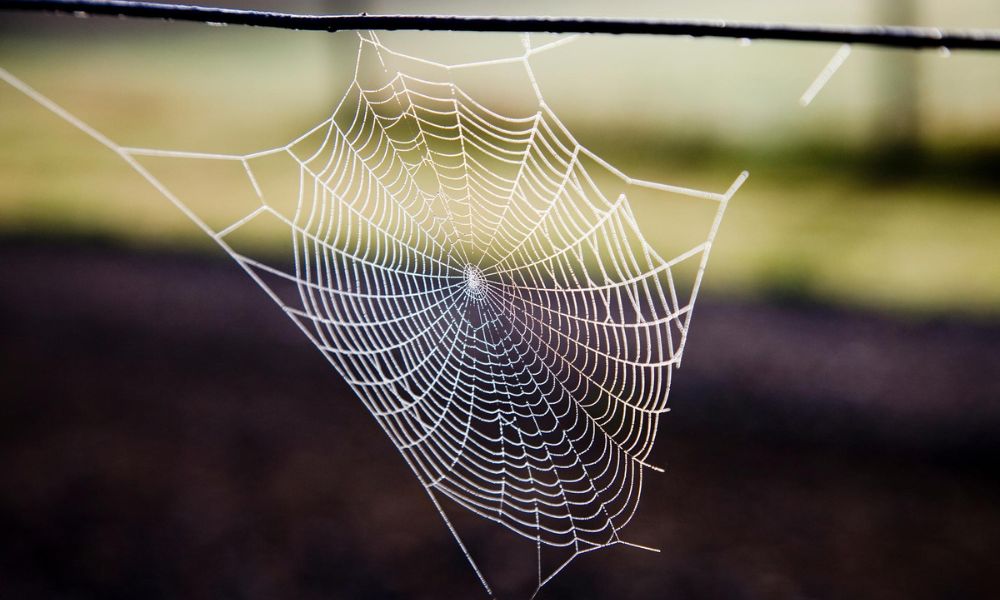
Spiders are some of nature's most impressive architects. These creatures spin webs of various shapes and sizes, using them for shelter and hunting tools. Others use their webs as a route to explore their surroundings. However, for most of us, these sticky structures seem like the stuff of nightmares. Did you know that spider webs are also beneficial to humans? Here are some surprising facts about spider webs you might not know...
1. Darwin's spider weaves the world's longest web.
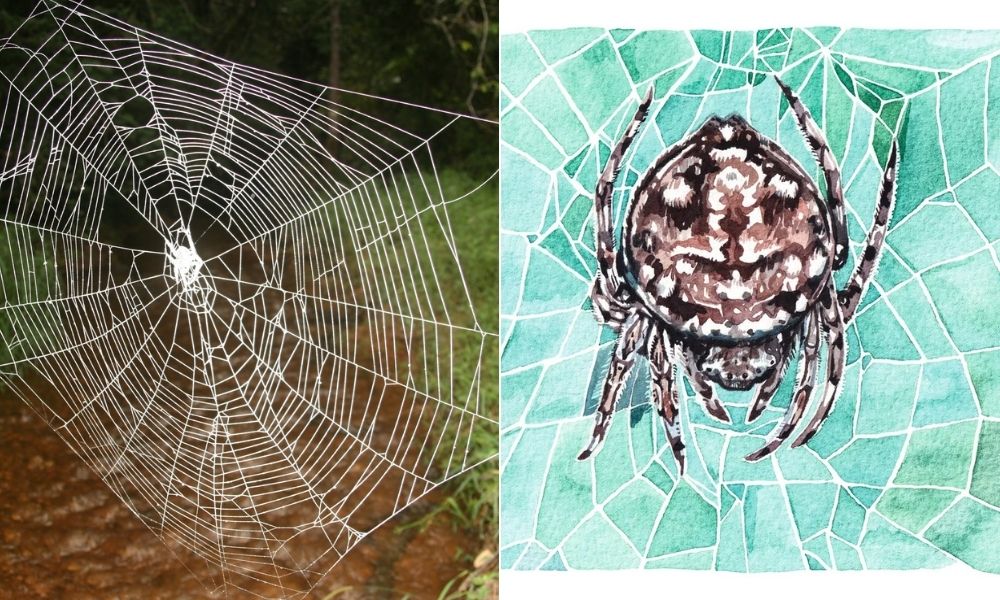
The Darwin's bark beetle spider attracts attention with its abilities that push the boundaries of nature. Have you ever seen a huge web stretched over a lake or river? If so, you may have witnessed this spider at work. This species transports its webs across bodies of water, carried by the wind. Their webs can sometimes exceed 25 meters in length!
These webs are not only long but also wide. Covering an average area of 900 to 28,000 square centimeters, these webs are considered among the largest in the world. The center of the web is a sphere, usually spiral, that catches insects flying around the water. Unsurprisingly, these spheres are also among the largest hunting traps.
2. Spiders can fly with the help of their web.
Yes, spiders can fly! This ability is achieved through a technique called "kite-flying" or "kite-flying." This method, typically used by newborn spiders to disperse and find new habitats, is also observed in adult spiders.
First, spiders climb to a high point—for example, the top of a tree. Then they release a thin silk thread (web). Wind or electrical fields pull these threads upward, lifting the spider into the air. Using this method, spiders can cover hundreds of kilometers. Fortunately, the fact that these flying spiders cannot control the direction of their flight allows those with a fear of spiders to breathe a little easier!
3. Some spiders catch and eat bats that get caught in their webs.
Almost everyone knows about spider webs and their strength. They're known to be one of the strongest biological materials in the world. This property means spiders can even hunt animals much larger and heavier than themselves.
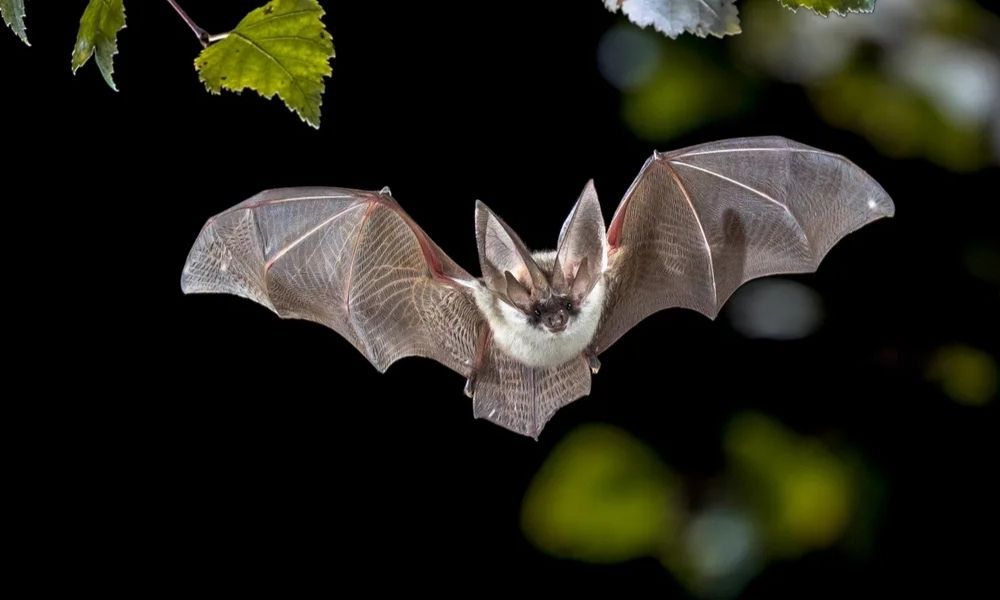
For example, large orb-weaving spiders of the genus Nephila can spin gigantic webs about 1.5 meters wide. These enormous webs catch not only insects but sometimes even bats! In Costa Rica, spiders have been observed catching and eating bats. Nature truly knows no boundaries!
4. In the 16th century, works of art were created from spider webs.
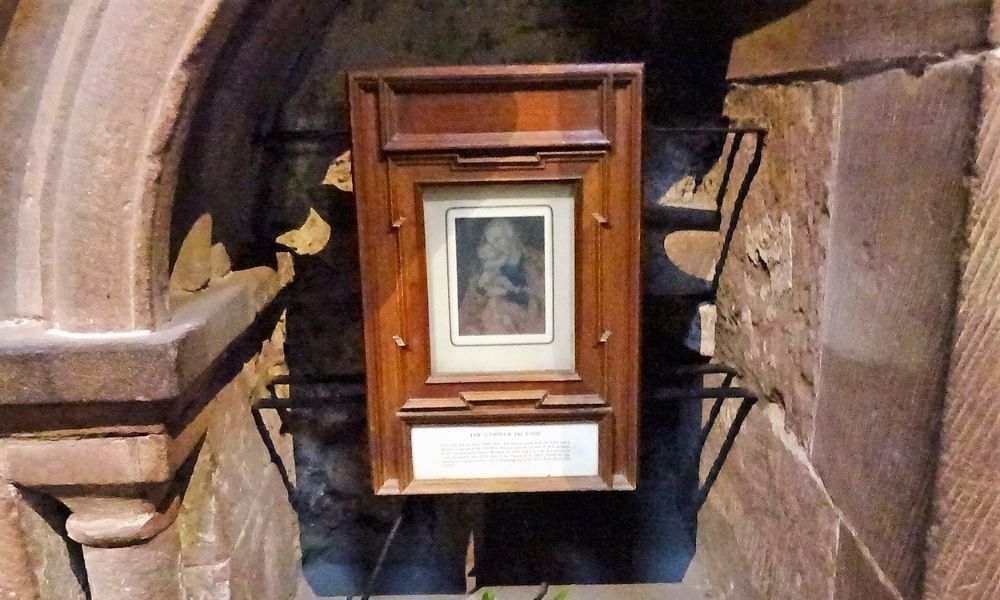
In the past, people not only viewed spider webs as a natural phenomenon but also used them to create works of art. The first documented examples of this fascinating art form date back to the 16th century, when monks lived in the Puster Valley in the Tyrolean Alps in Austria. The monks carefully collected spider webs, stretched them onto frames, and used the delicate webs to create paintings.
Despite these artistic canvases, the web has an extremely delicate structure. To date, only about 100 of these Austrian web paintings are known to exist. These works, once quite common, unfortunately became consigned to history after 1920, when priests stopped creating new ones.
The summer nightmare! What are the symptoms of insect bites and what's helpful for them?
5. Spiders can weave webs even in zero gravity conditions.
The adaptability of spiders may surprise you. In 1973, NASA sent two spiders to the SkyLab space station to test their ability to spin webs in low gravity. Although the spiders initially struggled, they soon adapted to the weightlessness and learned to spin webs of unusual shapes. However, it was noted that these webs were not as strong as those on Earth.
These experiments were not limited to 1973. Similar experiments were repeated on the ISS (International Space Station) in 2008 and 2011, and once again the unique adaptive abilities of spiders were demonstrated.
6. There are seven different types of spider silk.
Spiders can produce seven different types of silk, which serve different functions in weaving their webs. While they use a strong, non-sticky type of silk to create the main structure of their webs, they produce a sticky type of silk to catch prey.
They use their strongest silk to envelop their prey and prevent it from escaping. They also wrap their egg sacs in strong silk to protect them. They even use another type of web that acts as a "life preserver," helping them stay afloat if they fall. Interestingly, this type of silk can be stronger than steel per unit weight.
7. Spider webs can be used as antiseptic dressings.
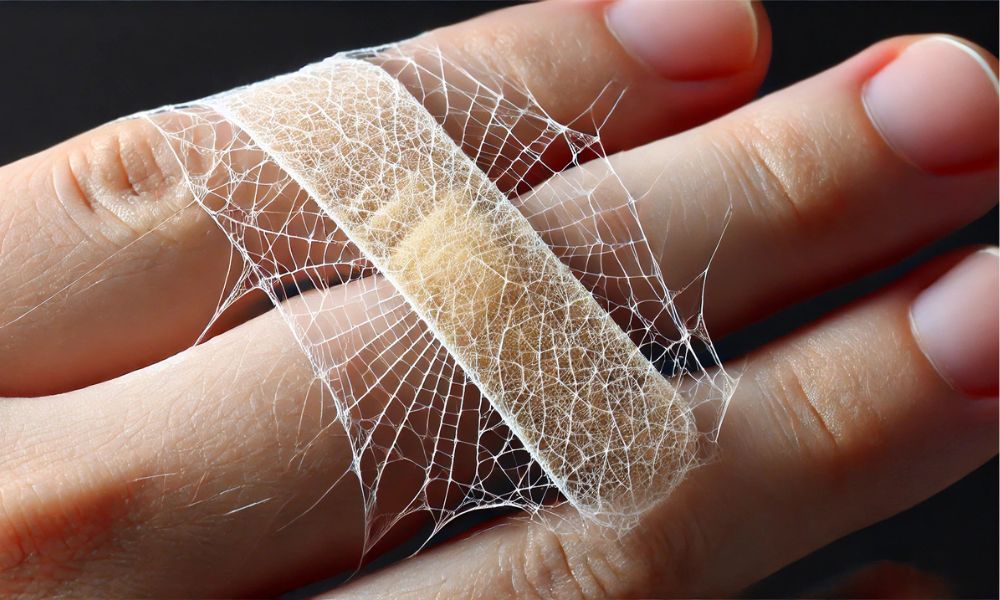
Villagers in the Carpathian Mountains cut spider webs and used them as bandages for their wounds. This method, seemingly strange at first glance, was confirmed by a 2017 study conducted by the University of Nottingham.
According to research, spider silk has antibacterial properties and contains large amounts of vitamin K, which helps blood clotting. Inspired by this information, scientists have even attempted to create spider silk bandages containing synthetic antibiotics!
8. Scientists transferred spider silk genes to goats
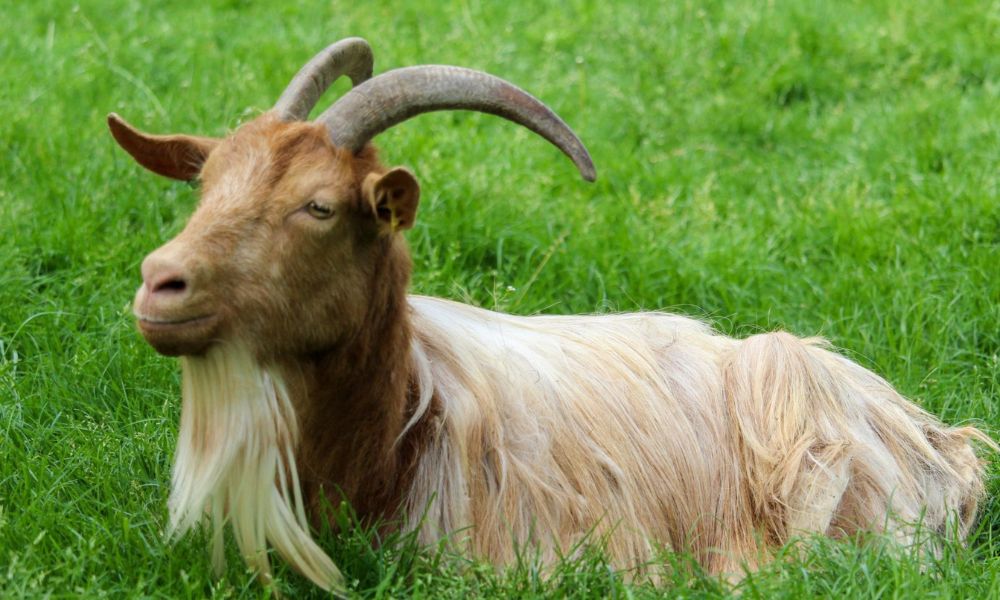
Yes, you read that correctly. In 2010, scientists from the University of Wyoming undertook a project reminiscent of a sci-fi movie. They transferred genes capable of producing silk into goats, and as a result of this genetic manipulation, they succeeded in producing silk from goat milk.
In this experiment, three of the seven genetically modified goats produced silk in their milk. The goats appeared completely normal and had no known health problems. This technological advancement paved the way for the production of synthetic silk in many applications, from body armor to outdoor gear. In fact, The North Face's famous Moon Parka jacket is a prime example of this technology. We've reached the end of our article on amazing facts about spider silk you might not know.
11 Interesting Facts About Porcupines That Will Surprise You Porcupines are small mammals known for their cute appearance and unusual defense mechanisms. These animals, which primarily inhabit forests and shrublands, attract attention with their...
13 Facts About Sloths That Will Surprise You Sloths attract attention in many natural settings due to their unique lifestyle. These animals lead a calm and leisurely life, spending most of their time exploring the world around them...
10 Incredible Facts About Hummingbirds That Will Surprise You Fly or bird? No, it's a hummingbird! A tiny, tiny, and adorable little bird indeed. There are 338 known species of hummingbirds, all belonging to the Trochilidae family. All hummingbird species in...
12 Things You've Always Wondered About, Explained. We are an intelligent species that has always sought an explanation for everything. We have explored the oceans and space and found answers to many complex questions. But our curiosity...
10 Amazing Animal Facts That Will Blow Your Mind An integral part of our lives are not only our four-legged friends, but sometimes also winged and crawling ones. They are a part of nature that somehow has to coexist with us. We...
10 Things People Misunderstand About the Environment Between pollution, extreme weather, and other natural phenomena, climate can have a profound impact on us. This means that those who want to exploit our primal...
10 Things the Modern World Is Taking Away from Children Children today have some advantages, as modern technology helps provide faster communication and access to information for everyone. There's also a wealth of entertainment available. However...
Top 7 Women's Items Designed for Men Gender associations can change, perhaps not overnight, but quickly. We'll prove this with a history of items that are now considered feminine...